
–submitted by Jessika Kasten
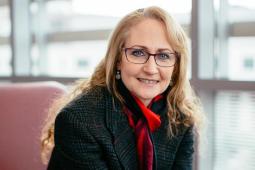 This week, UW-Madison Professor Jo Handelsman talked virtually with the Downtown Rotary about a project she began while working at Yale University in 2012 called Tiny Earth. This important project was developed to increase the number of students pursuing STEM degrees as well as address the growing antibiotic crisis. Researchers estimate that unless we do something soon, by 2050 the leading cause of death will be related to bacteria-related illness.
Over time, humans have become resistant to many antibiotics that treat bacterial infections such as pneumonia, ear infections, strep throat and the like. At the same time, there have been far fewer new antibiotics put on the market. Antibiotics are simply not as lucrative to pharma companies, and many pharma companies felt as though the vast majority of known antibiotics (99%) had already been identified through the soil. They were generally not willing to put in the time and resources needed to find the new 1%.
Tiny Earth began with just 6 students at Yale but has now grown to participation by more than 10,000 students per year. All of the students are working towards the same goal of making antibiotic discovery cheaper and more efficient for pharmaceutical companies. Specifically, they are developing new screening methods and new targets to find that 1% of antibiotics that are either new or different than previously discovered. They will then share those with pharma companies, thereby reducing the cost. This form of crowdsourcing most recently has discovered three new chemical structures that are currently underway. The COVID pandemic forced the research to stop earlier this year, but students are looking forward to getting back into the labs soon to continue their research.
Tiny Earth is harnessing the power of crowdsourcing, a student workforce and the need for antibiotic research, in the hopes they can make a significant impact on bacterial resistance in the future.
If you missed our meeting this week, you can watch the video here.
 On May 20, 2020, VA Secretary Mary Kolar gave an insightful presentation regarding the significance of Memorial Day. She first offered information regarding the Wisconsin Department of Veterans Affairs and the services and benefits provided for service members in Wisconsin, where 345,000 veterans reside. The WDVA works hard each day to ensure that veterans have access to all benefits available to them. The programs the WDVA oversees extend from administering the Wisconsin Veterans Museum (a Smithsonian affiliate that welcomes 90,000+ visitors each year), where it continuously educates the public with unique stories and histories of Wisconsin’s veterans, to veterans’ cemeteries where our veterans receive honorable burials, to providing access to mental health and housing assistance.
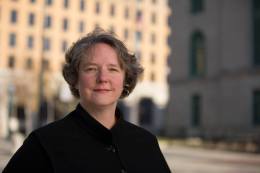 In Rotary’s first live Zoom meeting, Mayor Satya Rhodes-Conway, against a backdrop of red tulips and the capitol dome, provided a comprehensive 30-minute overview of Madison’s responses to COVID-19.
 Sometimes it’s better to begin at the end, in this case with Professor Christine Whelan’s personal May 6, 2020, Pandemic Purpose Statement:

 Rotary Club of Madison, Wisconsin