Category Archives: 3. Committees

2024 Manfred E. Swarsensky Humanitarian Service Award Recipient: Oscar Mireles

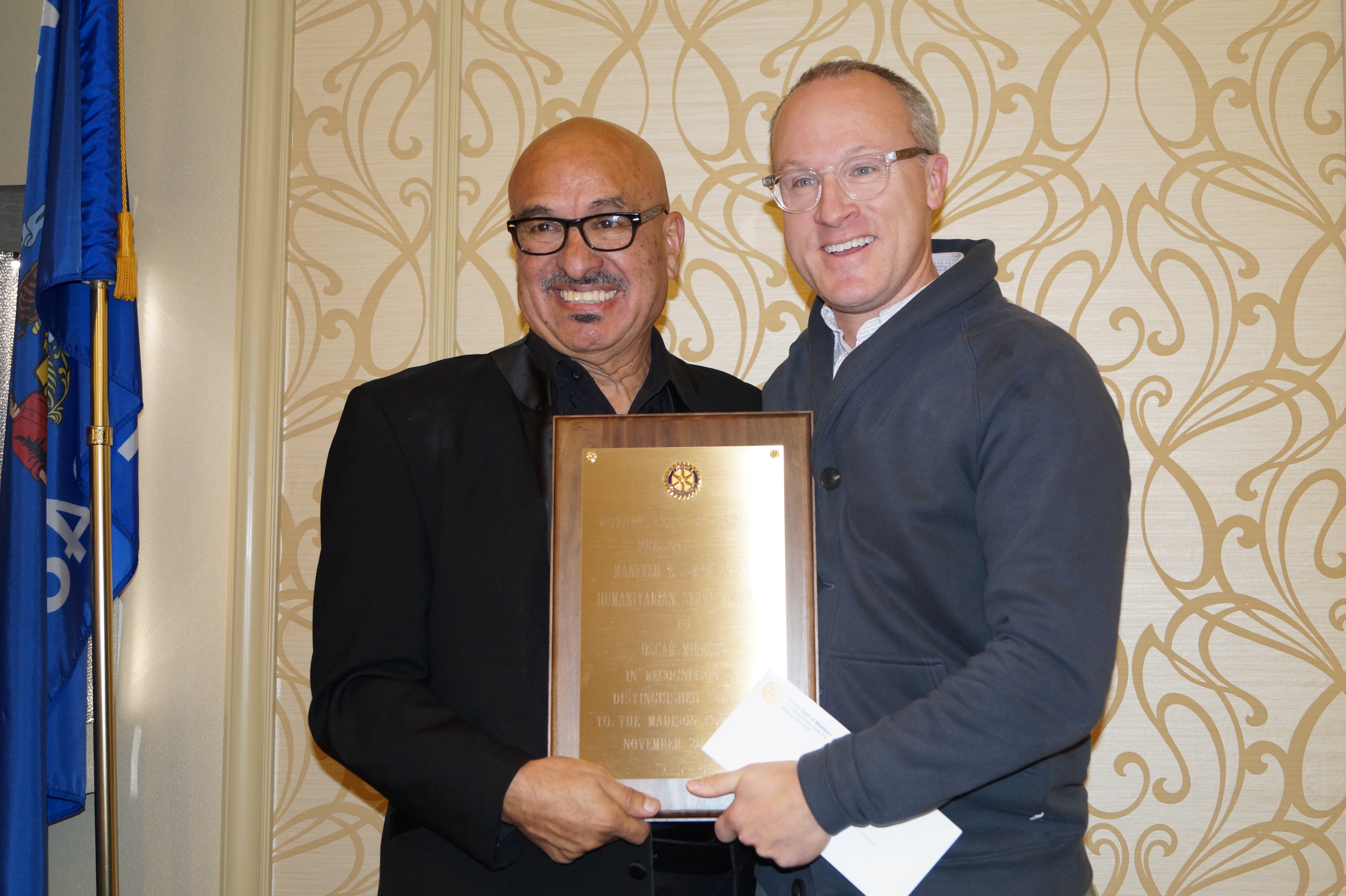
–presented by Steve Goldberg on November 20, 2024

For decades, Oscar Mireles has dedicated himself to volunteer community leadership and public service in the Madison area. Deeply inspired by his heritage and the values of social justice, equity and education, Oscar has been a tireless advocate for underserved communities, particularly the Latino population in Madison. His commitment to empowering others through education, poetry and civic engagement embodies the values of unity, compassion and inclusivity.

As a community leader, Oscar has significantly impacted Madison’s cultural and educational landscape. He is the long-serving Executive Director of Omega School, where he has helped thousands of marginalized individuals obtain their GEDs and unlock opportunities for a better future. Under his leadership, Omega School has become a beacon of hope for adults seeking to further their education. Furthermore, he founded the culture and arts focused non-profit, Latinos Organizing for Understanding and Development (LOUD) to share art from BIPOC artists with the community. Oscar has been a key figure in promoting arts and culture in Madison, most notably through his work as a poet and as Madison’s first Latino Poet Laureate, with three published anthologies.

Oscar’s influence extends far beyond his professional life. He has served on numerous boards and committees, lending his leadership and vision to organizations including, but not limited to, the City of Madison Cultural Planning Committee, the Madison Museum of Contemporary Art(MMOCA), the Boys and Girls Club of Dane County, the Friends of PBS Wisconsin and the Latino Consortium for Action.

His contributions have been recognized with numerous awards and accolades over the years, including the Dane County Martin Luther King Jr. Humanitarian Award, the Literacy Advocate of the Year Award from Wisconsin Literacy, the Outstanding Educator Award from the 100 Black Men of Madison, the Friend of Education Award from Gov. Tony Evers.

In addition to his leadership and advocacy, Oscar is a passionate mentor to young people, especially those from disadvantaged backgrounds. His work as a mentor has inspired countless students to pursue their dreams and give back to their communities. His poetry, often centered on the Latino experience and issues of social justice, has touched the lives of many and created greater awareness of the challenges faced by marginalized groups.

Described as someone who brings different groups together, despite, and because of their differences, the Rotary Club of Madison congratulates Oscar Mireles on receiving the Manfred E. Swarsensky Humanitarian Service Award for his lifetime of service and leadership.

22nd Annual Rotary Ethics Symposium: Empowering Future Leaders

–submitted by Janet Piraino

The future of Dane County is in good hands!  That was my biggest takeaway from my first experience with the Rotary Ethics Symposium.  At a time when so many things divide us, it was incredibly affirming to witness the thoughtfulness and compassion of our next generation of leaders.

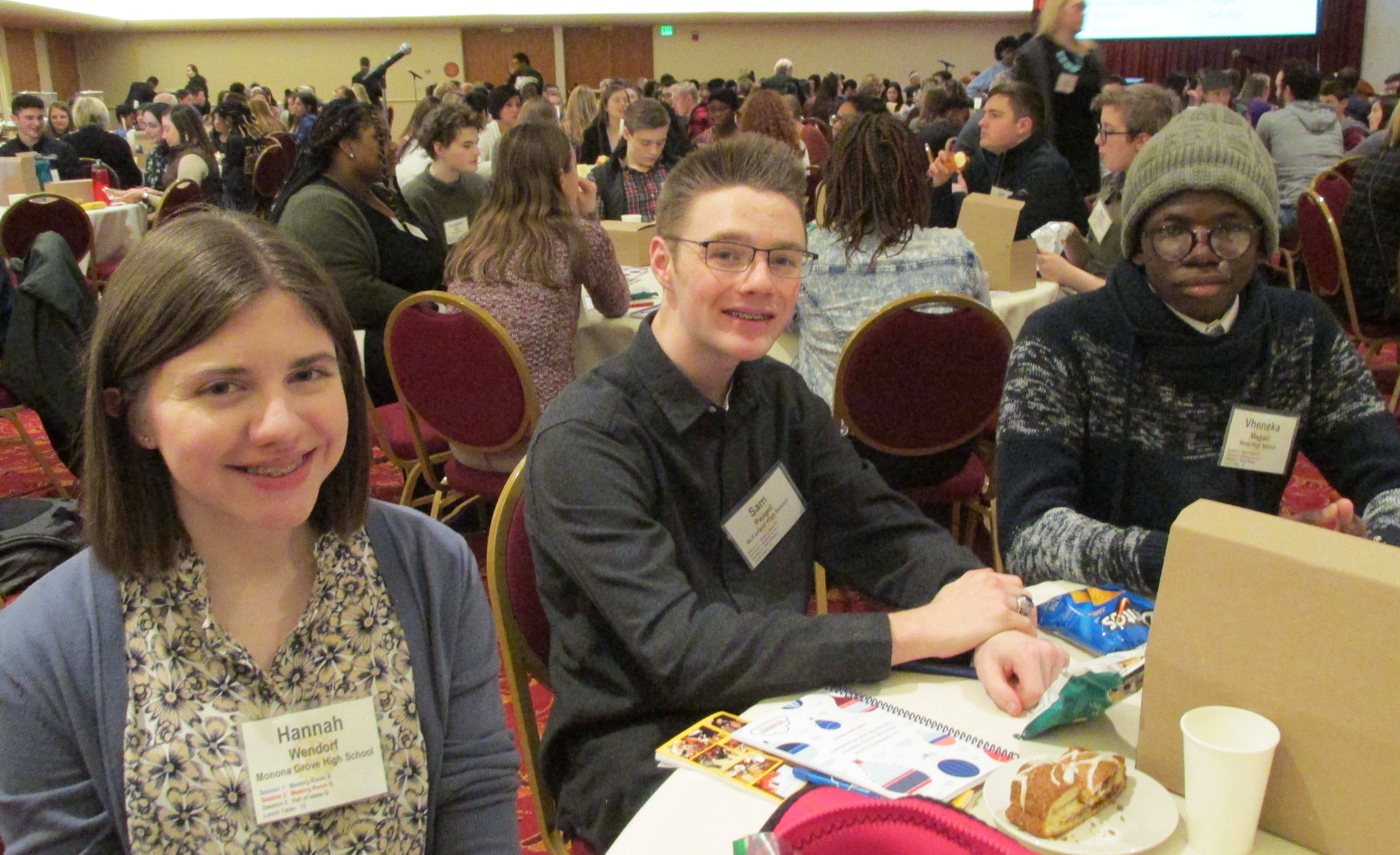
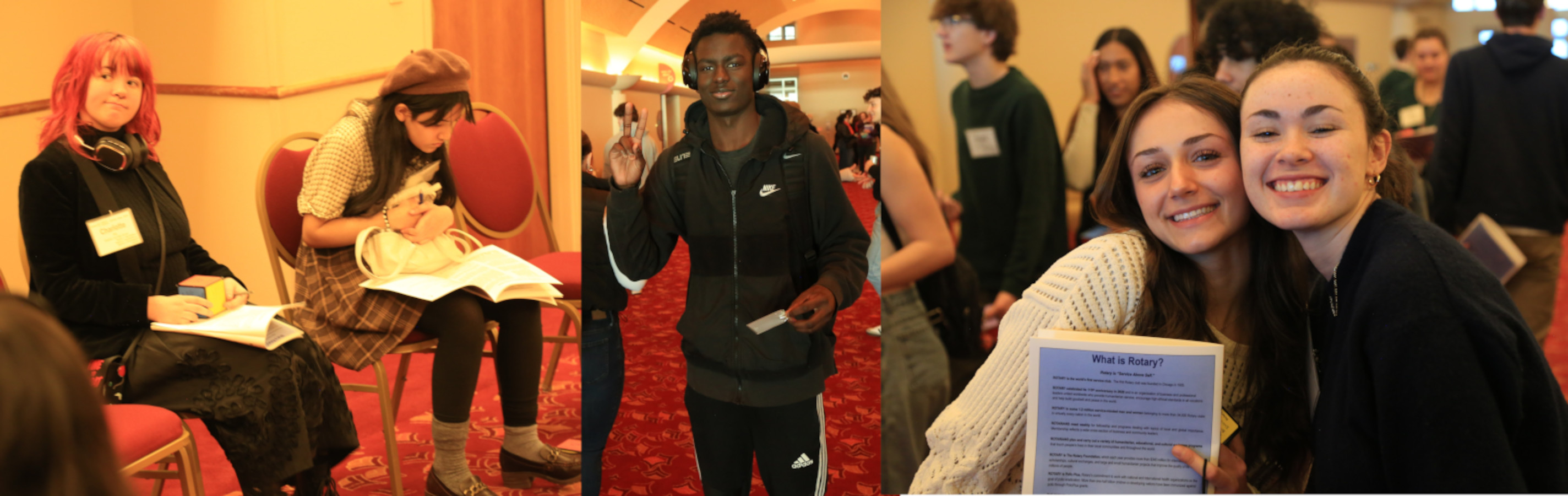
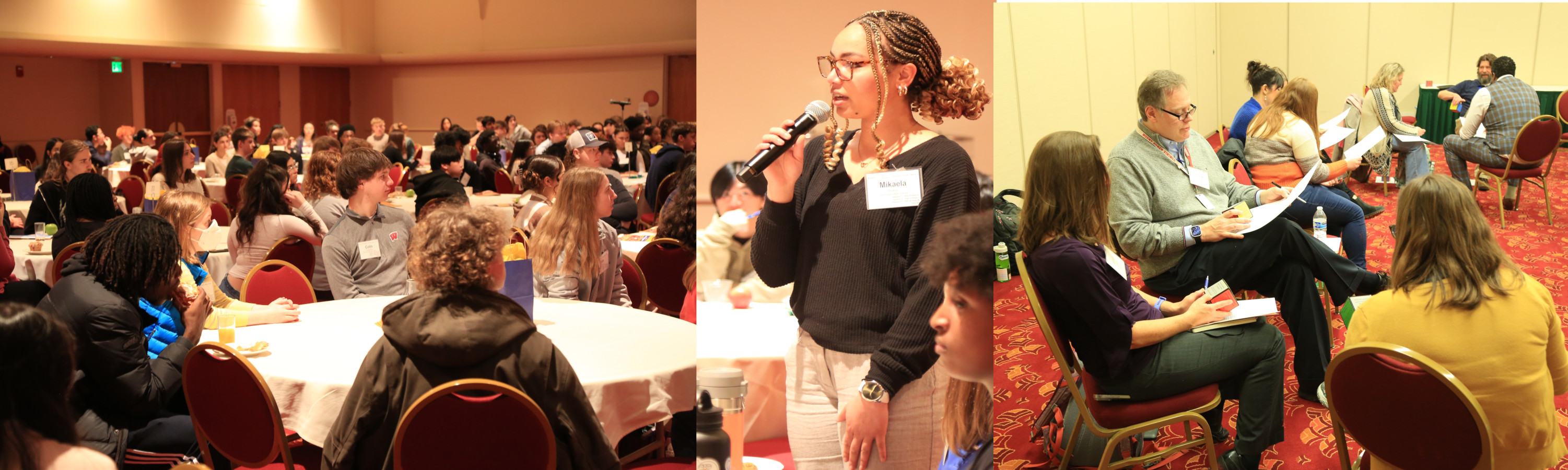
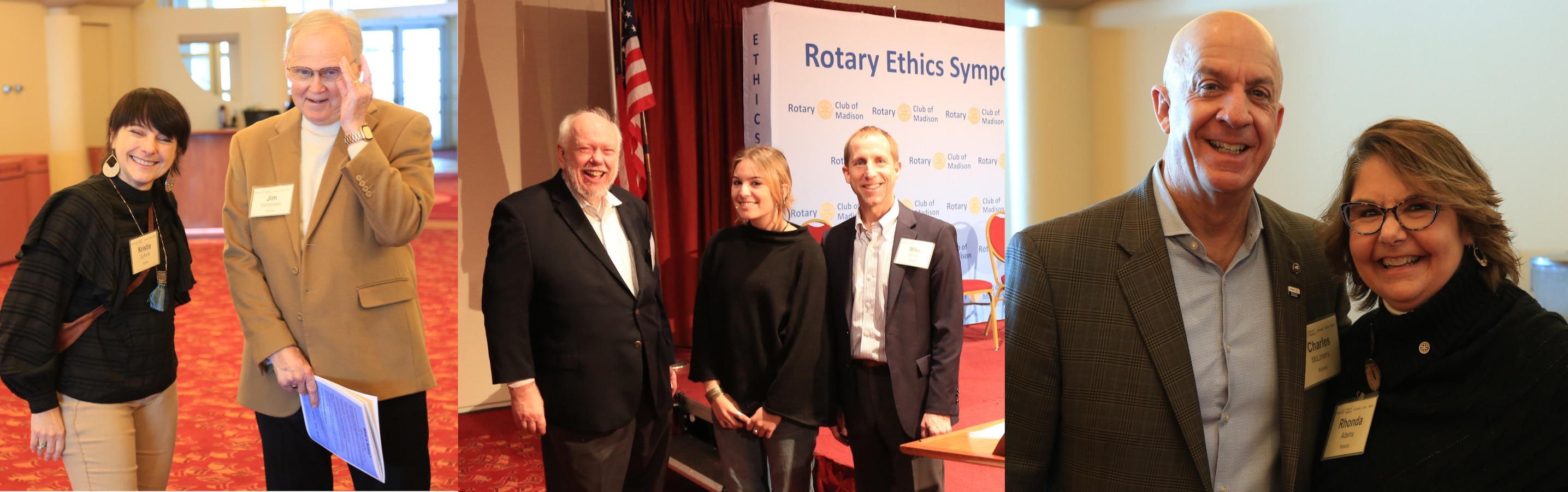
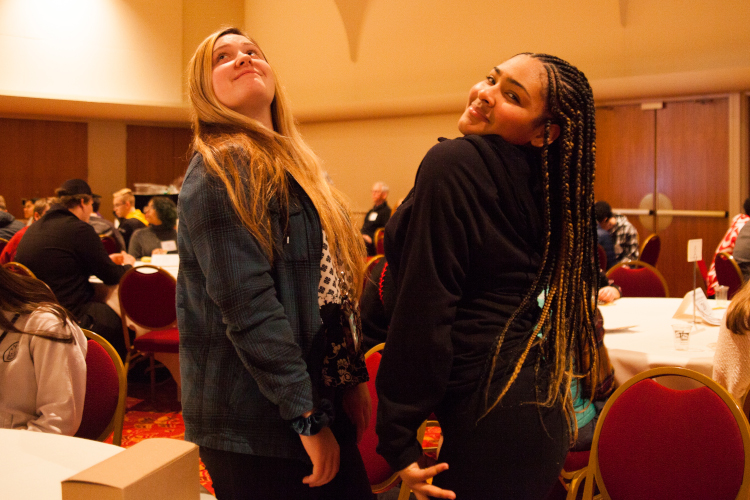
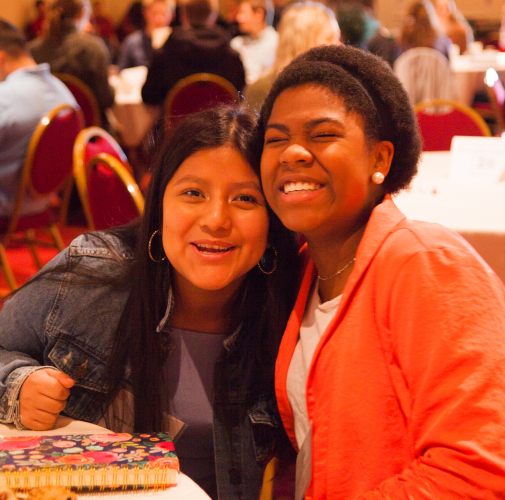
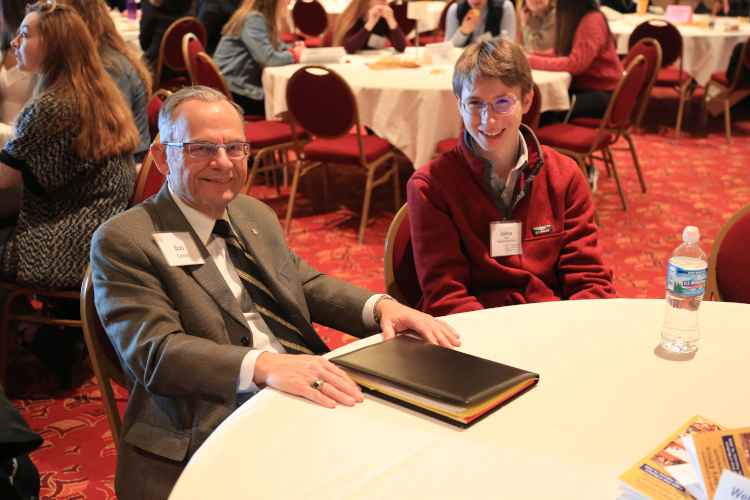
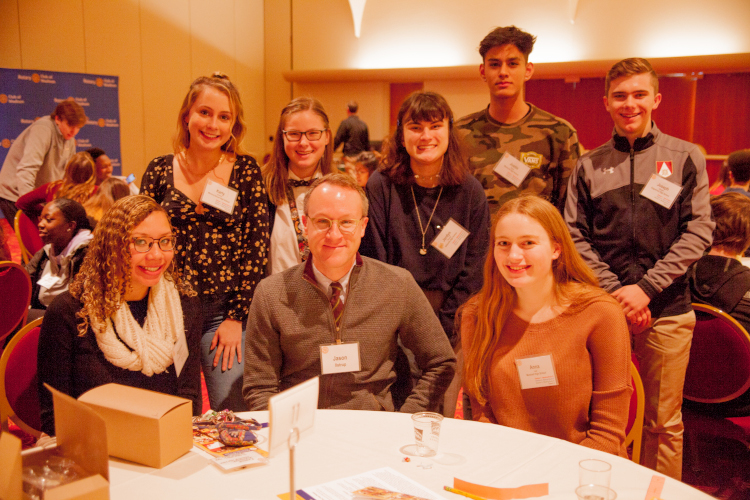
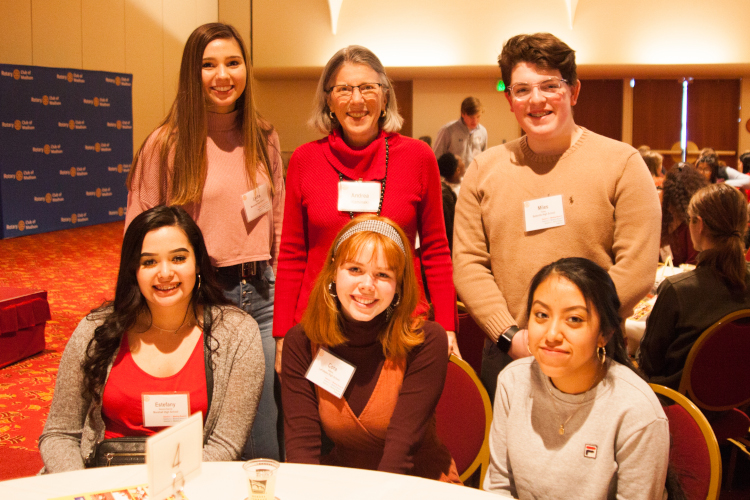
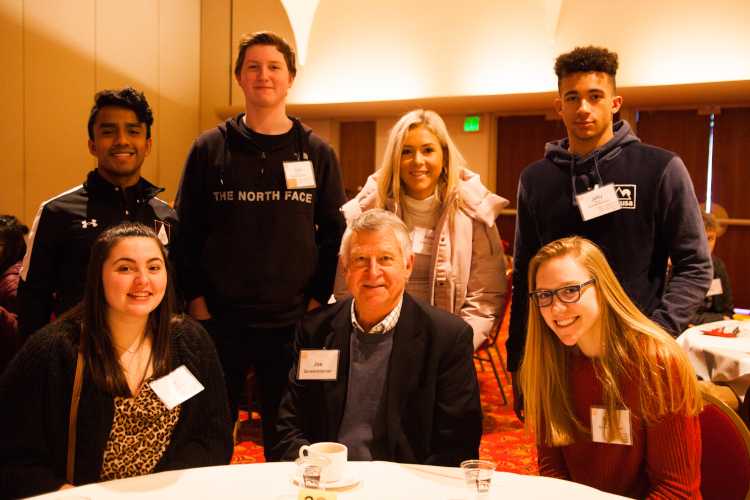
On February 9th, the 2024 Rotary Club of Madison Ethics Symposium brought together 160 high school juniors from 19 Dane County high schools at Monona Terrace, accompanied by 62 dedicated Rotary volunteers.   

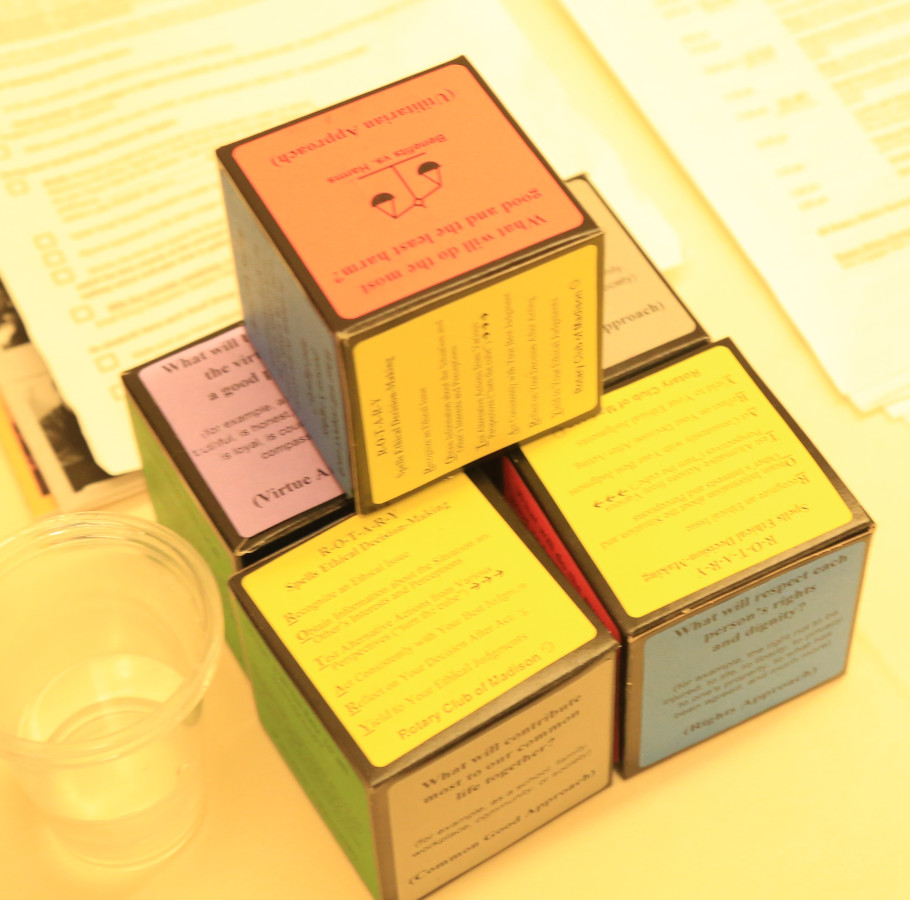
The symposium centered around the “R-O-T-A-R-Y Framework for Ethical Decision-Making,” aimed to equip these young minds with the tools and perspectives necessary to navigate the complexities of ethical dilemmas they may encounter in their lives.

The students were selected by invitation from their social studies teachers or through their AP Government classes. For many, being chosen to participate was an honor, marking them as emerging leaders in their communities.

The event was not just about theoretical discussions; it was a transformative experience for the students that gave them real-life experience with tough ethical dilemmas. One ethical quandary involved a high school student who confided in a fellow student that she was being bullied, and that she “couldn’t take it anymore,” but who asked her friend not to tell anyone.  Another scenario asked students to take sides in a debate over allowing non-US citizens to vote in local elections.

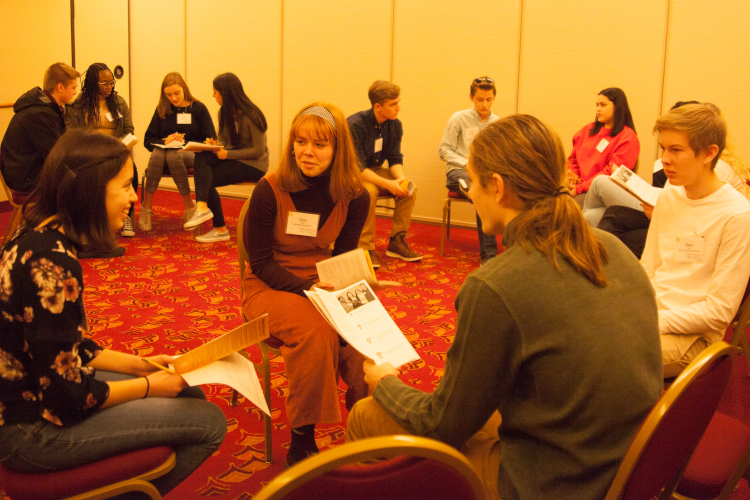
Throughout the day, students learned how to approach difficult conversations, realizing that different perspectives could emerge from the same set of facts. The small group discussions were particularly instrumental in fostering an environment where students felt safe to express themselves without fear of judgment. As one participant astutely observed, “Every decision comes with a consequence,” highlighting the importance of thoughtful consideration before acting.

Most importantly, the experience instilled confidence in these young leaders. They learned the value of empathy, critical thinking and logical reasoning in making ethical decisions. Moreover, they discovered the power of their voices and the importance of being heard in a respectful and supportive environment.

The students were hesitant and quiet as the day started. In the first breakout session, voices were barely audible, and you could hear a pin drop. As the day progressed, a transformation occurred. Students gradually found their voices and embraced the opportunity to share their thoughts and opinions. The symposium provided a platform for them to gain confidence and step into leadership roles, empowering them to effect positive change in their communities.

It was evident that the symposium had a profound impact on both students and volunteers alike. Volunteers were inspired by the passion and enthusiasm of the young participants. And the students were reminded of the importance of ethical leadership and the role they play in shaping the future.

One of the most significant takeaways from the symposium was the realization that ethical decision-making is not just about following rules; it’s about understanding the consequences of our actions and considering the perspectives of others. By providing students with a framework for ethical decision-making, the symposium equipped them with the tools they need to navigate the complexities of the modern world with integrity and compassion.

At the end of the day, participants were asked to put their newfound knowledge into action. They were challenged to share the R-O-T-A-R-Y framework with at least one other person and encouraged to invite Rotarians to lead ethics symposiums at their schools, suggesting that students lead a symposium with their high school faculty as participants.

In its 22nd year, our Rotary Ethics Symposium continues to be a beacon of ethical leadership in the community. Through its commitment to fostering dialogue, empathy, and critical thinking, the symposium empowers the next generation of leaders to create a better, more ethical world.

As the students of the 2024 symposium embark on their journey, they carry with them not only knowledge but also a sense of purpose and responsibility to make a positive difference.  And create a more ethical world.

For more photos, visit our club’s Facebook and LinkedIn Pages as well as Instagram. 

Our thanks to WMTV Channel 15 for attending our event on February 9. Here is a link to the video clip: https://www.wmtv15news.com/2024/02/09/rotary-clubs-symposium-educates-youth-ethical-decision-making/.

Charles Tubbs Receives 2021 Manfred E. Swarsensky Humanitarian Service Award

Introduced by Steve Goldberg

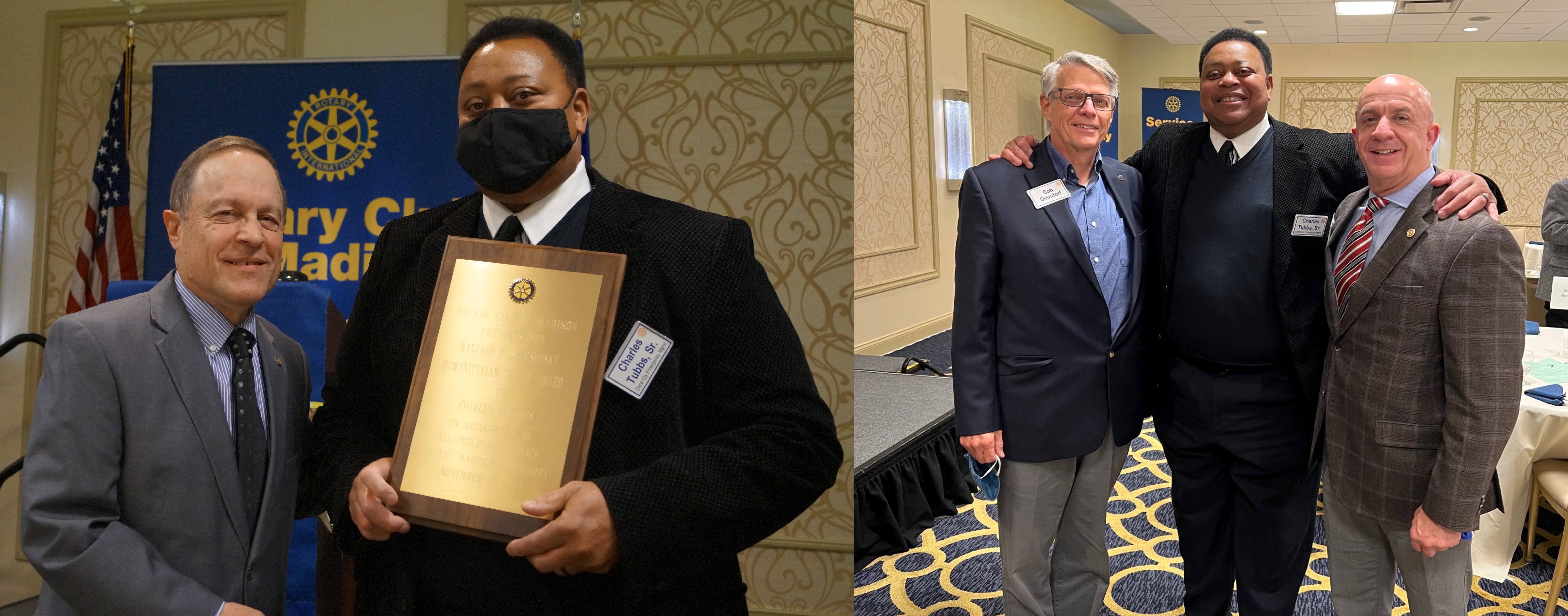
Top left: Steve Goldberg and Charles Tubbs; Top right: Bob Dinndorf, Charles Tubbs and Charles McLimans

Charles Tubbs is the Director of Dane County Emergency Management, but that’s just part of his story. Charles has been a model of humanitarian service and leadership throughout his entire career, leveraging his skills as a peace-maker, a problem solver, a healer, a mentor, an innovator and a bridge-builder way beyond his profession and across many communities. His lifelong career has been in the field of law enforcement and public safety, and he has approached all of his jobs in this field in much the same way Rabbi Swarsensky would have done.

For example, he has always insisted on treating incarcerated individuals with dignity and respect. That’s what the Rabbi would have done. He places a high priority on protecting the most vulnerable, marginalized citizens in our community and throughout the country. That’s what the Rabbi did. He uses his special talents and insight on mental health and addiction issues to lead local and national initiatives addressing those complex challenges. That’s what the Rabbi would have done.

Ten years ago, Charles placed himself at the center of the prolonged demonstration in and around the State Capitol building to provide a calming influence during a volatile, tense time — much as the Rabbi did during the Vietnam War protests in the sixties. And just like the Rabbi, he places the highest value on each person entrusted to his care. And today this man plays a key role in leading us through the pandemic.

He’s served in leadership roles with local human service organizations, including 100 Black Men of Madison, Journey Mental Health Center, Restoring Roots, Madison’s NAACP Chapter, and many others. 

His nominators wrote: “Charles is engaged in the same fierce pursuit of justice and mercy that made Rabbi Swarsensky such a remarkable gift to our Rotary Club, to the community and to the world. Indeed he lives the very qualities that led our club to establish the Swarsensky Humanitarian Service Award.”

He’s the type of humanitarian Rabbi Swarsensky would have been proud to know; proud to work with; and proud to walk with. So it is in that spirit that the Rotary Club of Madison presents the 40th annual Manfred Swarsensky Humanitarian Service Award to Charles Tubbs.   

Along with this award, a $2,500 grant is presented by the Madison Rotary Foundation to an agency of the recipient’s choice.  Charles Tubbs has chosen Restoring Roots to receive this grant.  

The Manfred E. Swarsensky Humanitarian Service Award was established in 1982 and identifies individuals who have, through their voluntary efforts, made a particularly outstanding contribution to the humanitarian service in the greater Madison community, in the tradition so well exemplified by the life of Rabbi Swarsensky.   The award-winning documentary video, “A Portrait:  Rabbi Manfred Swarsensky,” that was created and produced by Rotarian Dick Goldberg with assistance by Wisconsin Public Television, provides background on Manfred Swarsensky and can be viewed on YouTube, and the Rotary office also has a copy of the video for any member wishing to view it.

2020 Manfred E. Swarsensky Humanitarian Service Award Recipient is Fellow Rotarian Floyd Rose

Presented by Joyce Bromley – Nov. 18, 2020

Today we honor the memory of Rabbi Manfred E. Swarsensky, a beloved member of our Club until his death in 1981.  He was admired as a leader for inter-faith dialogue, religious tolerance, and civil rights.  Before coming to Madison he had a brilliant career as a Rabbi in Berlin where he was famous for his sermons, until the Nazis burned down his synagogue and sent him to a concentration camp.  Many of his family members and friends were victims of the Holocaust.  He was released.  At 39 years old and alone, he came to Madison and founded Temple Beth El.  We, as well as the Madison community, came to admire him and respect him for his dedicated leadership to peacemaking and forgiveness, for building bridges and reconciliation.  Each year we designate an award to someone who emanates the Rabbi’s ideals. 

This year’s Manfred E. Swarsensky Humanitarian Service Award recipient is Dr. Floyd Rose. For decades his active voice in education in the Madison Community has been his avocation—always working in partnerships to help others do better for themselves.  As Dawn Crim stated, “his passion work is education and his support of the next generation.”  He seeks to find solutions with the Madison Metropolitan School District and families surrounding the persistent educational achievement gap between white students and students of color. 

As President of 100 Black Men of Madison, he sees that members of this organization are role models for the community.  They attend schools in the Madison Metropolitan School District on the first day of class to welcome students and their parents to the school year.  In preparation for school, for 26 years they have led the “Annual Back to School Celebration” campaign providing free backpacks AND school supplies for students from limited-income families.  When schools transitioned to virtual education, the backpack project promptly transitioned into Project 3000, which represents the 3000 local students in families with limited incomes.

The tasks before them were immediate.  Dr. Rose recognized that virtual learning at home requires more than a student and a laptop.  The entire family needs to be supported in their student’s academic pursuits.  Parents and caregivers require resources necessary to facilitate learning.  Families need technical and guidance support   Project 3000 works with families to ensure that each student has an internet installation and access—and a plan to sustain service and utilities.  When appropriate, parents, caregivers, and students are provided with basic computer training.  This support includes mentoring, educational coaching, and tutoring.  Dr. Rose recognized that this level of attention is important to ensure that all school-age students have the necessary educational support to be successful. 

This endeavor is in addition to the SOAR partnership with 100 Black Men of Madison and the United Way of Dane County that began in 2016.  This comprehensive program is designed to decrease truancy rates and increase high school graduation rates.  It begins with one-on-one mentoring of students in middle school and continues through high school.   These projects require a substantial commitment to the benefit of others—for the next generation.

I will conclude with a quote from Bob Sorge who wrote of Dr. Rose—he is an excellent embodiment of … the social justice advocacy, personal insight, and empathy reflected by the work and life of Rabbi Swarsensky. 

Our congratulations to Dr. Floyd Rose on receiving this year’s Manfred E. Swarsensky Humanitarian Service Award.  Along with this award, a $2,500 grant is presented by the Madison Rotary Foundation to an agency of the recipient’s choice.  Dr. Rose has chosen our annual Community Grants Campaign to receive this grant.  

The Manfred E. Swarsensky Humanitarian Service Award was established in 1982 and identifies individuals who have, through their voluntary efforts, made a particularly outstanding contribution to the humanitarian service in the greater Madison community, in the tradition so well exemplified by the life of Rabbi Swarsensky.   The award-winning documentary video, “A Portrait: Rabbi Manfred Swarsensky,” that was created and produced by Rotarian Dick Goldberg with assistance by Wisconsin Public Television, provides background on Manfred Swarsensky and can be viewed on YouTube, and the Rotary office also has a copy of the video for any member wishing to view it.

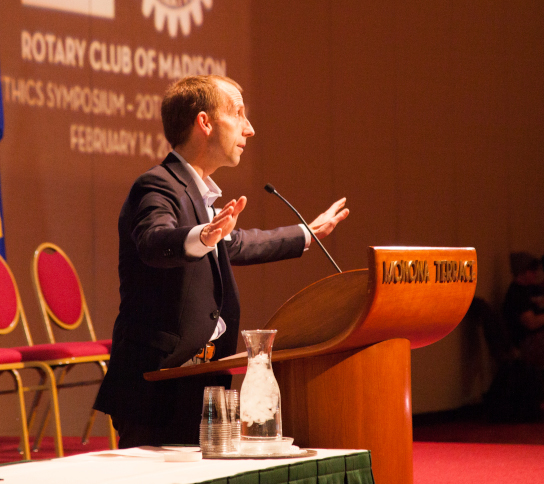
20th Annual Rotary Club of Madison Ethics Symposium – Feb 14, 2020 – Monona Terrace

submitted by Joyce Bromley; photos by Mike Engelberger & Neil Fauerbach

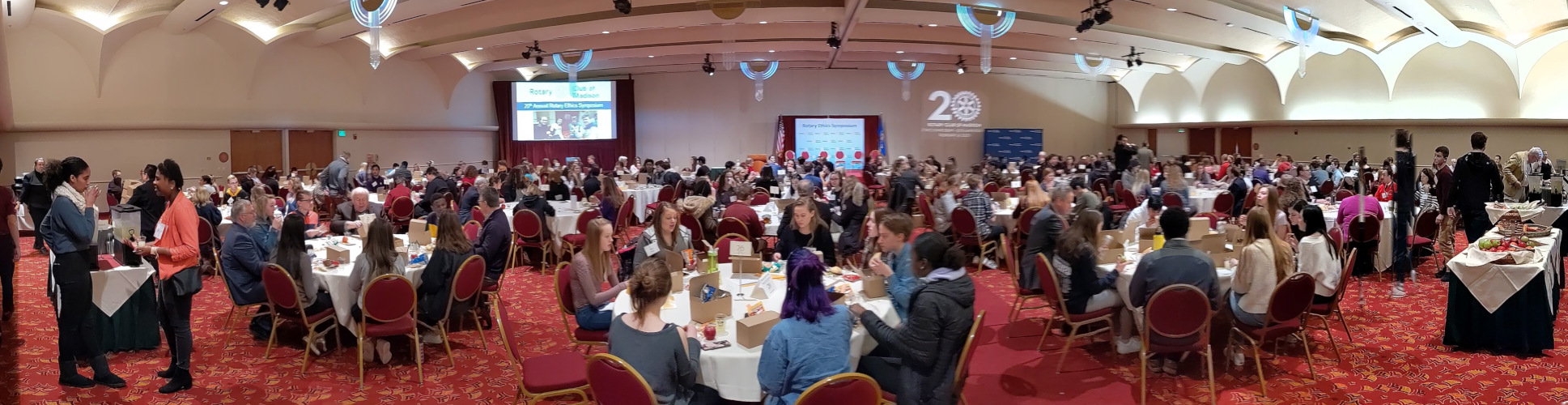
PANO_20200214_125458.vr

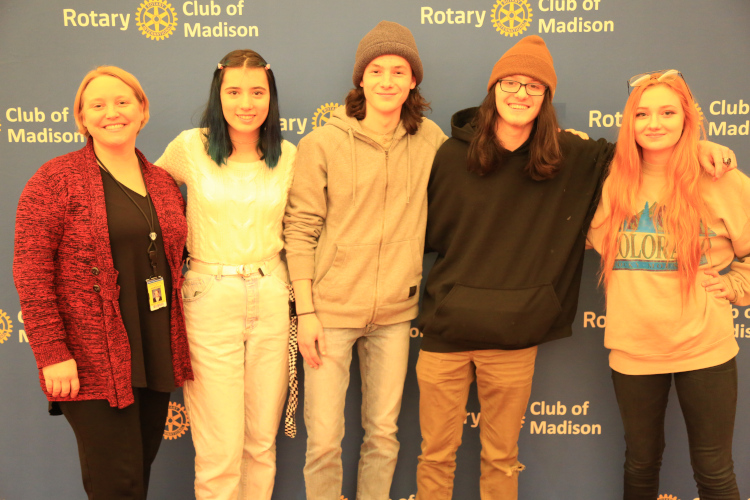
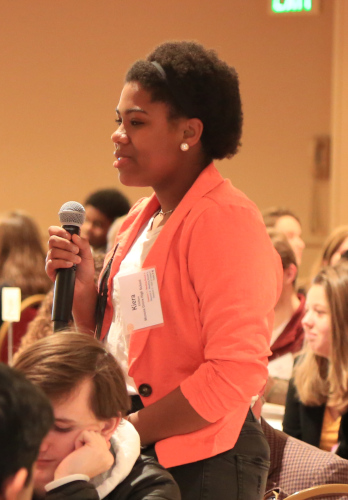
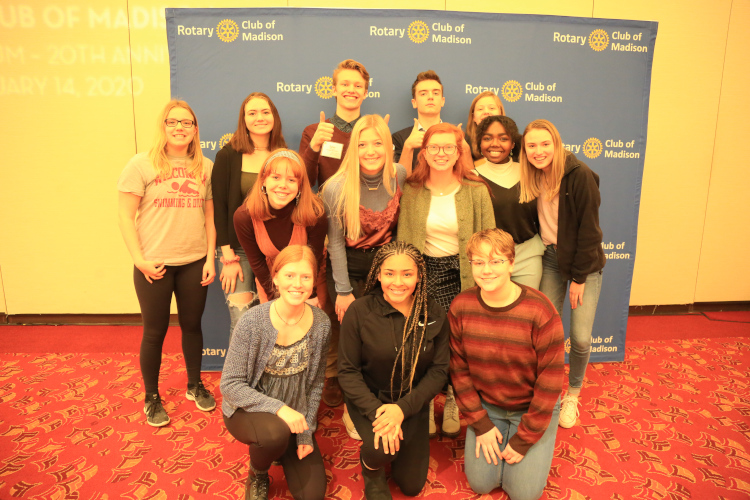
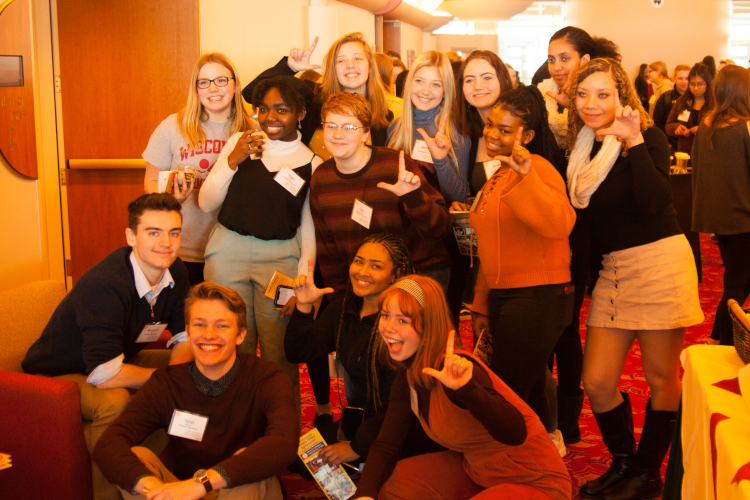
Our 20th Annual Rotary Club of Madison Ethics Symposium was held on Friday, February 14th, at Monona Terrace with over 200 juniors from 19 different high schools in Dane County in attendance.

Evidence of the success of the 2020 Rotary Ethics Symposium was clearly revealed by the comments from students at the end of the day:

  • “After discussing these ethic situations, I am ready to take on the world, and I want to be a partner with Rotary’s advocacy.”
  • “Thank you for taking me outside my comfort zone and teaching me to appreciate discussing ethical dilemmas. I gained new skills that will be helpful to me.”
  • “The thoughtful discussion allowed me to better take in other’s ideas.” “I appreciated having a discussion with people from different backgrounds who brought different perspectives.”
  • “As the next generation to be leaders, do not underestimate us. We shared ideas and some are different from ours, but everyone had an opportunity to participate.  We will take the skills that we learned into the rest of our lives.”

HO7A5711 HO7A5716 HO7A5828

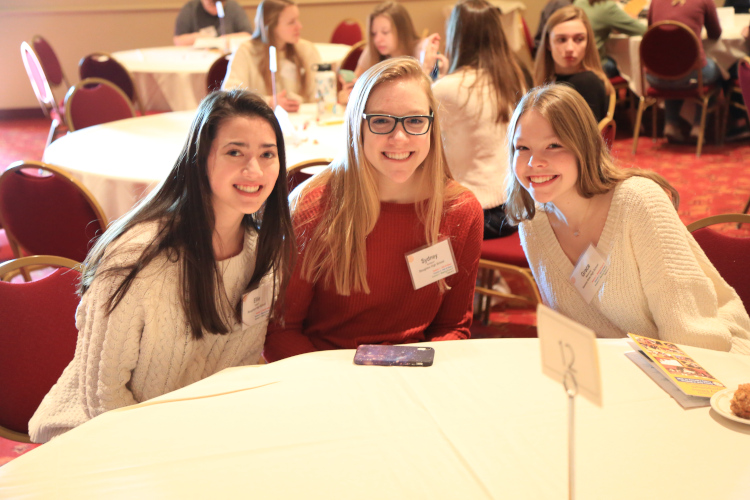
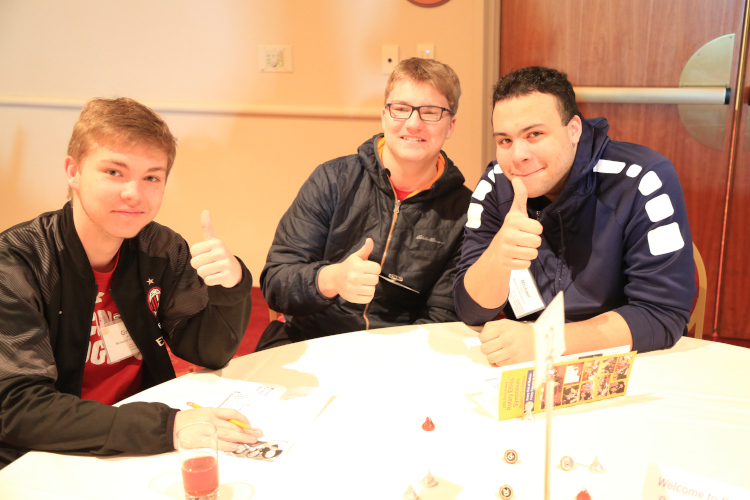
Students expressed surprise at the impact this program had on them.  They attended out of curiosity, they knew someone who attended in the past, or as one student honestly admitted—he would receive a free lunch.  This program provided skills to help them impact social changes for the betterment of the community.

RES2020-7In this 20th anniversary of our Rotary Ethics Symposium, we continue to provide a valuable format for preparing students to take on challenging ethical issues.  The day began with a session for all students, school representatives, and Rotary members.  Mike Gotzler, Chair of the 2020 Rotary Ethics Symposium, welcomed everyone and gave an overview of the wide range of contributions Rotary and Rotarians make to their communities and to the world.

The Edgewood College Theatre group warmed up the audience by playing out various scenes and scenarios of ethical dilemmas that students could encounter.  Instead of resolving the dilemma on stage, the actors asked students in the audience to identify the dilemma and asked what issues should be considered in order to resolve the problem (e.g. a student not fulfilling her part of a group project, a friend stereo-typing a Hispanic student) and the audience responded.

RES2020-19  RES2020-16  RES2020-20

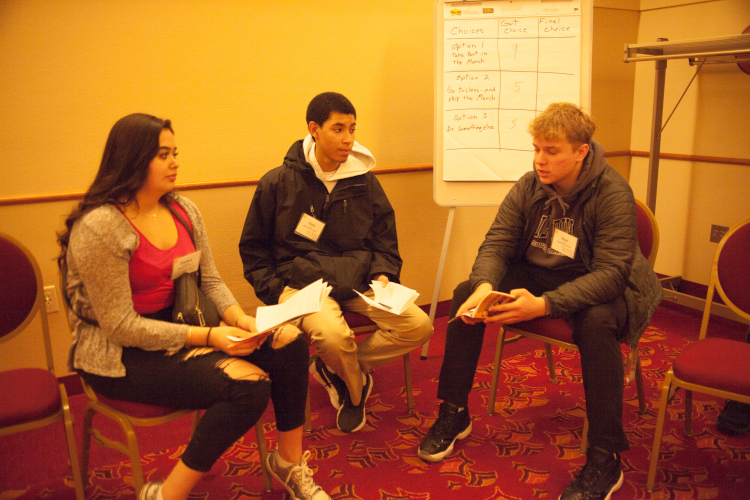
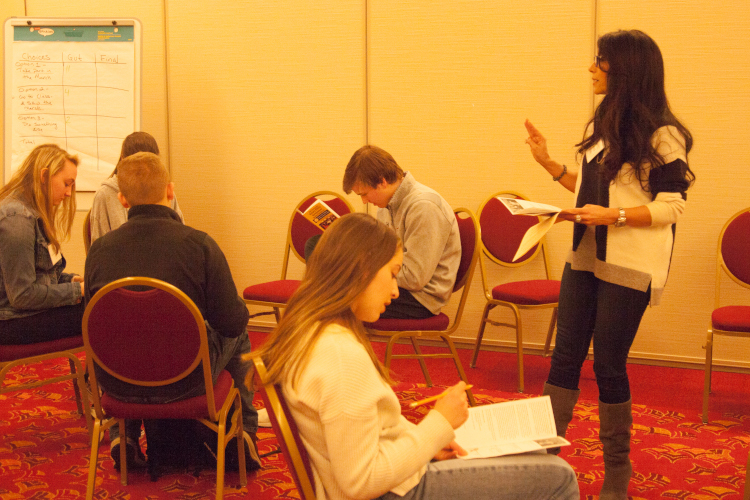
Next, the scattering of 200 students into 11 different discussion rooms began.  The Rotary Ethics committee assigned students to assure a broad representation to enrich each discussion.  In each discussion room were students who represented urban and rural schools, various ethnic groups, various races, and various nationalities.  The facilitators developed them as a group.  The first principle was to establish the ground rules that began and ended with “Treat every person in the room with complete and unconditional respect.”

HO7A5838  HO7A5799 HO7A5834

They were taught the R-O-T-A-R-Y Framework at which they would practice through three workshops:  Recognize an ethical issue; Obtain information; Test alternative actions from various perspectives; Act consistently with one’s best judgment; Reflect, with more information be willing to adjust your thinking; Yield on ethical judgments to exemplify human beings “at our best.”

RES2020-35  RES2020-45  RES2020-1

They were then prepared to face their dilemmas, but first—before they begin using the Rotary Framework—they were asked what their gut reaction is to the dilemma.  Then they began the skills building based on the Rotary format taking into consideration more information and from different perspectives. They had the prerogative to change their minds—and they often did.

HO7A5713Rotarians working on the Ethic Symposium taskforce provided a challenging dilemma for each session that ranged from: (1) to skip school in order to participate in a march to support a friend and their cause; (2) the role of students to object to having the school purchase inexpensive sports clothes made by companies using child labor; and (3) how to react to anti-Semitism.

The day was a success because of the leadership provided by Mike Gotzler, Chair of the 2020 Rotary Ethics Symposium.  Over several months, he met regularly with his committee to fine-tune the arrangements.  They worked diligently to broaden the demographics in each session to provide the broadest experiences for students.  He put together a taskforce of Rotarians who developed compelling ethical dilemmas for the students to consider.  He chose outstanding trainers—Jason Ilstrup, Sandy Morales, Dave Scher—to prepare facilitators and breakout room hosts for their roles.  By February 14th, we were ready and altogether over 50 Rotarians volunteered.

RES2020-47  RES2020-46  RES2020-48

Thanks to all for making our 20th annual Rotary Ethics Symposium a huge success.

Visit our club’s Facebook page for more photos.


19th Annual Ethics Symposium Held on February 15 at Monona Terrace

submitted by Joyce Bromley

Ethics 1  Ethics 2

On this very day (February 15th), 2418 years after the city of Athens sentenced Socrates to death for corrupting the minds of youth and for impiety (399 BC), Rotary had the audacity to hold its 19th annual Ethics Symposium in the City of Madison.  President Jason Beren gave a heartwarming welcome and an overview of the many ways Rotary contributes to the betterment of the world.  He invited students to become a part of Rotary beginning with Interact.

Nearly 200 students representing 11th graders from 19 area high schools met at the Monona Terrace to learn how to think about issues beyond their own welfare—and how to act ethically.  Students were assigned to various groups throughout the Symposium.  This scramble allowed them to have discussions with students from various backgrounds.  Students represented large urban schools and smaller schools, some from rural areas; students whose families are first generation immigrants, or are themselves immigrants; privileged and underprivileged; well-represented in society and others who feel under-represented; and students from different racial and ethnic backgrounds.

We are faced with dilemmas every day.  Some dilemmas are large, some are small; some are personal, some involve a community; some require an immediate response and some take time to resolve.  Many are gut-wrenching and can either strengthen a relationship or destroy it.  Some keep you in a group, others make you an outsider.  Often dilemmas do not have a right or wrong answer.  Ethics training provides a framework to analyze how to arrive at a socially beneficial action.

Our own Rotarian, Anthony Gray, CEO of the Institute for Global Ethics, led the call and over 50 volunteers carried the Rotary virtual “banner.”  Among the Rotarians were seasoned ethicists who had worked with the Symposium for several years, and those who joined for the first time.  We were privileged to be trained in an ethical approach prior to the Symposium.  This training provided a well-organized process for the day and helped us utilize each session—essential for each breakout group of 20 students.  You cannot fool students. They would know if we had been unprepared.  Clearly, we passed the test.

IMG_1165    Ethics 5  Ethics 4

The warm-up to ethics training began with performances by college students from the Edgewood College Theatre.  These topics introduced dilemmas related to how to make transgender students safe in locker rooms; effects of racial profiling; and a reaction to a request for a job recommendation.

Students I interviewed as they arrived in the morning had a variety of reasons for attending the Symposium.  Some were encouraged to attend, because it would look good on college applications. Others were open to a new experience–they wanted an opportunity to engage with other students beyond their own environment, as well as to learn how to reflect on leaders’ speeches. And many had altruistic reasons.  Most students expressed an interest in caring about people and wanting to find ways to work together to find better solutions to life’s uncertainties.  One expression was powerful: “This is now “our” world, and we need to know how to define it better.”

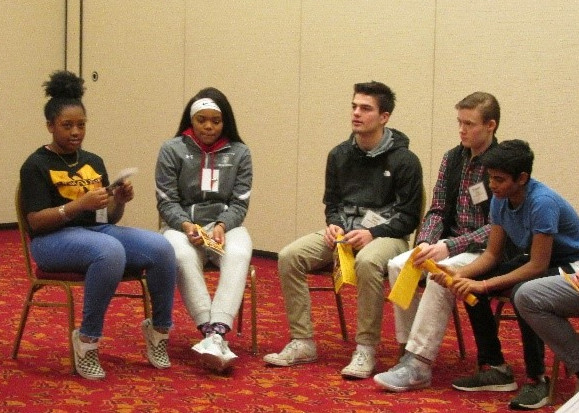
IMG_1169  Ethics 3  IMG_1164

Using the Rotary framework these students were presented with dilemmas, and they practiced how to conduct themselves by using standard behavior toward others.  Initially, they were asked to report their “gut reaction.”  Then they began to use the “ethics skills set” in the framework for analysis.  In the end they reported their “final decision.”

  • Recognize an ethical issue—a dilemma cannot be solved until it can be identified.
  • Obtain information about the situation—get facts and collect data.
  • Test alternative actions from various perspectives in 4 stages:  Stage 1: What action benefits me most? (Egoism); Stage 2: What actions do my friends or group members think I should do? (Social Group Relativism); Stage 3: What action would produce the greatest amount of good & the least amount of harm? (Utilitarian); and Stage 4: What action best respects the rights and dignity of each person? (Rights—What will be fair to all concerned?)
  • Act consistently using your best judgment with the data/facts available.
  • Reflect on your decision. Be willing to adjust a decision as you obtain more data/facts and reactions of others.
  • Yield on your ethical judgments, these will govern your conduct and become your character.

The dilemmas presented in the Symposium were issues from actual school board records.  They included cheating, racial disparity, and violence in schools.

This generation of students has lived with principles of “duck and cover;” that is, how to conduct themselves when an “intruder” is in or near their school and their school is in “lock-down.”  This is evasive language which really means, if someone exhibits threatening (even life threatening—e.g. an armed person) behavior, drills are used to teach students and teachers what they each can do for protection.

The final dilemma of the day concerned a proposal to have teachers with a concealed carry license and annual additional mandatory training with local police to voluntarily carry guns to school.  Would this make schools safer or give students the perception of being safer?  In this exercise, each student was to put herself/himself in the role of a student representative on the school board and represent the student body.  After the discussion that included arguments for and against the proposal, the representative had to vote.  In the session that I attended, of the 18 students, the “student body” voted 17:1 to reject the proposal and maintain the current “no firearms” policy.  The trauma these students expressed, and continue to feel, about the gunfire they experienced has defined their high school education.  Eventually, the student who would initially vote to allow teachers to carry guns under these circumstances was willing to consider other safety measures that could be put in place instead of guns.  The value of this exercise, and all of the others throughout the Symposium, was that students felt safe in expressing their shift in thinking.  Many students shifted from their “gut-reaction” when they reported their final decision.

Teachers recognize that much of their own learning comes from their students.  This was certainly true at the Ethics Symposium.  By the end of the Symposium, students were asked their reaction.  Their experiences were wider than “this will be good on my college application” (which it undoubtedly would be) to the benefit of having their views validated.  They appreciated that the Symposium was not a lecture course, where they were told how they were to do something. They struggled with topics and had to engage in dynamic groups, sometimes with others from very different life experiences.  They appreciated the respect they received from offering different perspectives.

Some may accuse Rotary of impiety because these students were not entirely satisfied with the status quo.  If teaching these students how to think rather than what to think is corrupting the minds of youth—then we would certainly be guilty.  We came away with the satisfaction that these students feel they have obtained tools to help them practice ethical behavior.  Dan Mahoney, Counselor at Memorial High School, and a staunch supporter of the Rotary Interact Program, said that over the years, he has witnessed the value of the Ethics Symposium.  For students who attend, it has been life-changing (and for the good).