
Category Archives: Rotary Club of Madison

Every Veteran is a Story

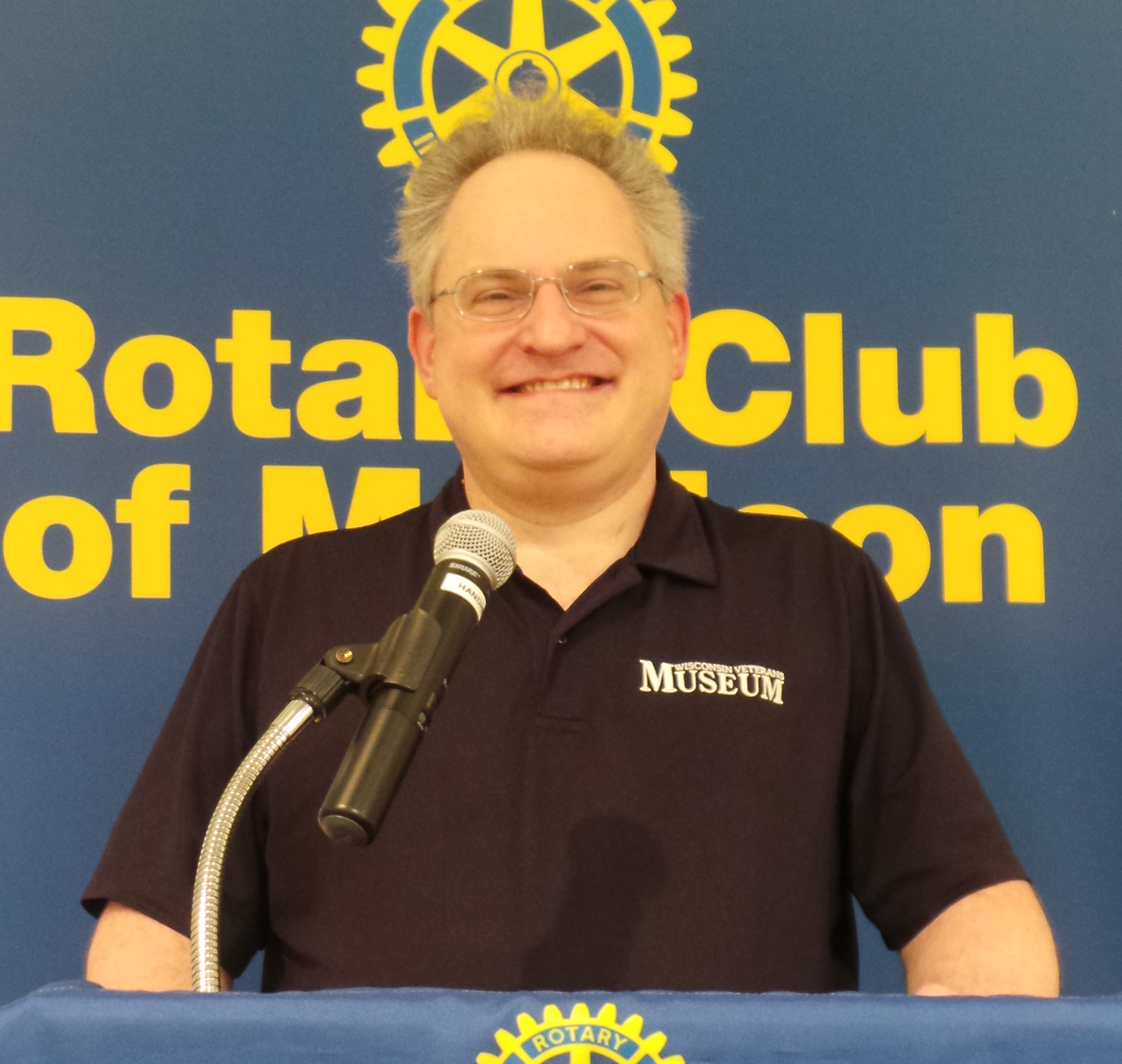
Every veteran is a story, Rotarians were told May 19 by Chris Kolakowski, Wisconsin Veterans Museum Director.  The Wisconsin Veterans Museum is an educational activity of the Wisconsin Department of Veterans Affairs.  Kolakowski’s latest book is “Last Stand on Bataan.”   

Kolakowski told how military service ripples in families beyond an individual service member. Their research finds many children emulating their parent’s example over the past century. Sometimes this legacy of service extends into grandchildren and great-grandchildren. Just as some families run a commercial enterprise over generations, for others the “family business” is the U.S. military. 

Chris overviewed some facts about the museum:  There are over 26,000 artifacts in the collection; there are over 2,000 cubic feet of archives; there are over 2,600 interviews in the oral history collection; and they have over 150,000 photographs.  Many members may not be aware of so many events having a Wisconsin connection, so Chris encourages members to visit the museum to view these collections.  The museum typically has over 90,000 visitors each year.

The museum has been holding events virtually and in-person including Curators Conversations twice a month, movie night, and they also hold events for Memorial Day and Veterans Day.

Here is a link to the museum’s website stories:    https://wisvetsmuseum.pastperfectonline.com/search?utf8=%E2%9C%93&search_criteria=family&searchButton=Search  

Our thanks to Chris Kolakowski for his presentation this week and to Valerie Renk for preparing this review article. If you missed our meeting this week, you can watch it here:  https://youtu.be/XjWRO5oYllk.
Cannabis Legalization: Should Wisconsin Do So?

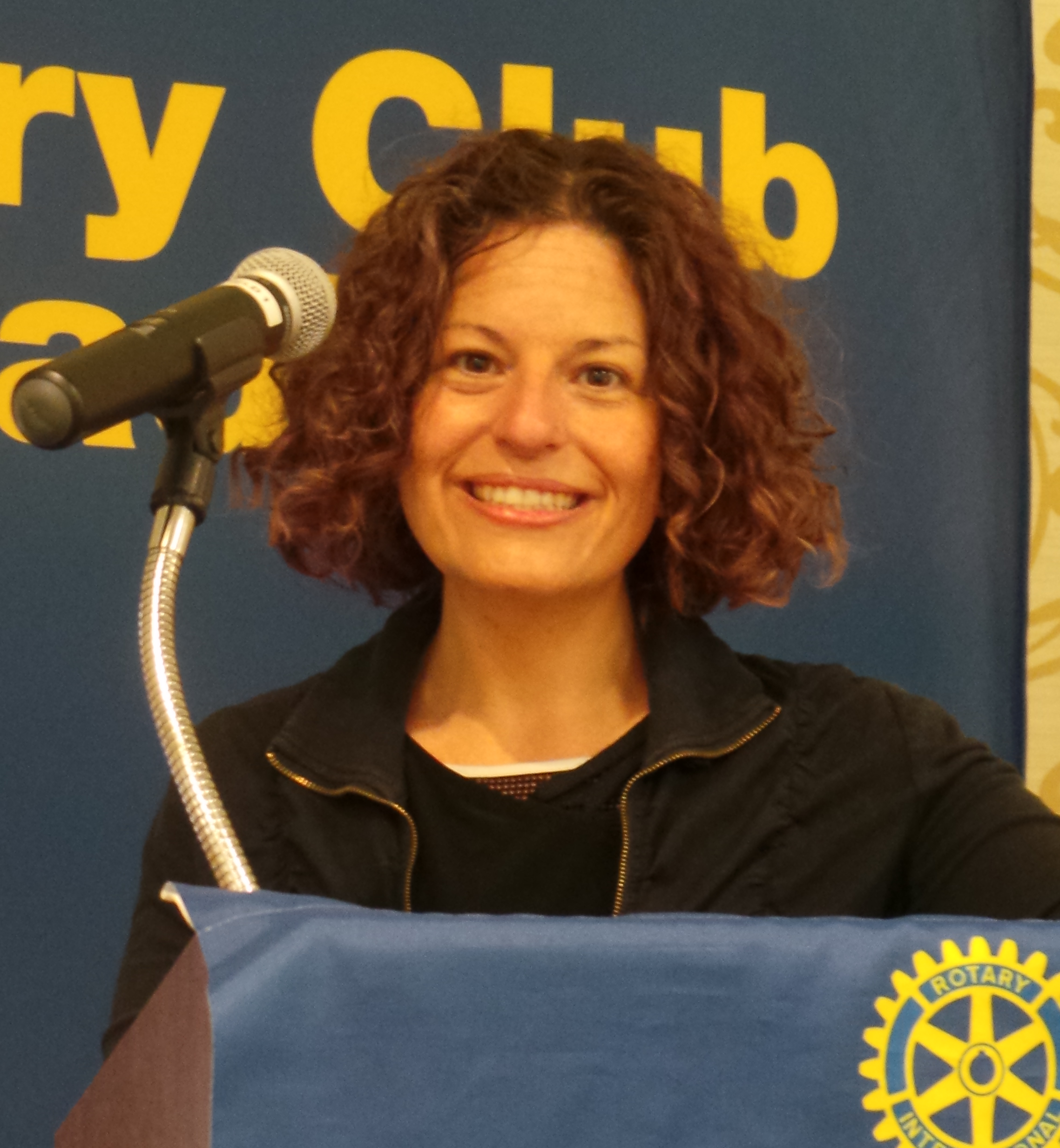
Angela Janis 5 12 2021Dr. Angela Janis discussed the basics of medical cannabis at the May 12 Rotary meeting. Janis is a Psychiatrist at Mendota Mental Health Institute.
THC, the most active ingredient in cannabis, gets you high, but it also decreases pain, nausea, and helps you sleep. CBD doesn’t get you high, is not addictive, but probably decreases inflammation, anxiety and pain. CBD may counter the effect of THC.

Cannabis forms include flowers, edibles, concentrations such as vapes/oils, tinctures (to put under your tongue) topicals (for skin) and nasal spray. Onset of effect differs in these forms; for example effects from eating is slower than topicals.

Wisconsin is behind in legalizing cannabis; we are surrounded by states who have, led by California in 1996 (with medical use). Thirty-five states have fully legalized; many more allow medical marijuana. Several have decriminalized.

“We may be one of the last states to legalize” Janis said. “Nationally, we are behind on medical research; it’s the only drug where the national institute on drug abuse has to supply the material.” Janis said the institute gives research cannabis only to a small number of studies; 96% of studies receiving material are looking for harms.

“Their mission is about abuse, which may direct their research interest,” she said.

Most people use medical cannabis for pain, muscle spasms, nausea (especially for cancer), seizures, PTSD and end of life care. Since PTSD doesn’t have a proven treatment, anecdotal support for cannabis is accepted; there is good data for the other issues.

Janis reported cannabis does not take away pain like an opioid, but it has a much higher safety rate.

She added, “Don’t listen to someone who says, “Nobody is addicted to cannabis,” but the risk is much lower, similar to caffeine and lower than tobacco.” As with all drugs, the younger you begin using the drug, dependence is higher. Youth use is the biggest risk. Treatment includes behavioral therapy and possibly gabapentin.

When asked how legalizing cannabis would affect Wisconsin’s tavern industry, Janis reported alcohol sales dropped only slightly when cannabis was legalized in other states.

Our thanks to Dr. Angela Janis for her presentation this week and to Valerie Renk for preparing this review article. We also thank WisEye for streaming our meeting this week. If you missed our meeting this week, you can watch it here: https://youtu.be/IiibynhFL7w.

Patrick Lucey’s Lasting Legacy for Wisconsin

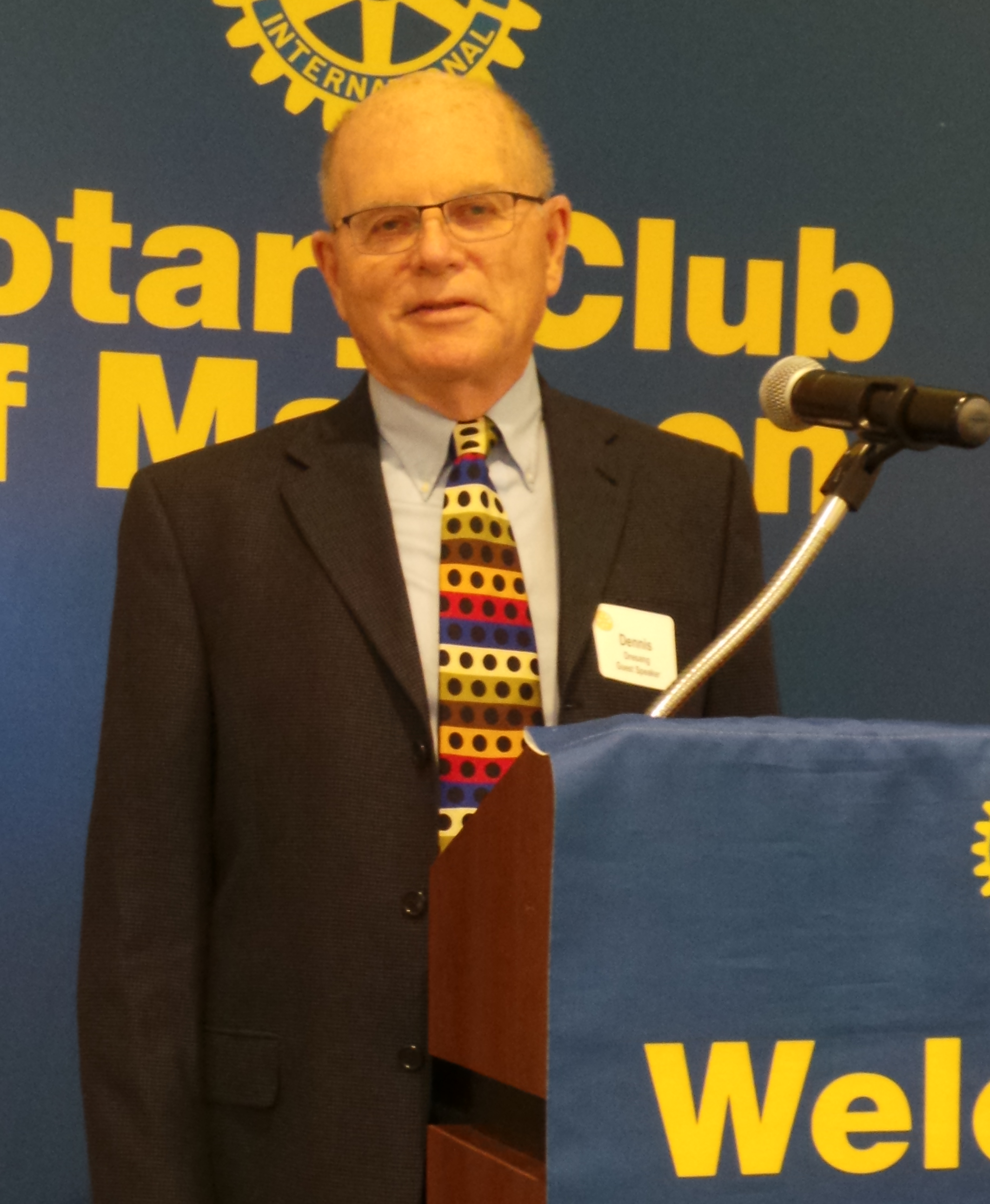
Dennis Dresang shared the legacy of former Governor Patrick Lucey May 5.

“Lucey professionalized state government from part-time citizen boards to professional civil service.  He reconceptualized taxes and spending to the system still with us. His term saw the most productive performance period, outdoing LaFollette,” Dresang said.

Growing up in rural Ferryville, shy Lucey wasn’t charismatic. He was described as analytical, professorial and demanding of staff.

Father Gregory Charles ran the family business, asking Lucy to join.  He now faced a crossroads: business or politics?  Faced with his fear of Joe McCarthy, Lucey chose politics.

In 1951, Lucey decided to marry, needing a career to support that. After turning to Jim Doyle, Sr, for advice, he became Dane County’s largest real estate dealer.  By 1969, when running for Governor, he’d embarked on $500 million Wexford Village.  

He was a progressive, with a reputation for bipartisanship, often reaching across the aisle. His first year in office, 50 years ago, his first initiatives were to create the UW System and to transform state taxing and spending systems. These were based on changes suggested by previous Governor Warren Knowles.

Local taxes at that time were rising 10% annually, because municipalities were responsible for schools and other taxes now elsewhere. Lucey was concerned about this burden on poorer communities. He created “equalization” formulas to give children the same education regardless of their community. He created a machinery and equipment tax exemption saying, “let’s tax income, not property.”  He also developed property tax levy limits. 

His ambitious agenda started as 24 items on one page; no-fault auto insurance was the only one not adopted during his term. He resigned to become Ambassador to Mexico when asked by President Carter.

His passion for social justice, opportunities for everyone to experience upward mobility, and problem solving are his legacy. 

Dresang is Professor Emeritus and founding director of La Follette School of Public Affairs.

Our thanks to Dennis Dresang for his presentation this week and to Valerie Renk for preparing this review article. Our thanks also to Mystery to Me Book Store for selling books at our club meeting as a convenience to our members. If you missed our meeting, you can visit Mystery to Me Book Store in person or click on this link to order it at their book store online:  https://www.mysterytomebooks.com/search/apachesolr_search/patrick%20lucey.  If you missed our meeting this week, you can watch it here:  https://youtu.be/wagy5bpFU7M.        

Environmental Issues in Understandable Terms

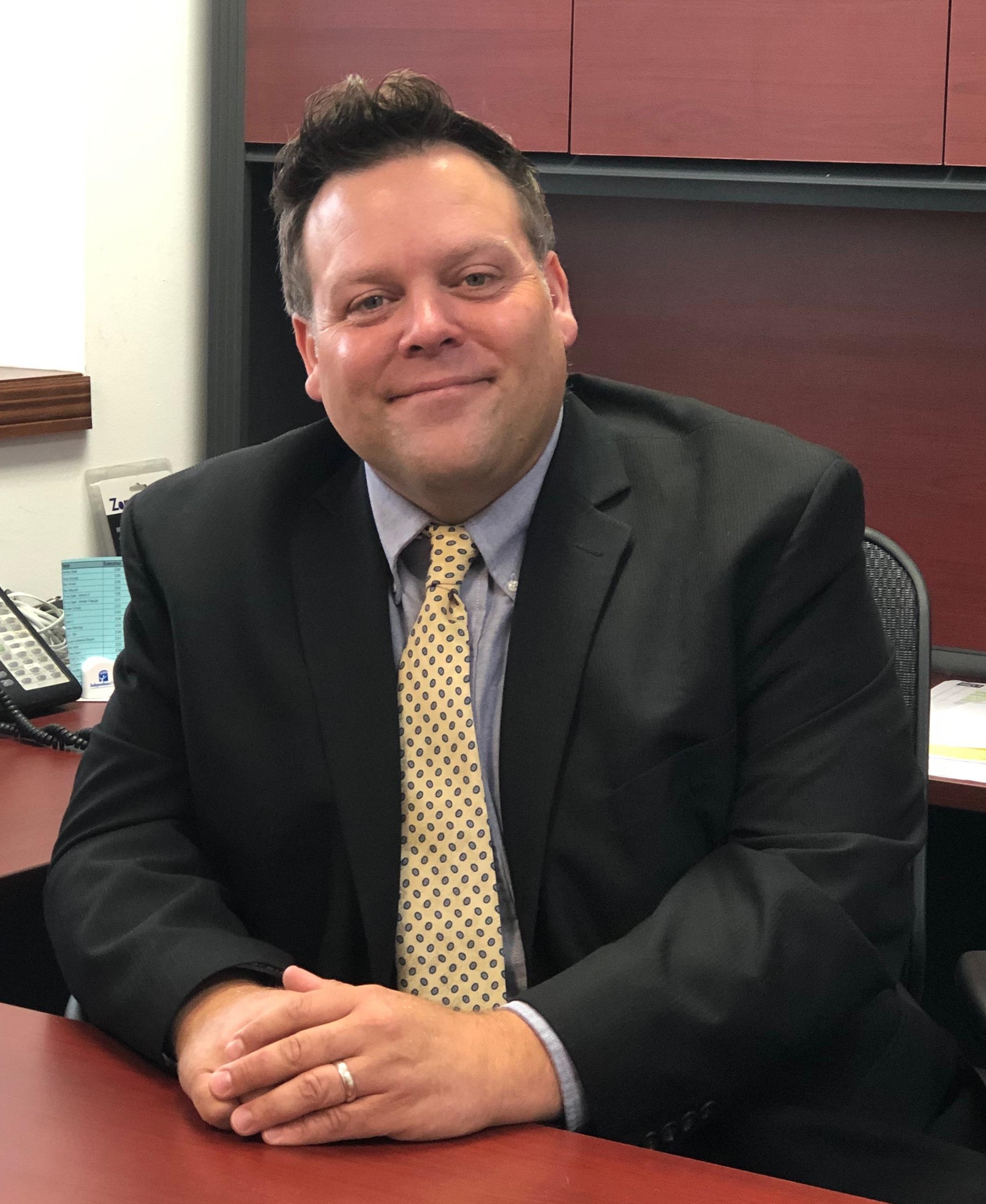
   Our guest speaker this week was Dr. Elizabeth Bagley, Director of Drawdown Learn at Project Drawdown, speaking to us on a pre-recorded video from Sitka, Alaska. Dr. Bagley received her undergraduate degree from UW-Madison as well as her Ph.D. jointly in Environment and Resources and Educational Psychology. She is clearly well suited to teach us about environmental issues in understandable terms.
   “Drawdown” refers to that point at which human-made atmospheric chemicals that support climate change and warming begin to decline. Dr. Bagley offered us a number of ways that we can arrive at this point of drawdown, beginning immediately. These solutions fall under three broad categories: Reduce the Sources of climate change; support the natural Heat Sinks that reduce these pollutants; and help Society make necessary changes. All of these solutions, she argues, are possible right now.

   Drawdown and ESRAG (an environmental group within Rotary International represented here by Paul Riehemann and Karen Kendrick-Hands) advocate planting millions of trees that will reduce carbon dioxide levels of the atmosphere. Support electricity reform such as solar and wind power. Reduce food waste and increase composting. Reduce leaks of harmful refrigerants into the atmosphere where they do their thing: trapping heat. Reform transportation by increasing the use of electric vehicles and bicycles. Heat sinks can be supported by agricultural practices, the planting of trees, and the restoration of damaged ecosystems. Society can be mobilized in the effort by reforming practices in health and education.

Dr. Bagley suggested solutions that are not pie-in-the-sky or wildly expensive, and that are actually already being done in places around the world with support from organizations like Rotary. She grew up on a sheep farm in western Wisconsin and earned undergraduate and graduate degrees from a great research university. The combination has produced an articulate, knowledgeable, and practical worker in the cause of preventing catastrophic change in our atmosphere.   Our thanks to Elizabeth Bagley for her presentation this week and to Rich Leffler for preparing this review article.  If you missed our meeting this week, you can watch it here:  https://youtu.be/zI899HBa4bI.  

Accessibility for Everyone in Downtown Madison

   The speaker at our April 7th meeting was Jason Beloungy, Executive Director of Access to Independence, which is one of eight such organizations in Wisconsin.  It serves Columbia, Dane, Dodge and Green counties.  Today he spoke of the collaboration between his organization, the Downtown Madison’s Beyond Compliance Task Force, and the City of Madison’s Disability Rights Commission.
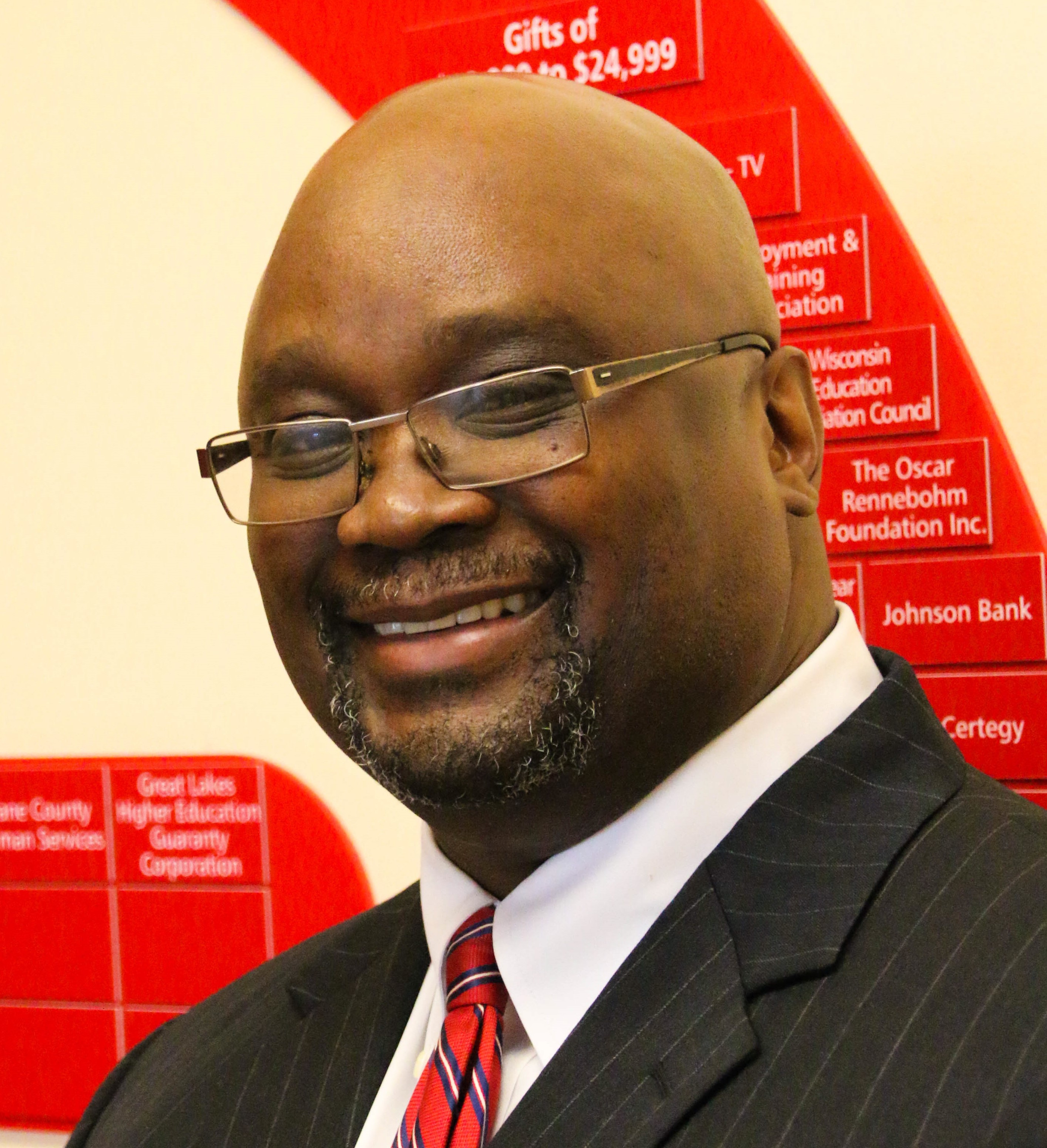
   The goal of this alliance is a fully inclusive and accessible downtown which includes entrances to buildings and within their interiors such as restrooms as well as the accessibility to outdoor events and parking opportunities.  Achievements of the last three years began with conducting a survey of persons facing barriers to accessibility that help prioritize the group’s efforts.  From this, two separate guides have been developed.

   The first was for streetory which involved entrances to buildings and the way to provide the best accesses to and within outdoor dining areas.  The second guide developed is for festivals and outdoor events.  The current project centers on “Well Built Conferences” which addresses designs and best practices for buildings.

   Jason feels that individuals and organizations can help by getting directly involved with the Disability Rights Commission; getting input from those with disabilities; hiring people with disabilities; and by promoting accessibility and inclusion.

   Our thanks to Jason Beloungy for his presentation this week and to Larry Larrabee for preparing this review article.  If you missed our meeting this week, you can watch it here:  https://youtu.be/IGFkTbDrKD8.    

Continued Transformation of the Park Street Corridor

   Ruben Anthony addressed our March 31, 2021, meeting on the subject of “Continued Transformation of the Park Street Corridor.”  He has been the President and CEO of the Urban League of Greater Madison since 2015.
   The National Urban League was founded in 1910 and now has 92 affiliates throughout the US with the Madison chapter beginning 50 years ago in 1968. It has been a champion for the poor and the unemployed as a longstanding resource for people of color that helps to rebuild their lives and give them a second chance.

   Ruben believes home ownership is the key to generational wealth, but, in Madison, only 10% of African Americans own their own home compared to 48% nationally.  He detailed how the Urban League actively works toward assisting those individuals into owning their own homes.

   The League was inspired by the Sherman Phoenix project in Milwaukee to promote and support African American small businesses in Madison.  Thus, it is working to develop the Park Street Corridor on Madison’s south side by trying to establish a Black business hub.  It has been aided by an initial $100,000 grant from Dane County followed by a $2,000,000 grant to acquire property and $400,000 in loans from American Family Insurance.

   The project is at the corner of Hughes Place and South Park Street.  Its first phase establishes core businesses, and the second phase will develop multi-family affordable housing.  It is planned to initially have 15 to 20 businesses and additional government offices with the latter on long-term leases to provide more financial stability for the project.

   We all can help this project by referring anyone we know who is looking for a business location or a place to start a new business.  Low cost capital, in-kind contributions and philanthropic support are of course very much welcomed.

   Our thanks to Ruben Anthony for his presentation this week and to Larry Larrabee for preparing this review article.  If you missed our meeting this week, you can watch it here:  https://youtu.be/O4pO-f0JeUk.