Category Archives: Rotary Club of Madison

Climbing for Hospice – Putting One Foot in Front of the Other

–submitted by Andrea Kaminski; photo credit to Loretta Himmelsbach
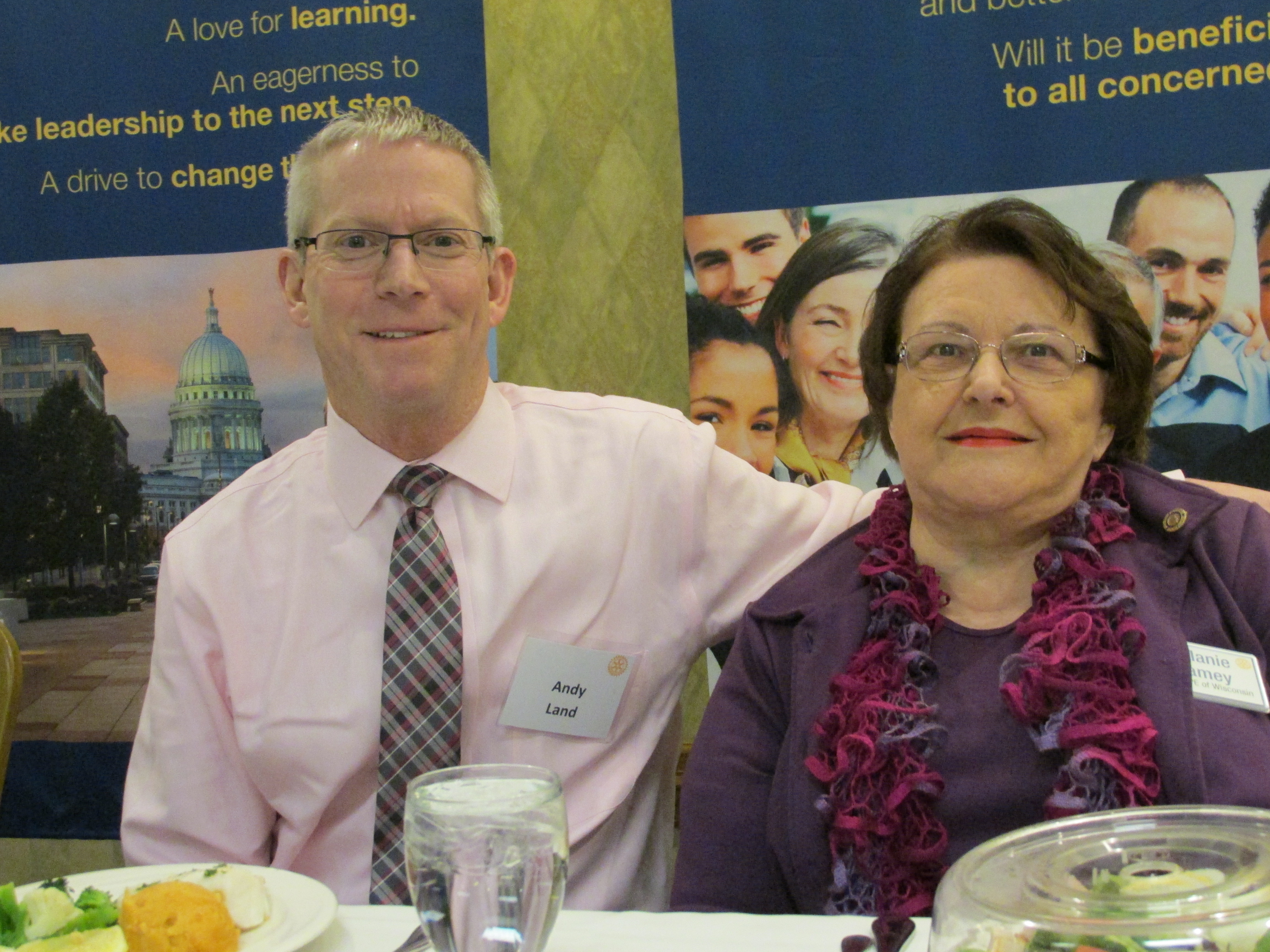
Andy Land and Melanie Ramey

Andy Land and Melanie Ramey

Mountain climbing and hospice are the passions that drive Andrew Land, Director of Hospice and Palliative Care at Agnesian HealthCare in Fond du Lac. On February 18, he treated Rotarians to stunning shots of snow-covered mountain peaks and explained how his avocation and his professional mission are interwoven.

Land began climbing mountains in 1992 with a trek up Mount Rainier. He was working at a hospital in Chicago at the time and was inspired by an article he read. He made the climb with a group and a guide, but never got near the summit. It was so windy people were being blown off their feet.

Land caught the climbing “bug” and eventually took his kids with him on his climbs. It was on Mount McKinley in 2002 that climbing and hospice came together for him. This was a difficult, month-long expedition, and sometimes he wondered why he was there. However, he thought about a hospice patient named John who was excited about Land’s climb. John had told Land to “think of me” when the going got tough. Hospice patients have to keep putting one foot in front of the other, he said, and so do mountain climbers even when they think they cannot go another step.

A few years later, while climbing Mount Aconcagua in Argentina, Land had long discussions with others in his group who had lost family members. When they learned he was “a hospice person” they talked about their experiences and asked questions. What would they have liked to say to their loved ones before they died? And how could someone die so young?

This year, Land will climb Mount Everest funded by his brother Chris, who is two years older and very ill. Chris changed his life insurance policy in order to allow his younger brother to fulfill a dream. Chris only asked Andy to “use my story to help others.”

Having served two terms as President of the Board of HOPE of Wisconsin, Andy is working with Melanie Ramey to make his climb a fundraiser for hospice. For more information, visit: CLIMBING FOR HOSPICE.

Michael Edmonds: Bold (Not to Say Crazy)

–submitted by Valerie Johnson; photo by Karl Wellensiek

Edmonds Michael

History is not only made by celebrities, it’s made by each of us and the choices we make every day.  That’s the lesson Michael Edmonds says we should take away from the 43,000 documents and images compiled by the Wisconsin Historical Society on the civil rights movement.

Edmonds brought to life the 1964 Mississippi Freedom Summer Project with some of the stories behind the people collecting these historical documents for Rotary members Feb 11.  This was the summer when volunteers arrived in the Deep South to register voters and teach nonviolence, and more than 60,000 black Mississippians risked everything to overturn a system that brutally exploited them.

Wisconsin has one of the richest civil rights collections anywhere, and the largest American history collection anywhere, according to Edwards.

Edmonds is Deputy Director of the Library–Archives at the Wisconsin Historical Society and curator of its online collection of more than 25,000 pages documenting Freedom Summer. A 1976 graduate of Harvard University, he earned an MS degree at Simmons College in 1979 and taught part-time at the University of Wisconsin–Madison.

These vivid primary sources shared by Edmonds, collected by the Wisconsin Historical Society, provided both firsthand accounts of this astounding grassroots struggle as well as a broader understanding of the civil rights movement and the work to collect them.

Edmonds closed by saying, “Remember, an archive is not a dusty old place, it’s an engine to remember our place in the world quite differently. For example, your grandmothers didn’t know they had to be so brave.”

For information on Edmond’s book Risking Everything: a Freedom Summer Reader click www.wisconsinhistory.org.  To view 43,000 pages of historical civil rights documents click: www.Wisconsinhistory.org/freedomsummer.

CALS Dean Tells Club of Today’s Impact and Tomorrow’s Challenges for Wisconsin Agriculture

–submitted by Jerry Thain; photo by Jeff Smith

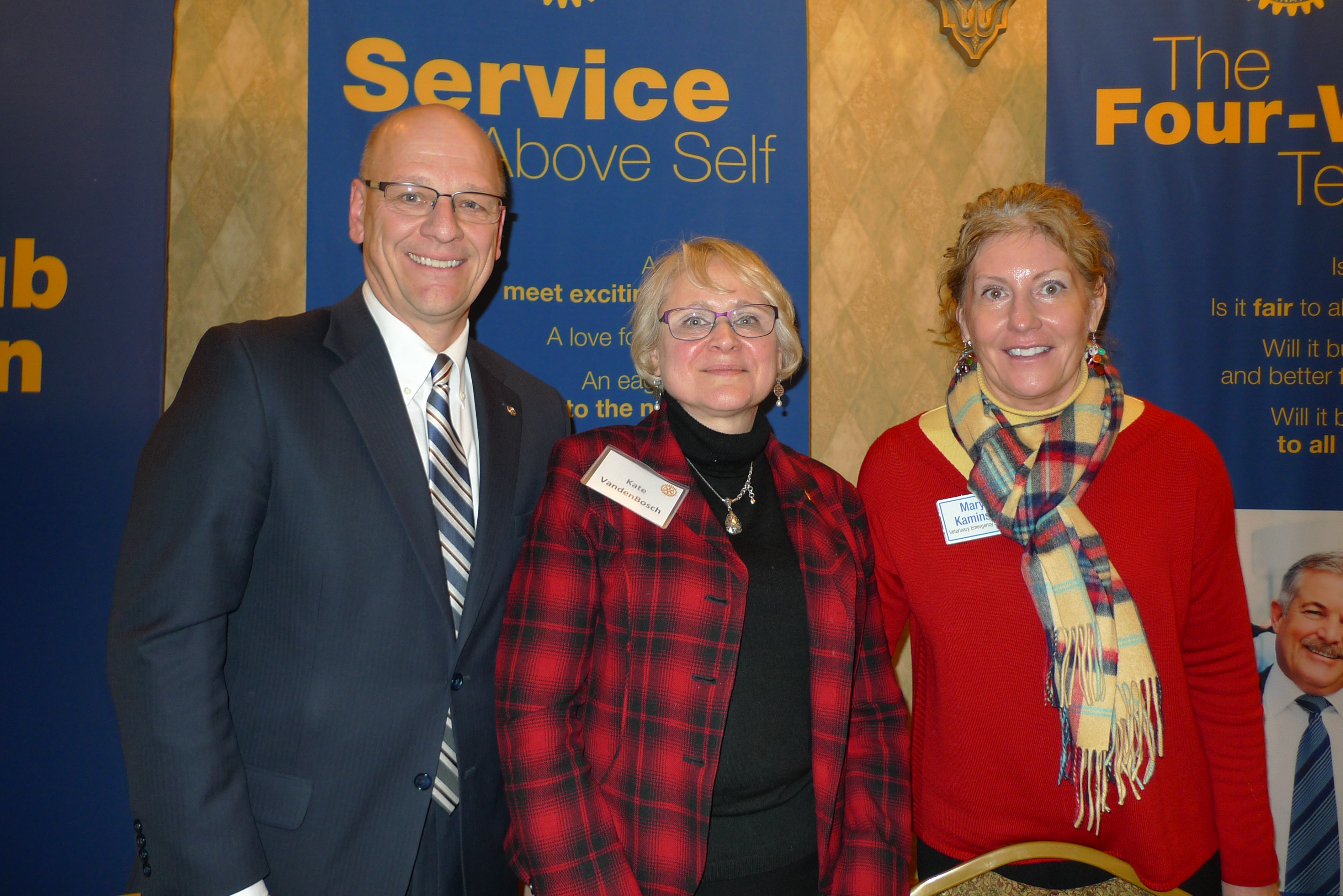
Pictured from left: Club President Tim Stadelman, Dean Kate VandenBosch and Rotarian Mary Kaminski

Pictured from left: Club President Tim Stadelman, Dean Kate VandenBosch and Rotarian Mary Kaminski

Kate VandenBosch, Dean of UW-Madison’s College of Agriculture and Life Sciences, presented a brief but far-ranging summary of Wisconsin agriculture to Club members on January 28.  She noted the efforts of Governor William Hoard to promote the dairy industry in the 1800s and the contributions of Professor Stephen Babcock who developed the butterfat test for milk in the early 20th Century.  The economic impact of agriculture in Wisconsin is huge; it composes 11% of the state’s economy, with 78,000 farms producing $88 billion in total sales. Beyond dairy products, Wisconsin agriculture is a leader in production of cranberries, potatoes, corn, snap beans and other fruits and vegetables.  Our largest agricultural export is ginseng root. Most farms in the state are family owned and operated.

As to the future, Dean VandenBosch noted the “modest goals” were to achieve greater productivity, increased nutrition, and greater variety of foods to help feed an expected world population of about 10 billion people by mid-century, while maintaining environmental stability and animal welfare.  She noted the likelihood of an increased emphasis on genetically modified crops in future years and gave examples of CALS staff and programs working toward better agriculture such as developing meats “beyond brats” to go with Wisconsin’s special artisanal cheeses and the “field to food-bank’ program that delivers surplus food to the needy.  She concluded with examples of efforts by CALS faculty and staff to improve food production and security around the globe.

The talk surely left Club members impressed with the current state of Wisconsin agriculture and the ongoing efforts to maintain and possibly improve the industry’s vitality and contributions to the state’s well-being.


Imagining to Remember

–submitted by Donna Hurd; photo by Jeff Smith

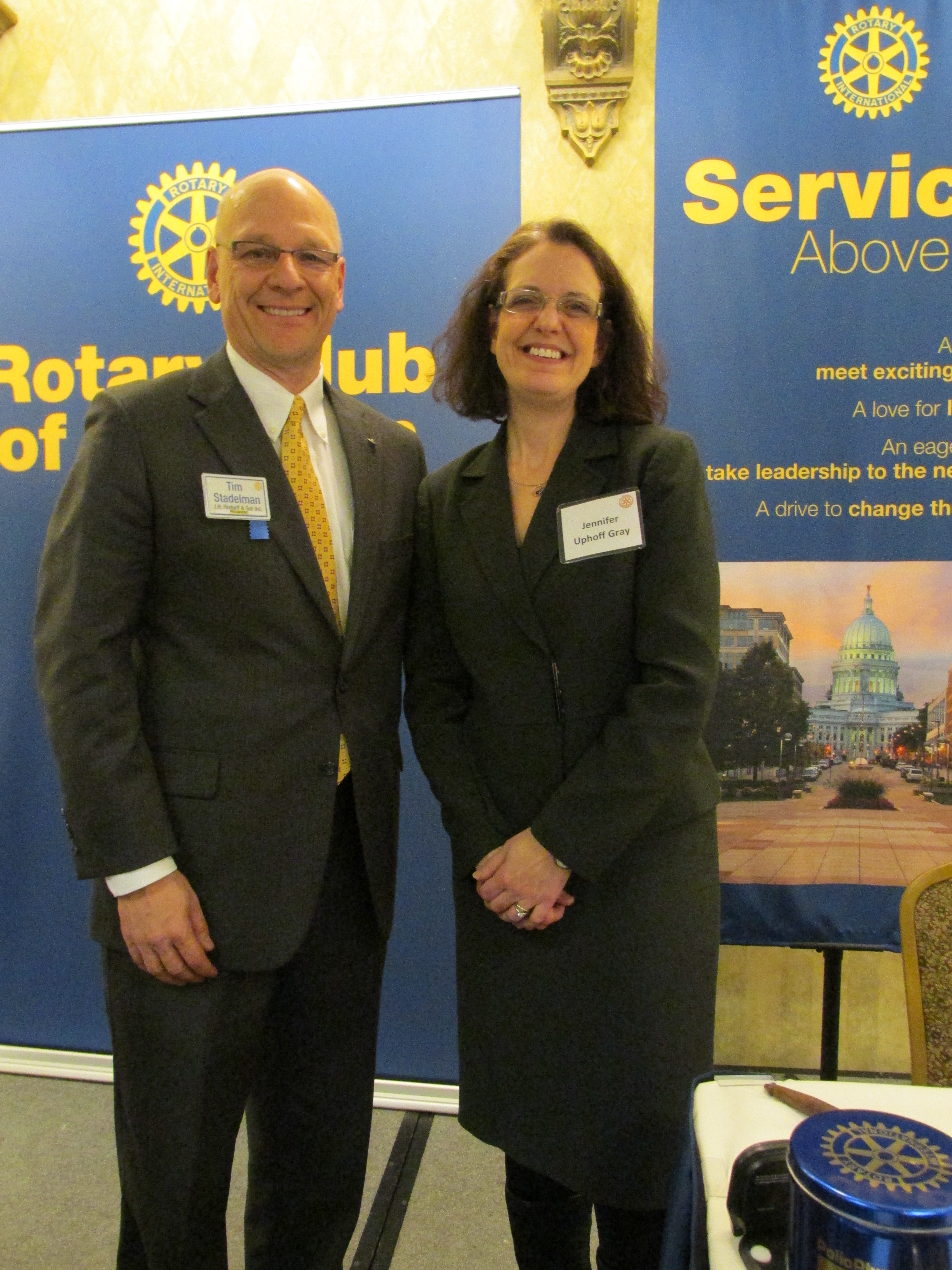
President Tim Stadelman and Jennifer Uphoff Gray

President Tim Stadelman and Jennifer Uphoff Gray

An enthusiastic, Jennifer Uphoff Gray, Artistic Director of Forward Theater Company presented a side of the artistic community that few know existed…its commitment to the community by educating, entertaining and connecting the community.  In its 5th season, the Company strives to connect the work they do as artists to the community.  Its latest endeavor tackles the subject of dementia, in general, and Alzheimer’s (the most common form of dementia) in particular.  Through its partnership with the University of Wisconsin Hospitals and Alzheimer’s & Dementia Alliance of Wisconsin, the theater is taking on an integral part in the understanding, communication and ultimately addressing alternative treatments for this debilitating disease.

Example after example was presented to highlight the profound role the Arts play in Alzheimer’s treatment.  Clinicians and researchers alike are touting the benefits realized through music, art and story-telling therapy for patients and caregivers.

The Theater’s mission of connecting the work they do as artists to the community will begin on stage January 15 – February 2 with the presentation of “The Other Place,” an off-Broadway show about a research scientist on the cusp of the development of a new dementia drug as she struggles with personal hardships. Extending social conversations beyond the stage, the company offers talk backs (post-show discussions), pre-show lectures and the “Play Club” (in-depth discussions with the theater professionals) providing theater goers an opportunity to engage in thoughtful discussion about the subject matter at hand.

The culmination of this collaboration, will take place on Sunday, February 15, 2015, at Promega Corporation, 5445 E. Cheryl Parkway in Fitchburg from 1:00pm – 4:00pm.  “Imagining to Remember”  will be an interactive program for the general public, as well as caregivers, professionals, and others who work with people living with Alzheimer’s and dementia. This interactive event features Professor Anne Basting, Director of the UW-Milwaukee Center on Age & Community and Founder of TimeSlips Creative Storytelling. TimeSlips is a method of engaging with those with memory loss using imagination and storytelling. Attendees will have the opportunity to experience specific creative engagement practices including Poetry, Visual Art, Movement and Music. A moderated Q&A panel will follow, featuring Anne Basting and other leaders of this innovative approach to connecting to those with Alzheimer’s and dementia.

We applaud the efforts of Forward Theater Company in addressing the social concerns of our community through the arts!

December 17th Holiday Party Highlights

Our thanks to photographers John Bonsett-Veal, Mike Engelberger and Stacy Nemeth.

IMG_0176

Susan Schmitz & Janet Piraino

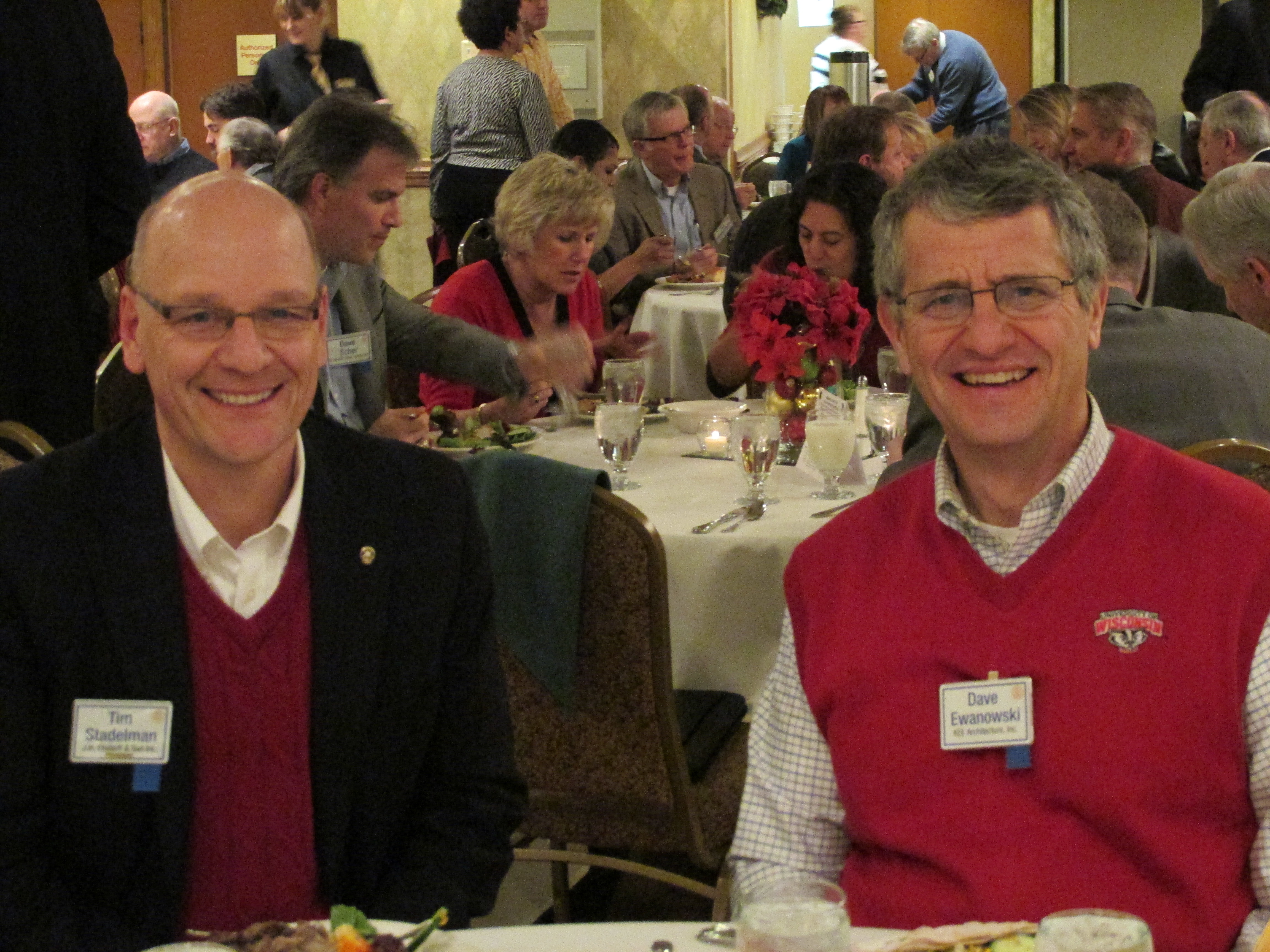
Tim Stadelman & Dave Ewanowski

Tim Stadelman & Dave Ewanowski

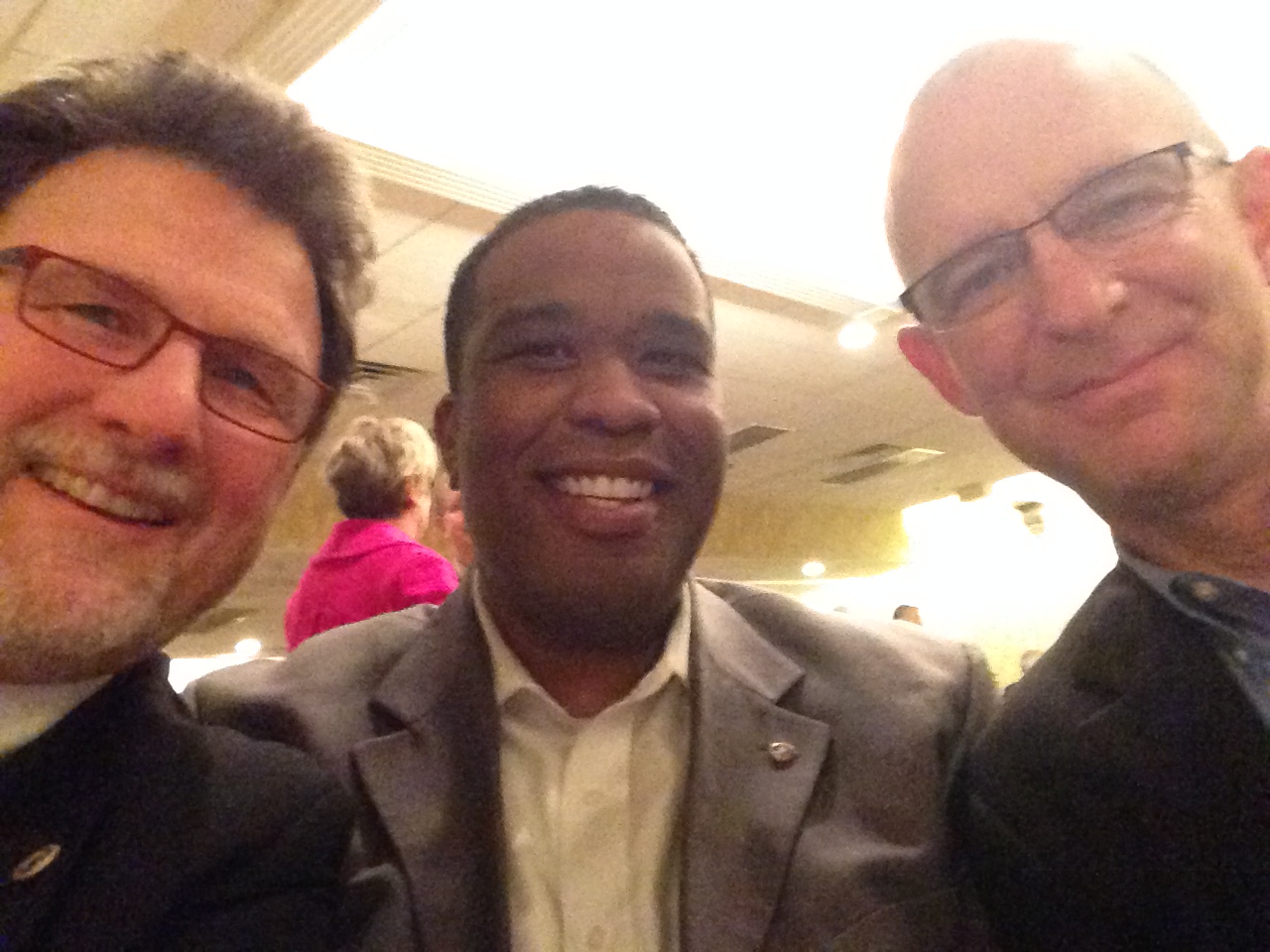
John Bonsett-Veal, Wes Sparkman & Derrick Van Mell

John Bonsett-Veal, Wes Sparkman & Derrick Van Mell

IMG_3568  photo8  photo1

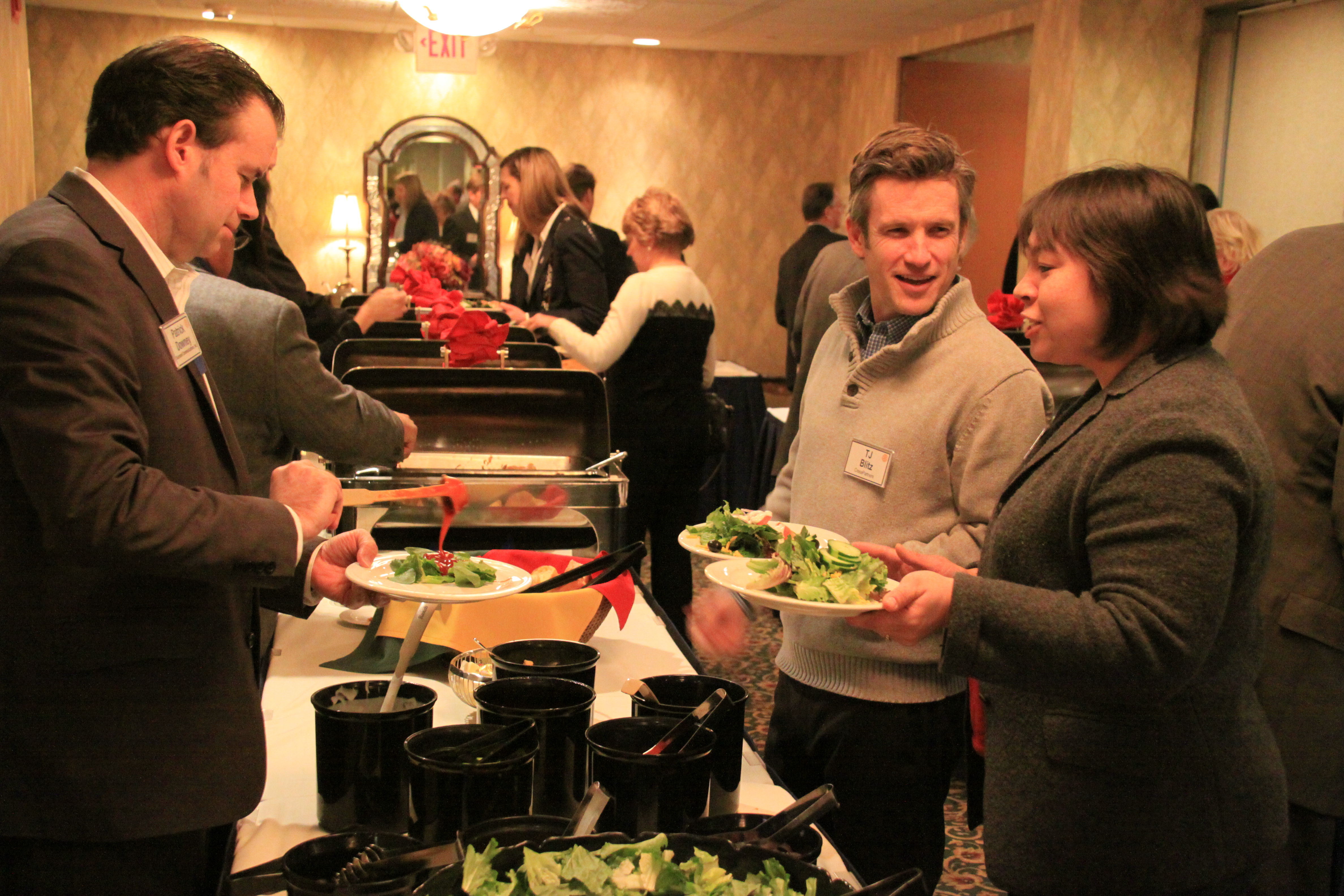
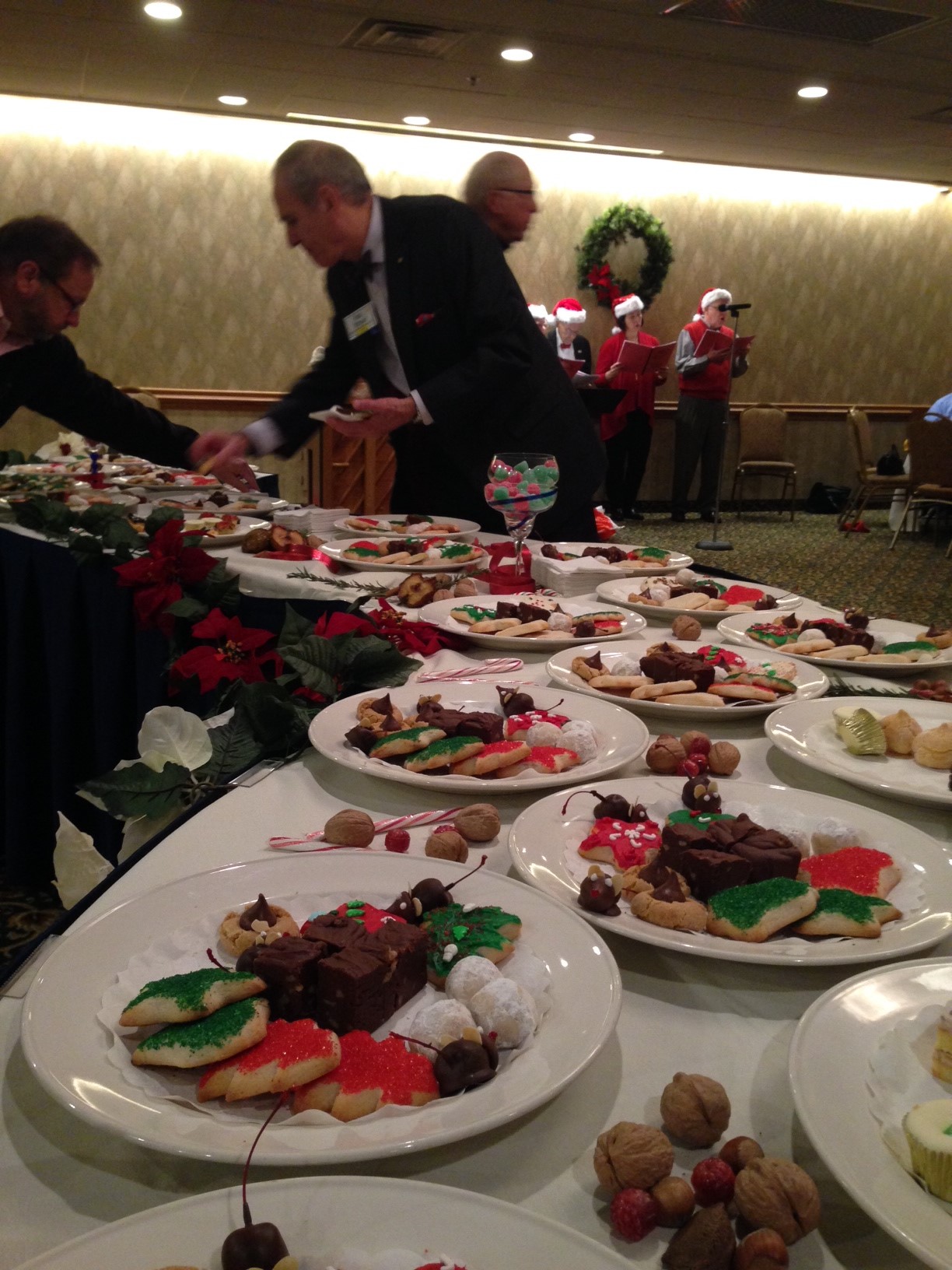
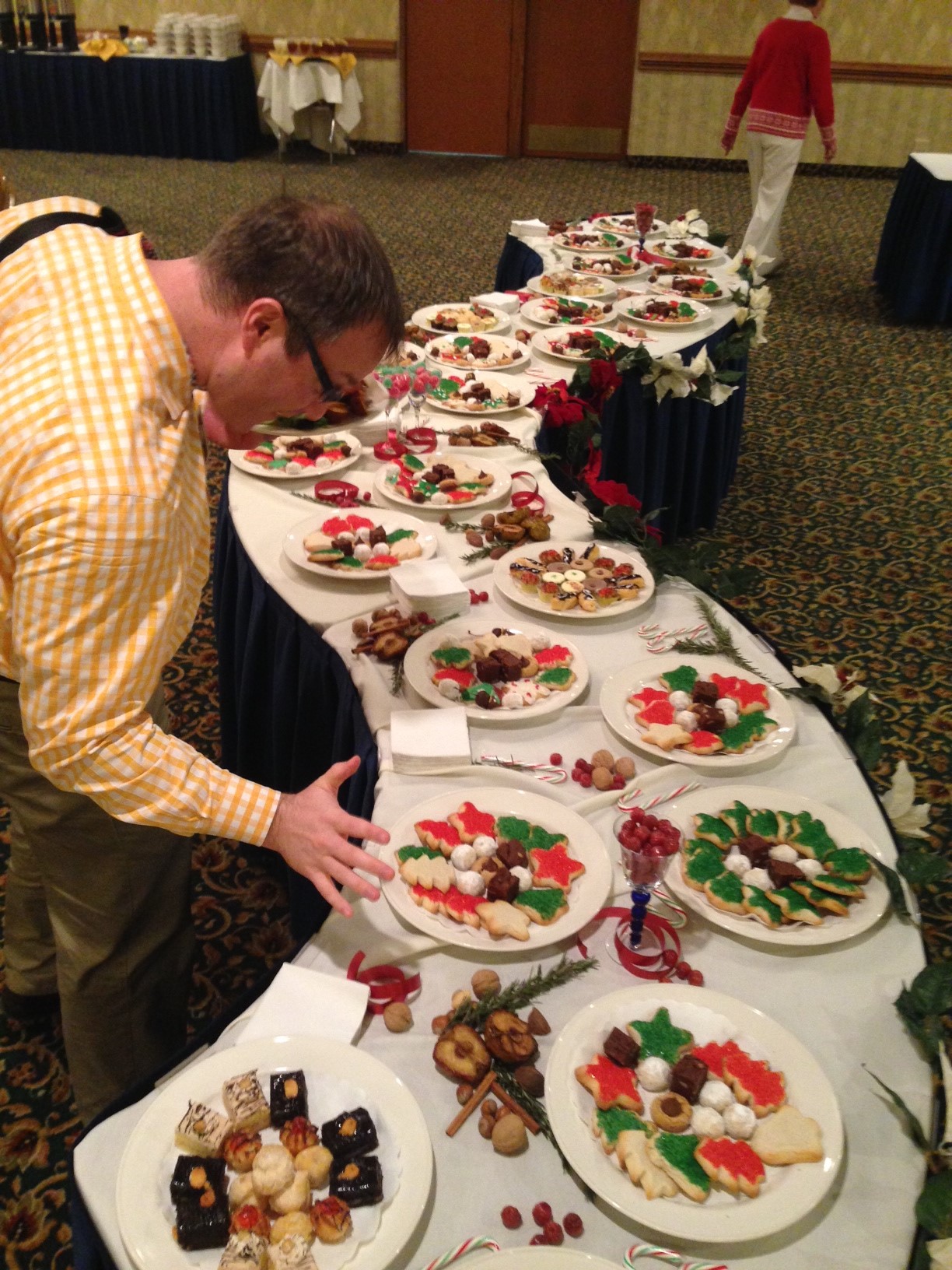
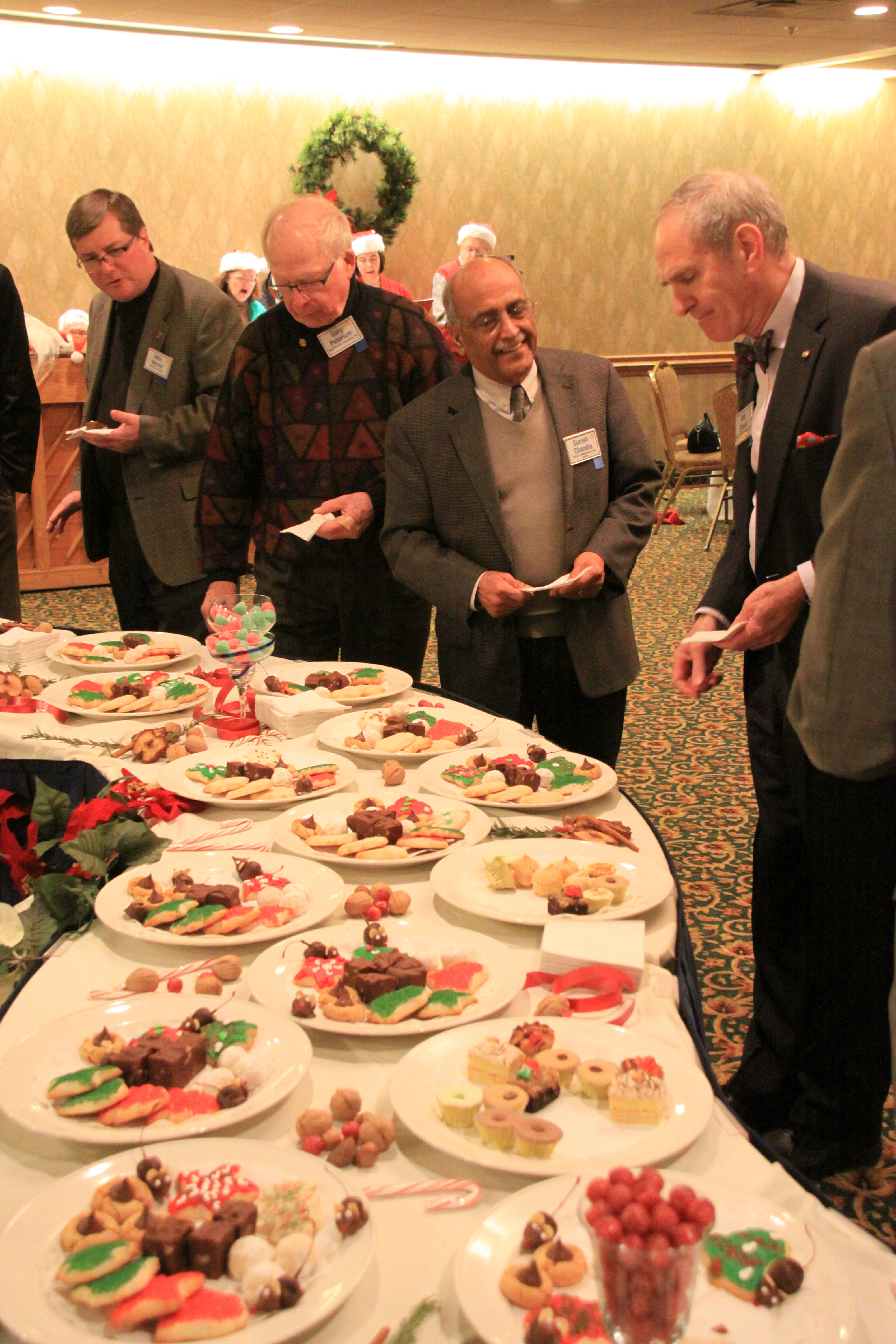
Photo 1: Patrick Downey, TJ Blitz & Renee Moe; Photo 3: Nick Curran at the Holiday Treats Table

IMG_3594

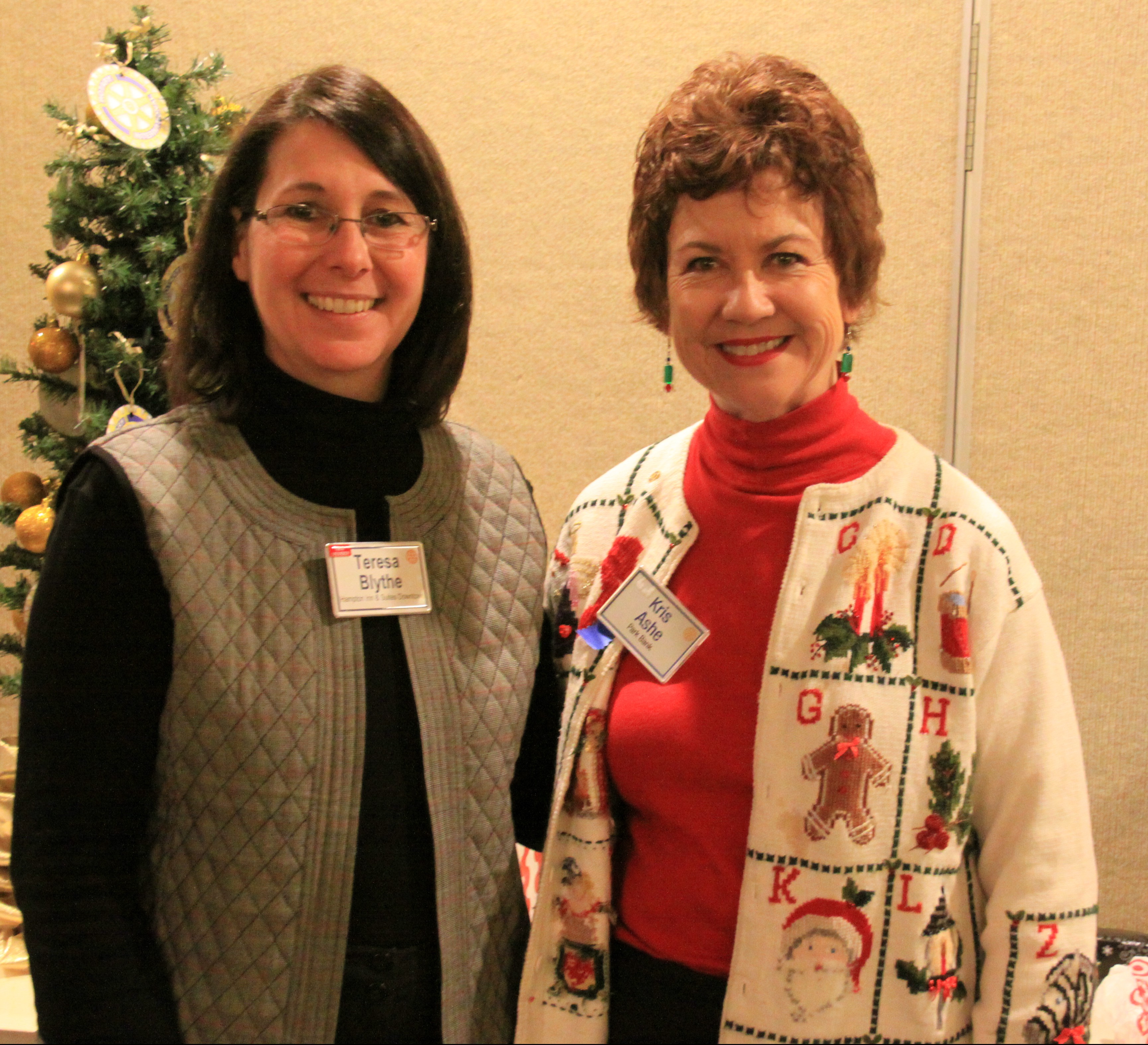
Teresa Blythe Kris Ashe

photo4

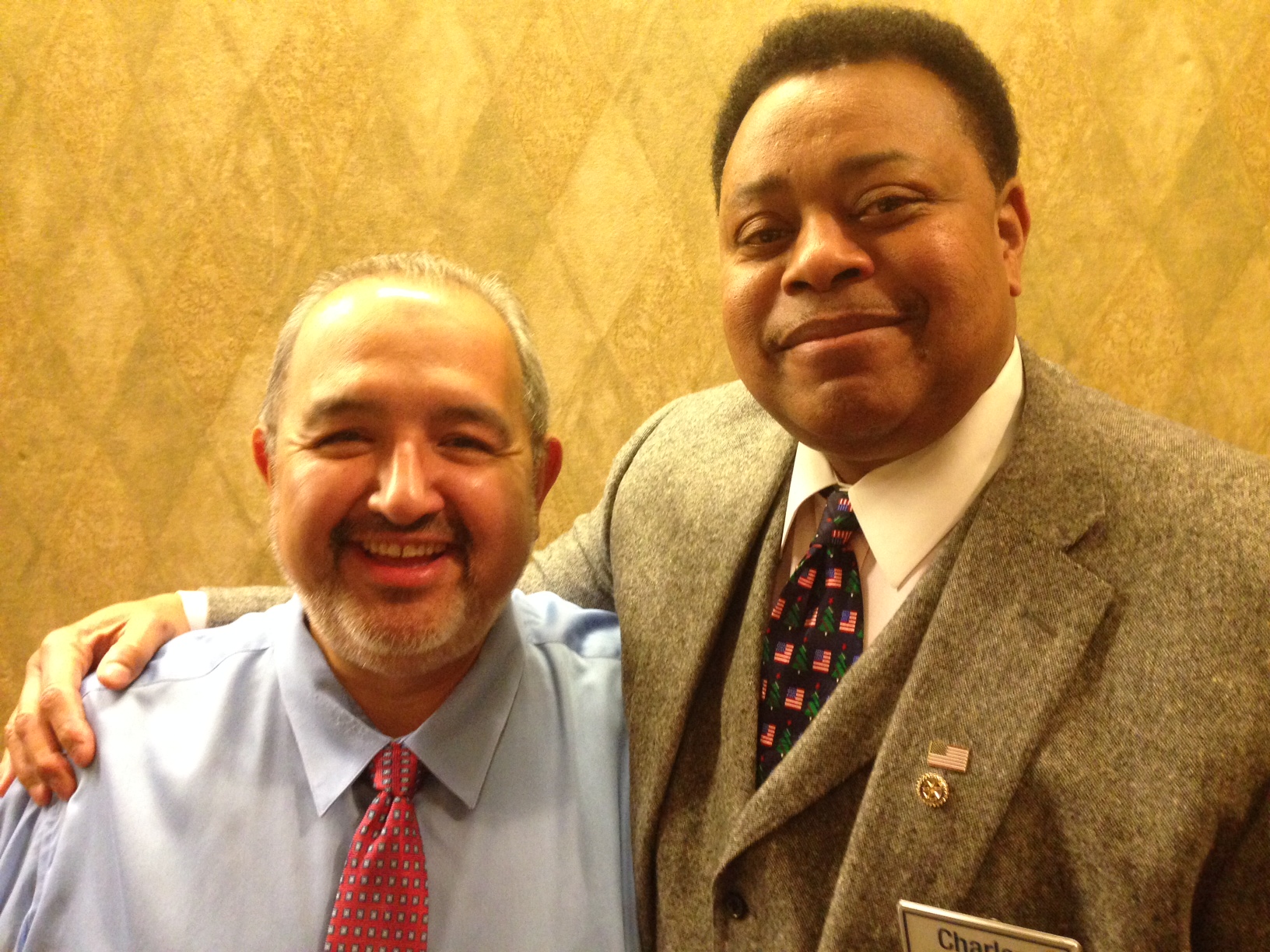
Juan Lopez Charles Tubbs, Sr.

IMG_0182  IMG_3663  photo2

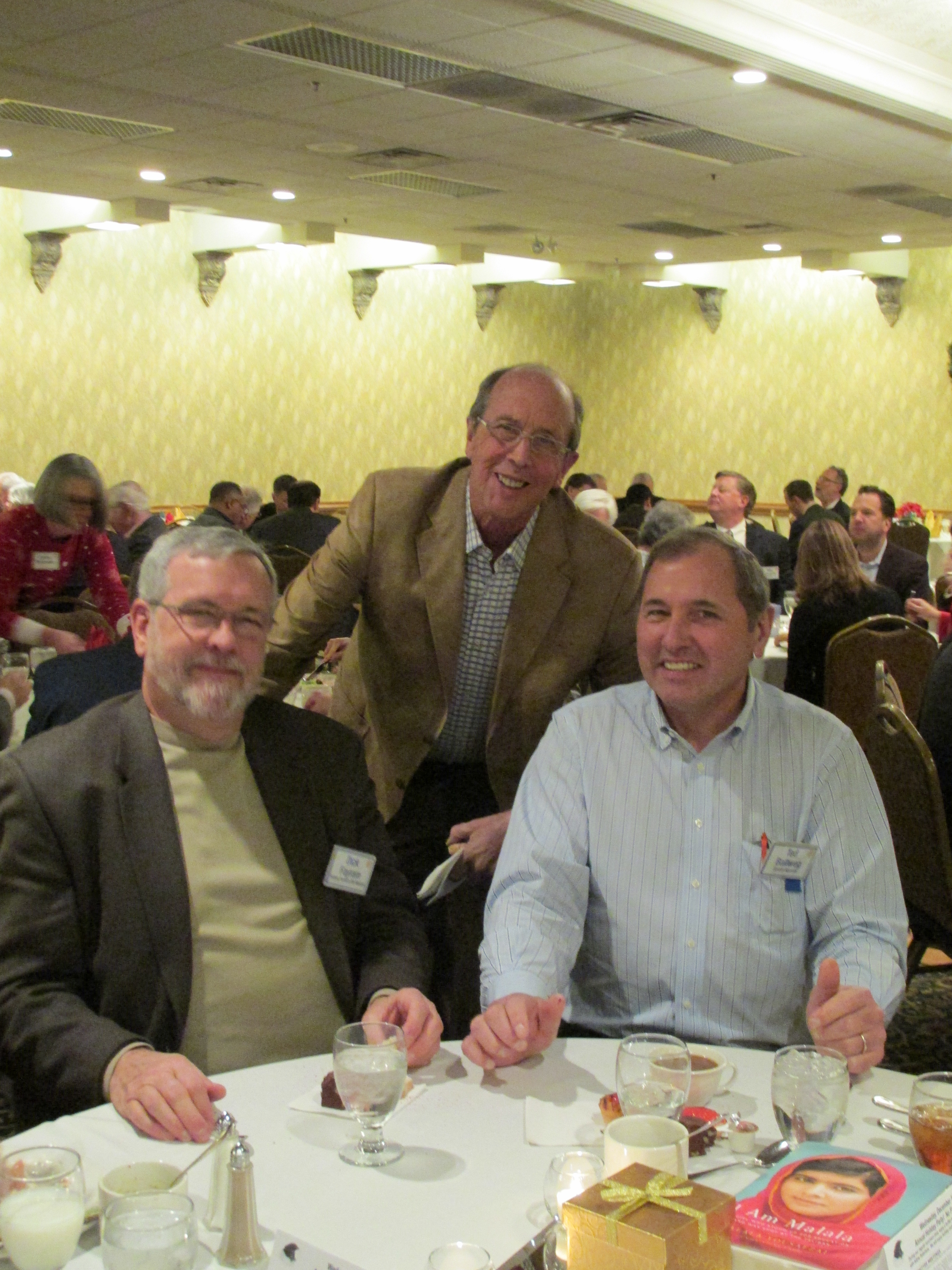
Photo 1: Dick Fayram, Karl Gutknecht & Ted Ballweg; Photo 2: Mike Wenzel, Gary Peterson, Suresh Chandra & Rob Stroud; Photo 3: Nick Curran, Mike Crane & Brian Koch

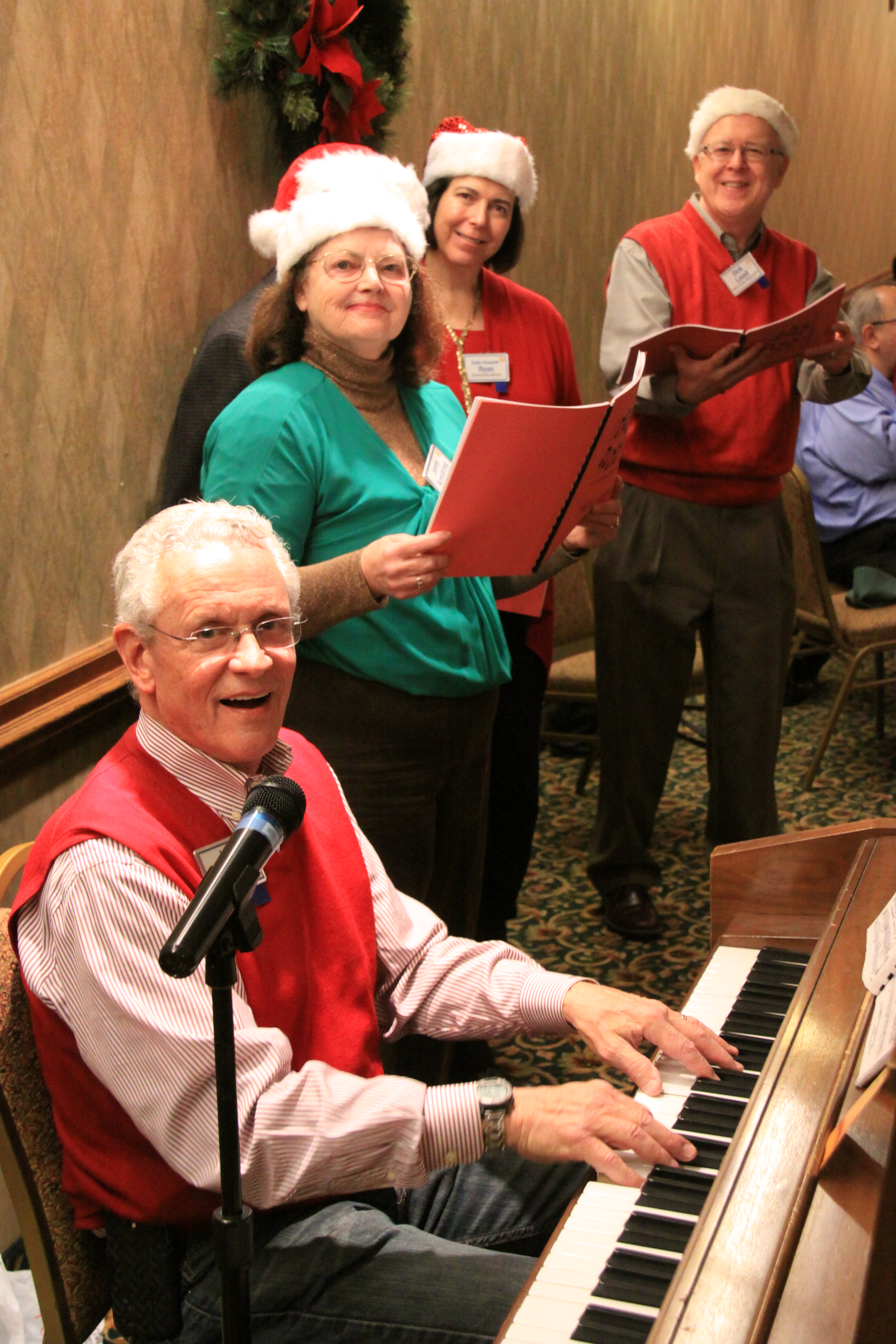
Jeff Bartell, Jenny Armstrong, Katie Ryan  Dick Lovell

Jeff Bartell, Jenny Armstrong, Katie Ryan & Dick Lovell

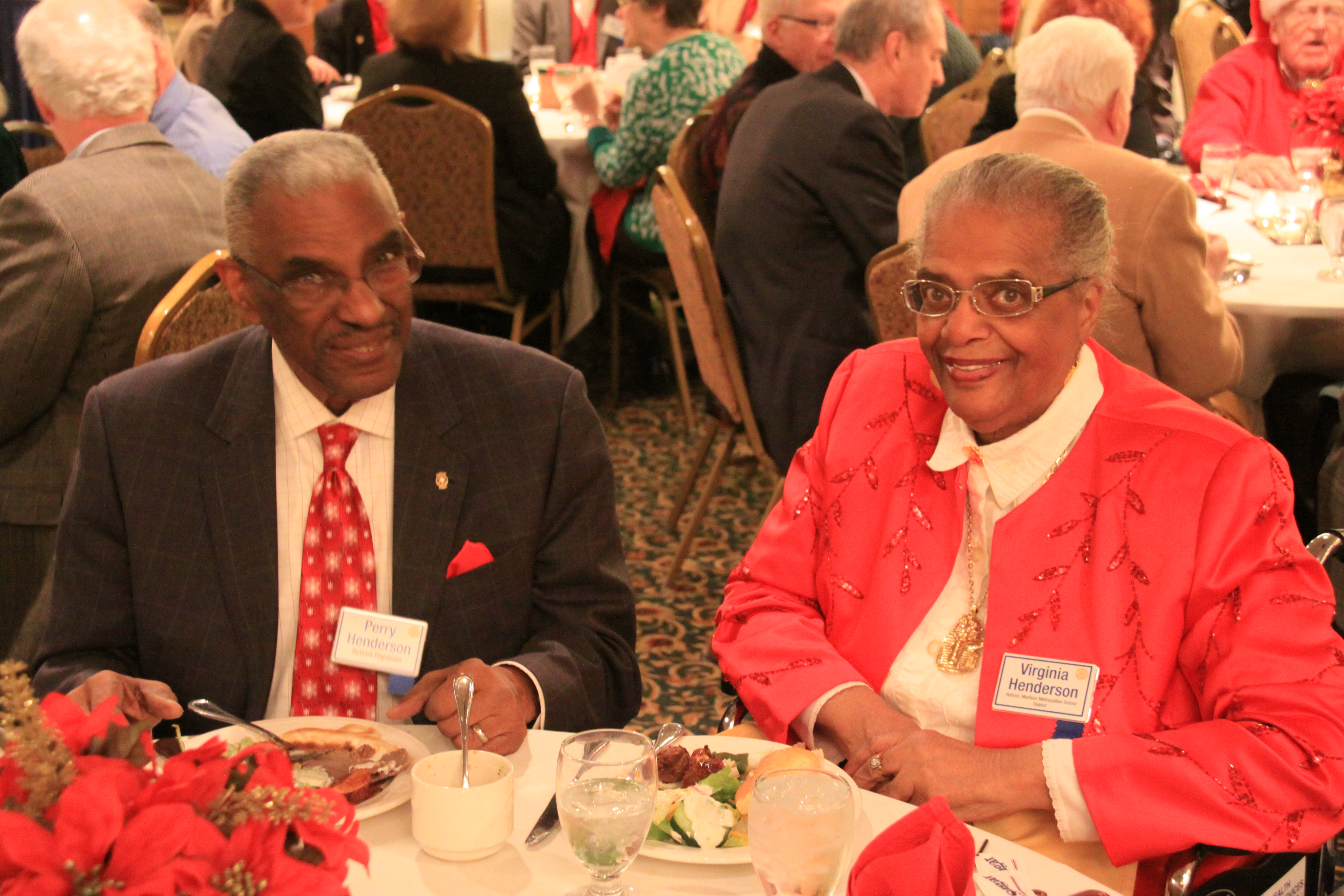
Perry & Virginia Henderson

Perry & Virginia Henderson

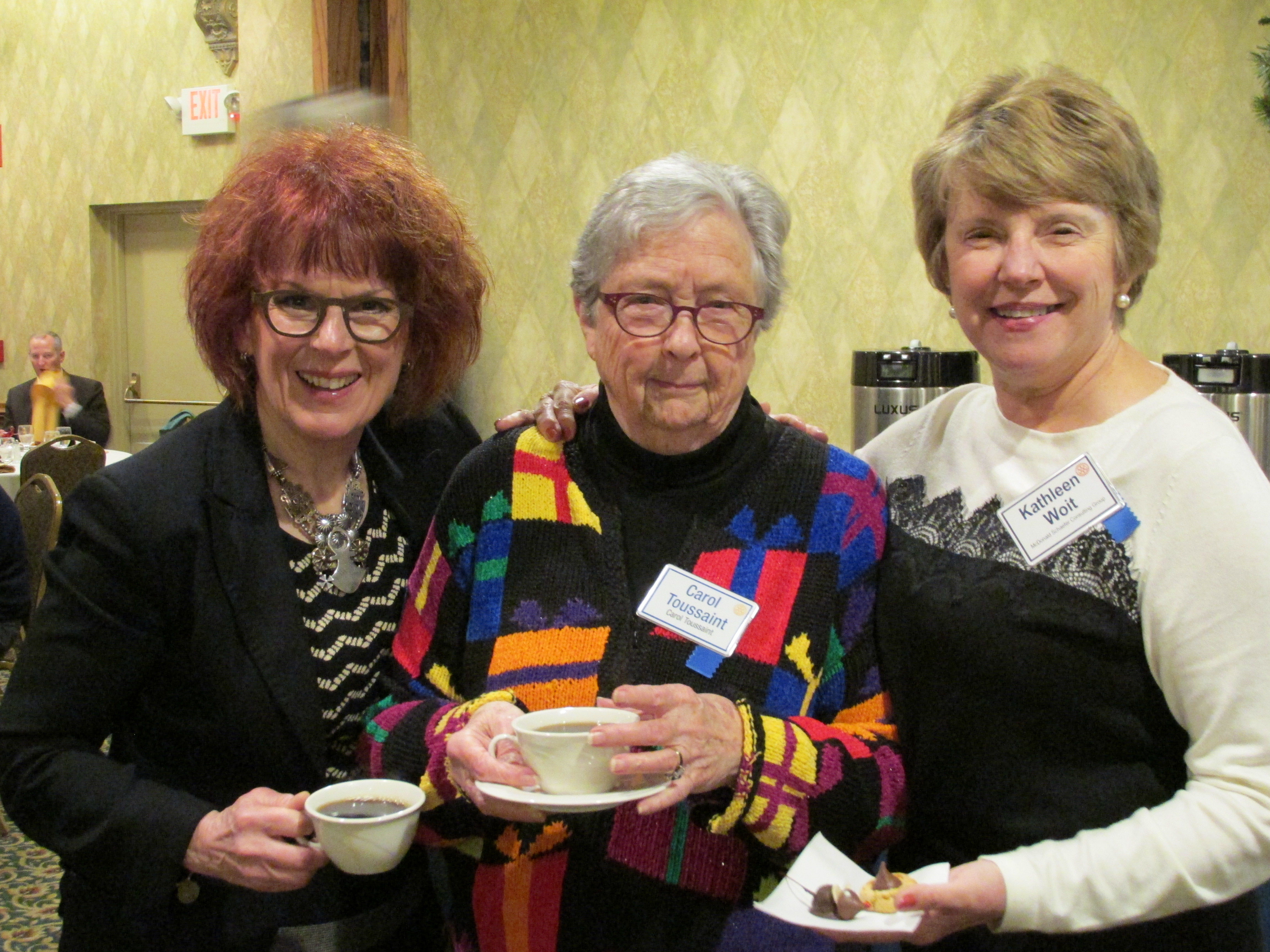
Susan Schmitz, Carol Toussaint & Kathleen Woit

Susan Schmitz, Carol Toussaint & Kathleen Woit

IMG_3633  photo9  IMG_3665

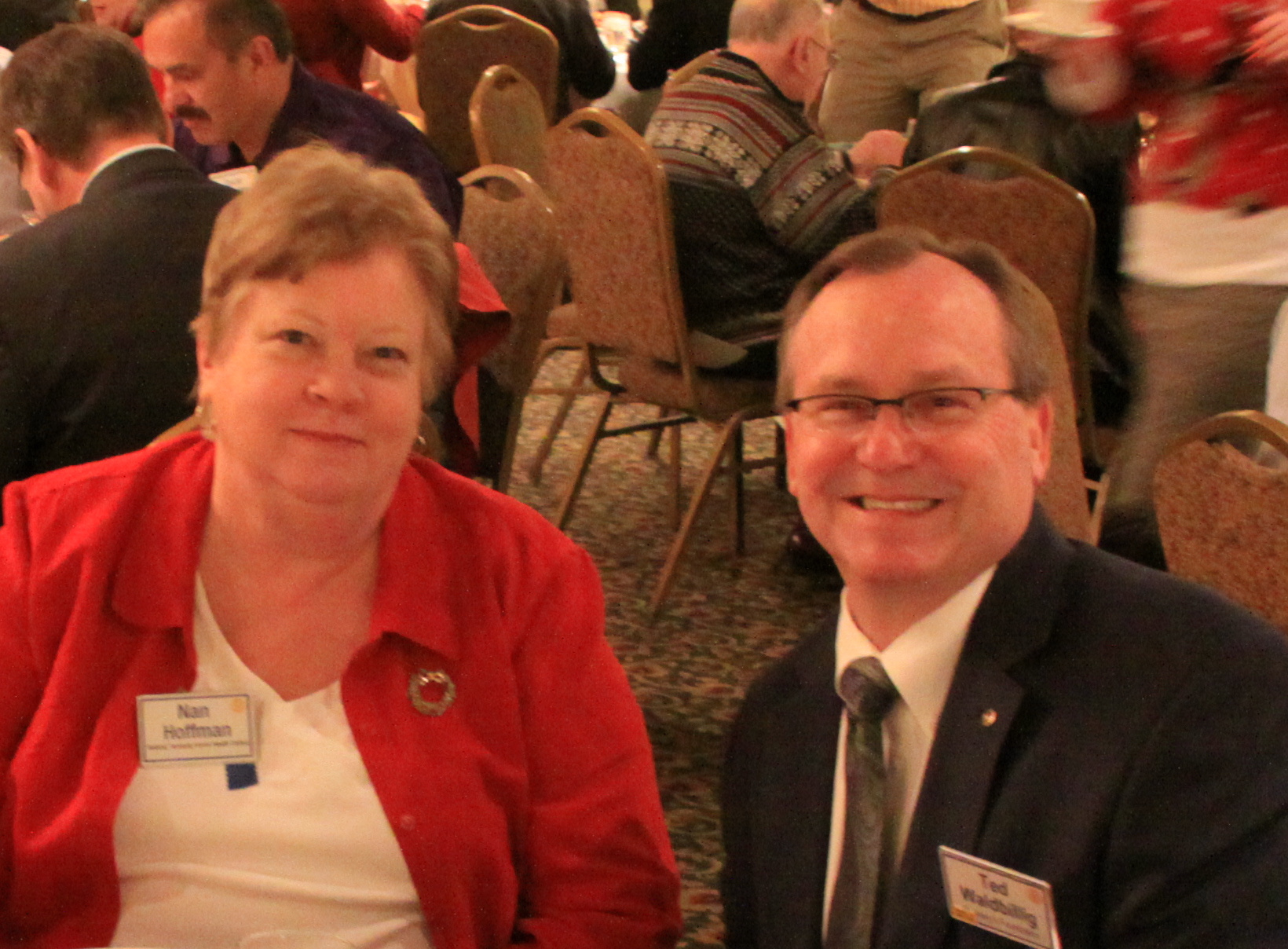
Photo 1: Nan Hoffman & Ted Waldbillig; Photo 2: John Bonsett-Veal & Paul Riehemann

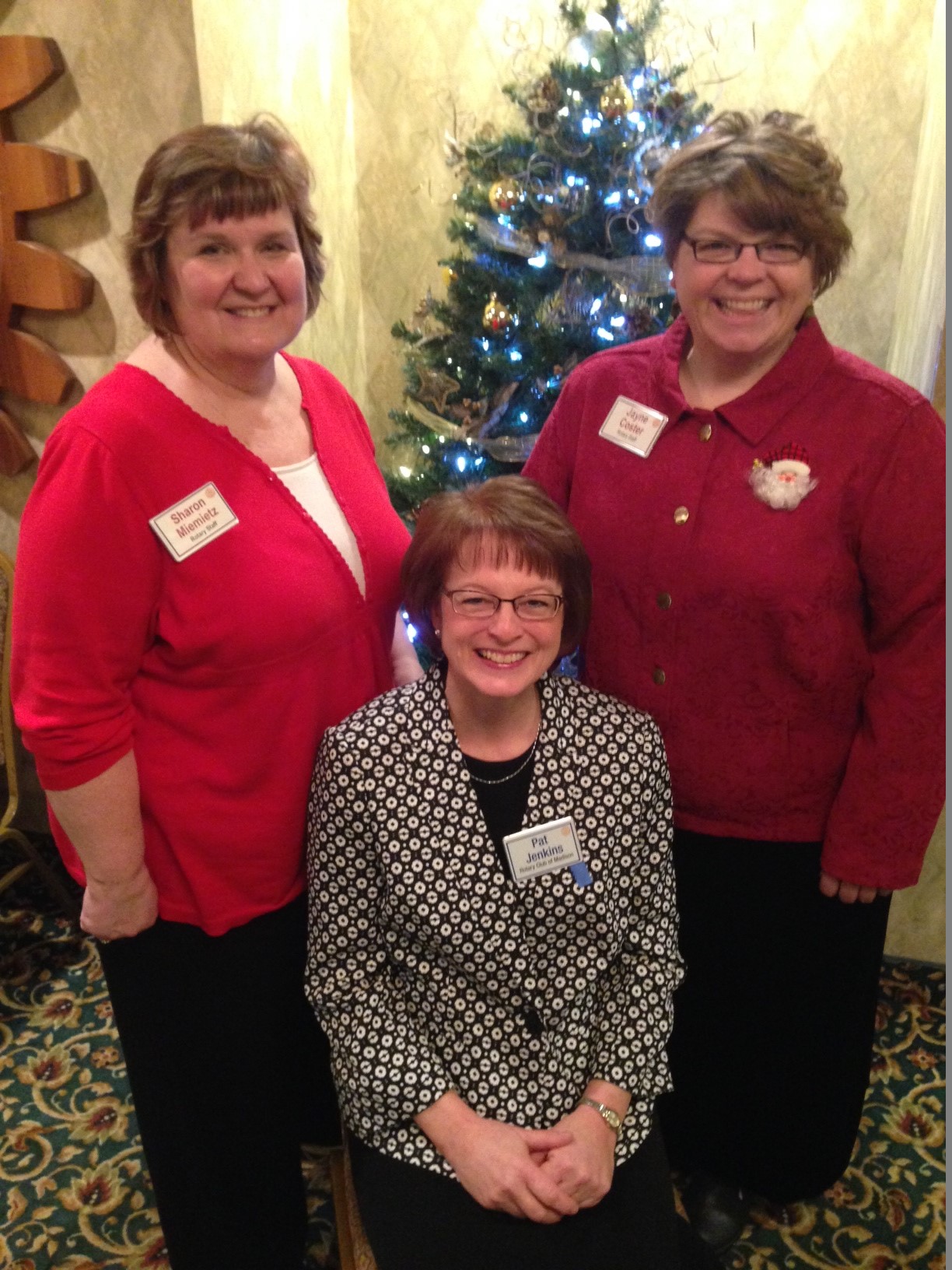
Sharon Miemietz, Pat Jenkins & Jayne Coster

Sharon Miemietz, Pat Jenkins & Jayne Coster

New Book Tells Goodman Brothers Impact on Community

–submitted by Linda Maremont; photo by Stacy Nemeth

Doug MoeDoug Moe, long-time Madison journalist, shared several anecdotes and points of interest gathered during his research for his new book, Good Men:  The Lives and Philanthropy of Irwin A. and Robert D. Goodman.  When the Goodman Foundation Board approached Moe about writing the book, he acknowledged that he accepted with some trepidation.  The Goodman brothers were famously private throughout their lives and Moe had never personally met them.

Moe was able to interview 35 people who had known the Goodmans and shared some amusing stories about the rarely seen personal side of the brothers’ lives.  Irwin and Bob’s father came to America with $12.00.  After changing his surname from Gutmann to the anglicized Goodman, he joined his brothers to open Goodman Jewelers.  The State Street store opened in 1934 and Bob and Irwin ran the store together until they sold the store to the manager in 1998.  The brothers shared a passion for healthy living, sports, their business, their mother, each other, and their extraordinary devotion to philanthropy.

Their charitable works in the community were significant both in size and scope.  The local community can thank the Goodmans for sizeable donations which funded the city’s first public community pool, the UW women’s softball diamond, a Jewish community center campus in Verona, and the Goodman Community Center on the east side of Madison.

Moe’s presentation was followed by a number of comments by those who had personally experienced the kindness and generosity of the Goodman brothers.  Irwin and Bob clearly left an indelible mark on the community and Moe’s book provides engaging insight into the background of the men who impacted the lives of so many.