

Steve Malchow, Trek Bicycle’s Vice President of Operations, Engineering and Sourcing, had to move fast in the last three years to avoid hitting—or being hit—by three “black swans”: Tariffs on Trek’s principal supplier of bicycles, from China; the pandemic, which shut down production facilities; and the combination of these two factors to create a third swan, the exploding demand for bicycles.
Trek is a billion dollar a year company with 4,000 employees, business in over 100 countries; race teams; comprehensive analysis of market share; and nimble, aggressive adjustment to the retail side of the business.
Trek is also an enlightened company headquartered in Waterloo, Wisconsin, that is committed to healthy lifestyles for customers and employees. Facing rising health insurance costs, it built its own clinic in 2014 and has not raised insurance costs since and serving 4,000 visits last year. Trek’s chef serves its Waterloo employees healthy three meals a day.
600,000 bikes per year manufactured in China had to be relocated to non-tariff sources, including parts (about 300 in each bike), manufacturing supply chains, and delivery. Trek used to back order 73,000 bikes, now 3.9 million as new orders jumped from 1.5 million to 3.8 million per year. Even the ship that blocked the Suez Canal still contains a large order of undelivered bicycles.
And yet Trek thrives, aggressive on the elements of manufacturing and delivery, moving plants out of China to a total of 7 different countries world-wide including Taiwan and Cambodia, and expanding their BCycle city program to dozens of American cities.
Trek is also a leader in its largest market, E-bikes, a fleet of which are being tested in Madison now, even as the universal shortage of digital chips presents the latest delay.
Steve considers Trek successful and lucky under the circumstances. Most of us would say “not lucky, just really good”.
Our thanks to Steve Malchow for his presentation this week and to Ellsworth Brown for preparing this review article. If you missed our meeting this week, you can watch it here: https://youtu.be/PNS0-1ZSRjM.
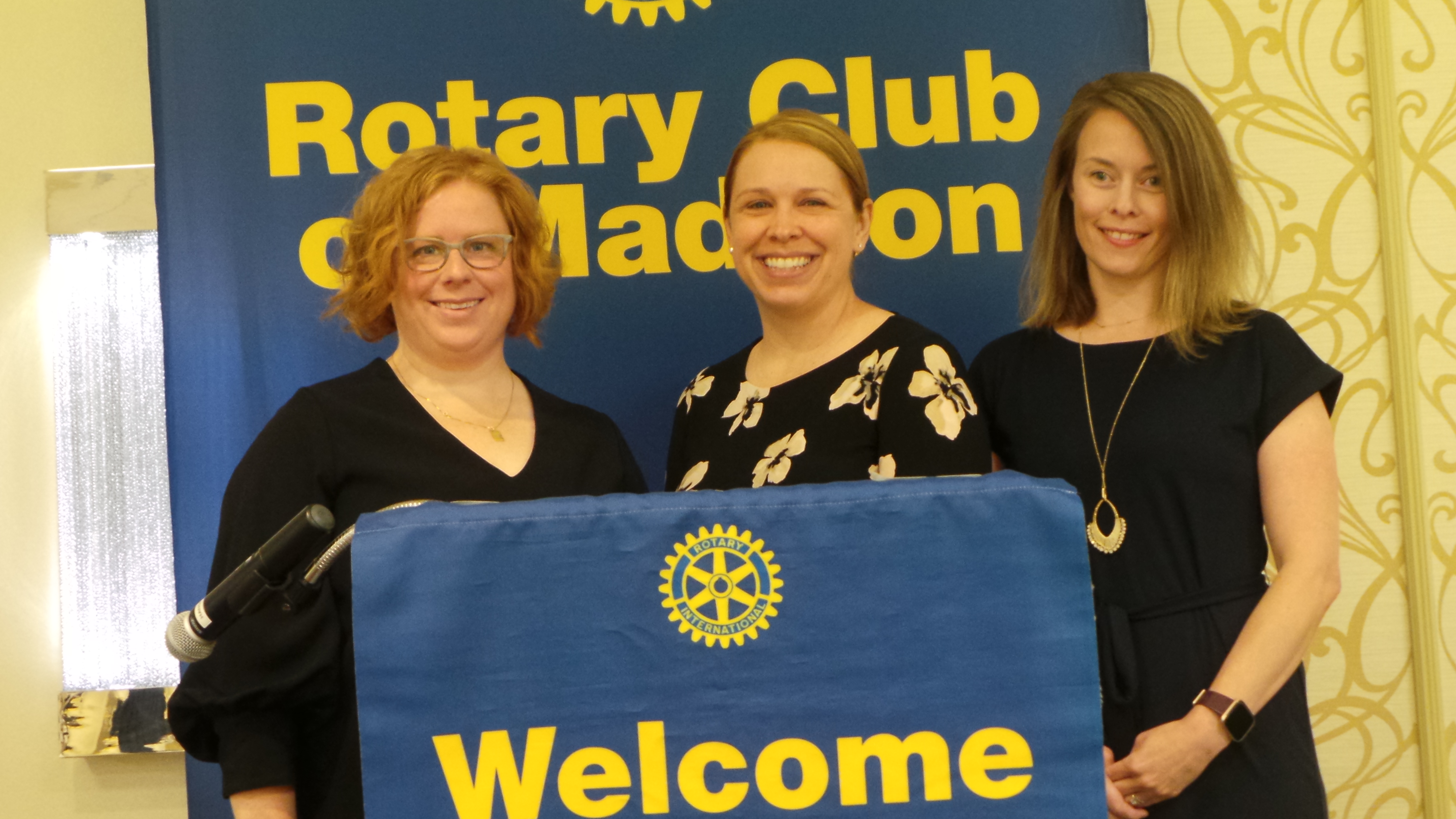 Rachel Sattler, Kim Curran, and Kate Walsh comprised a panel supplying a fast-moving presentation about the largely unaddressed scope of problems and possible solutions to sexual assault of UW-Madison women.
Statistics are startling: 26% of UW-Madison undergraduate women have experienced unwanted contact, 20% have been assaulted, and 6.8% have suffered violent attacks. The use of alcohol by men and women plays a large role in these abuses.
The consequences are several and can have life-long symptoms: rape victims often experience PTSD, depression, and substance abuse disorders. School dropouts occur.
The panel agreed that responses to sexual assault are unsatisfactory because a highly functioning, systemic, coordinated, multi-agency source of physical and medical, psychological, and legal services does not exist.
This problem is magnified by most victims’ lack of knowledge about these services, their sources and their unknown and disparate locations, the absence of transportation, and the lack of an advocate who could knit all of these together, provide a single point for reporting, and accompany a victim to the services.
One result of the absence of coordinated services is that only 2% of the victims report an assault to the University, and very few are reported to police.
The panel is deeply involved in ways to address the shortcomings described above. A U.S. Department of Justice grant has been awarded to hire a campus advocate who can begin to connect services, provide continuous and establish an example that can encourage the hiring of more advocates.
A multi-agency virtual portal is also being developed for reporting and coordination of services, to help with the connection not only between agencies but also among survivors.
At the close of the presentation, President Jorge asked what we as Rotarians can do to help. The answer: contact foundations you know for financial support of advocates or mental health programs or make personal contributions to these initiatives.
Our thanks to Kim Curran, Rachel Sattler and Kate Walsh for their presentation this week and to Ellsworth Brown for preparing this review article.
If you missed our meeting this week, you can watch it here:
Rachel Sattler, Kim Curran, and Kate Walsh comprised a panel supplying a fast-moving presentation about the largely unaddressed scope of problems and possible solutions to sexual assault of UW-Madison women.
Statistics are startling: 26% of UW-Madison undergraduate women have experienced unwanted contact, 20% have been assaulted, and 6.8% have suffered violent attacks. The use of alcohol by men and women plays a large role in these abuses.
The consequences are several and can have life-long symptoms: rape victims often experience PTSD, depression, and substance abuse disorders. School dropouts occur.
The panel agreed that responses to sexual assault are unsatisfactory because a highly functioning, systemic, coordinated, multi-agency source of physical and medical, psychological, and legal services does not exist.
This problem is magnified by most victims’ lack of knowledge about these services, their sources and their unknown and disparate locations, the absence of transportation, and the lack of an advocate who could knit all of these together, provide a single point for reporting, and accompany a victim to the services.
One result of the absence of coordinated services is that only 2% of the victims report an assault to the University, and very few are reported to police.
The panel is deeply involved in ways to address the shortcomings described above. A U.S. Department of Justice grant has been awarded to hire a campus advocate who can begin to connect services, provide continuous and establish an example that can encourage the hiring of more advocates.
A multi-agency virtual portal is also being developed for reporting and coordination of services, to help with the connection not only between agencies but also among survivors.
At the close of the presentation, President Jorge asked what we as Rotarians can do to help. The answer: contact foundations you know for financial support of advocates or mental health programs or make personal contributions to these initiatives.
Our thanks to Kim Curran, Rachel Sattler and Kate Walsh for their presentation this week and to Ellsworth Brown for preparing this review article.
If you missed our meeting this week, you can watch it here:  Every veteran is a story, Rotarians were told May 19 by Chris Kolakowski, Wisconsin Veterans Museum Director. The Wisconsin Veterans Museum is an educational activity of the Wisconsin Department of Veterans Affairs. Kolakowski’s latest book is “Last Stand on Bataan.”
 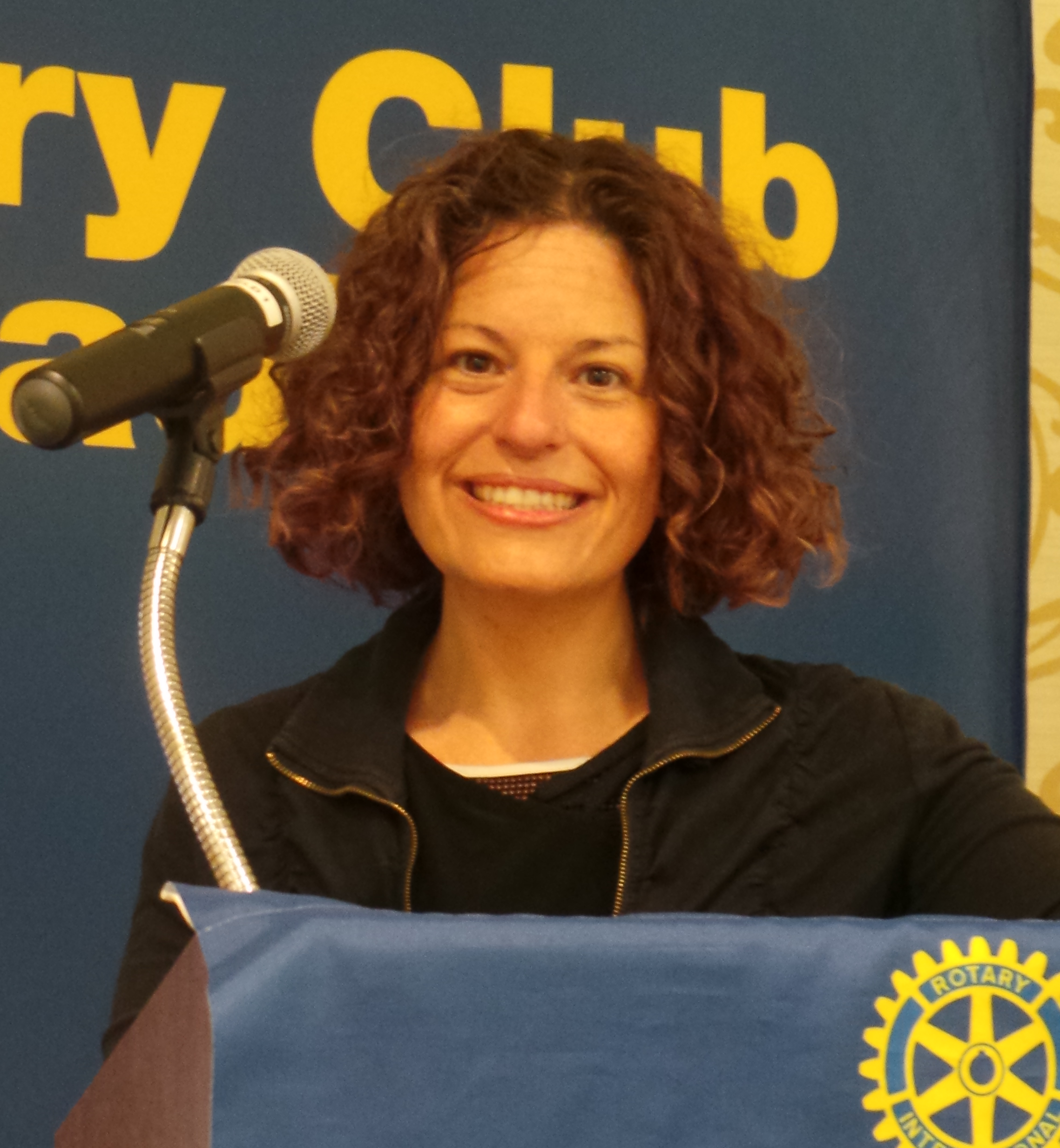 Dr. Angela Janis discussed the basics of medical cannabis at the May 12 Rotary meeting. Janis is a Psychiatrist at Mendota Mental Health Institute.
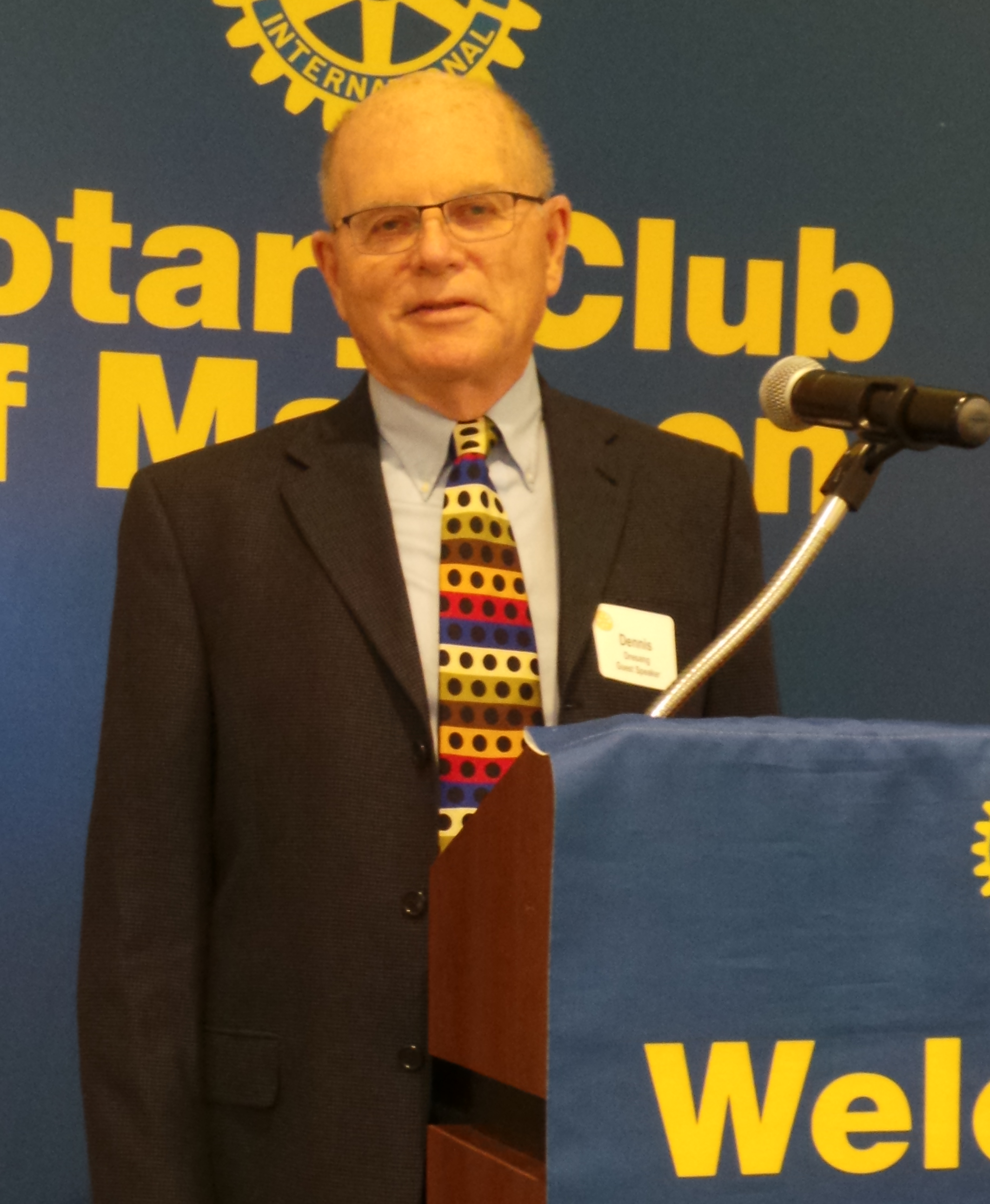 Dennis Dresang shared the legacy of former Governor Patrick Lucey May 5.
 Letesha Nelson, the CEO and Executive Director of the Goodman Community Center, was our speaker this week. She joined the Goodman Center, succeeding fellow Rotarian Becky Steinhoff, in January 2021. Ms. Nelson has a long history of non-profit work, having held leadership positions with the Girl Scouts of America for many years. She brings to her work an obvious passion and a joy in service to others.
 Rotary Club of Madison, Wisconsin