
–submitted by Kay Schwichtenberg; photo by Mike Engelberger
 Fellow Rotarian Anthony Gray challenged and enlightened us on his life’s work in applied ethics. While it can sound abstract, Gray brought us into the work of his team at the Institute for Global Ethics (IGE), the nation’s oldest think tank dedicated to bringing ethical decision making to our workplace and everyday lives. Gray is the President and CEO.
“Ethics” in Gray’s world is much more than the need to follow rules, guidelines and laws, or knowing right from wrong. He calls these activities “compliance” not ethics. Ethics, he said, are what you do when no one is looking, or resolving moral dilemmas that are not easy, straight forward or solely based on the law. Ethical fitness is making good decisions when there are no rules or when something happens quickly and without warning.
In the training, IGE provides to individuals, corporations, schools, government organizations and other entities, emphasis is put on practical ways to get ethics into everyday decision making. Ethics is a skill set that can be acquired with proper training and personal practice. Gray praised the “Rotary 4-way test of the things we think, say and do” by saying most organizations don’t include the word “think” in their ethical guidelines. IGE helps people and organizations make effective decisions in difficult situations where two or more values are in dynamic tension — for example how do you choose between two right choices.
IGE’s international research into applied ethics has discovered five universal values: truth, respect, responsibility, equity and compassion. These values can be the foundation for sound ethical decision making regardless of culture.
Gray is the incoming chair of the 2019 Rotary Ethics Symposium Committee.
Admittedly a meaty topic for a 20-minute presentation, you can find additional training and information at IGE’s website, www.globalethics.org.

 Ted DeDee outlined the challenges he faced when he became president and CEO of the Overture Center for the Arts in 2012 and the achievements at Overture during the six-year period that will end with his retirement at the end of the 2017-2018 season. DeDee inherited a public dispute about the management of Overture, as Overture was transferred from city management to private nonprofit status. He organized Overture as a start-up company while respecting the history of the Center and the role of the extraordinary Frautschi contribution. During those six years, Overture maintained a positive financial situation with donor support going from $12.4 million to $22.6 million; generated a cash reserve of a million dollars; and developed programming that included 11 weeks of Broadway shows that brought ticket buyers from all over the Midwest. DeDee particularly noted that the Frostiball had become an invaluable part of the Overture fundraising program.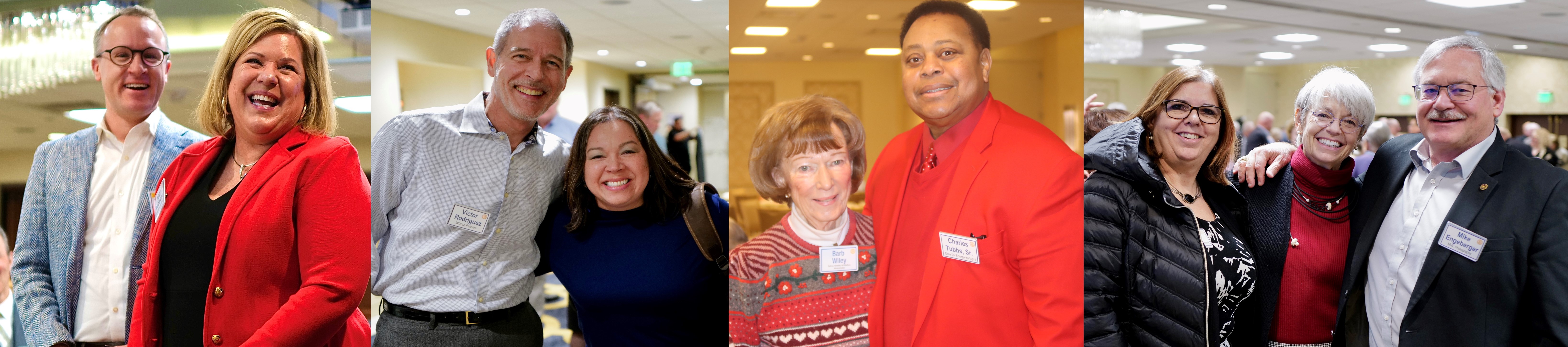
 Rotary Club of Madison, Wisconsin