Michael Edmonds: Bold (Not to Say Crazy)

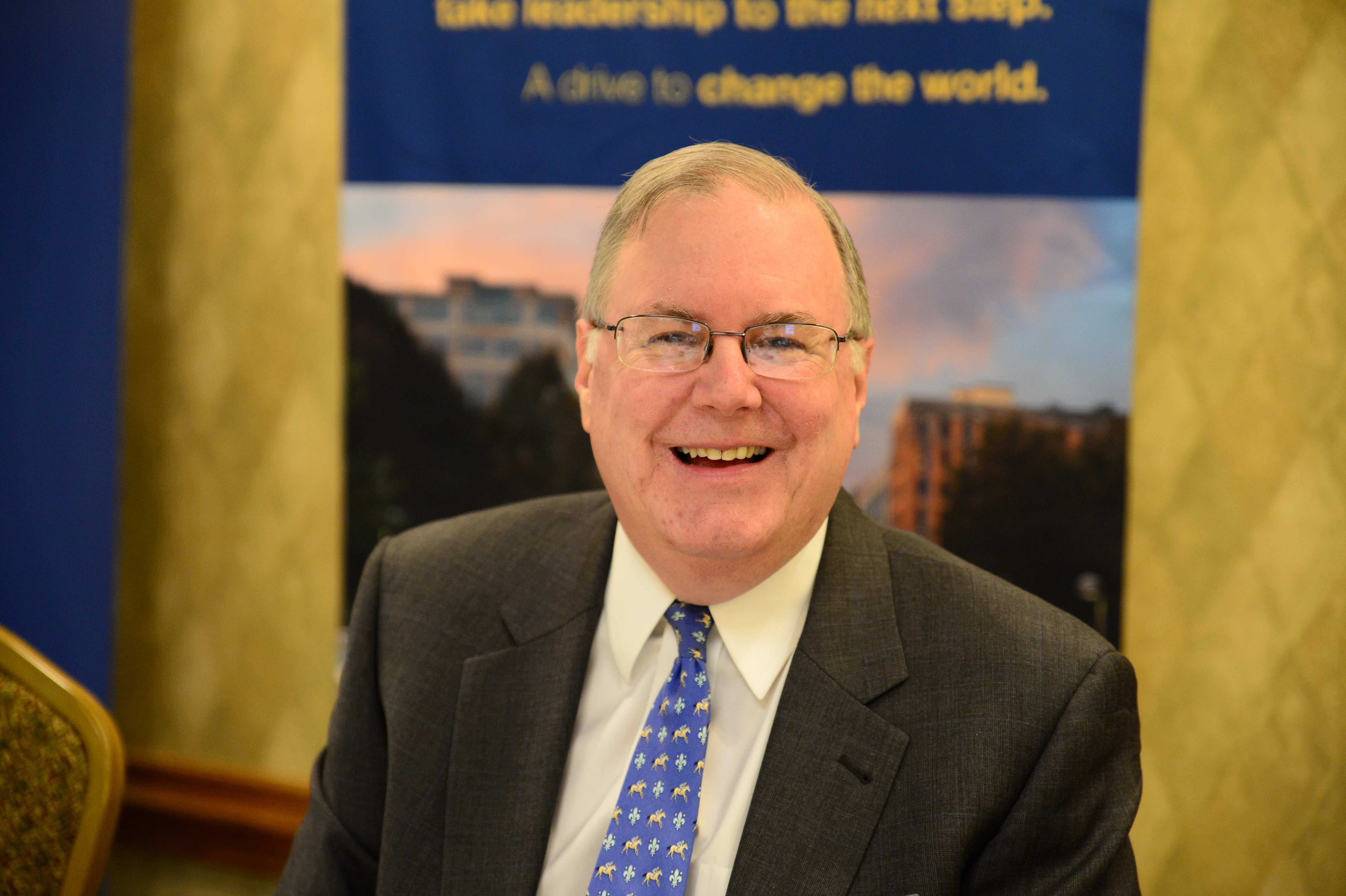
–submitted by Valerie Johnson; photo by Karl Wellensiek

Edmonds Michael

History is not only made by celebrities, it’s made by each of us and the choices we make every day.  That’s the lesson Michael Edmonds says we should take away from the 43,000 documents and images compiled by the Wisconsin Historical Society on the civil rights movement.

Edmonds brought to life the 1964 Mississippi Freedom Summer Project with some of the stories behind the people collecting these historical documents for Rotary members Feb 11.  This was the summer when volunteers arrived in the Deep South to register voters and teach nonviolence, and more than 60,000 black Mississippians risked everything to overturn a system that brutally exploited them.

Wisconsin has one of the richest civil rights collections anywhere, and the largest American history collection anywhere, according to Edwards.

Edmonds is Deputy Director of the Library–Archives at the Wisconsin Historical Society and curator of its online collection of more than 25,000 pages documenting Freedom Summer. A 1976 graduate of Harvard University, he earned an MS degree at Simmons College in 1979 and taught part-time at the University of Wisconsin–Madison.

These vivid primary sources shared by Edmonds, collected by the Wisconsin Historical Society, provided both firsthand accounts of this astounding grassroots struggle as well as a broader understanding of the civil rights movement and the work to collect them.

Edmonds closed by saying, “Remember, an archive is not a dusty old place, it’s an engine to remember our place in the world quite differently. For example, your grandmothers didn’t know they had to be so brave.”

For information on Edmond’s book Risking Everything: a Freedom Summer Reader click www.wisconsinhistory.org.  To view 43,000 pages of historical civil rights documents click: www.Wisconsinhistory.org/freedomsummer.
Mattoon Addresses Rotary on 2015 Economic Outlook

–submitted by Rick Kiley; photo by Karl Wellensiek

Mattoon Rick

Our guest speaker this week was Rick Mattoon, Senior Economist and Economic Advisor for the Federal Reserve Bank of Chicago.  Mr. Mattoon’s talk, “U.S. and Wisconsin Economic Outlook for 2015”, reviewed the current state of our national and local economy as it emerges from the Great Recession of 2008-2009.

The past year has seen the strongest GDP growth since the recession, with second and third quarter growth of 4.6% and 5%; however, this growth is weaker than the recoveries following the recessions of 1981-1982 and 1974-1975.  This slow recovery reflects a variety of conflicting trends.  For example the oil price collapse of approximately 50% has generated a $550 annual household benefit, but wage gains are modest; employment has reached prerecession levels, but increases in wealth are the result of stock market gains, so household wealth increases are unevenly shared.

There are a variety of factors to watch in 2015 that will influence the near future.  Examples include a number of states increasing minimum wages, the prospect of continued growth of construction spending after several years of below average investment.

With regard to Wisconsin, the southern part of the state is closely tied to the economy of the Chicago area, which has underperformed national growth.  And, while personal income in the state has recovered well, only half the jobs lost in the recession have returned.  The business climate in the state is generally positive, about the middle of the pack among the states.

Mr. Mattoon concluded saying the U.S. economy has good momentum and should have GDP growth in the coming year approaching 3%.  Wisconsin, however, has made slower progress since the recession.  Our biggest challenge as a nation will be weak international markets as a result of their slower growth and the strength of the dollar.

Robyn Kitson Receives Rotary Club of Madison Youth Service Award

Presented by Deb Archer on Feb. 4, 2015; photo by Karl Wellensiek

Kitson AwardEach year, our club recognizes six members for their service to our Rotary Club in one of the five avenues of service which are club, community, international, vocational or youth services.  Today, I am pleased to introduce you to one of our Rotary Club of Madison 2015 Youth Service Award recipients.

Robyn Kitson (pictured here with Club President Tim Stadelman)  is Director of Marketing and Communications for the Wisconsin Historical Society and is married to fellow Rotarian Stan Kitson.  She joined our Rotary Club in 2009 and became very active in committees from the start.  She has chaired our International Grant Review process, co-chaired the 2013 Rotary District Conference, and she is currently on our board of directors.  In addition, and what I’d like to focus on today, is her service to our club in the youth service area.  Robyn has served on our Ethics Symposium Committee and chaired last year’s event.  In that role, she spent countless hours in organizing the breakout sessions.  She also designed a workbook for the student participants that they could take with them and continue to use after our event, and she is helping to update that booklet that will be used by this year’s participants in just a few weeks.  Robyn is a member of our Foundation Scholarship Committee.  This is another committee that involves extensive volunteer hours.  She reads through lengthy applications each year, is involved in the personal interviews of each of the applicants and the selection of recipients, and she is part of the planning of the annual scholarship luncheon.  Robyn also co-chairs our Scholar Mentor Committee along with Ellie Schatz.

For her extensive volunteer service in helping us with the success of our club’s youth activities, our Club Board of Directors has named Robyn as one of our Rotary Club of Madison Youth Service Award recipients.

Thank you for your continuing service, Robyn.

As is our club’s tradition, President Tim present Robyn with a special certificate and a pin, and our Club also made a $200 gift in her name to The Rotary Foundation of Rotary International.

Bring Your Own Bottle, Story and Snack Wine Tasting

–submitted by Mike Wilson

Group 2

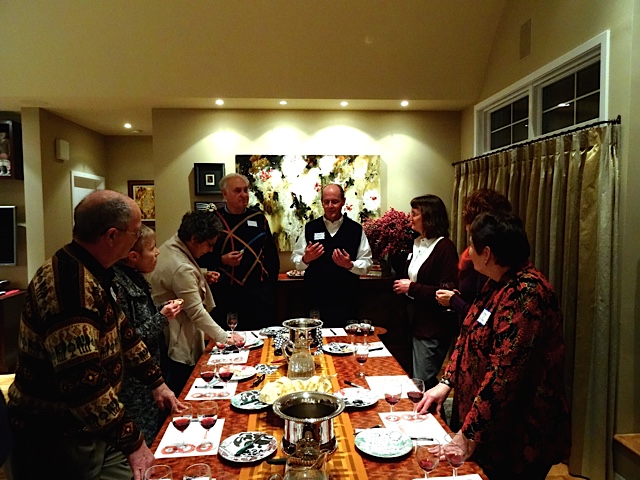
The Wine Fellowship met at our home for a “Bring Your Own Bottle, Story and a Snack” tasting on January 29.  Thirteen tasters arrived with a bottle of wine and a snack together with the story.  Some of the stories included:

The best Syrah in my collection.
Please help me select a good wine for a “fancy pants” tasting.
A Michigan Pinot Noir.
Favorite best buys.

Each wine had a very interesting story.

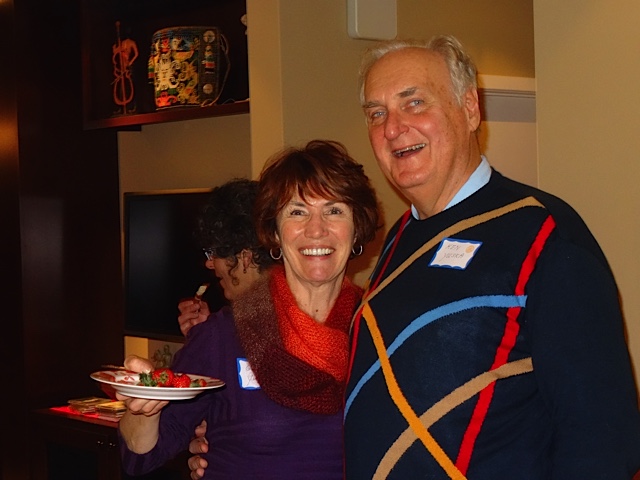
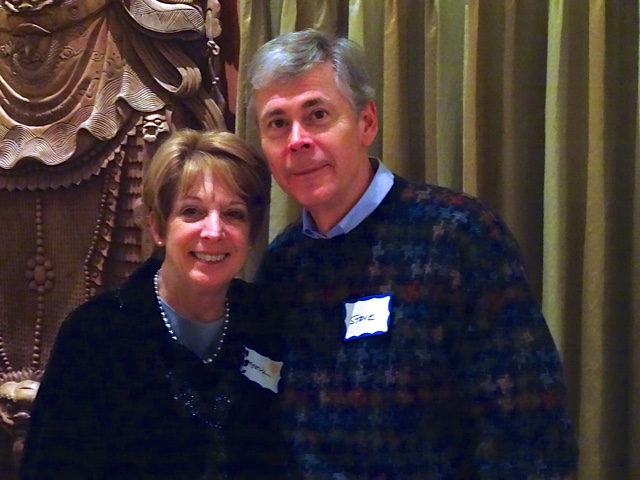
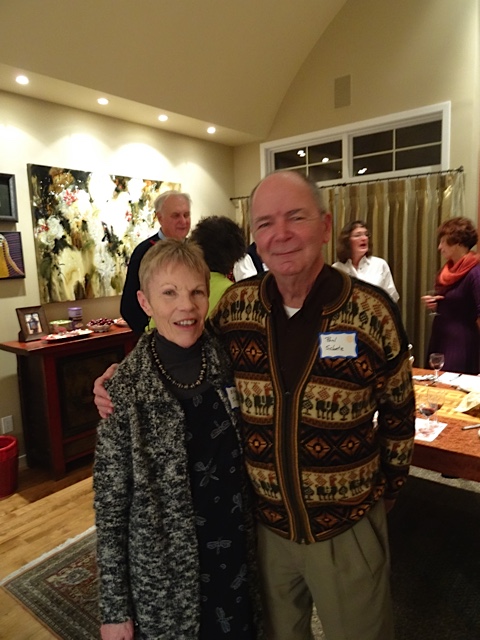
Yuska  Wellensiek  Mixtacki

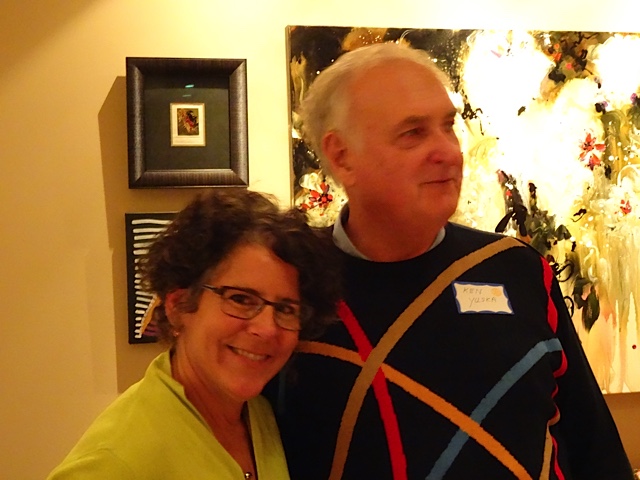
Photo 1: Ginny & Ken Yuska; Photo 2: Mary Janet & Karl Wellensiek; Photo 3: Meryl & Steve Mixtacki

All of the wines ranked well in quality (I rated them from 17.5 – 19.0 on a 20 point scale), no doubt assisted by the fun and gaiety had by all.

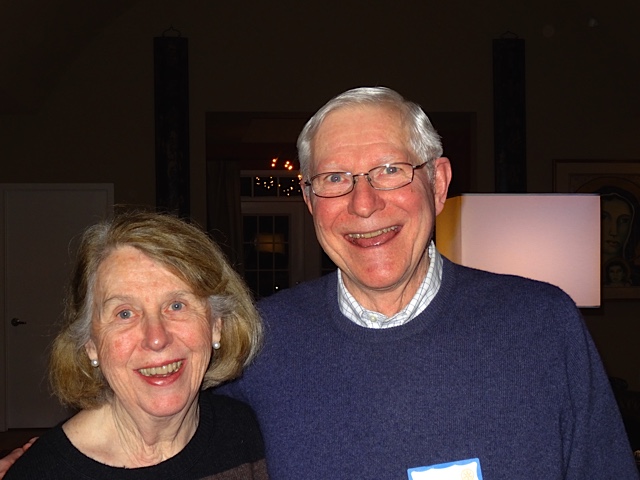
Schatz  Photo1  Meryl Mary Janet

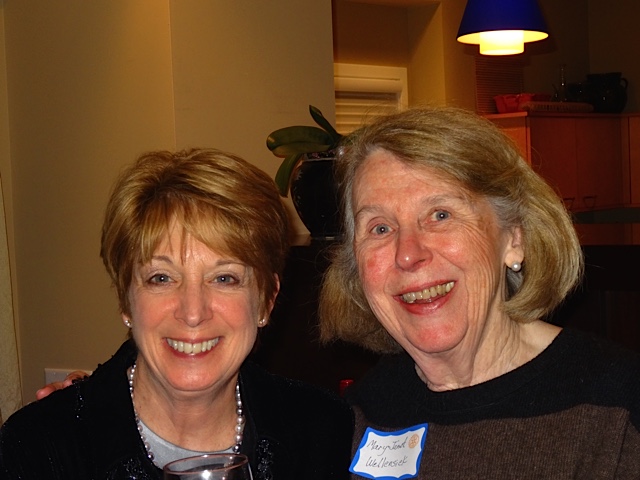
Photo 1: Ellie & Paul Schatz; Photo 2: Cheryl Wittke & Ken Yuska; Photo 3: Meryl Mixtacki & Mary Janet Wellensiek

The pairings included:

A New Zealand and the very excellent Michigan Pinot Noir.
A Grenache and a Syrah.
Two Merlots.
A Bordeaux and a US Cabernet.

We feasted on multiple cheeses, a variety of crackers and breads, proscuitto and salami wrapped mozarella, hot quesadillas with salsa, spinach roll ups, spicy shrimp, and chocolate coated strawberries.

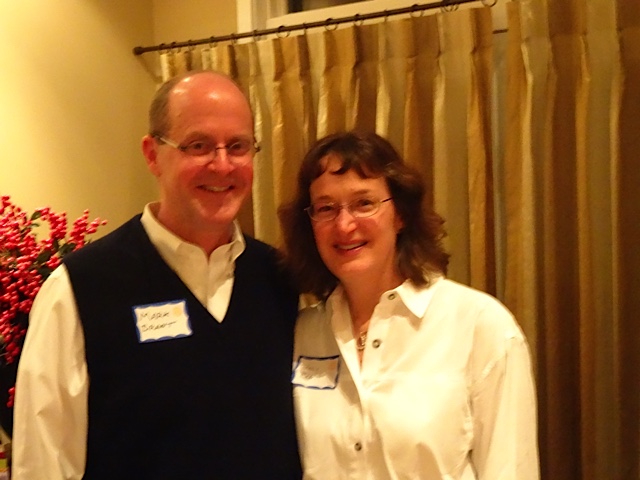
BrantWe welcomed new Rotarian Mark Brant and his wife, Tracy (pictured at left) to their first Wine Fellowship Event.  We were glad to have you with us!


CALS Dean Tells Club of Today’s Impact and Tomorrow’s Challenges for Wisconsin Agriculture

–submitted by Jerry Thain; photo by Jeff Smith

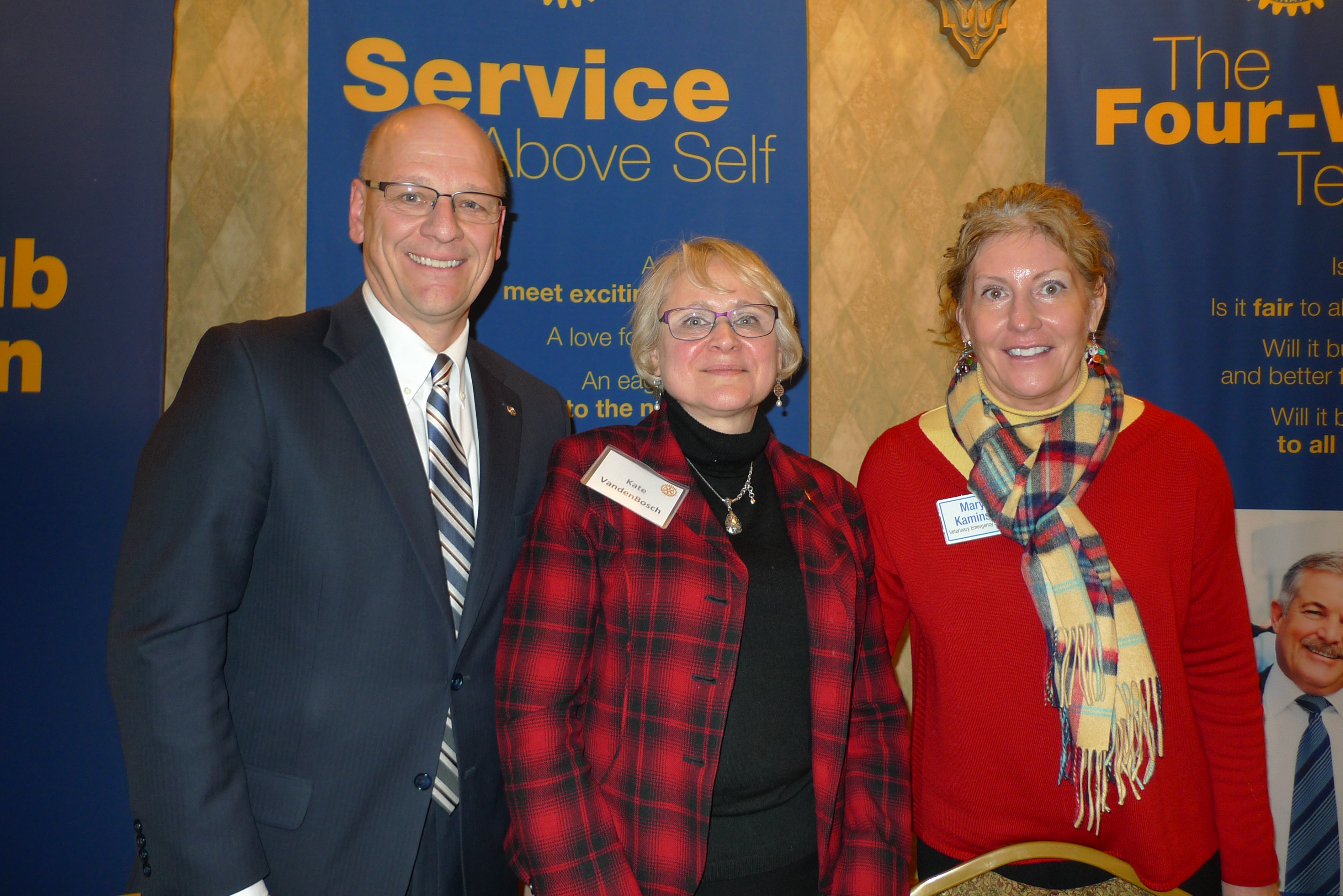
Pictured from left: Club President Tim Stadelman, Dean Kate VandenBosch and Rotarian Mary Kaminski

Pictured from left: Club President Tim Stadelman, Dean Kate VandenBosch and Rotarian Mary Kaminski

Kate VandenBosch, Dean of UW-Madison’s College of Agriculture and Life Sciences, presented a brief but far-ranging summary of Wisconsin agriculture to Club members on January 28.  She noted the efforts of Governor William Hoard to promote the dairy industry in the 1800s and the contributions of Professor Stephen Babcock who developed the butterfat test for milk in the early 20th Century.  The economic impact of agriculture in Wisconsin is huge; it composes 11% of the state’s economy, with 78,000 farms producing $88 billion in total sales. Beyond dairy products, Wisconsin agriculture is a leader in production of cranberries, potatoes, corn, snap beans and other fruits and vegetables.  Our largest agricultural export is ginseng root. Most farms in the state are family owned and operated.

As to the future, Dean VandenBosch noted the “modest goals” were to achieve greater productivity, increased nutrition, and greater variety of foods to help feed an expected world population of about 10 billion people by mid-century, while maintaining environmental stability and animal welfare.  She noted the likelihood of an increased emphasis on genetically modified crops in future years and gave examples of CALS staff and programs working toward better agriculture such as developing meats “beyond brats” to go with Wisconsin’s special artisanal cheeses and the “field to food-bank’ program that delivers surplus food to the needy.  She concluded with examples of efforts by CALS faculty and staff to improve food production and security around the globe.

The talk surely left Club members impressed with the current state of Wisconsin agriculture and the ongoing efforts to maintain and possibly improve the industry’s vitality and contributions to the state’s well-being.


Rotarians Called to Action on Hiring People of Color

–submitted by Paul Fanlund; photo by Jeff Smith

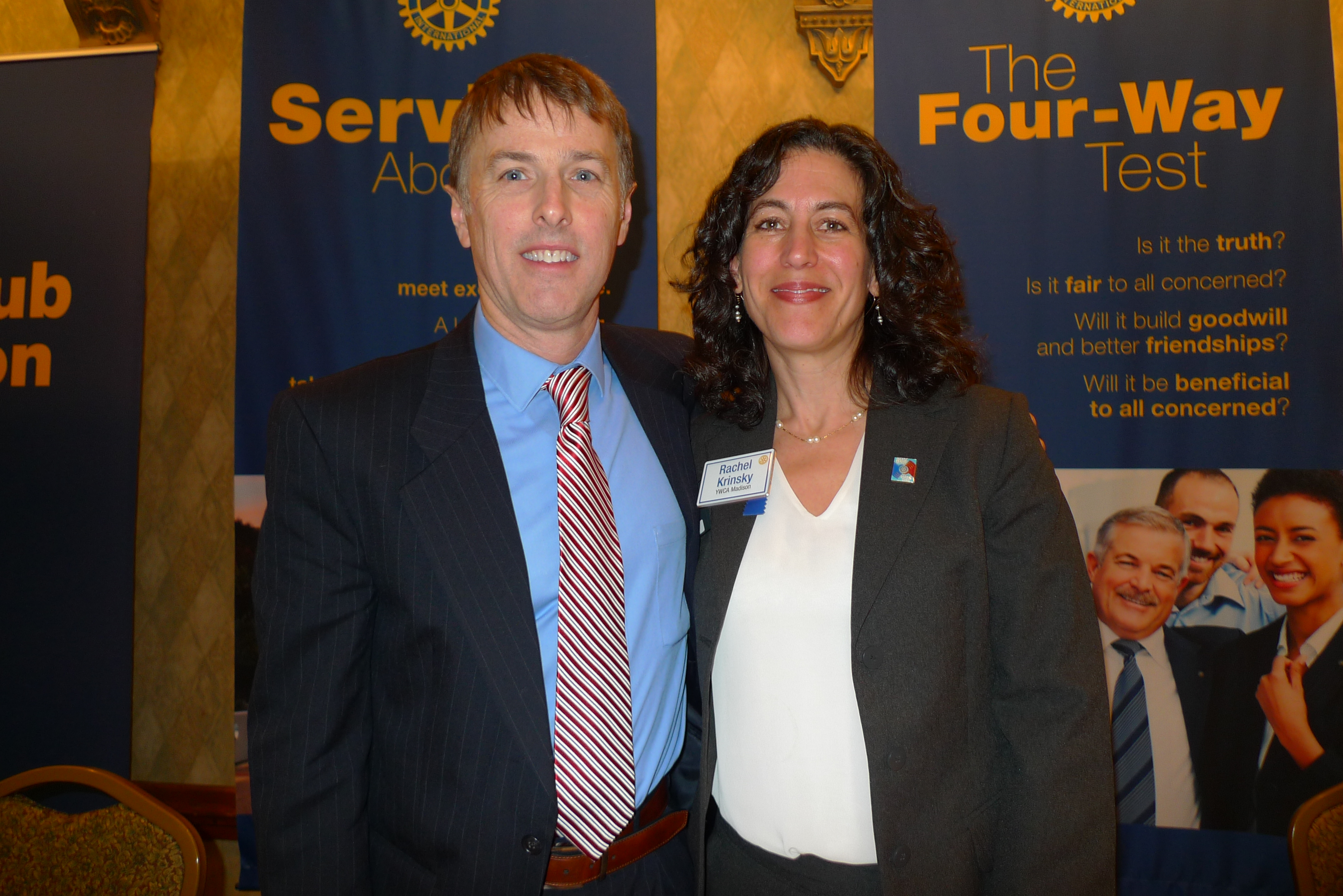
Taylor Krinsky

Downtown Rotary is filled with civic and business leaders who influence hiring decisions as well as the culture within their organizations, Wednesday’s speakers said.

And so businesspeople in Rotary should help accomplish a community goal of increasing the employment and earnings of at least 1,500 currently unemployed or underemployed African-American parents by 2020.

That goal was set out in a joint presentation by Ken Taylor, executive director of the Wisconsin Council on Children and Families, and Rachel Krinsky, CEO of YWCA Madison.

The two said progress will require a special level of effort by business leaders; it will not occur naturally. Leaders must be flexible and creative, Krinsky told the gathering: “Just being fair,” which Rotarians have no doubt been, “has not gotten us to where we want to be.”

Taylor told the group that while pursuing diversity is the right thing to do, it is also an imperative because a more diverse, younger generation will drive business growth in coming years.

The two listed what will be required for success:

  • A commitment by corporate, public, nonprofit, health and higher education employers to significantly increase the diversity of their workforces;
  • Outreach to connect with targeted families;
  • An increase in the number of jobs that pay family-supporting wages;
  • Additional public and private investment in the agencies that provide job training and placement;
  • On-the-job supports to encourage retention and advancement of targeted new entrants to the workforce.

The two also focused on what business leaders should emphasize: leadership, skill building and hiring practices.

Under leadership, they pointed to a personal and organizational commitment, communication, strategic planning, tenacity and accountability.

For Rotarians to develop skills and get educated, they suggested reading, training and workshops, talking with credible peers who have expertise and using consultants.

And employers should review hiring practices, network, review position descriptions and explore the question of “fit.”

 If you would like a copy of the PowerPoint presentation used by this week’s speakers, contact the Rotary office at rotaryoffice@rotarymadison.org, and they will email you a copy of it.