Tag Archives: Madison WI

Building a New Vision for Downtown Madison

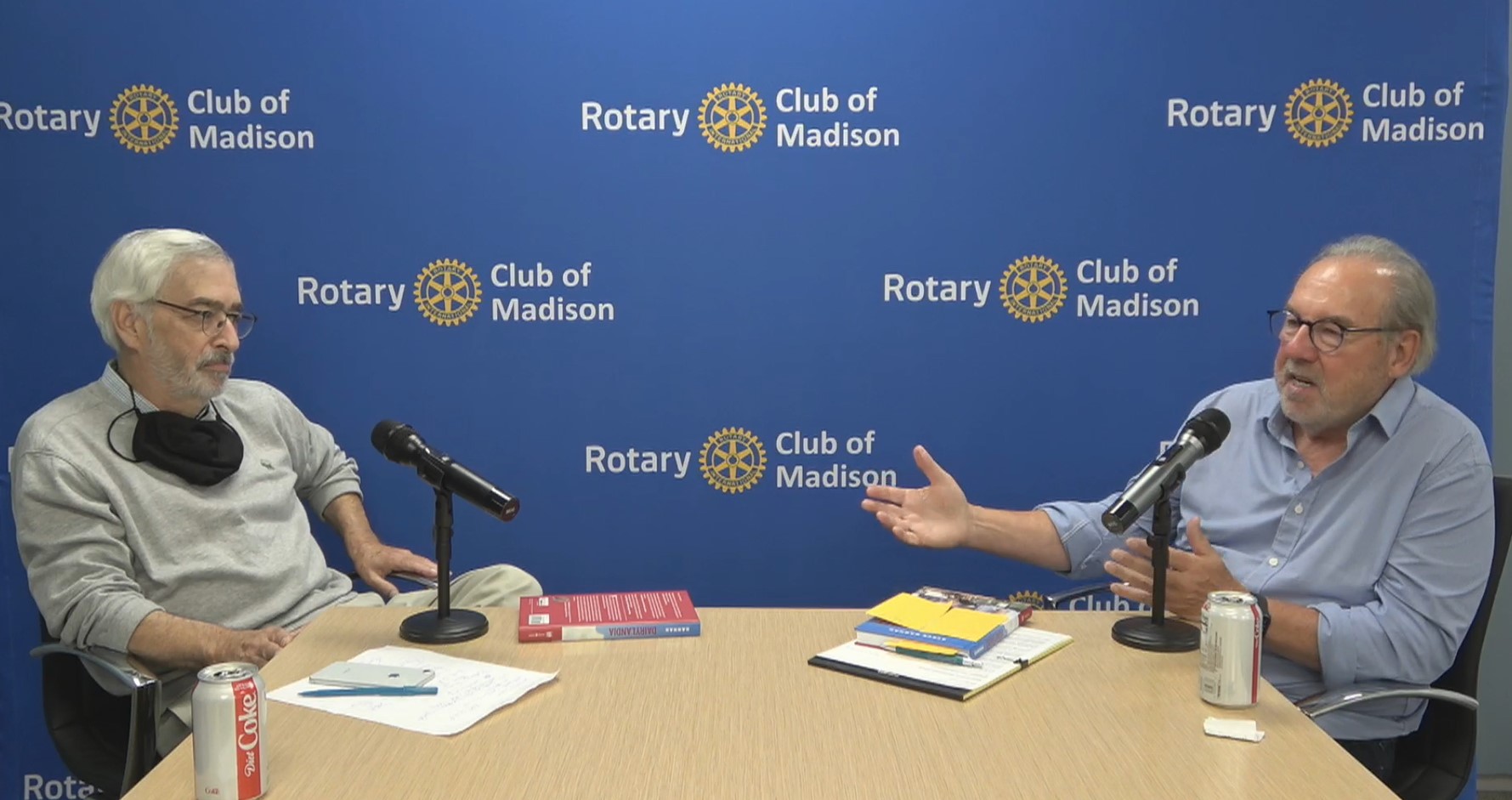
Club President Jorge Hidalgo (left) pictured here with guest speaker and fellow Rotarian Jason Ilstrup (right)

The recent protests calling for social justice and racial equality have awakened many to the challenges people of color face daily that create barriers to business ownership and feeling safe and welcome downtown.

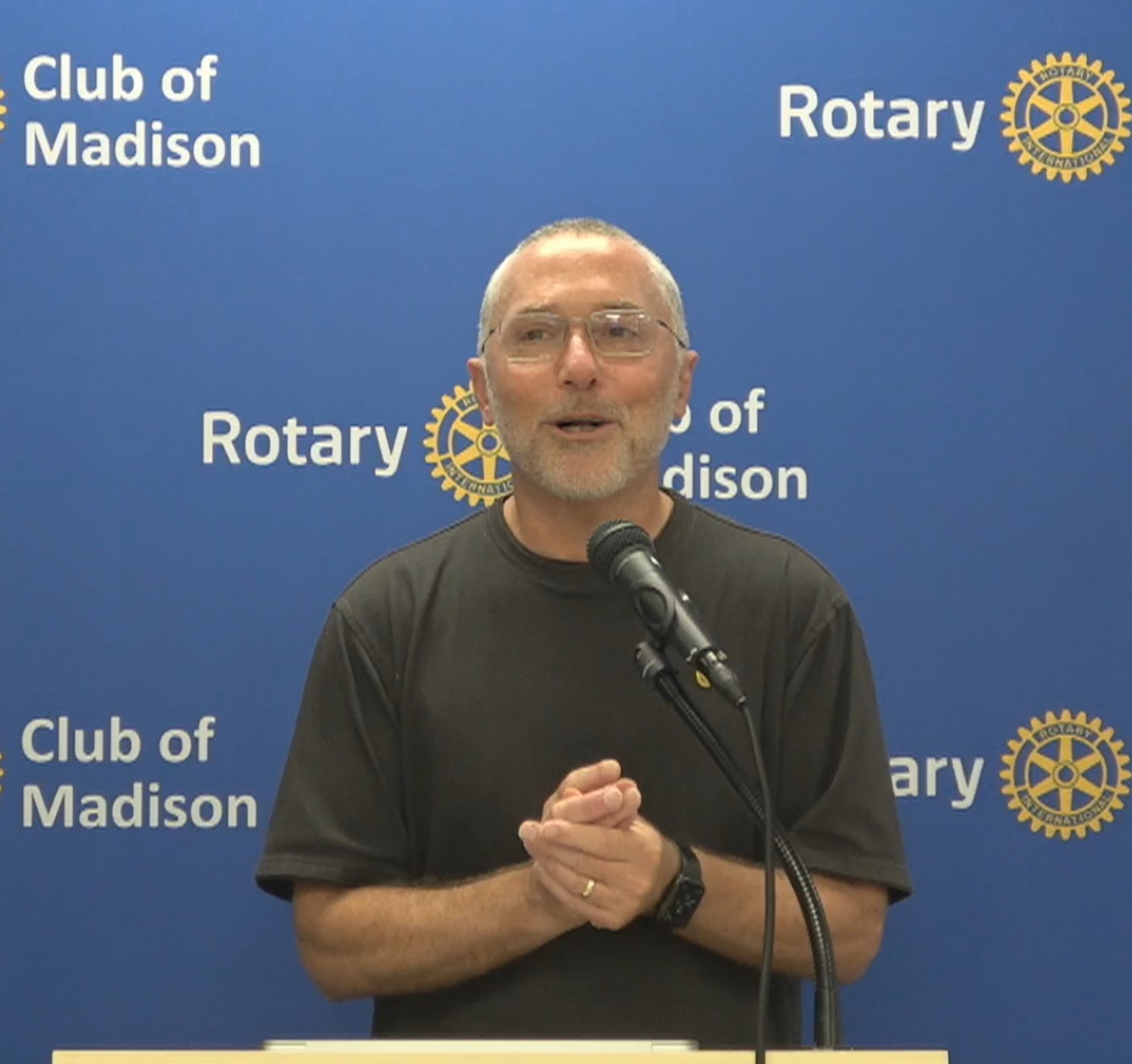
Downtown Madison, Inc. President Jason Ilstrup defined the “downtown” footprint adding that the Business Improvement Impact’s footprint is more centrally focused around the square. Eighty-five percent of downtown residents are 18-34.  Many are college students who may not return to living downtown at this time. Also, many employees are working from home. Events and tourism are also on hold. Thus, the footprint of people living, working and visiting downtown has shrunk.  Seventy percent of revenue for shopping/retail comes from events and tourism; our economy is challenged.

COVID-19 has shed light on the racial disparities that exist in our community – including business ownership, employment, transportation, health care, education and safety. Now is the time for us to address these issues and be change agents to create a downtown that is truly welcoming. Dense cities have creative centers, employment opportunities and create the environment for regular collaboration to meet diverse needs. We need to invest intentionally to create a thriving, diverse center.

DMI has assembled a Downtown Recovery group to develop short- and long-term actions to support economic recovery and a welcoming environment that breaks down racial disparities. Goals include mitigating business closures, supporting entrepreneurs of color, increasing safety, making use of public spaces and finding ways to support safe outdoor and indoor retail/dining options. It will take a collaborative effort from businesses, the city, individuals, non-profits and the entire community to build this new vision.

Please send Jason your ideas for downtown’s future, order take out from local restaurants and buy local to support local jobs.

Our thanks to club member Jason Ilstrup for his presentation this week and to Emily Gruenewald for preparing this review article.  If you missed our meeting this week, you can watch it here:  https://youtu.be/Ow_Mys7ddgw.   
Meeting Some “Extraordinary Ordinary” People in Dairylandia

Born and raised on the east coast, Steve Hannah (right) fell in love with the Midwest years ago when a planned cross-country trip was detoured then cut short in Wisconsin. At our meeting this week, Brady Williamson (left) interviewed Steve about his new book, Dairylandia: Dispatches from a State of Mind, that captures the charming, extraordinary “ordinary” people of Wisconsin. Dairylandia features 30 of Hannah’s profiles he collected from around the state during his career as a journalist.

Hannah describes Wisconsinites as modest, humble and seldom “get too big for their skis.” He gave an example of a New Jersey lottery winner who spoke loudly of his “huge luck” and long list of expensive purchases he planned to make. By contrast, when he interviewed lottery winners on Fond du Lac’s “Miracle Mile,” a $1 million winner decided he’d purchase a Kitchen Aide mixer because he “liked to cook” and a teacher who won $100 million remarked quietly “it’s not too bad” to win such a sum after years of working hard for a teacher’s salary.

Hannah was struck by the open, candid, unfiltered stories people told him, especially elderly people who had lived extraordinary lives that seemed completely uninteresting to themselves. Hannah entertained us with a taste of these stories: words of wisdom from an elderly woman (try not to be boring, don’t tell others if your friends or neighbors are going out of town or you’re inviting a robbery), philosophies of a rattlesnake hunter and a woman who froze her pet robin because she just couldn’t bear to part with him. These were some of his favorite assignments that drew him closer to his adopted state and the people who quietly make it a wonderful, interesting place to live.

While we couldn’t offer Steve’s book for sale at the meeting as we normally would, it is available for sale on Amazon.

Our thanks to Steve Hannah and Brady Williamson for their presentation this week and to Emily Gruenewald for preparing this review article.  If you missed our meeting this week, you can watch it here:  https://youtu.be/7CwB1Mgmxro.

Rotary Membership Dues Modifications

Due to Covid-19 we’ve been unable to meet in person since March, and we’re unlikely to resume in-person luncheons before at least January. Even then, many members may prefer to wait longer to return.

Most members have been paying dues that include the cost of weekly meals, but many of us may not know that 46% of pre-paid meals are not actually consumed by members which helped fund our club’s operating expenses each year. The board recognized that continuing to charge members for meals they can’t consume is not sustainable, but we know that without the surplus generated by meals, the club would have an insurmountable operating deficit. That’s why an ad-hoc committee was formed to study this and make actionable recommendations. The committee included the following members:  Jason Beren, Jorge Hidalgo, Teresa Holmes, Jason Ilstrup, Andrea Kaminski, Charles McLimans, Mark Moody (chair), Valerie Renk, Haley Saalsaa Miller, Susan Schmitz, Rob Stroud and Rob Van den Berg.

The new approved dues structure reflects the true costs of the club and spreads them more equitably among the different types of members. Lower dues for Exempt and Life members will continue, in recognition for their many years of service and financial support to the club.  Standard members will pay $390 for dues per six months, and this is retroactive to July 1, 2020; Exempt members will see an increase in dues effective for the next billing cycle of January – June of 2021 from $185.50 to $235; and Life members will change to $225 starting July 1, 2021.

The Board acted under emergency authority to approve these changes.  Once the pandemic emergency has subsided to the point where a membership vote is possible, the revised dues structure will be put to a vote of the members.  We believe these changes to our dues structure are necessary and appropriate to assure the financial viability of the club.  We agree that the elimination of the meals subsidy was overdue and necessary, and the dues now reflect the true cost of operation of the club.

Our ad-hoc committee will hold a Zoom Q&A on August 20th at noon for interested members who have questions or want to hear more background.  A letter about this new dues structure was mailed to members on August 11, and a link to the August 20 Zoom meeting is included in the Friday, August 14 email from the Rotary office.

Jorge Hidalgo, Club President


Reopening UW-Madison for Fall 2020

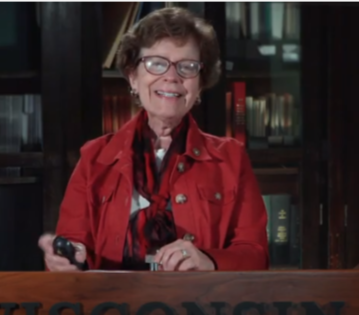
Rebecaa Blank 8 12 20When UW-Madison closed campus in March, 8,000 classes were converted to remote learning. Thirteen days later, 97.5% of classes were online. Closure was a heavy lift, but reopening is a much bigger lift.
UW-Madison faces similar challenges we all are due to the pandemic. Revenue streams are slim, PPE expenses are increasing, and the environment is constantly changing making planning and budgeting difficult. All plans must remain responsive to best serve students, employees and the community.

Currently, UW-Madison will use a hybrid teaching model, blending small-group in-person teaching with virtual teaching for large classes. The class schedule will include classes in the evening, Fridays and Saturdays to keep students physically distanced and classrooms clean. Students will be required to take a pledge to adhere to hygiene protocols (masks, hand sanitization, temp checks, testing, social distancing) and faculty may take disciplinary measures should a student resist complying. Employees must also adhere to these protocols and workstations and work hours have been adjusted to reduce interaction.

UW-Madison is engaged in 320 approved or pending COVID-19 research projects to explore the virus and its impacts. One project is seeking to understand how and why the virus has localized mutations; for example, a strain in Madison is different from that in San Diego. This can help understand if an outbreak is due to community spread or travel into the community.

The university is facing a $150 million budget shortfall, and that’s if a full student body matriculates and pays expected tuition. There will be a long road to financial recovery, and it could be even longer should state support for higher education decrease. Nonetheless, Chancellor Blank is optimistic about the future. “Technology doesn’t replace in-person, live experiences. However, we will be teaching better after this for incorporating technology more fully in the classroom.”

Our thanks to Chancellor Rebecca Blank for her presentation this week and to Emily Gruenewald for preparing this review article.  If you missed our meeting this week, you can watch it here: https://youtu.be/VhwzjUvPtIM.

Can Wisconsin Transform the Lives of Black Women and Their Families?

submitted by Emily Gruenewald

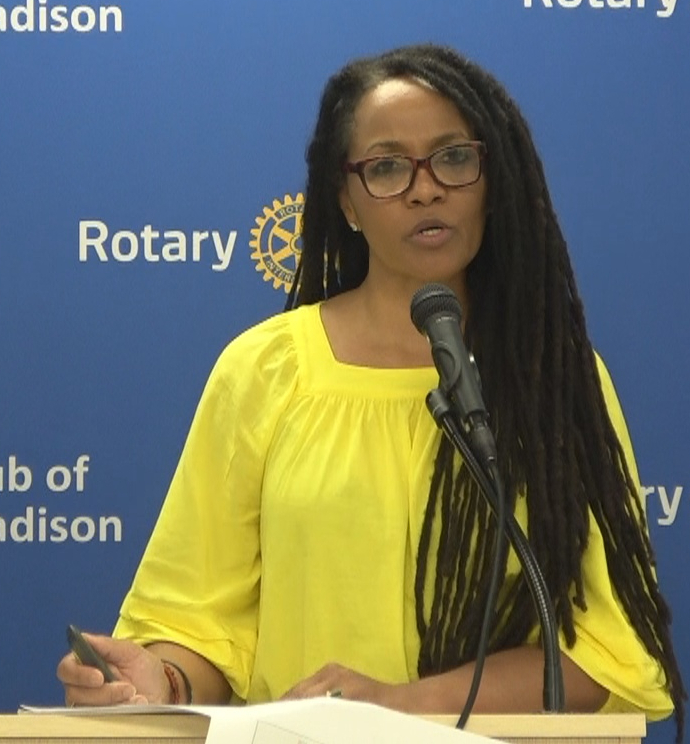
Lisa Peyton Caire 8 5 2020Lisa Peyton-Caire is the Founding CEO and President of The Foundation for Black Women’s Wellness (FFBWW), a Wisconsin based organization committed to eliminating health disparities and other barriers impacting Black women, their families and communities.
When Lisa’s mother passed away from heart disease in 2006 at the age of 64, she reflected on the number of black women in her life who had died in middle age. She realized her mother’s death wasn’t an anomaly and began researching the broader influences on Black women’s health. Since forming FWBBW in 2012, the Foundation now serves over 5,000 women and girls each year through direct health education, wellness programming, leadership development and advocacy while mobilizing women and community partners to be change agents in advancing health equity.

Wisconsin is number one in the nation for: racial inequities, economic inequities, health disparities, birth disparities, educational disparities, Black child poverty and over-incarceration. These disparities and inequities create a constant stress on daily life that negatively impacts overall health and wellness for Black women and their families. Lisa encourages us to read the “Saving Our Babies Report” (http://ffbww.org/savingourbabies/) to understand the significant health crisis Black women and children face in Dane County, and the initiatives to advance maternal, child and family wellbeing.

When asked what we can do to help transform the systems impacting Black women’s health to take Wisconsin from being the worst place to raise a Black child to one of the best, Lisa said, “Don’t assume you have the answers.”  She encourages us to, “Go directly to those who are impacted and ask, ‘What do you need to build the infrastructure to make these changes?’” Call FFBWW to start a conversation to learn more deeply about the issues. Become an advocate in your network and support initiatives that will transform Wisconsin into a leader in health equality.

If you missed our meeting this week, you can watch it here: https://youtu.be/PazT9BZNoKc.

The Future of Restaurants – A Challenge

submitted by Linn Roth

Greg Frank 7 29 20Greg Frank, a co-owner of the Food Fight Restaurant Group in Madison and current Treasurer of our club, gave an overview of the history of restaurants, their current status and future challenges facing the industry during these uncertain Covid-times.  Most recognize that the restaurant business can be quite difficult, and operations must survive on very low margins, typically less than 5%.  Nevertheless, restaurants are an integral part of virtually every community, and have been so since the late 18th century when the first restaurant opened in France.  The first American restaurant established, Delmonico’s in New York City, was established in 1830, and restaurants throughout the world have evolved in a variety of formats over the years.
Since 1970, restaurant sales in the US have grown from $43 billion to approximately $900 billion, with over 17 million employees working in the industry.  However, that was before the Covid crisis struck and severely impacted virtually all types of restaurants.   The situation in Madison is no different than any other area in the country.  Restaurants are struggling to change their business models and survive until the crisis has ended.   Unfortunately, lay-offs have been rampant, and other common changes include a focus on delivery and curb-side pickup, as well as outside dining whenever possible.

Regardless of when the health crisis ends, it seems likely that restaurants will be making a considerable number of changes to survive and prosper in the future, and Greg touched on several of these that we could expect to see.  For example, establishments might become smaller to reduce capital costs, incorporate new technologies (e.g. wireless links and digital menus) to improve efficiency, offer limited gourmet dining, provide prepackaged meals and drive-through pickup, and even use “ghost kitchens” that provide food to a number of establishments utilizing a single, centralized kitchen.

Certainly this industry will change significantly over the near and longer-term future, but it behooves all of us to support our local restaurants in order to enable this essential component of our community to evolve and prosper.

If you missed our meeting this week, you can watch it here: https://youtu.be/dD1t2pI3MuY.