On February 14th, our Rotary Club was privileged to hear a presentation by Blake Roberts Crall. She is the Program Manager for the Madison Forward Fund which in 2022 launched the Basic Guaranteed Income Experiment granting individuals $500 per month for one year. The participants’ income was below the poverty level of $14, 580 per year. Of the 3000 individuals who qualified, 2000 applied for the program with 150 being selected at random. Of the participants, 82% were women with 49% being Black and 18% being Latino. The yearend analysis is not yet complete, but the 8 effectiveness measures included such things as financial stability, mental and physical health, work force participation and housing security.
The future of Dane County is in good hands! That was my biggest takeaway from my first experience with the Rotary Ethics Symposium. At a time when so many things divide us, it was incredibly affirming to witness the thoughtfulness and compassion of our next generation of leaders.
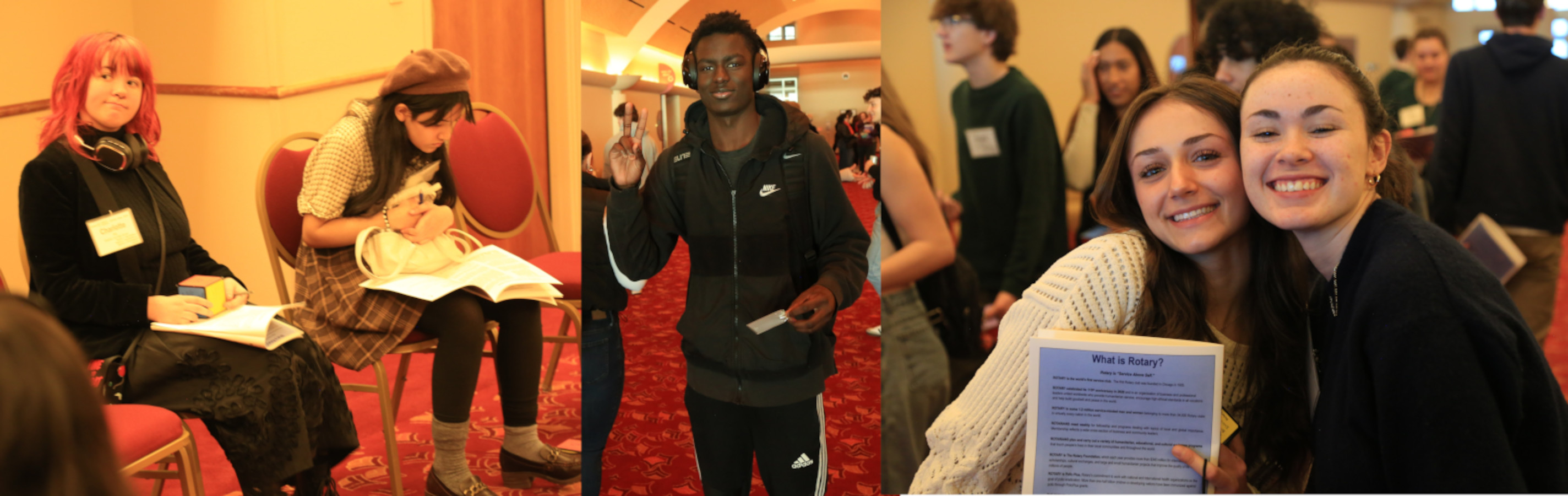
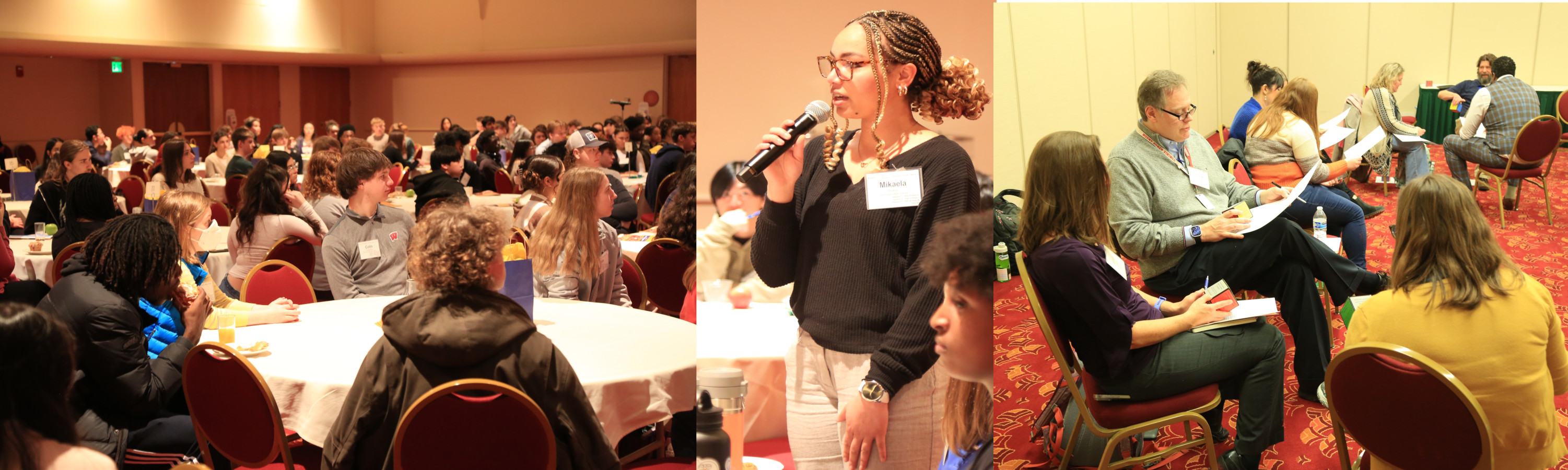
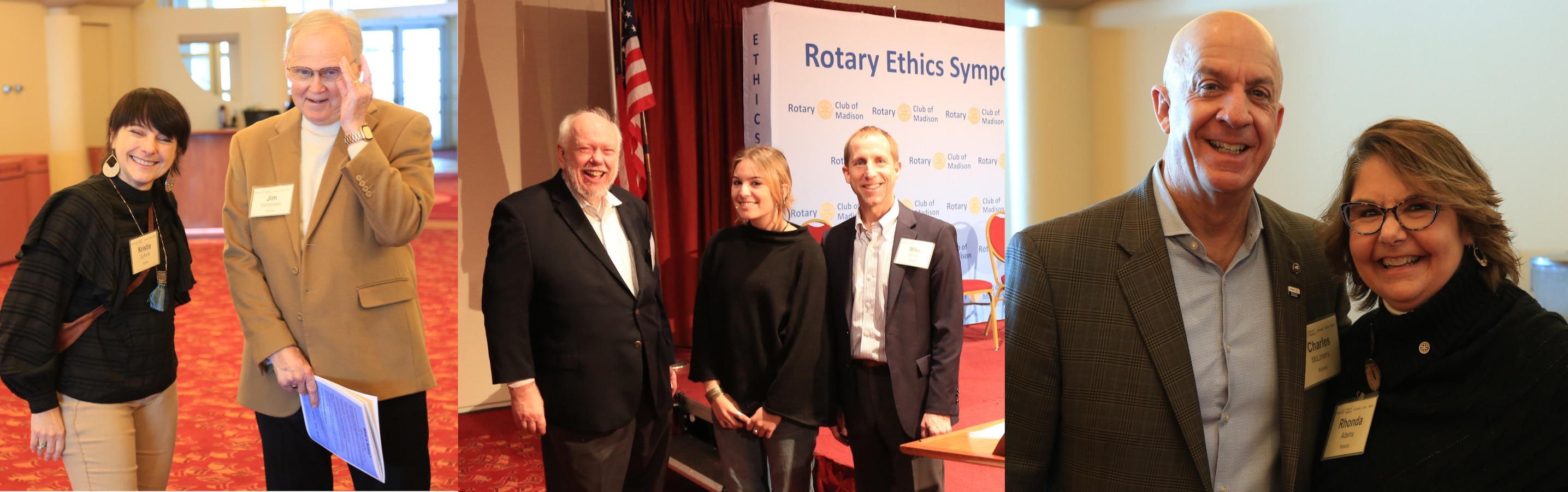
On February 9th, the 2024 Rotary Club of Madison Ethics Symposium brought together 160 high school juniors from 19 Dane County high schools at Monona Terrace, accompanied by 62 dedicated Rotary volunteers.
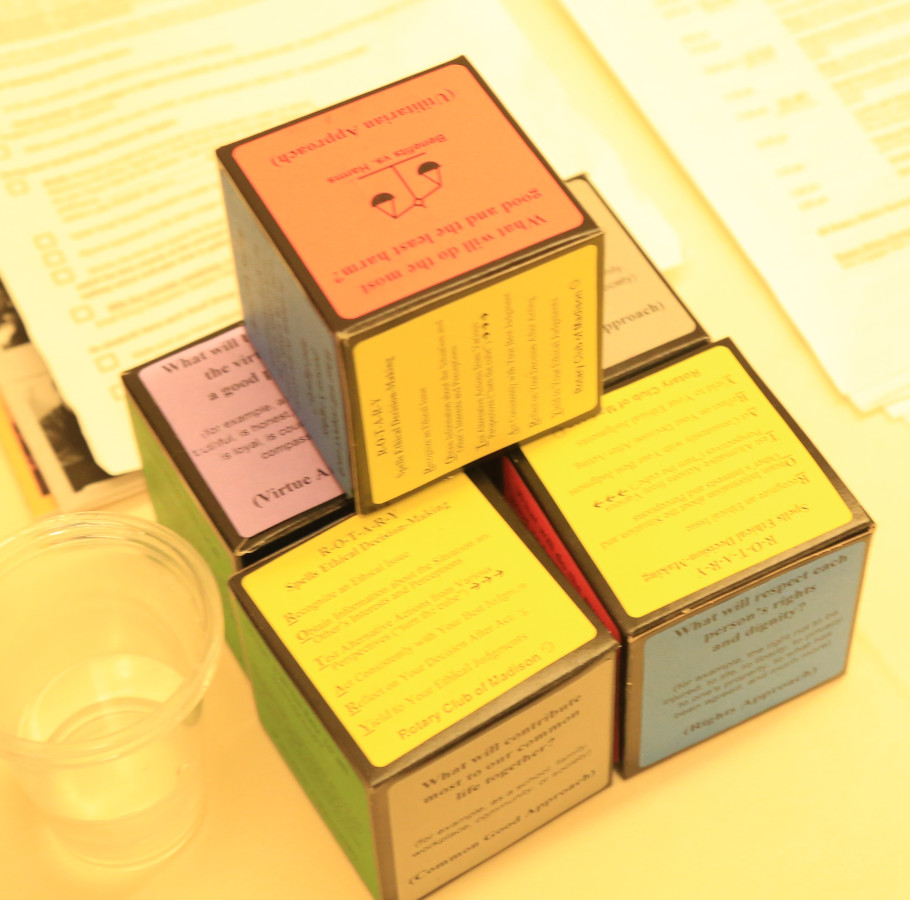
The symposium centered around the “R-O-T-A-R-Y Framework for Ethical Decision-Making,” aimed to equip these young minds with the tools and perspectives necessary to navigate the complexities of ethical dilemmas they may encounter in their lives.
The students were selected by invitation from their social studies teachers or through their AP Government classes. For many, being chosen to participate was an honor, marking them as emerging leaders in their communities.
The event was not just about theoretical discussions; it was a transformative experience for the students that gave them real-life experience with tough ethical dilemmas. One ethical quandary involved a high school student who confided in a fellow student that she was being bullied, and that she “couldn’t take it anymore,” but who asked her friend not to tell anyone. Another scenario asked students to take sides in a debate over allowing non-US citizens to vote in local elections.
Throughout the day, students learned how to approach difficult conversations, realizing that different perspectives could emerge from the same set of facts. The small group discussions were particularly instrumental in fostering an environment where students felt safe to express themselves without fear of judgment. As one participant astutely observed, “Every decision comes with a consequence,” highlighting the importance of thoughtful consideration before acting.
Most importantly, the experience instilled confidence in these young leaders. They learned the value of empathy, critical thinking and logical reasoning in making ethical decisions. Moreover, they discovered the power of their voices and the importance of being heard in a respectful and supportive environment.
The students were hesitant and quiet as the day started. In the first breakout session, voices were barely audible, and you could hear a pin drop. As the day progressed, a transformation occurred. Students gradually found their voices and embraced the opportunity to share their thoughts and opinions. The symposium provided a platform for them to gain confidence and step into leadership roles, empowering them to effect positive change in their communities.
It was evident that the symposium had a profound impact on both students and volunteers alike. Volunteers were inspired by the passion and enthusiasm of the young participants. And the students were reminded of the importance of ethical leadership and the role they play in shaping the future.
One of the most significant takeaways from the symposium was the realization that ethical decision-making is not just about following rules; it’s about understanding the consequences of our actions and considering the perspectives of others. By providing students with a framework for ethical decision-making, the symposium equipped them with the tools they need to navigate the complexities of the modern world with integrity and compassion.
At the end of the day, participants were asked to put their newfound knowledge into action. They were challenged to share the R-O-T-A-R-Y framework with at least one other person and encouraged to invite Rotarians to lead ethics symposiums at their schools, suggesting that students lead a symposium with their high school faculty as participants.
In its 22nd year, our Rotary Ethics Symposium continues to be a beacon of ethical leadership in the community. Through its commitment to fostering dialogue, empathy, and critical thinking, the symposium empowers the next generation of leaders to create a better, more ethical world.
As the students of the 2024 symposium embark on their journey, they carry with them not only knowledge but also a sense of purpose and responsibility to make a positive difference. And create a more ethical world.
For more photos, visit our club’s Facebook and LinkedIn Pages as well as Instagram.
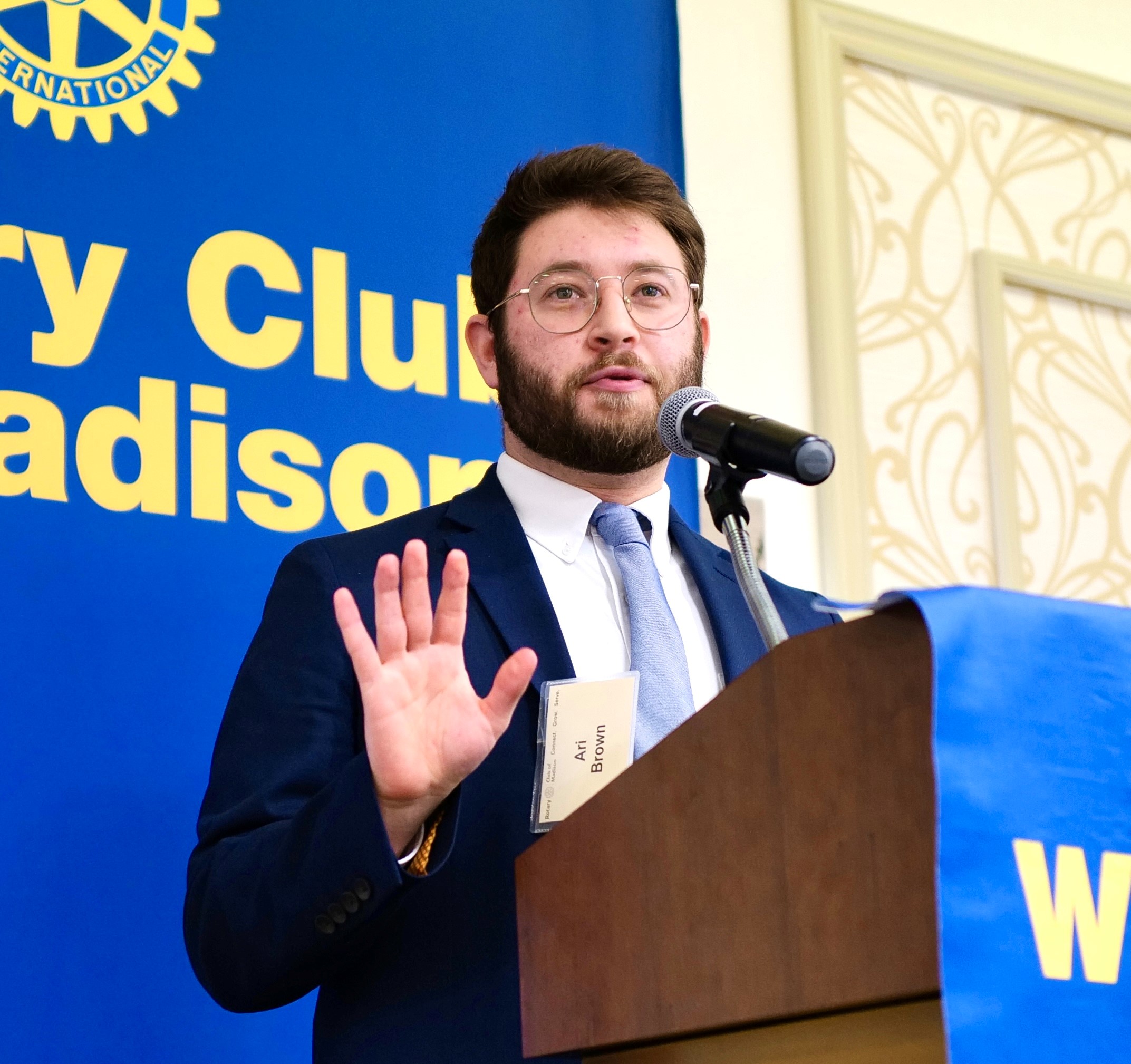
Ari Brown, senior research associate at the Wisconsin Policy Forum, presented data from two recent studies conducted by the non-partisan organization that examined marijuana laws nationwide. They found Wisconsin is one of 12 states in the country without a medical marijuana program and one of 26 that doesn’t allow recreational marijuana. Each state uses a different system for taxes and eligibility requirements. Three of Wisconsin’s neighboring states – Michigan, Illinois, and Minnesota – have legalized recreational marijuana and 50% of Wisconsin residents now live within a 75-minute drive of a legal dispensary. Michigan reported $2 billion in sales in 2023, Illinois had $1.6 billion, Minnesota’s recreational marijuana dispensaries won’t be set up until 2025. Brown noted that bills in Wisconsin to legalize marijuana for any purpose have repeatedly stalled and a new bi-partisan bill to legalize medical marijuana is unlikely to pass.
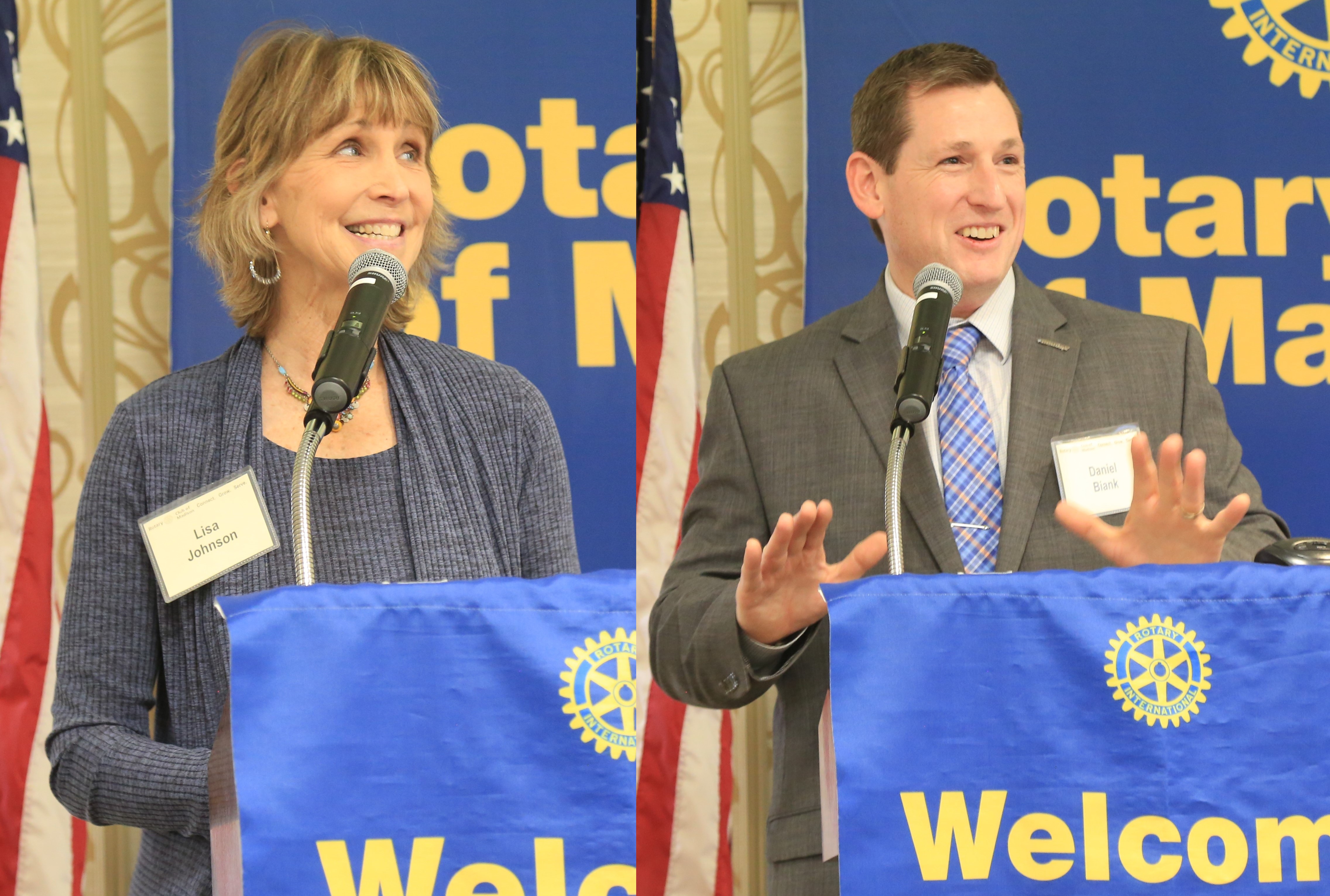
Bioforward’s Lisa Johnson and Accuray’s Daniel Biank spoke to the group about Wisconsin’s evolution as a biotech hub. Bioforward is a consortium of private and public partners working to change Wisconsin’s image to attract funding, talent and investment in our biotech industry. As part of their work, Wisconsin has now been designated as a Tech Hub and they are currently applying for Phase II grants to advance Wisconsin’s role on a global scale. Through private partners like Accuray, biotech can assist in developing personalize medicine, building economic assets in our state and addressing workforce challenges in the industry – ultimately improving health outcomes around the world.
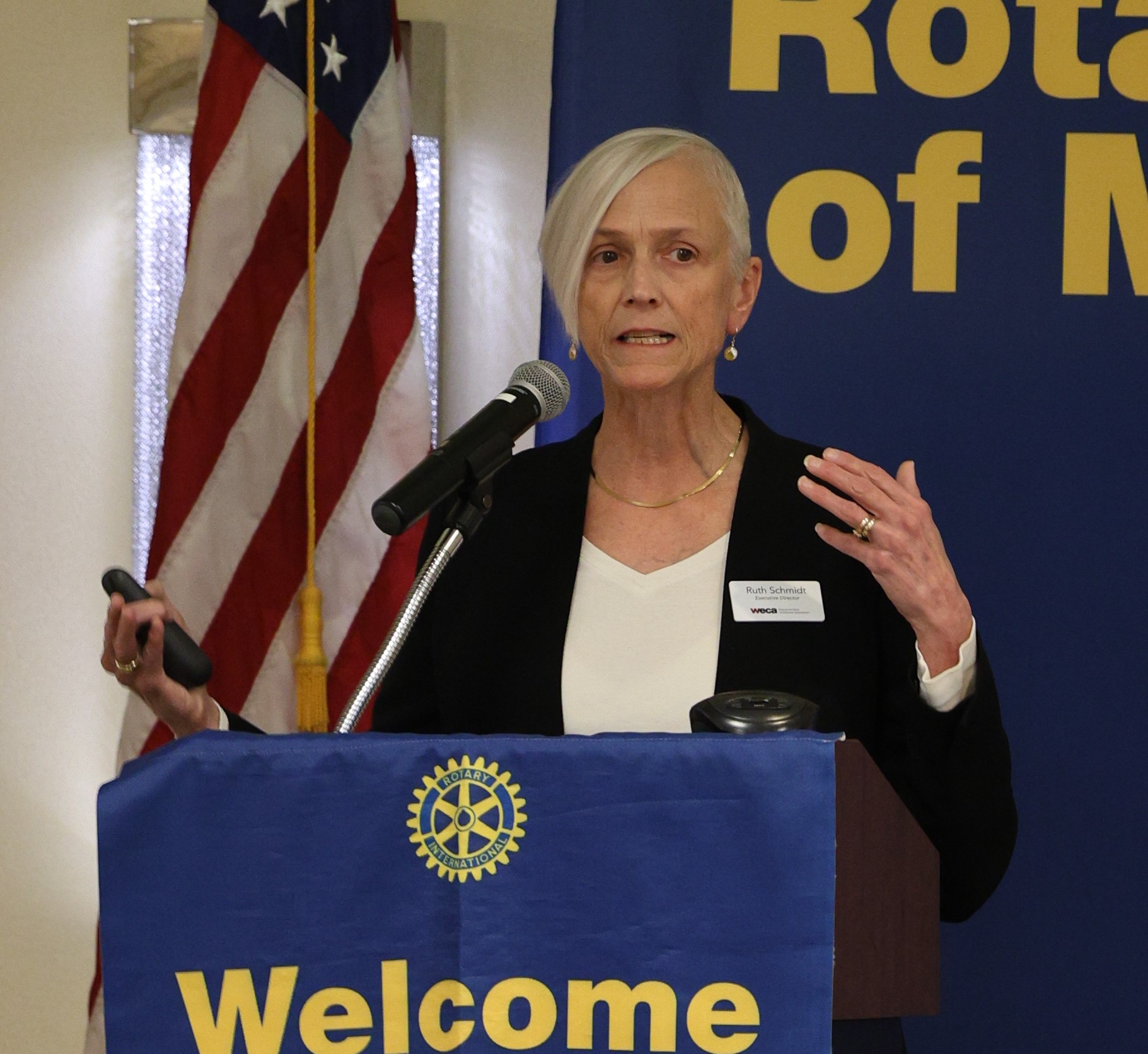
Wisconsin Early Childhood Association Executive Director Ruth Schmidt spoke to the Club about the current state of childcare in Wisconsin. She made the case that to have a strong workforce, we need to have a strong childcare system that is affordable to families, accessible and fairly compensates its workforce. Today, childcare workers with an advanced degree make an average of $12/hour with no benefits – and parents spend an average of 30% of their income in childcare costs. Ruth asked members to keep talking about the broken system and encourage Wisconsin to join other states in underwriting this critical component of workforce development.
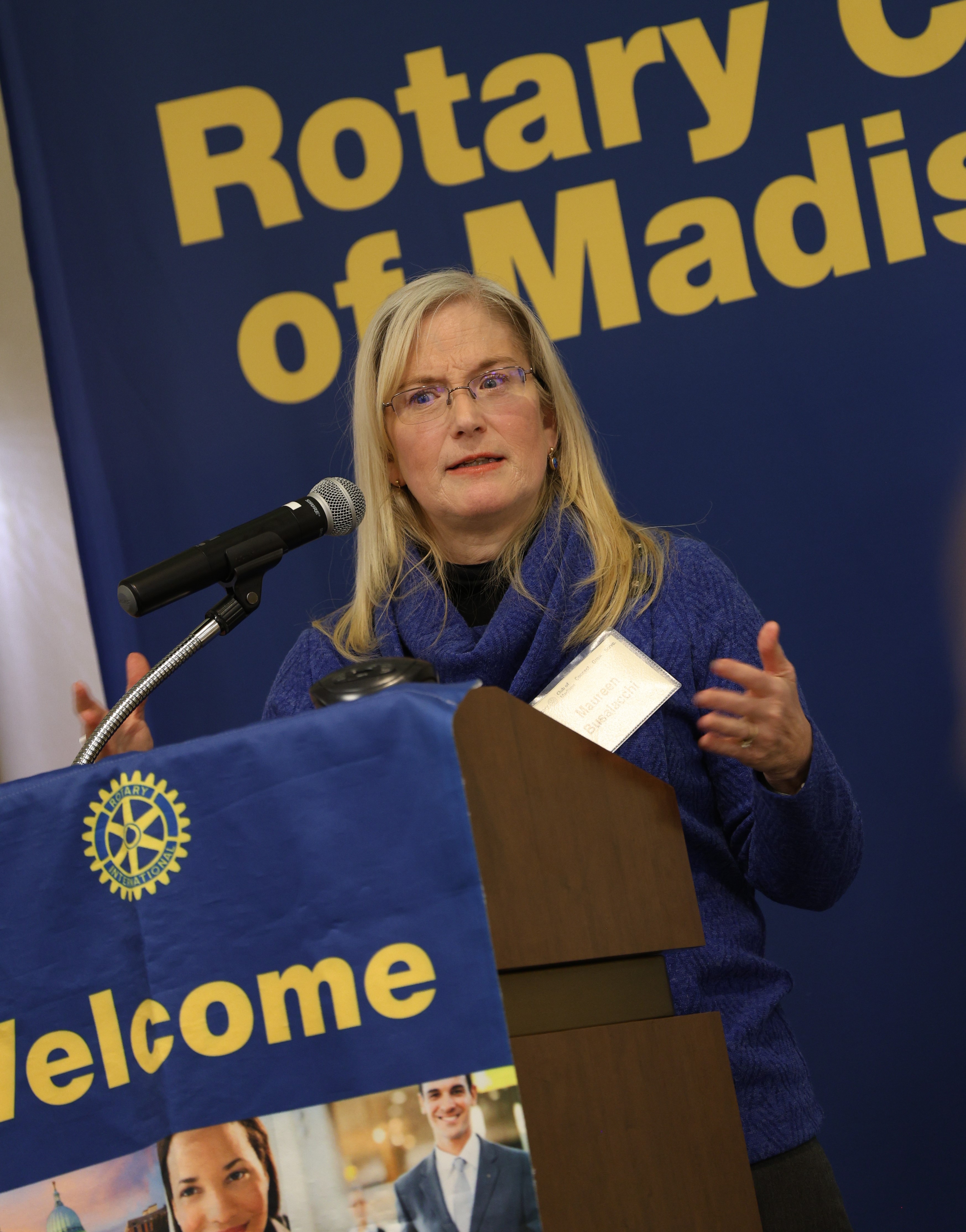
Maureen Busalacchi, Director of the Wisconsin Alcohol Policy Project, spoke to the group about the strong alcohol culture in our state and the ways that we can support calming that relationship to bring it more in line with the rest of the United States. Limiting our alcohol intake has many personal health benefits including weight loss, improved sleep, lower blood pressure, skin clarity – and more. We have the opportunity to change the culture by being more thoughtful and intentional about the role alcohol plays in our lives, events and communities as well as within our public health policy.


 Rotary Club of Madison, Wisconsin