Tag Archives: Rotary Club of Madison

Recent Summer Rotary Events

Saying “Aloha” to Bruna Perez on July 24
IMG_4917

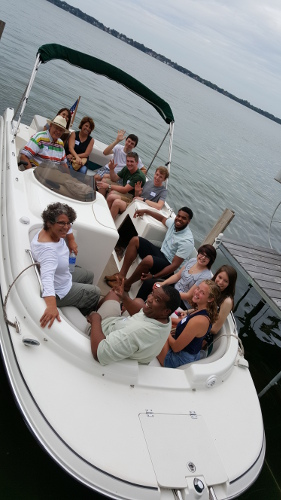
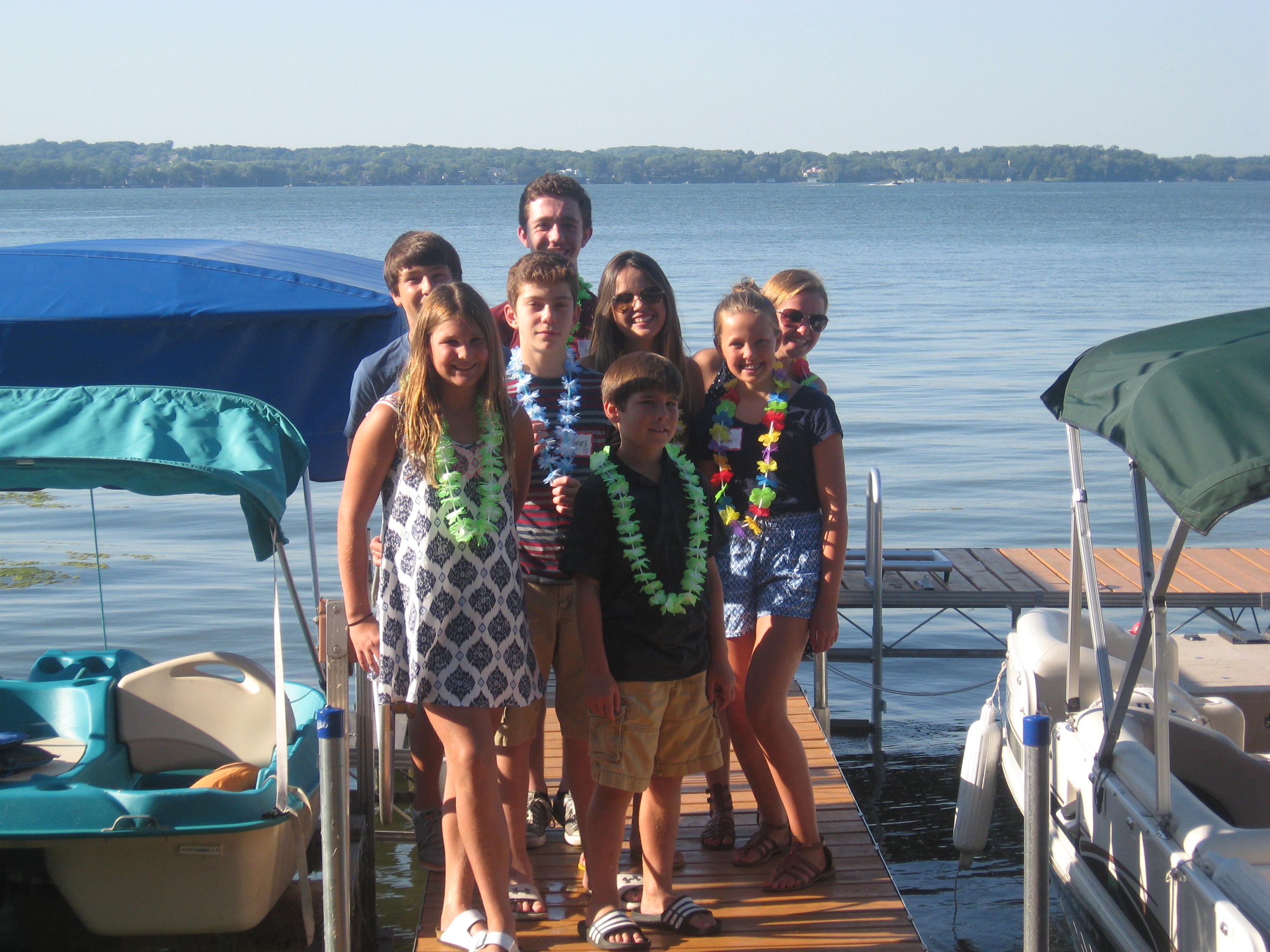
Our thanks to Dick and Noel Pearson for hosting a Going Away Party for Bruna Perez, our Rotary Youth Exchange student who attended Edgewood High School during the past school year.  Her host families were: Terry & Liz Heinrichs, Lynne & Paul Myers, and Trey & Shelly Sprinkman.  Bruna traveled back to her home in Brazil this week.

Bike Tour de Madison led by Paul Riehemann on July 25
013

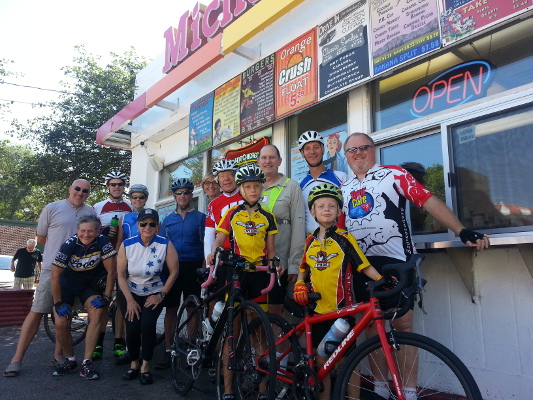
Thirteen members and their guests gathered for a bike ride on July 25 – the weather was beautiful!  Was followed by lunch at Bluephies on Monroe Street.  Much of the ride was in the Arboretum and on bike paths.  Flats – 0; Smiles – hundreds.

Hope you can join us on our next ride! …..August 8, Madison to Paoli, meet at   Break Away SportsCenter at 10am. Until then……

Wine Fellowshippers Gathered at Mixtacki Home on July 28

Photo3

Photo5  Photo9  Photo6  Photo10

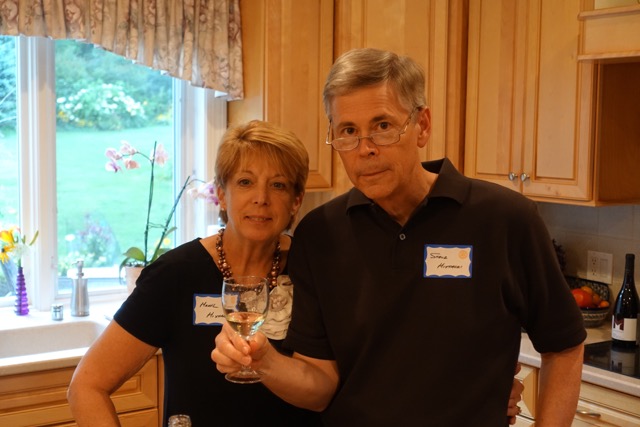
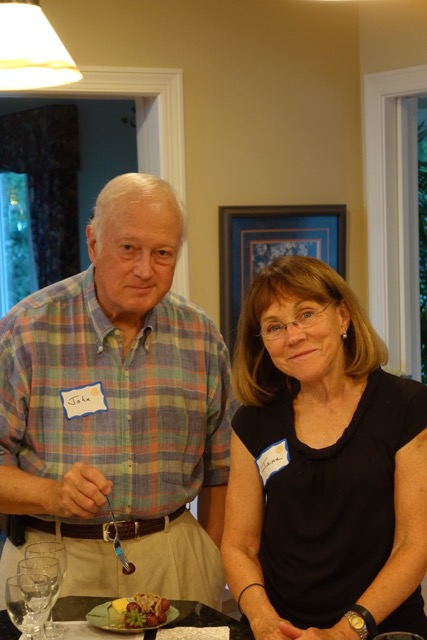
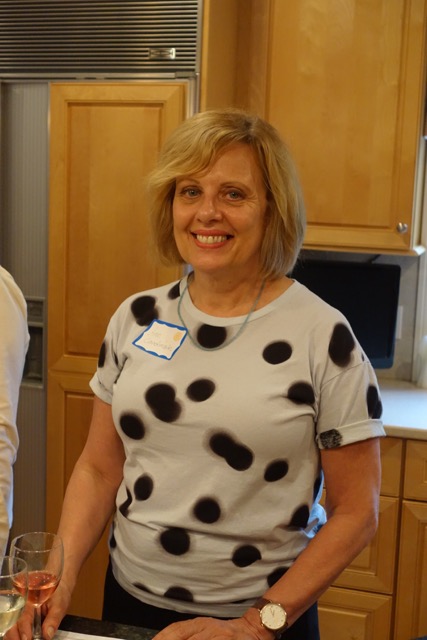
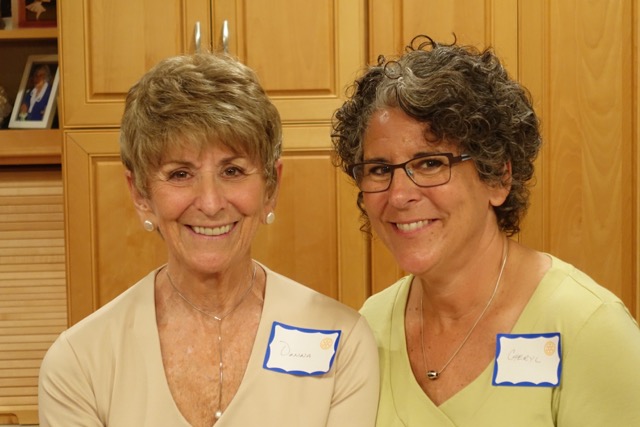
(Photo 1: Meryl & Steve Mixtacki; Photo 2: John & Jane Wegenke; Photo 3: Ann Cardinale; Photo 4: Donna Wittke & Cheryl Wittke)

Twelve gathered at the Mixtacki residence to taste wine including Rotarians, spouses, friends, and family.  Meryl Mixtacki had prepared breads, cheese, cold cuts, an olive preparation and chocolate coated strawberries.  These were marvelously displayed and enjoyed by all, complementing the wines tasted.

Three Oregon wines by the Teutonic Wine Company were followed by Fingerlake Region wines of Konstantin Frank fame. Then we switched to the Okanagan valley of British Columbia where we tried three reds and three whites the had been sourced by Mixtacki and Wilson following their visit last year to the region with the Wellensiek’s.

The Oregon white wines included a Pinot gris and two white blends.  One blend contained 60-70% red Pinot noir according to vintage and had a pink blush with small portions of Muller Thurgau, Chasselas and Silvaner.  The other had only had 25% Pinot Noir and the white wine grapes were 50% Scheurebe (Riesling and unknown grape possibly a wild cross and Huxelrebe, another cross).  These two crosses were developed by Scheu in the early 1900’s with rebe meaning wine hence Scheurebe, while Hexelrebe was to honor the grape vine distributor – I guess you cannot have too many wines named after you.  The fascinating thing about the Teutonic Wine Company is their success at being a real little German Winery in the heart of the Pacific Northwest.

Next we traveled to the opposite side of America, to the Fingerlakes district that the Mixtacki’s had visited some time ago.  We tried a semidry and dry Riesling and a Rose, from Konstantin Frank.  Konstantin had migrated from Russia in 1951 with a Ph.D. from Odessa, with his thesis being about Vitis Vinifera in the cold climate.  At that time the Fingerlakes district was firmly in the hands of the Hybrid varieties Crossings of the Vitis Vinifera [the cultivated vines] and an American native [wild vine] Vitis Lambrusca) allowed for the early wine industry to develop in the cold eastern states. In hybrids the european Vitus [species vine] Vinifera [wine yielding vine] provides the quality taste, while the American native wild [noncultivated/wild vitis/vine] provides the weather and disease resistance that is natural to wild American vine species given their millennia of local development.

As we know every Colony of early, and therefore Eastern America, had been charged with producing wine, silk and olive oil for supply back to the Homeland, and despite valiant attempts, including that of Thomas Jefferson, the european Vitis Vinifera just could not be established there.  In 1938 Mr Wagner (newspaper editor, write and amateur vintner) wrote the first book in English on grape growing and wine making – and he was to be the champion of Hybrid grapes that could grow in the cold climate and this resulted in an “East of the Rockies” wine industry.  There developed a prolonged war between Wagner and Konstantin Frank as Frank began to establish that vinifera could grow in the cold Eastern America. Konstantin Frank was said to be stubborn, but he indeed did demonstrate that vinifera could grow in New York.  Four Frank generations have made wine from Vitis Vinifera in the Fingerlakes. His son started the first local quality Method Champenoise under the Chateau Frank label, a grandson developed a second label wine label – Salmon Run. The family wineries won 129 medals in wine competitions in 2013 alone.  Now a Great Granddaughter has an MBA in wine from Adelaide University (Barossa Country of Australia) continuing as the 4th generation of a historic winemaking family.  Meagan Frank is mentioned in the latest Wine Enthusiast N.Y. Wine Country Supplement that arrived today!

Next we moved to the Okanagan Valley region of British Columbia, Canada.  This region makes all vinifera wines well and Wine Spectator recently described it as the second best wine region of the world to visit.  Both Steve and Mike had independently tried these wines when visiting Vancouver and this was the basis of the Rotary trio visiting.  We tried three whites, all Chardonnay.  These included two Meyer’s, their standard and a named vineyard.  We also tried NK’MIP (Inkameep) chardonnay, and all were excellent.  In keeping with the underlying theme of this tasting, this Indian tribe winery was the first to transition to Vitus Vinifera from Hybrid vines in the 1970’s with now a complete displacement of the hybrid vines.

Finally we tried three red wines.  First, a Meyer Pinot Noir that I believe has rekindled my love of Pinot Noir so good was the typical Burgundian Pinot Noir nose.  Next we tried a Laughing Stock Blind Trust red blend with the actual blend under a special flap that needed to be lifted to see the wine balance.  Unfortunately this wine was slightly “corked” so everyone had an chance to see an example of why wines can be returned in a restaurant.  Then we tried a Painted Rock Red Icon, and everyone was told the new winery was indeed an icon (we saw it the day they had a wedding due, and the building and site was glorious).  The owner looks like an icon, with an appearance similar to  Richard Gere.  This man was the person who told us of a way to obtain Okanagan wines as only one winery officially ships to the US.  Using invino.com I have been able to get continuing supplies, but I think you may have to contact them to display that part of their portfolio.

As expected everyone left after an evening of fun and fellowship.
It Was a Picnic and a Pleasure

–submitted by Maria Alvarez-Stroud; photos by Moses Altsech, Dennis Birke and Stan Kitson

20150726_164440

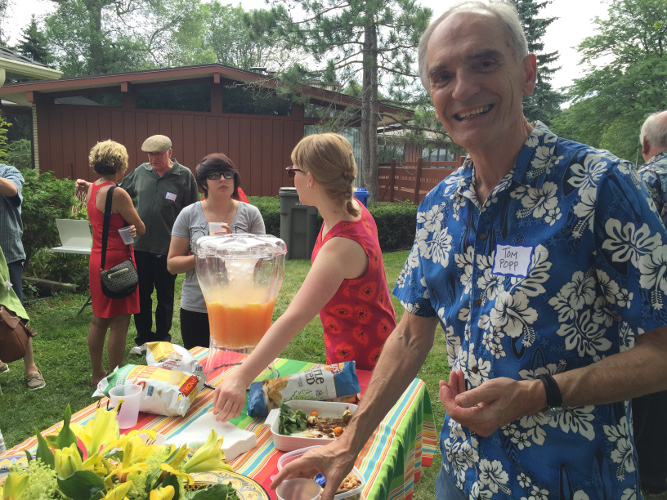
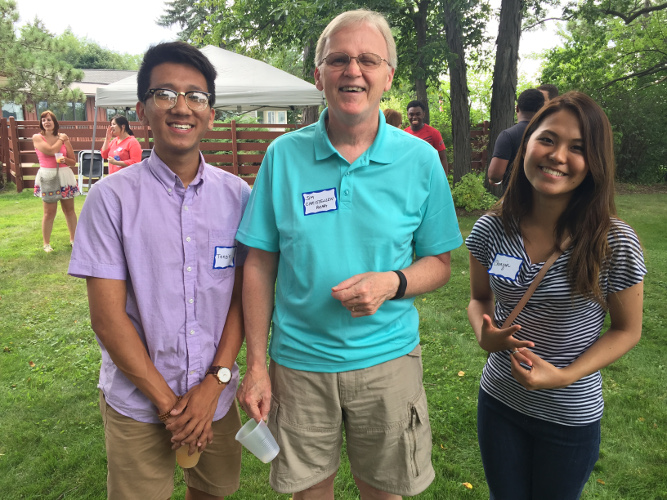
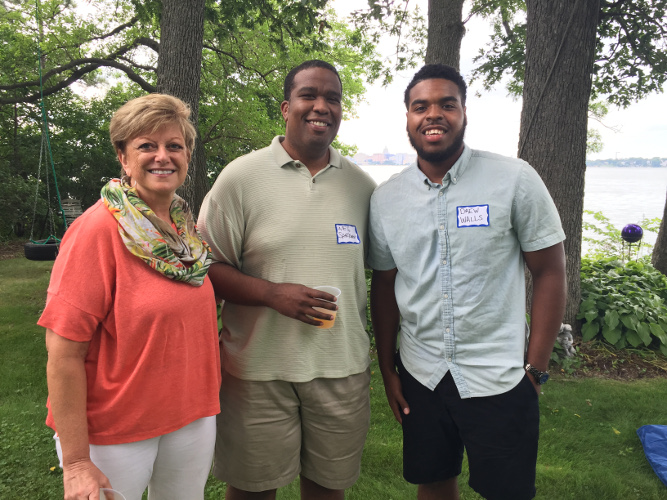
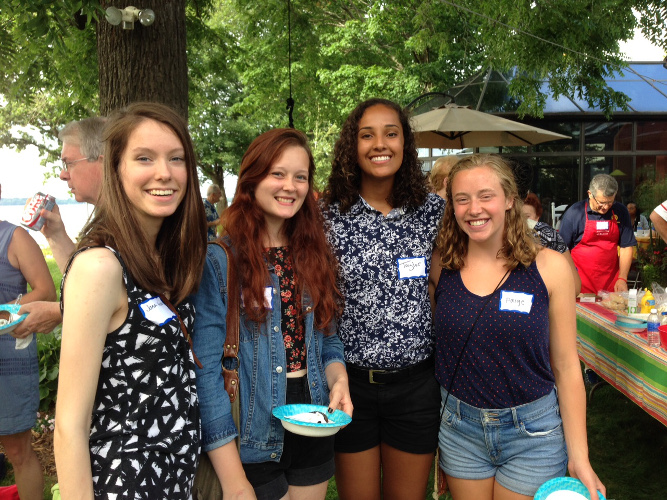
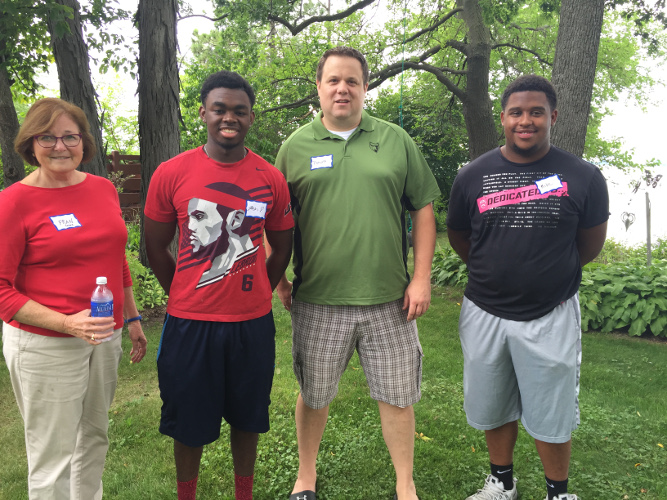
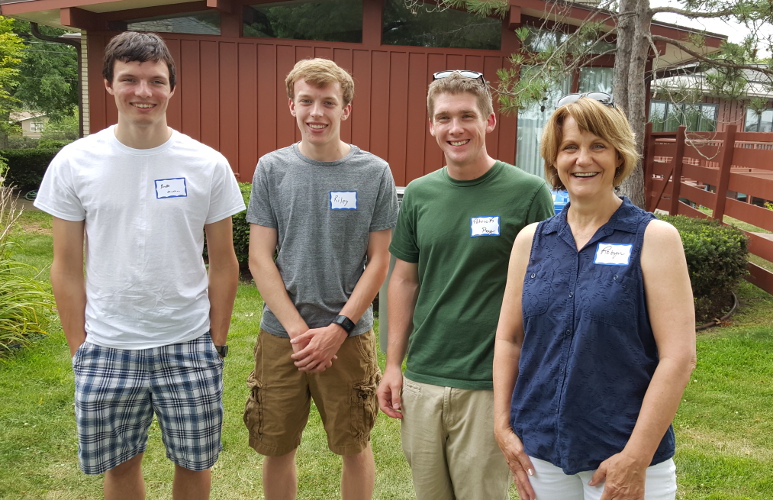
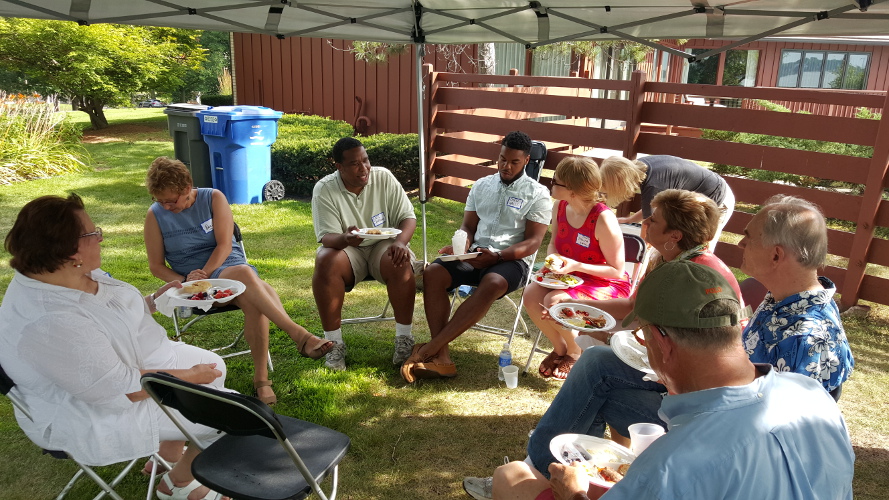
What a great event for Rotary Scholars and Mentors at the home of Nancy and Ed Young on Sunday, July 26.  As hoped for, the crowd included not only new Scholars heading off to various colleges both in Wisconsin and beyond but also past scholars who have continued to be connected to their mentors and to the Downtown Rotary Club.
IMG_0444As intended, the main focus was good conversation and tasty food.  For the Scholars, the picnic gave them the opportunity to get to know each other a bit more and compare notes about their plans for first years at college.  It was terrific to see multiple groups just chatting away, sometimes amongst themselves other times with their mentors at their side.  And for the Mentors, especially those that are new at this, what a great time to hear and see the kind of bonds that can be created.

IMG_0433  IMG_0431  IMG_0355

With well over 90 in attendance, kitchen committee members had their work cut out for them.  But Mentors did a good job in providing snacks, salads and desserts to compliment the hamburgers and brats provided.

20150726_151621  IMG_4930  IMG_4928

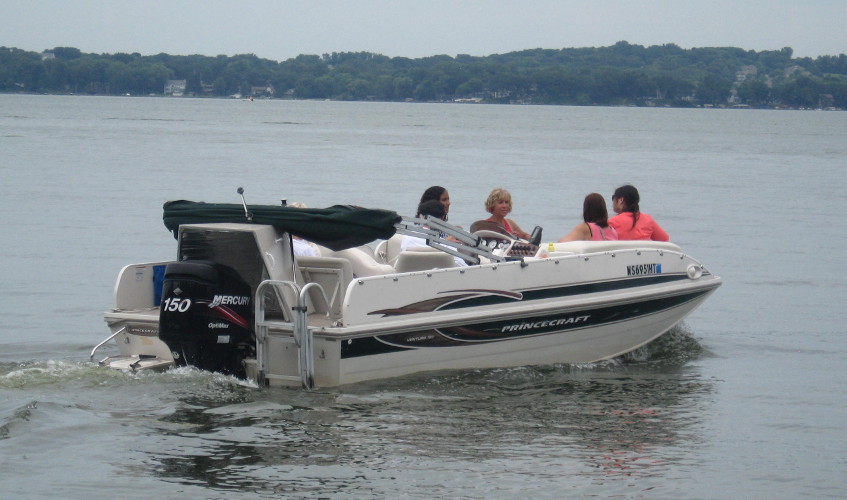
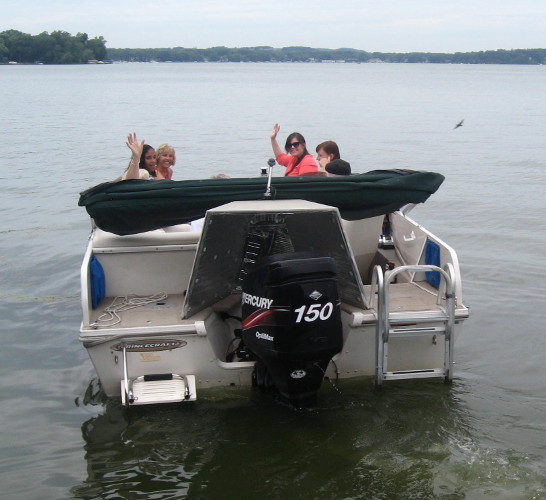
Dick Pearson and Ed Young were of course busy providing boat rides around Lake Monona.  And a couple of us were fortunate enough to actually arrive and leave by Dick’s boat; highly recommended, as he is a fabulous tour guide.

IMG_0424   20150726_150300

Thanks much to Nancy and Ed for letting such a large group of people take over their back yard and for their gracious hospitability.

New is Now

–submitted by Andrea Kaminski; photo by Pete Christianson

John Sheehan 7 22 2015In his presentation July 22, fellow Rotarian John Sheehan spoke about the soon-to-open UW Health at The American Center. Having grown up in Sun Prairie, Sheehan said the opportunity in 2013 to serve as President of this UW Health Center was what brought him back to Wisconsin from Cedar Rapids, Iowa. Scheduled to open August 17 in the American Center Business Park, this innovative campus will take a unique approach to healthcare. The Center’s philosophy is that healthcare is a “holistic endeavor where our mission is to not only diagnose and treat you when you’re sick but also to partner with you in health and wellness.”

Sheehan explained the goals of UW Health at The American Center:

  1. To be a center for elective and ambulatory surgeries, freeing up space at UW Hospital for transplants and other more complicated procedures;
  2. To offer a new access point for UW Health on the growing east side;
  3. To provide outreach to new communities, offering programs focused on wellness and prevention. Sheehan noted that this focus will help keep healthcare costs down and is consistent with the Affordable Care Act’s focus on population health;
  4. To be a place that fosters innovation in healthcare delivery because of the facility’s smaller size and lean management.

The center will have three wings: an emergency department; a clinic and ambulatory wing with exam rooms, 56 beds and 14 operating rooms; and a sports performance and wellness wing, which will offer classes and programs focused on prevention. Staff will use state-of-the art technology, such as electronic service badges designed to monitor patient flow and address any bottlenecks. There will be 24/7 consulting services via “telemedicine” which will allow patients to consult with their providers.

Sheehan credited architectural and building partners Flad and Findorff for creating a facility with a healing, quiet environment with outstanding art and such amenities as roof-top gardens for growing herbs and produce. Yes, herbs and produce, which will be used for nutrition classes in the demonstration kitchen.

Sheehan was particularly proud of the active participation of Patient and Family Advisors at every step in the design of the facility and programs. He invited Rotary members to attend opening events, which begin July 31. For more information see the Center’s WEBSITE.

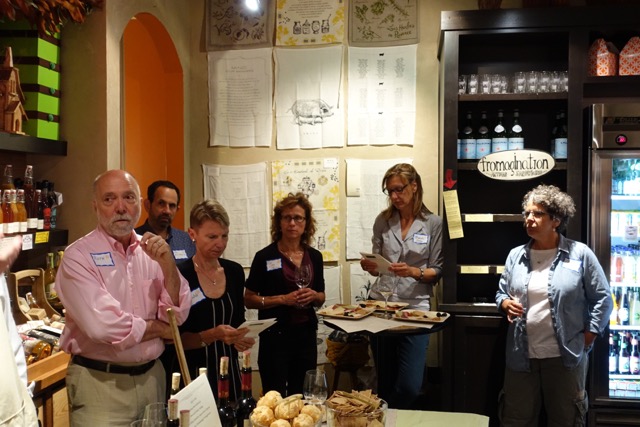
Wine & Cheese Tasting Event at Fromagination July 13

–submitted by Mike Wilson

Wine22

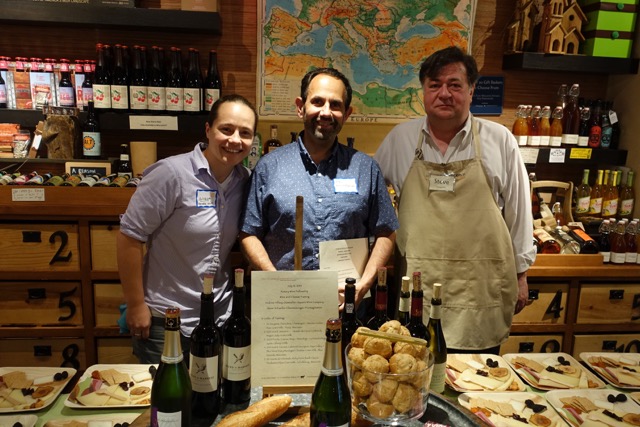
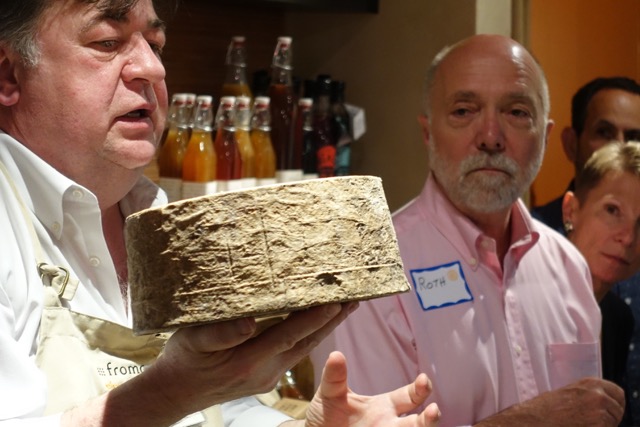
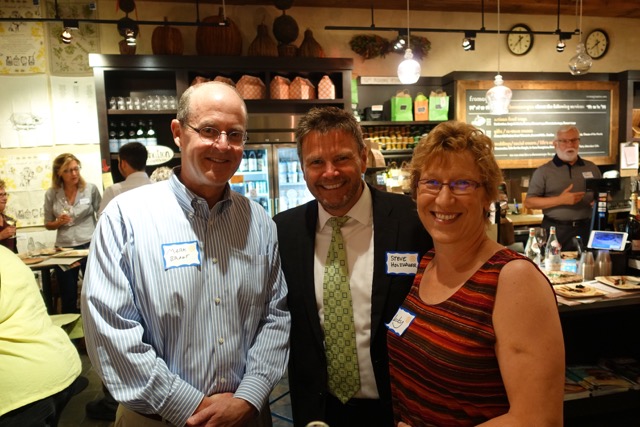
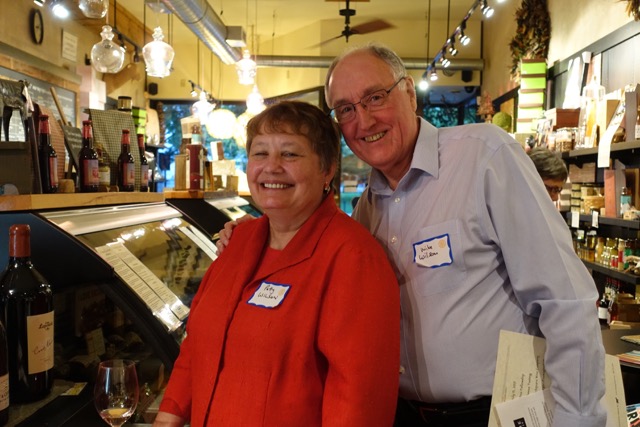
The Wine Fellowship Group met at 7:00 PM Monday July 13 at Fromagination for a wine and cheese tasting.  This is the third Fromagination event the Wine Fellowship has held over the years.  Rotarians, with spouses and friends attended, and the 23 attendees all had a terrific experience.  Ken Monteleone of Fromagination provided his employee Steve Schaefer as the “cheesemonger” and another helper for pouring the wine, and arranged for Andrea Hillsey, sommelier owner of Square Wine Company to supply and collaborate with the wines.

Wine13  Wine12  Wine2

The shop was arranged with beautiful platters of cheese, crackers, dried fruit together with bread and wonderful gougeres (French cheese puffs) to complement the wonderful selection of cheeses and wines.  These gougeres have been a trademark of the Rotary Fromagination tastings.

Wine20  Wine 25  Wine 24

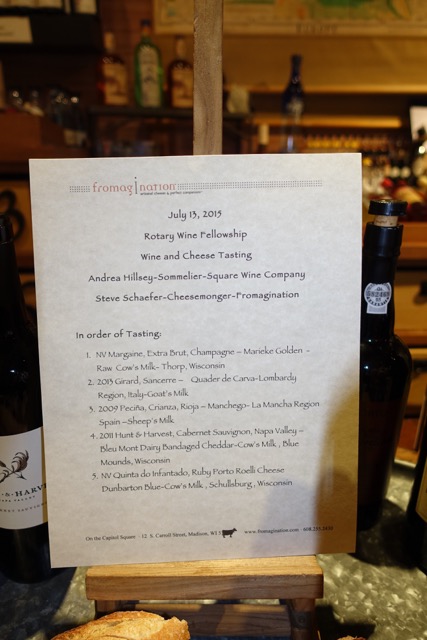
The “menu” was Margaine extra brut NV Champagne (100% Chardonnay) paired with Marieke Golden Gouda; a 2013 Girard Sancerre was matched with a Lombardy Quader de cavra (aged in square pinewood crates for 35 days); and a 2009 Pecina Crianza Rioja with Manchengo a sheep milk cheese from Spain’s La Mancha using Manchega sheep with the traditional herring bone rind.

Wine 21These three combinations were followed by a 2011 Hunt & Harvest Napa Cabernet Sauvignon with Bleu Mont Dairy Bandaged Cheddar cow’s milk cheese from Blue Mounds where the owner ages the cheese in real caves carved into the hillside.  This cheese is truly bandaged, and these cheeses take on the rugged appearance of the cave they were aged in.  The last pairing was a NV Quinta do Infantado Ruby Port with a cow’s milk Dunbarton Blue from Schullsburg, which is an English-style cheddar with a hint of Blue (small amount of Blue resulting from narrow piercings of the cheese for the blue, then pressing the cheese to prevent the usual proliferation of blue veining).

The descriptions of the cheeses and wines were excellent and quite different from other tastings and were immensely enjoyed by all.  Overall the wine and cheese combinations liked best by the group were the Crianza/Manchego and the Ruby Port/Dunbarton Blue combinations, but all were excellent.  It was interesting that these two wines were the least expensive of the tasting retailing at $21 and $18 respectively (the other wines averaged $32).

Wine9  Wine1  Wine 30

The tasting ended with Ken providing a taste of Hooks 20 year aged cheddar – a real treat for us all! This cheese sold out immediately when released (two shops only) after a debut at a L’Etoile seven-course dinner for 70 people.  We got this small taste of a surprisingly creamy cheese with the calcium lactate crystals crunching like “pop rocks” in our mouths – all without having to pay the $209 per pound price.

There was lots of time for questions and answers.  Everyone had an excellent time, learned much about wine, and an awful lot about cheese. All this information provided in a most salubrious atmosphere.

Wine10

Meet Club President Ellsworth Brown

–submitted by Valerie Johnson; photo by John Bonsett-Veal

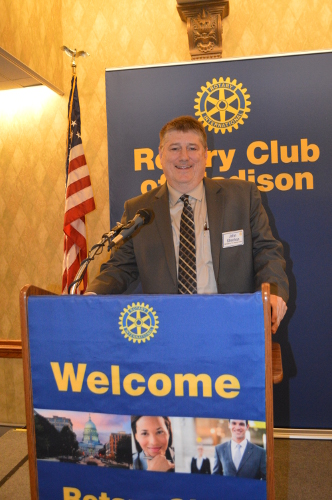
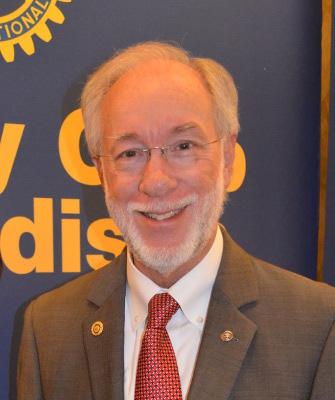
DSC_0038Rotarians got to know our 2015-16 President, Ellsworth Brown, better this week, when he pledged transparency, revealed his personal story and his goals for his Rotary leadership year.

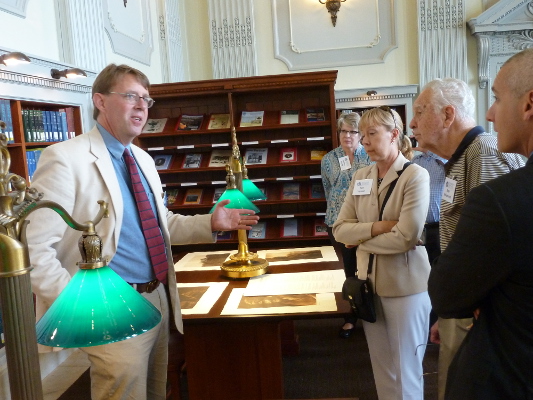
If you love history, you may know him professionally.  Director of the Wisconsin Historical Society for 11 years, he is the former President and CEO, and trustee of Carnegie Library of Pittsburgh and also of Carnegie Museums of Pittsburgh.     Prior to this, he was director of the Chicago Historical Society. Brown was president of the American Association of Museums from 1990 to 1992, and is a director of the Smithsonian Institution’s National Museum of American History.

If you love Rotary, you’ll be glad to hear his goals for this year include designing a major international outreach project with financial support from various sources including Rotary International, as well as instituting a high impact project centered on “building a strong, diverse but united and sustainable Madison community.”  This second project will include viewing our activities through a racial lens and supporting specific job training and career pathing actions.

With 44 committees, fellowship groups and events throughout the year, steering the club is a major work effort for the President. Brown told the group he appreciates the depth of the membership, what each member offers Rotary, and how they connect the club to the community. “You work hard to say yes,” he said.

Telling about his work, Brown shared more about the Wisconsin Historical Society.  The society has a dozen historical sites around the state. They are the official state archives and 60% state funded. They hold four million photographs and three million texts in 38 linear miles of shelving among 12 library/archive sites. “We aim to be useful” is their simple motto. They hold Daniel Boone’s papers, the student non-violent coordinating committee materials, and colonial newspapers, among many other treasures. “We have museum to help ensure we live in a civil society,” Brown said.

Dorothy, his wife of 50 years and whom he met on his first day of first grade, was at the luncheon. They live in Fitchburg.

Brown concluded with a quote, “The past is never dead, it isn’t even past.”

Highlights from 2015 Fellowship Luncheon Day – July 8

CapTimes

Members gathered at The Capital Times on Fish Hatchery Road for a program about how the paper is building on their attributes to attract newer generations of readers.

Edge1  Edge2  Edge3

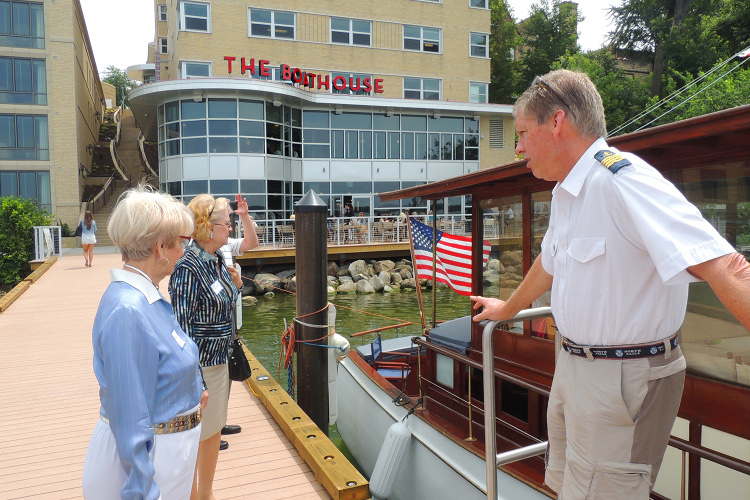
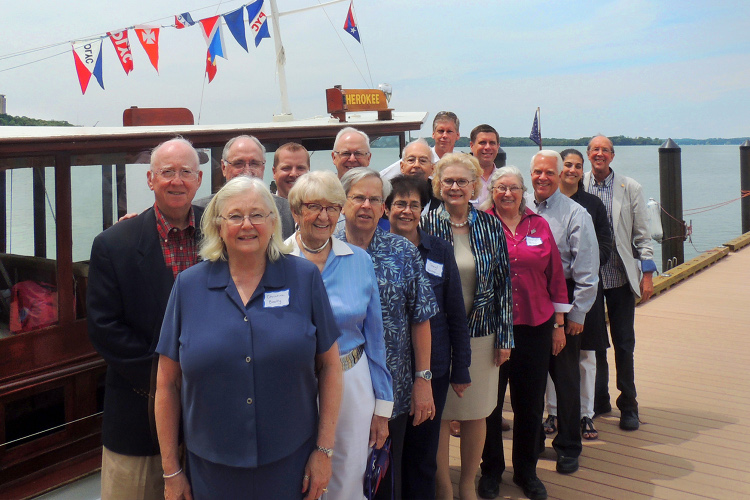
Rotarian Amy Supple, chief operating officer of  The Edgewater,  hosted  Downtown Rotarians  on a worthwhile and fun program and tour.  Participants were introduced to The Edgewater voyages hosted by Captain Patrick on The Cherokee an historic Motor Yacht built in 1924 for the Heinz family.  The Cherokee now calls The Edgewater pier its home.  They also enjoyed a luncheon in The Statehouse and toured  the recently renovated hotel facility including guestrooms, ballrooms,  spa and dining venues.

Ecology1  Ecology2  Ecology3

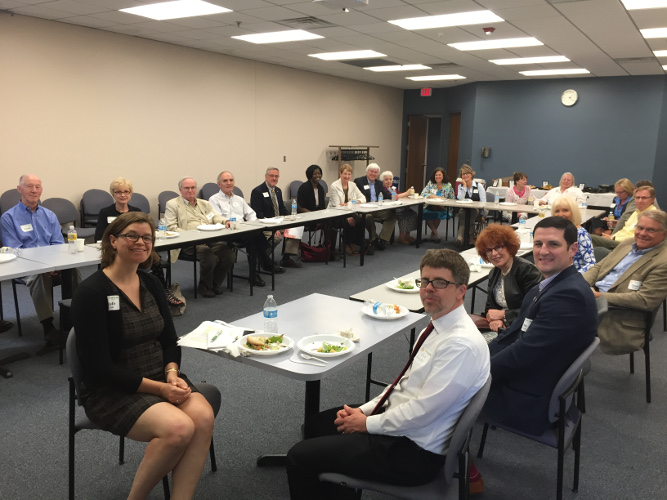
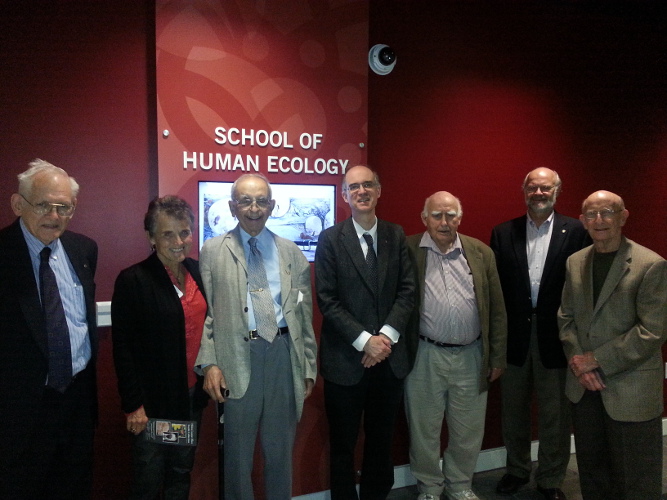
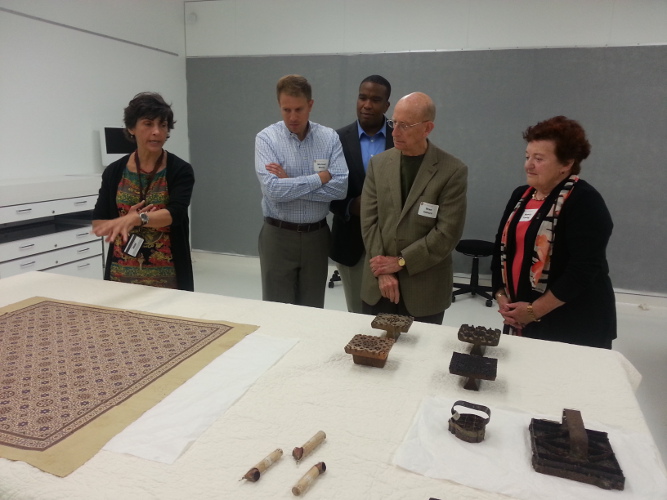
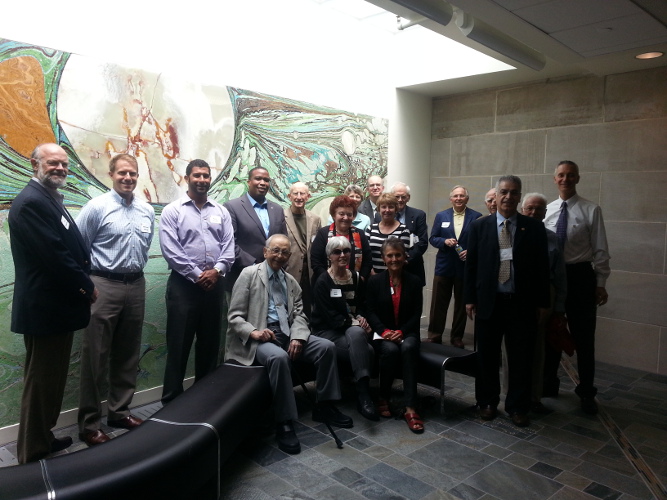
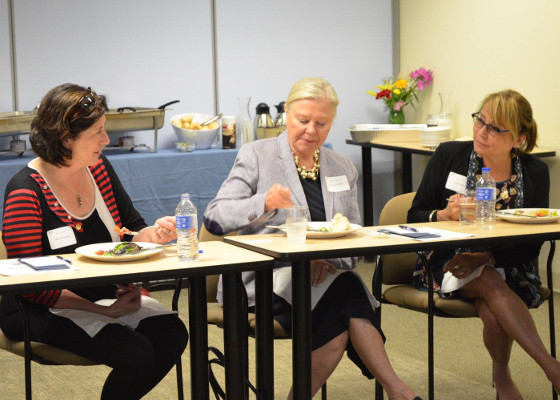
Members enjoyed lunch at the UW-Madison School of Human Ecology followed by a tour of the largest university textile collection in the United States with 13,000 objects.

Findorff3  Findorff1  Findorff2

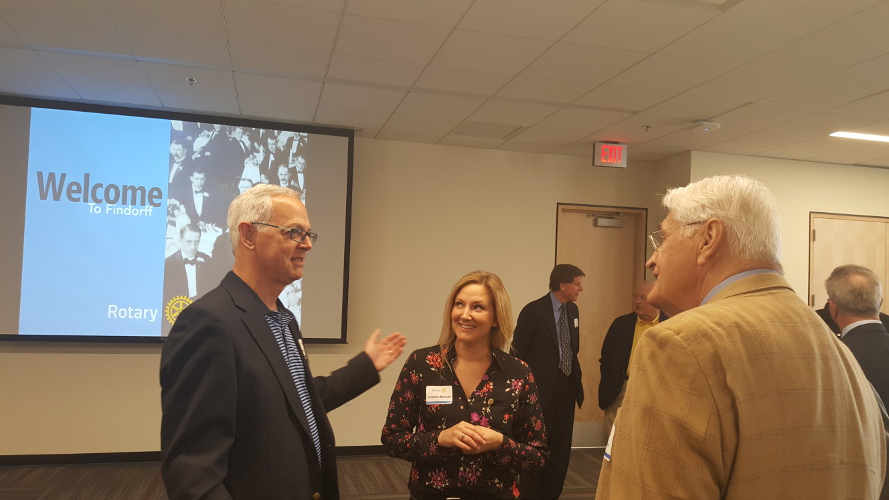
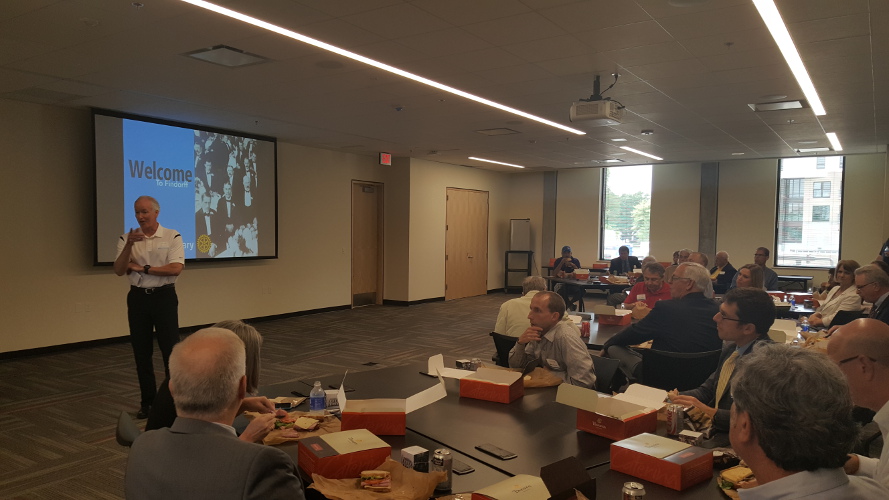
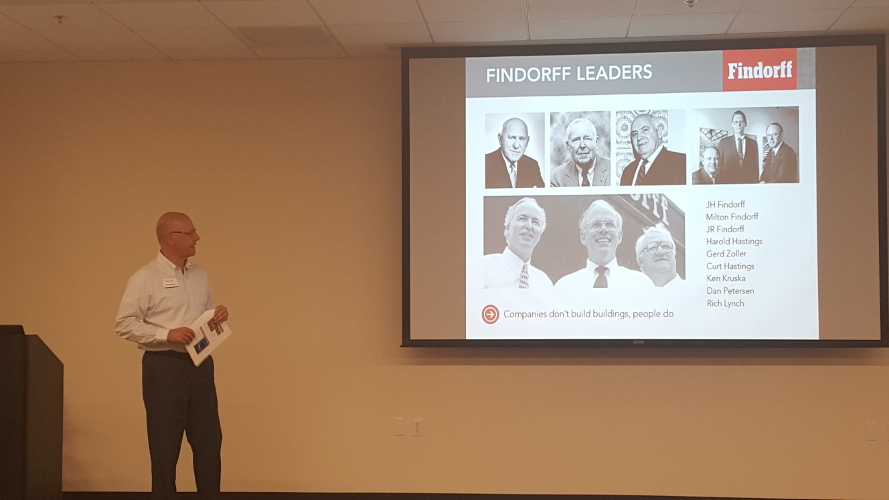
Rotarians gathered at J.H. Findorff & Son, Inc. for lunch and  a presentation on highlights of the company’s 125-year history of significant projects in the Madison area.

HHU6   HHU3  HHU9

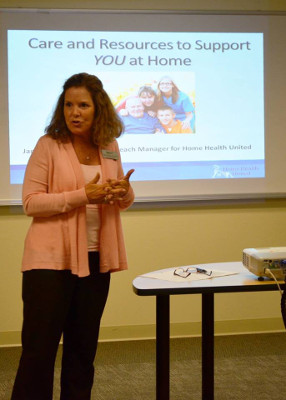
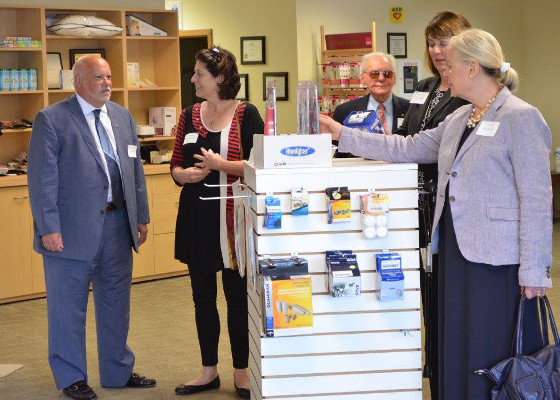
Members enjoyed lunch and a presentation on “Resources for Aging Loved Ones” at Home Health United. The presentation focused on helping individuals balance their own lives with caregiving duties.

WARF-3

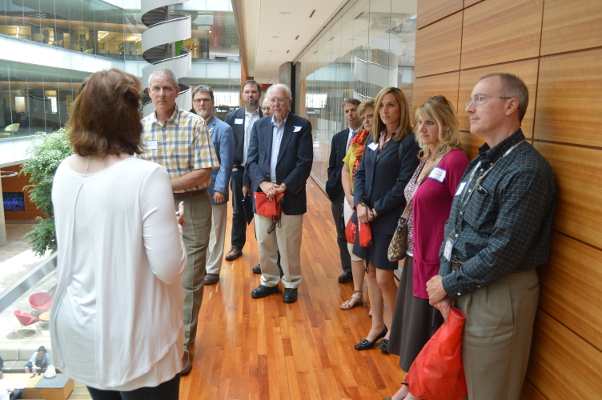
Members enjoyed lunch and a presentation followed by a brief tour of the Wisconsin Institute for Discovery building along with information about recent activities of WARF.

WHS  WHS1  WHS2

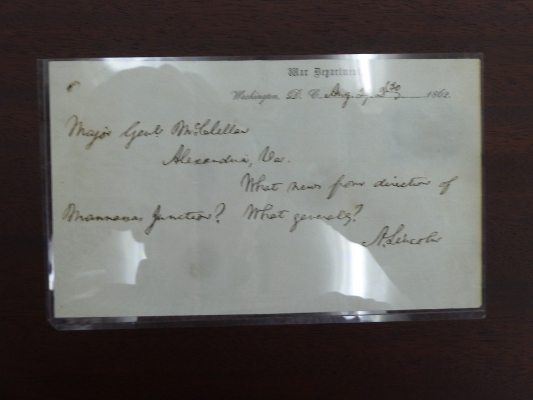
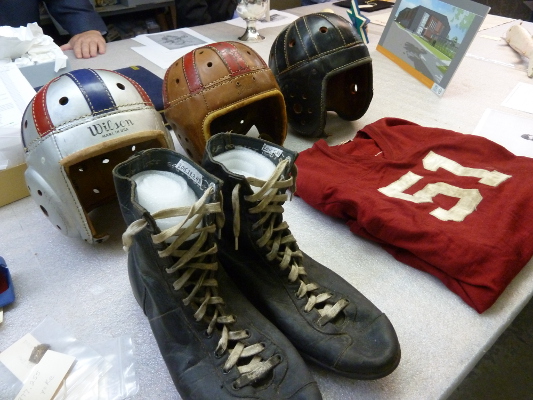
The Wisconsin Historical Society welcomed our members for lunch and a tour of the Society’s limited portion of the three dimensional collections storage and library/archive collections from contemporary times to the sixteenth century.

IMG_0003

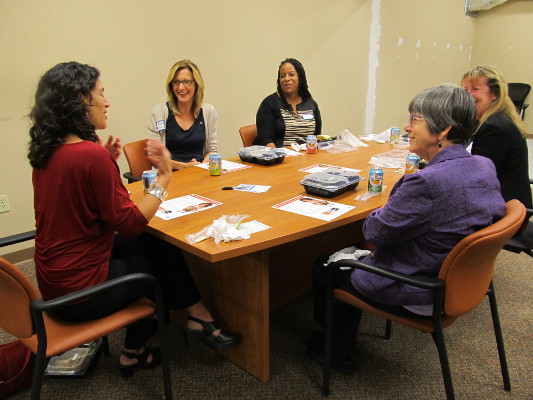
Members enjoyed lunch at the YWCA Empowerment Center – location of our employment and transportation programs, restorative justice program and training space.  There was a brief presentation about the YWCA followed by participation in a mini-workshop and tour of the Center.

Zoo3  Zoo2  Zoo

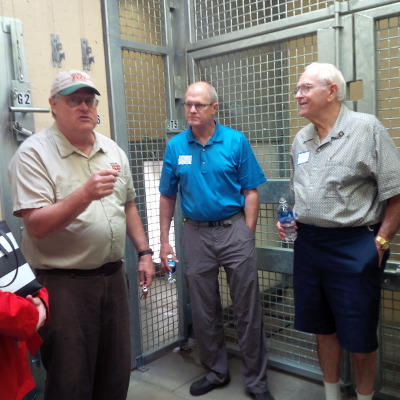
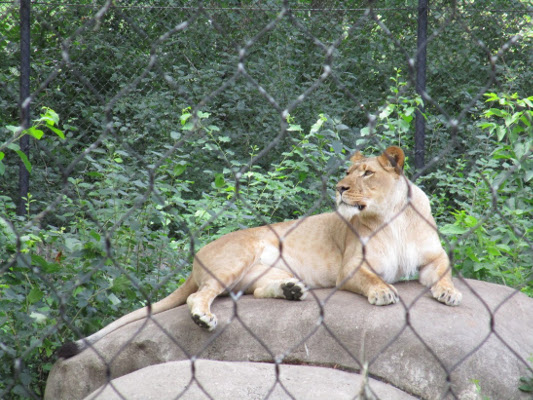
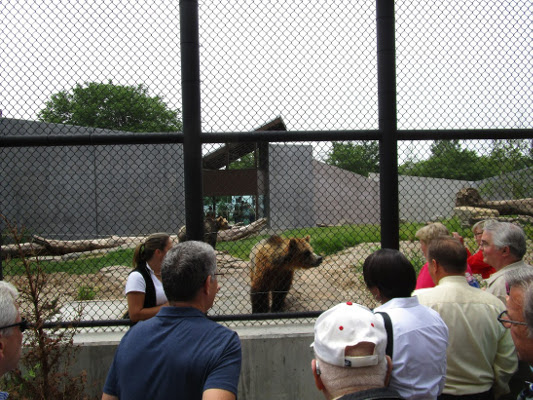
Members enjoyed lunch at the Henry Vilas Zoo’s new Glacier Grille followed by a tour of the newest and largest expansion in zoo history, the Arctic Passage.