Tag Archives: Rotary Club of Madison

The Edgewater

Supple Amy1

“Why do we call it ‘The Edgewater,’ not ‘the Edgewater Hotel’? Because we look at it as a unique destination.” The hotel rooms are just part of the draw, along with ice skating, unique restaurants, public spaces, and lakefront access, explained Amy Supple, Chief Operating Officer.

A strategic plan was begun in 2007. It called for recognizing the location’s civic connection, recreating a prime downtown asset while acknowledging the history of the out-of-date Edgewater, filling Madison’s need for a variety of hotel rooms, and creating a community asset accessible to the public 365 days a year.

Supple noted that the Faulkner family, who formerly owned and managed the hotel, kept an extensive scrapbook of photos and clippings. Much of that material, along with the black-and-white celebrity photos that decorated the old Cove Lounge, now either hang in the new bar or are displayed digitally on the mixed media wall near the new Statehouse Restaurant.

Many in the room had their own personal remembrances of the old Edgewater and questions of Supple reflected that.

“How are the floors numbered?” Answer: Unlike the old Edgewater with the lobby labeled Floor One and the lakefront down on Floor Seven, the new numbering system starts with lake level as Floor One.

“When will the pier open?” Answer: Construction on the pier, with 40 boat slips open to the public, will begin after fish spawning season for a grand opening on July Fourth.

Once the pier is open, a water taxi will be available to pick up people around Lake Mendota, and drop them at The Edgewater for a meal or a stroll to other downtown destinations.

The meeting concluded with a tour of the property for those interested.

Our thanks to Amy Supple for her presentation to our club this week; to Bill Haight for preparing this review article and to Valerie Johnson for this photo.

Joe Parisi Describes Action Plan to Break Down Barriers in Dane County

–submitted by Roger Phelps; photo by Mike Engelberger

Joe ParisiJoe Parisi offered a down-to-earth pragmatic approach to some of the recurring problems of unequal access to key services.  Many of these approaches transcend the single agency or single resource access.  Instead, Joe offers a “partnership model” for addressing problems that plague our youth, minorities, poor and underprivileged communities and other segments that are finding themselves increasingly cutoff from traditional means of accessing services.  A few examples:


  • Early Childhood Zones – partnership with schools, parents and United Way designed to stabilize vulnerable families and better prepare young children prior to 4K.
  • Mental Health Issues in Schools – partnership with schools, parents, mental health professionals and Catholic Charities to build bridges and provide help to schools struggling to deal with individual mental health crisis among its students.  The goal is to provide staff and parents with options other than calling law enforcement – options to de-escalate a crisis and stabilize it to help minimize future crises.
  • Driver’s License Program – a program to increase Drivers Training for job seekers who find it difficult even to drive to an employment interview.  There are currently extreme inequities in driver’s license ownership by white and minority communities.  This is a major factor in inequities in employment rates in Dane County.

Joe Parisi’s general approach to the above and other problems is to map out the problem, identify the choke-points and then form a partnership between public and private stakeholders who can provide a combined solution.

Thank you, Joe, for enlightening Rotarians at today’s meeting and for showing us how we can all be part of real-world solutions to some of our county’s problems.  Let’s roll up our sleeves and get to work on these issues.

The 15th Annual Rotary Ethics Symposium Expands Students’ Bandwidth for Ethical Decision Making!

–submitted by Maggie Peterman; photos by Donna Beestman and John Bonsett-Veal
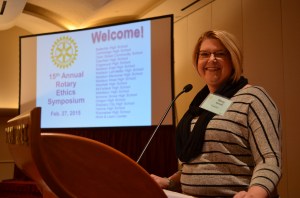
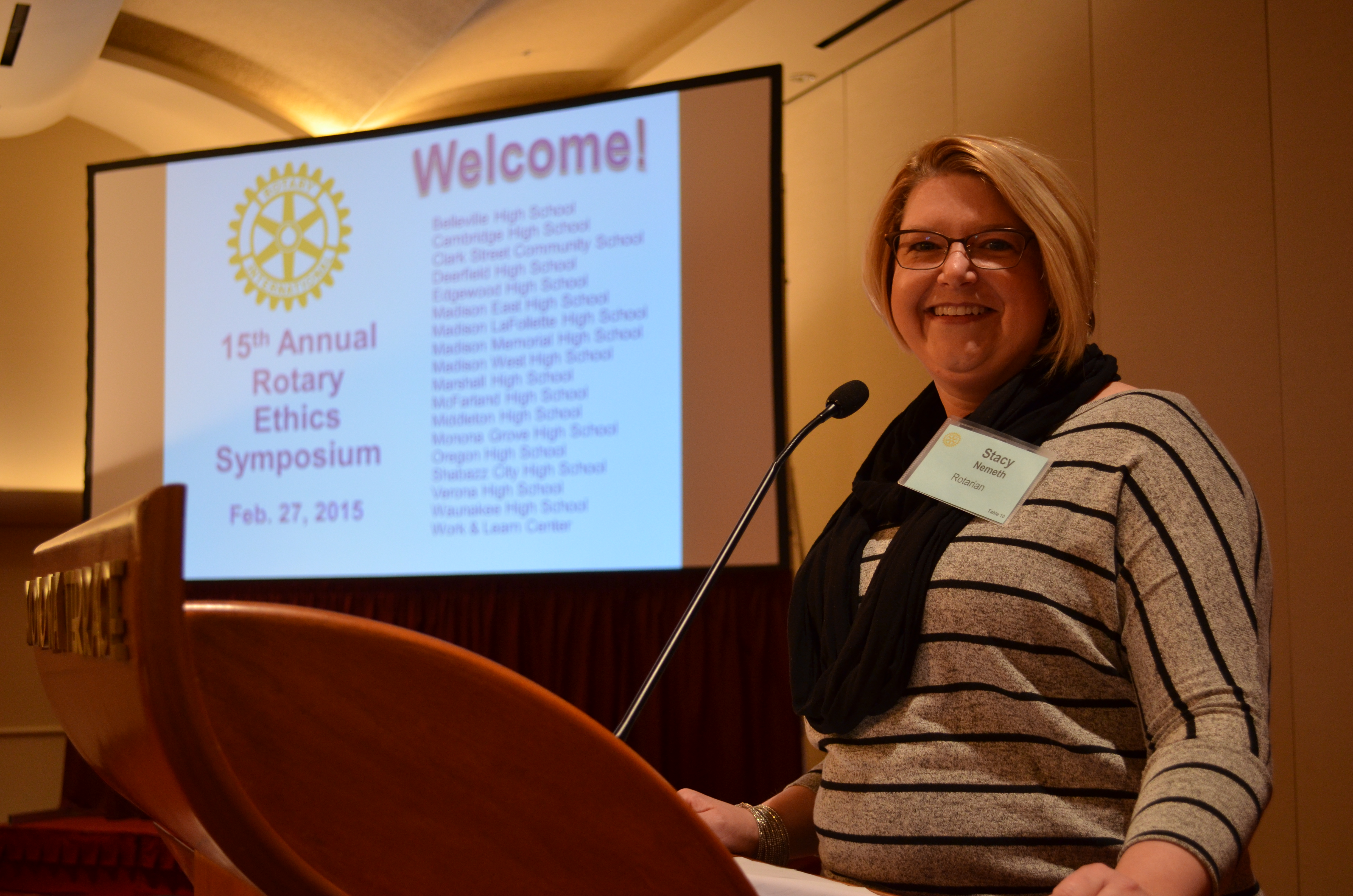
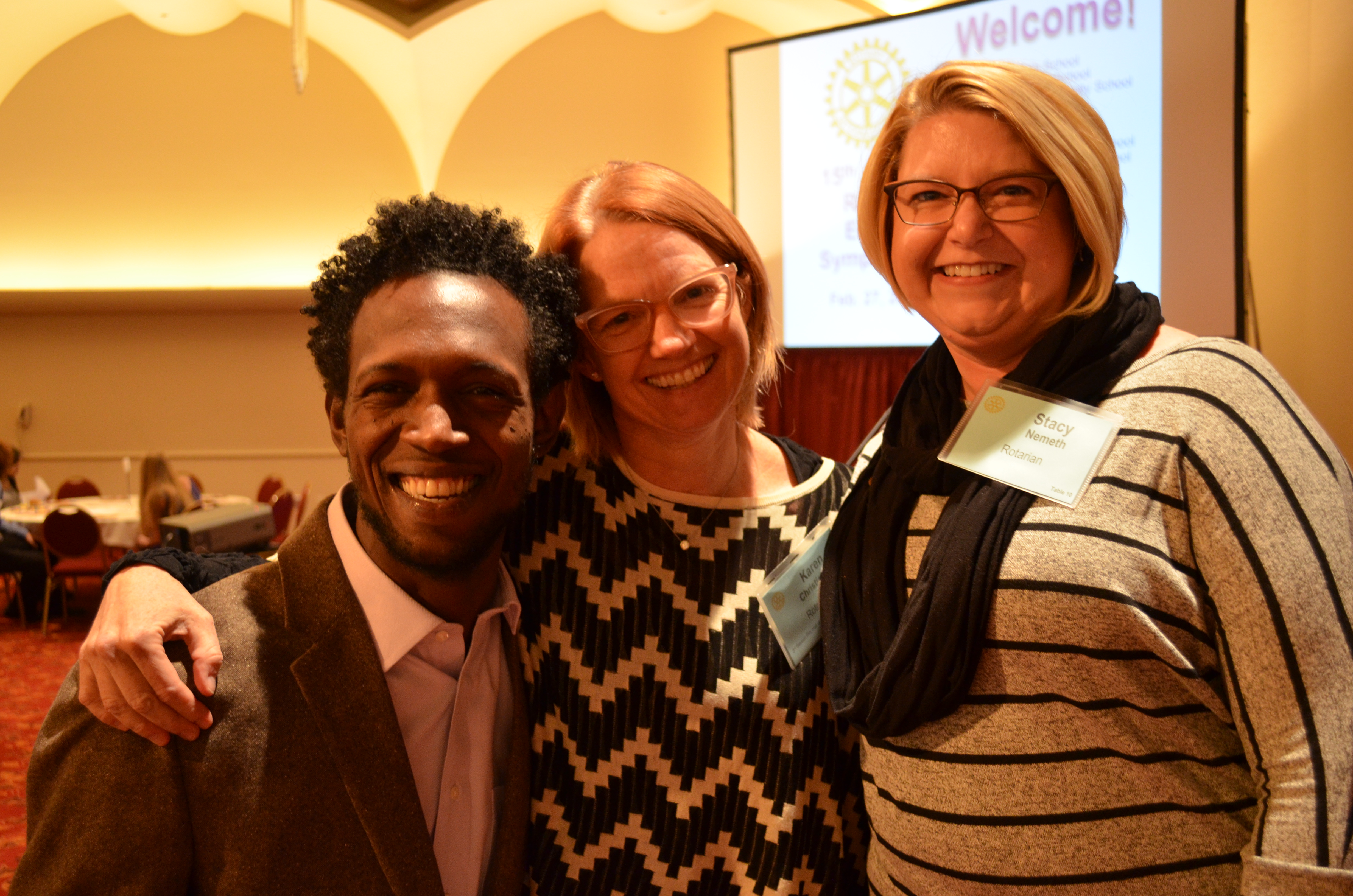
Stacy Nemeth, Chair of 2015 Ethics Symposium Committee

Stacy Nemeth, Chair of 2015 Ethics Symposium Committee

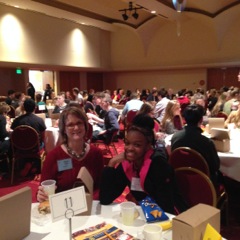
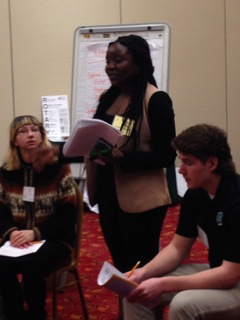
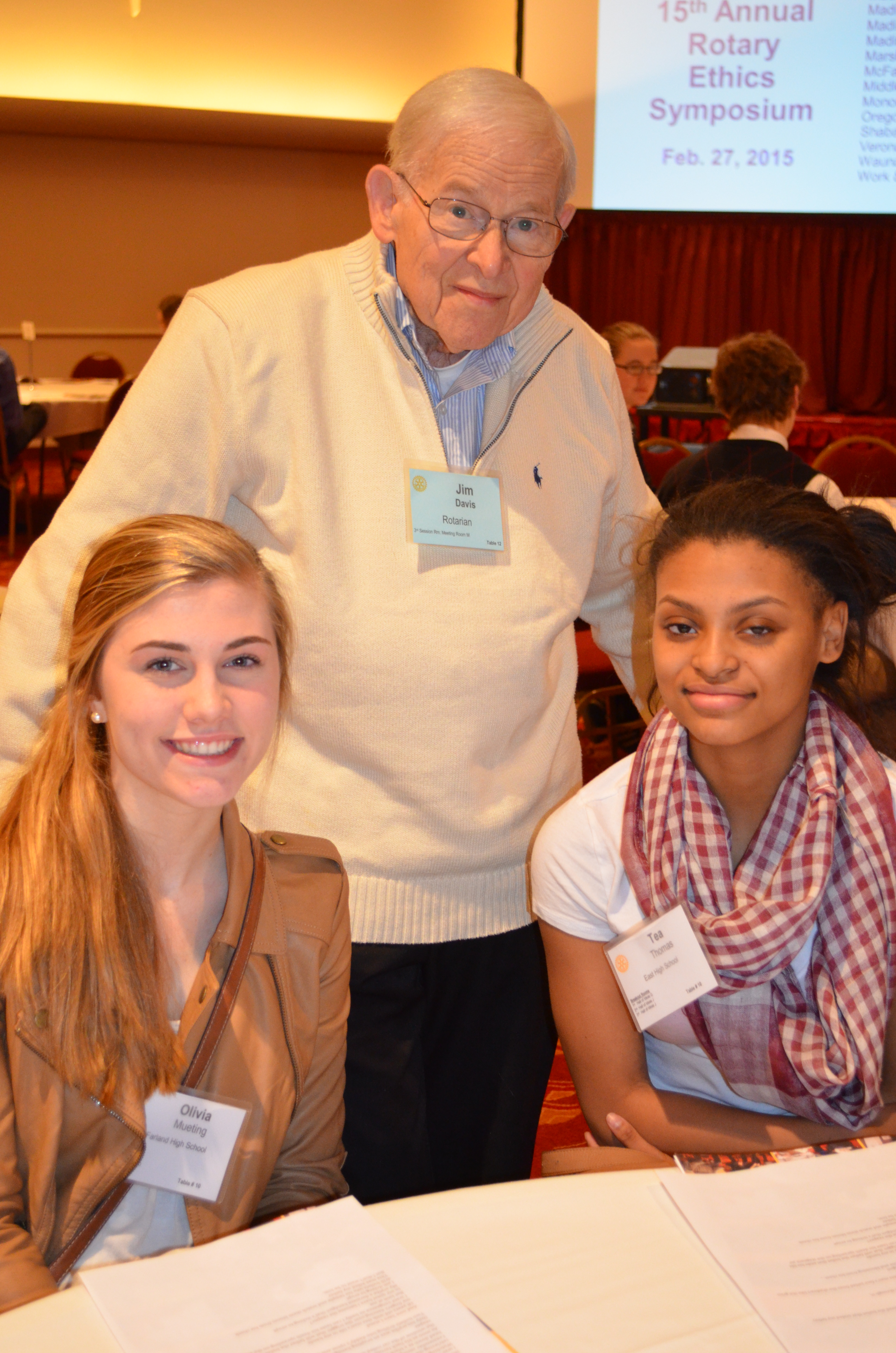
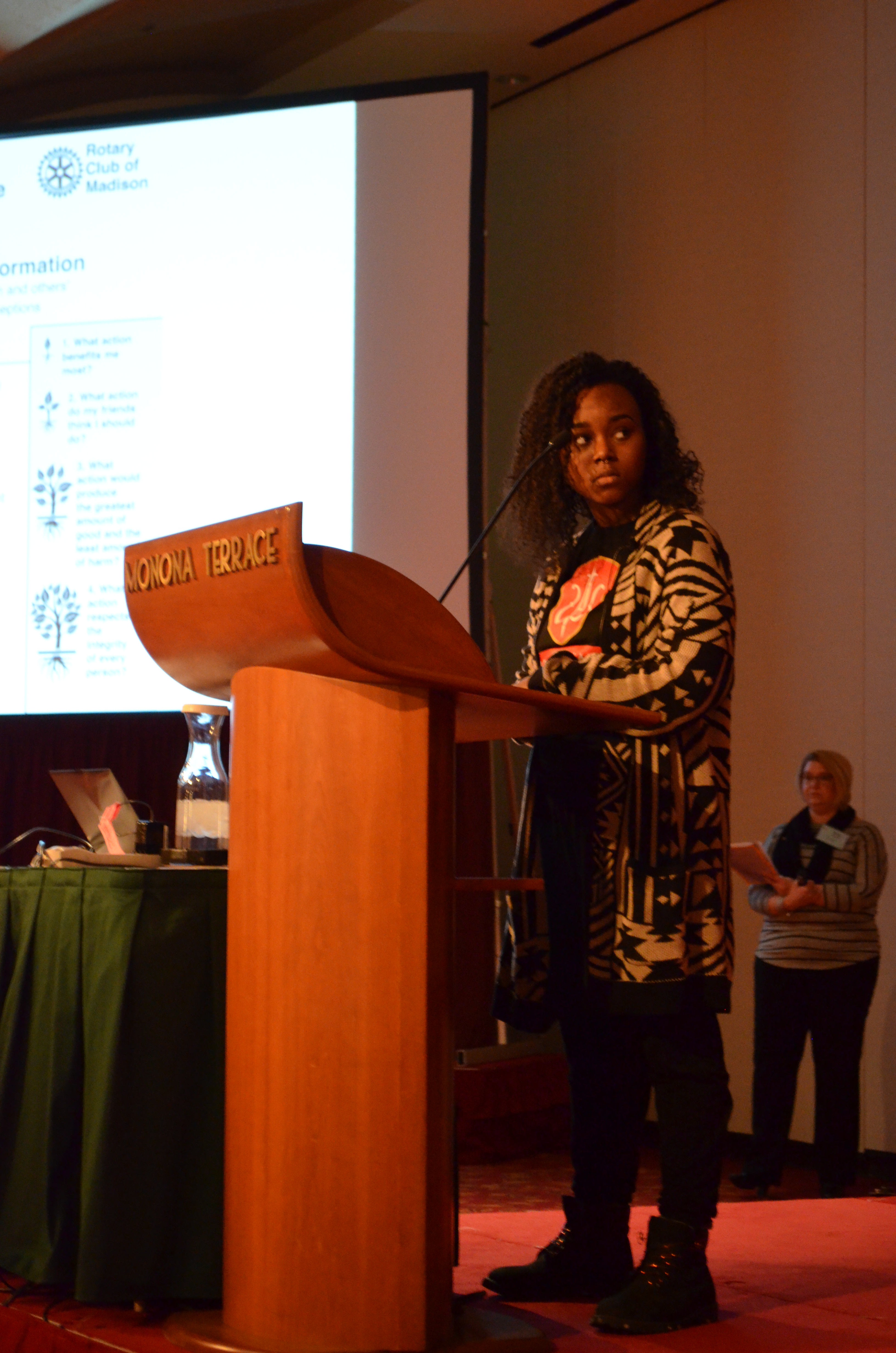
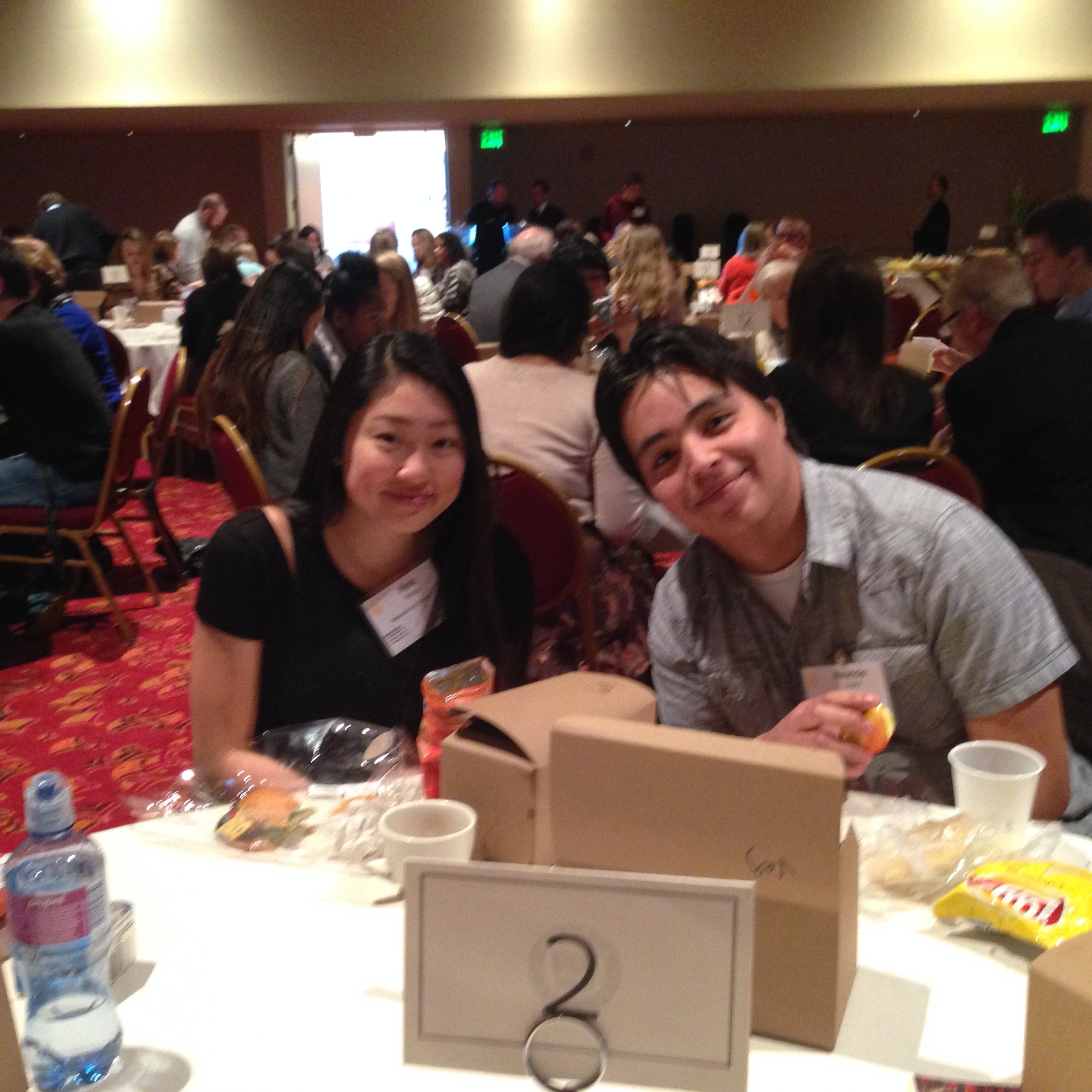
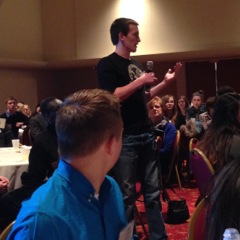
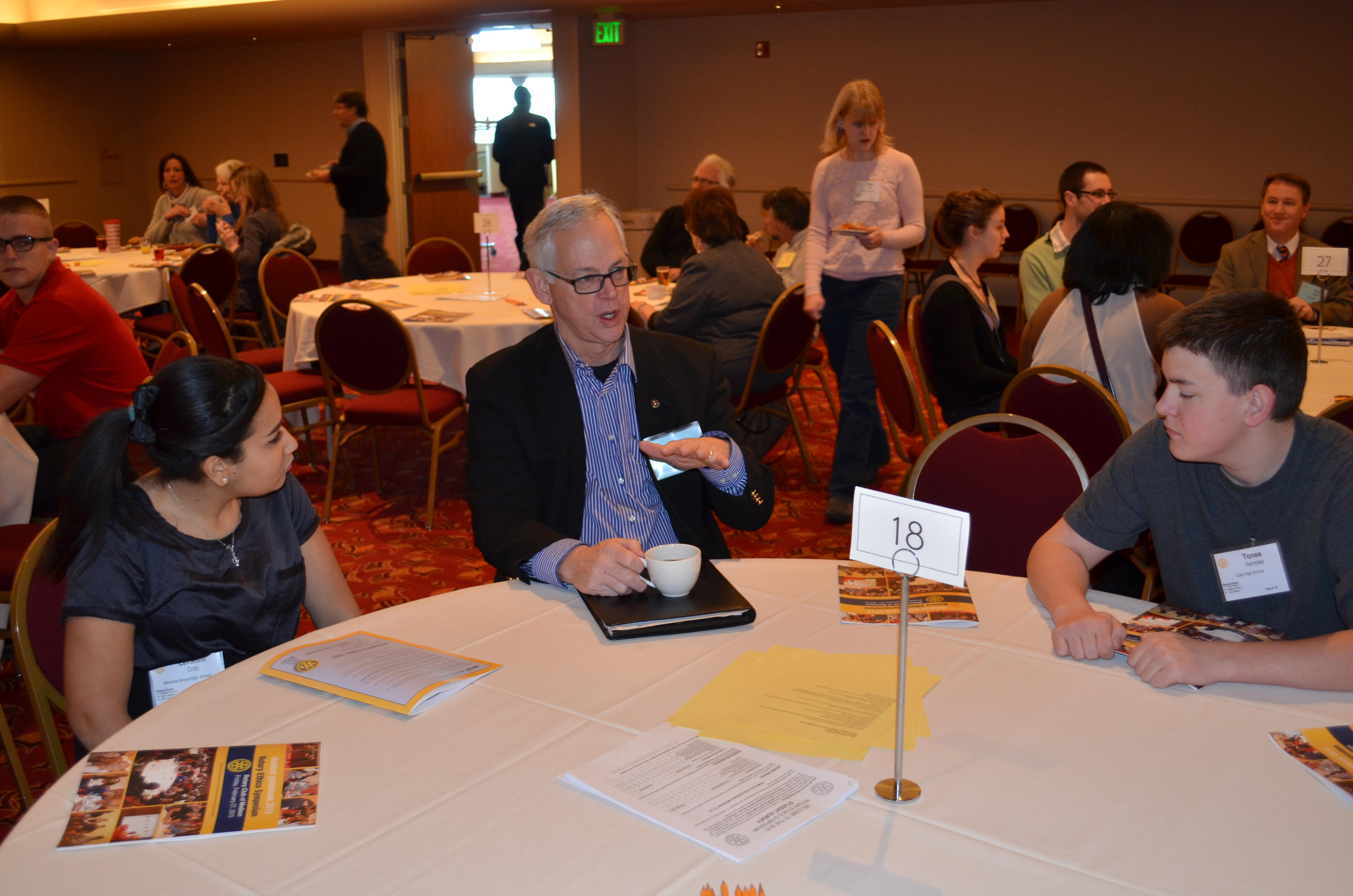
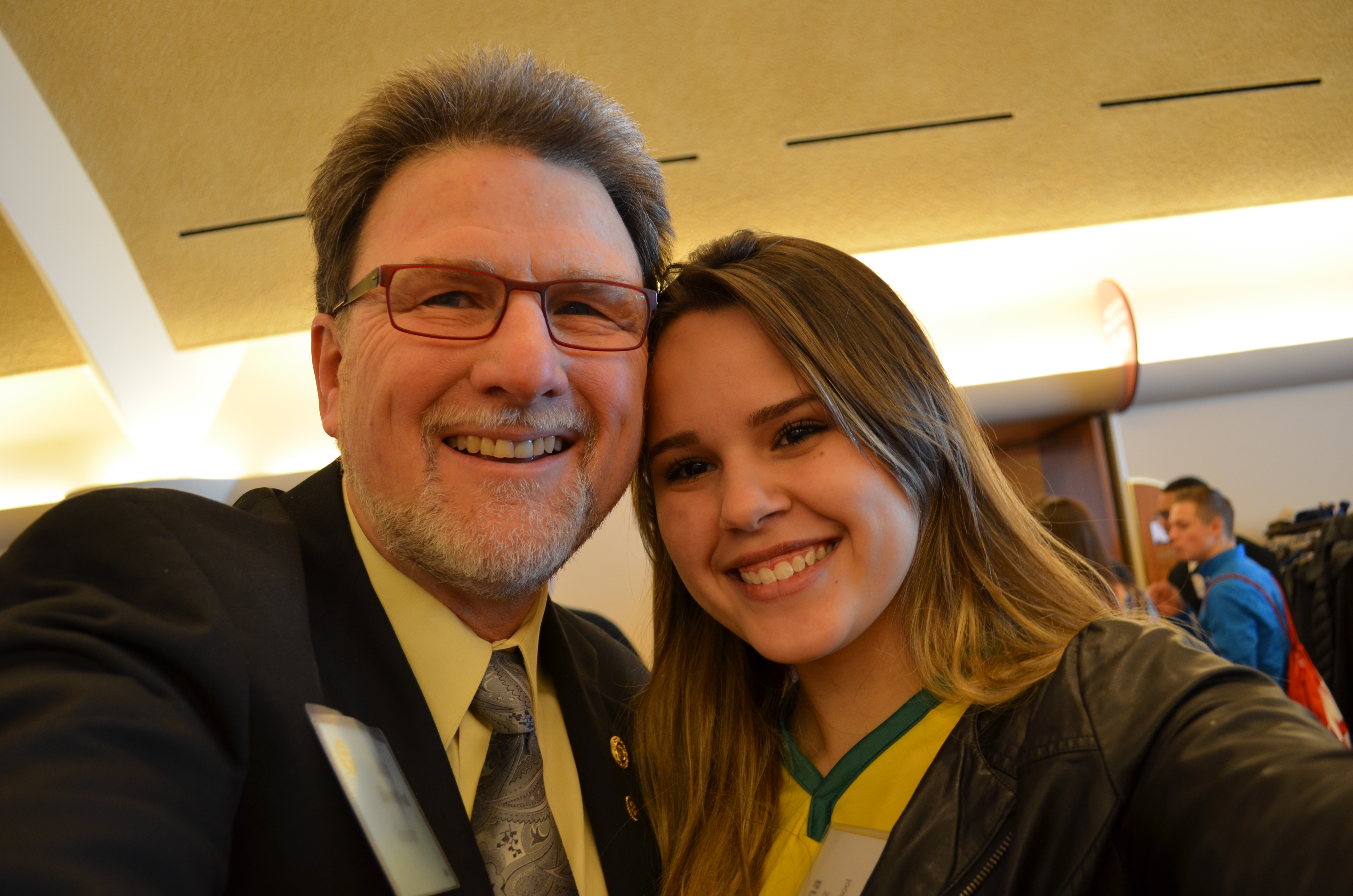
More than 200 students from 18 Dane County high schools were challenged to examine the decisions they make every day in a new way Friday, February 27, at the 15th annual Rotary Ethics Symposium at Monona Terrace.

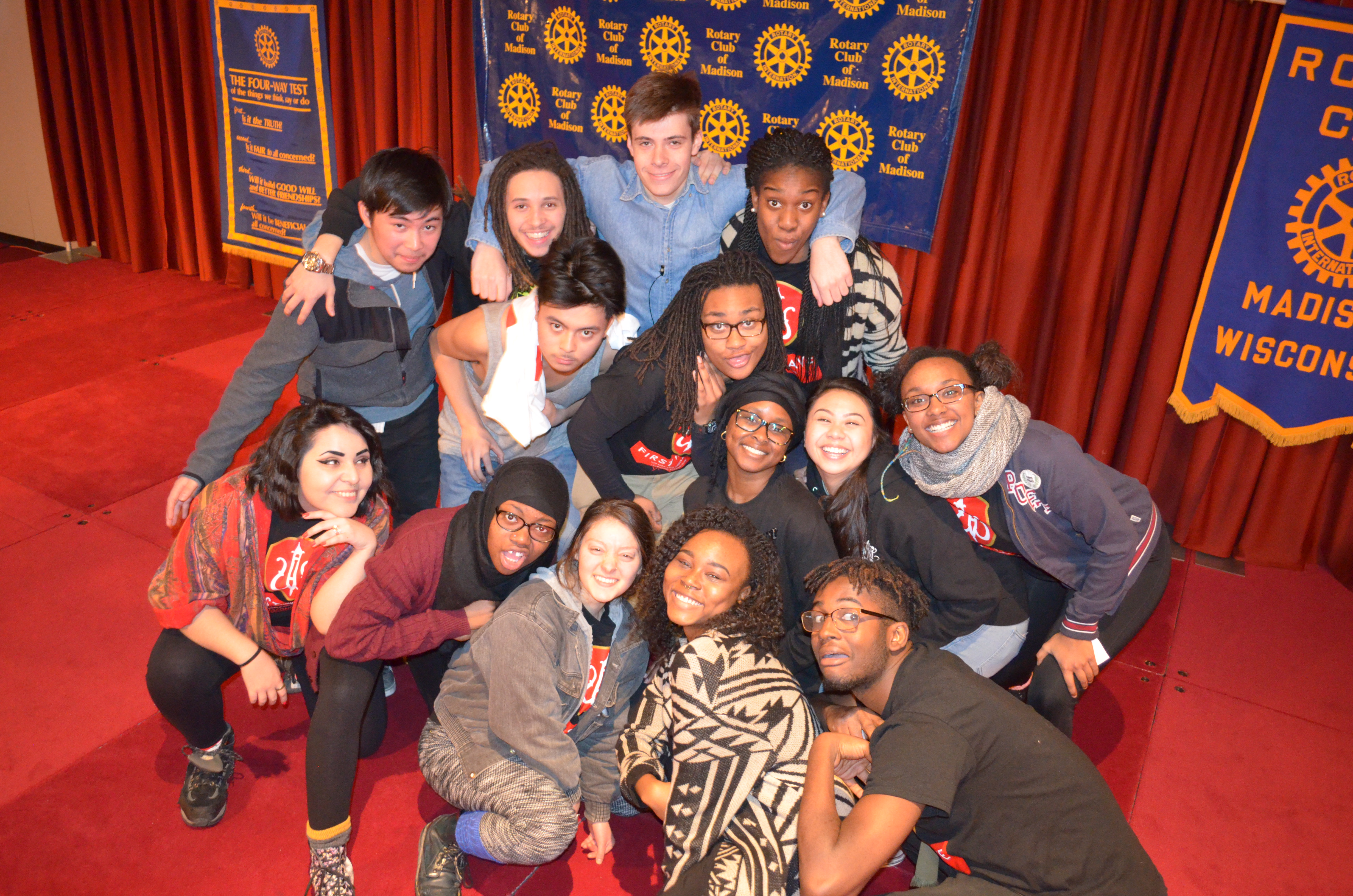
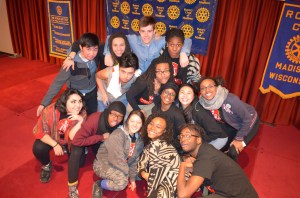
With dramatic performances on edgy teenage issues – teenage pregnancy and a father confronting his adolescent son about drug use – members of the UW-Madison First Wave Hip Hop Theater, a cosmopolitan multicultural artistic program, set the stage for high school students.
DSC_0072

And First Wave led the students through the R-O-T-A-R-Y Framework for Ethical Decision Making, which is a six-step process of thinking through a dilemma and making a decision.

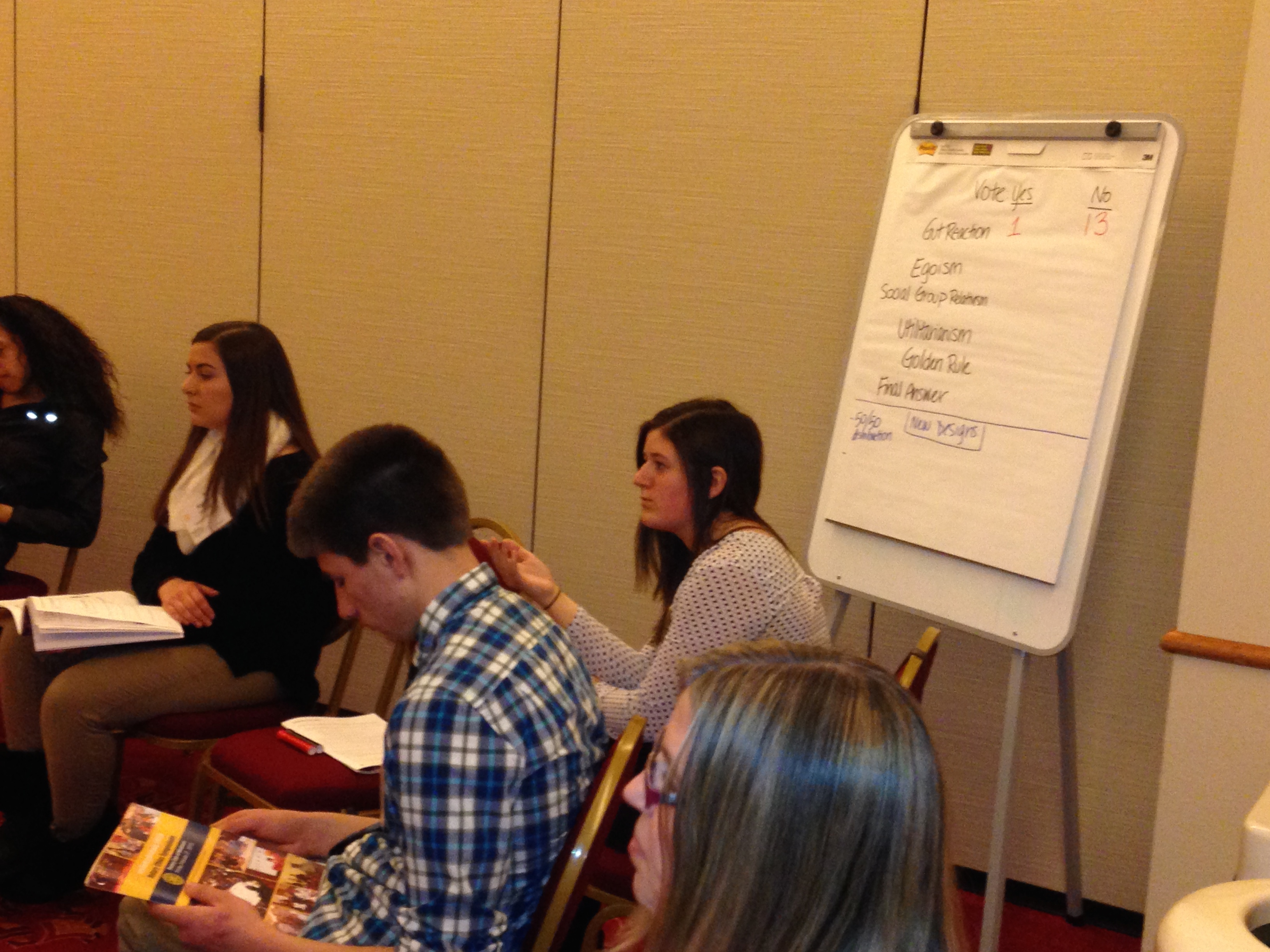
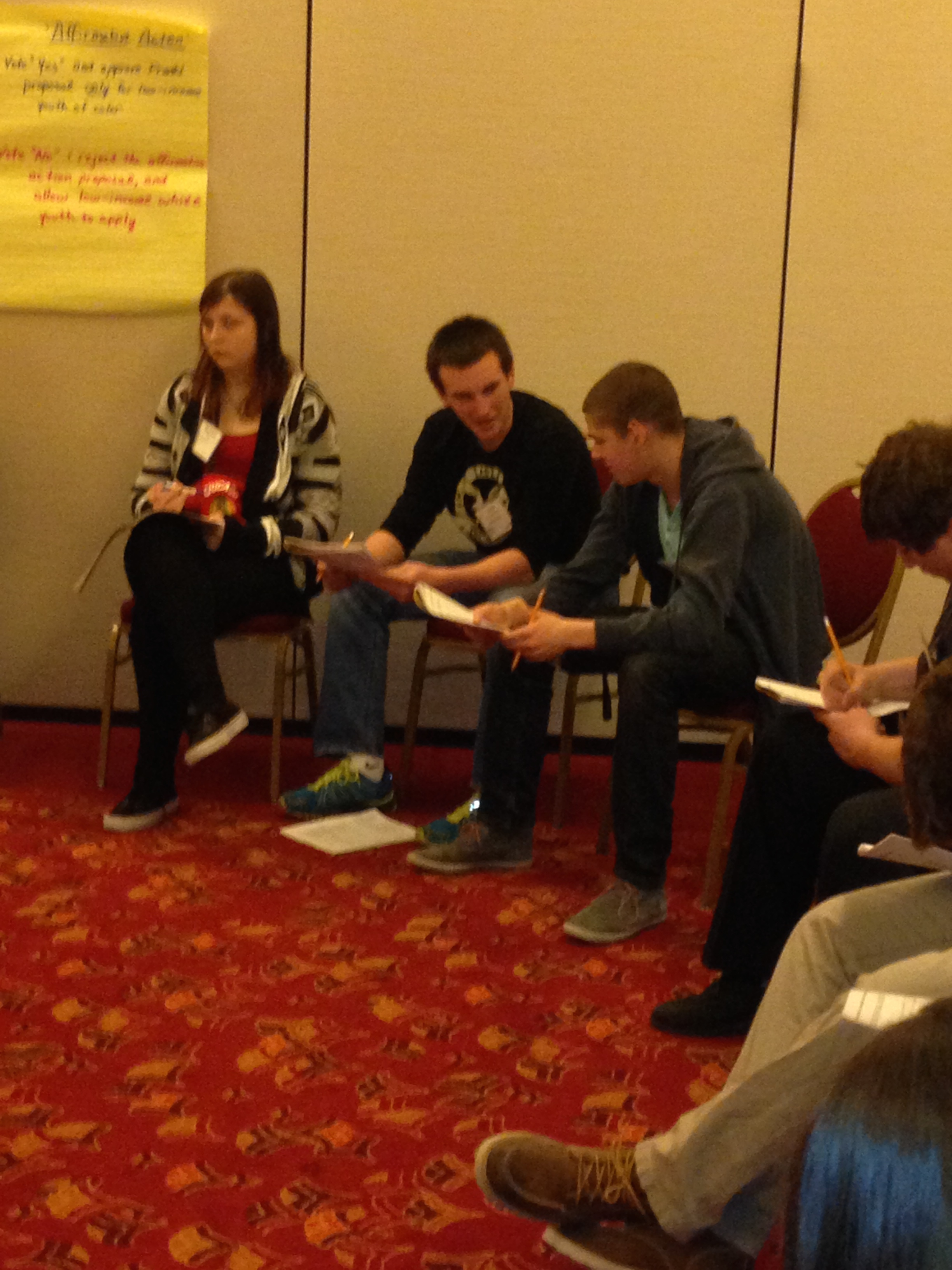
Then the high schoolers went to work. They were confronted with two dilemmas: Hostile Messages and an Affirmative Action Proposal.

“It was fun to be able to discuss realistic problems,” said Desmond Lawrence, 17, a junior at Madison’s Memorial High School, following the workshop. “I like that they (Rotarians) want us to reach out to our own high schools to get these (workshops) going.”

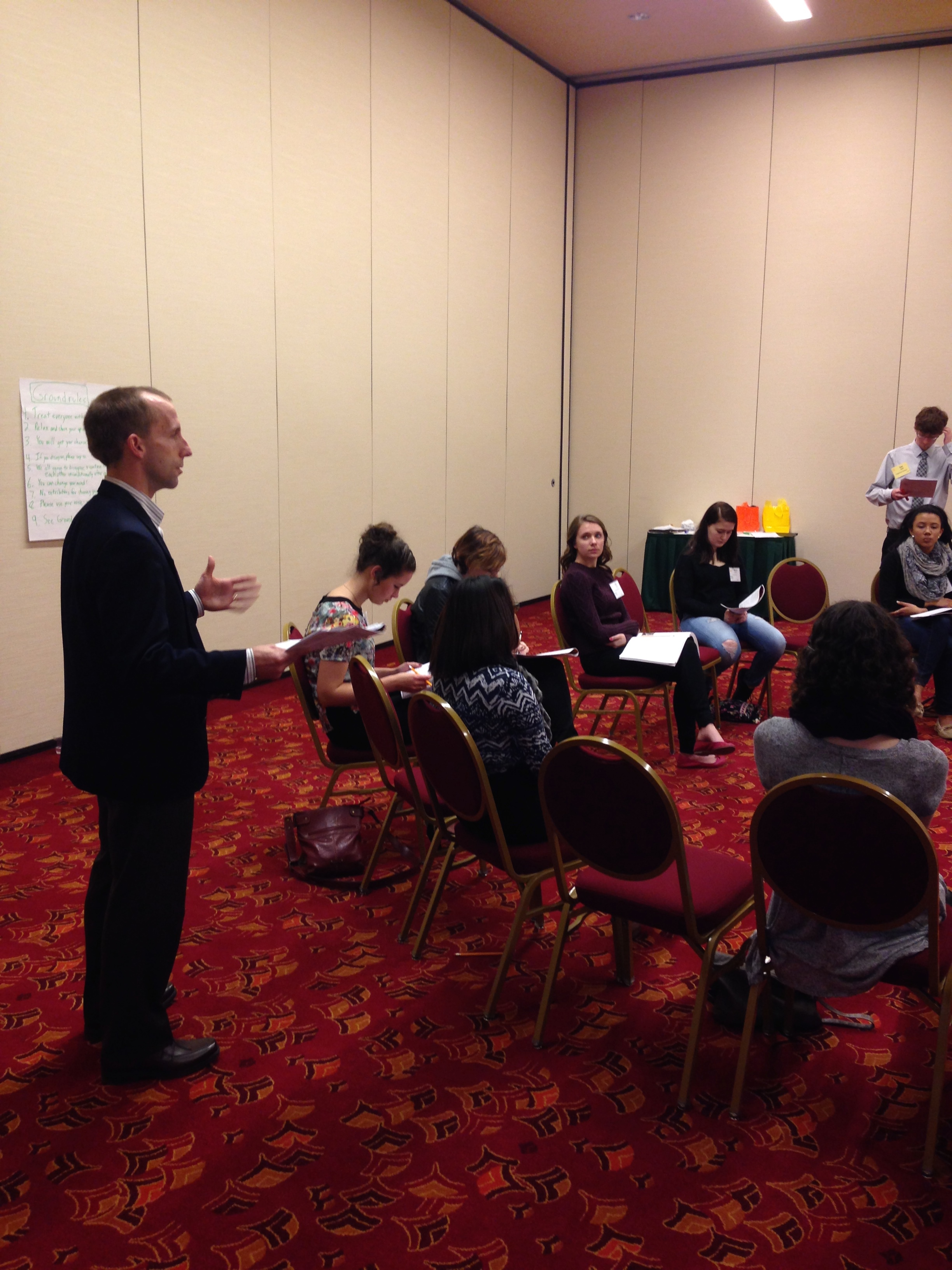
Rotary members along with participants from Rotaract clubs at UW-Madison and Edgewood College led the workshops. Students learned the ground rules, which emphasized: “Treat every single person in the room with complete and unconditional respect.”
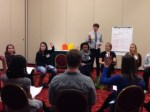
Photo10  Photo5  Photo 11

“I liked that whatever you had to say, you were going to be respected,” noted a student from Belleville High School. “It was nice to see that my friends had a serious side.”

“The coolest thing of all,” said a student from Monona Grove High School, “someone from my school and I, we had different opinions and we still like each other.”

The ROTARY Framework for Ethical Decision Making is as follows:

R = Recognize an ethical issue
O = Obtain information about the situation and others’ interests and perceptions
T = Test alternative actions from various perspectives
A= Act consistently with your best judgment
R = Reflect on your decision after acting
Y = Yield to your ethical judgments

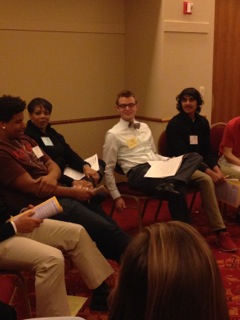
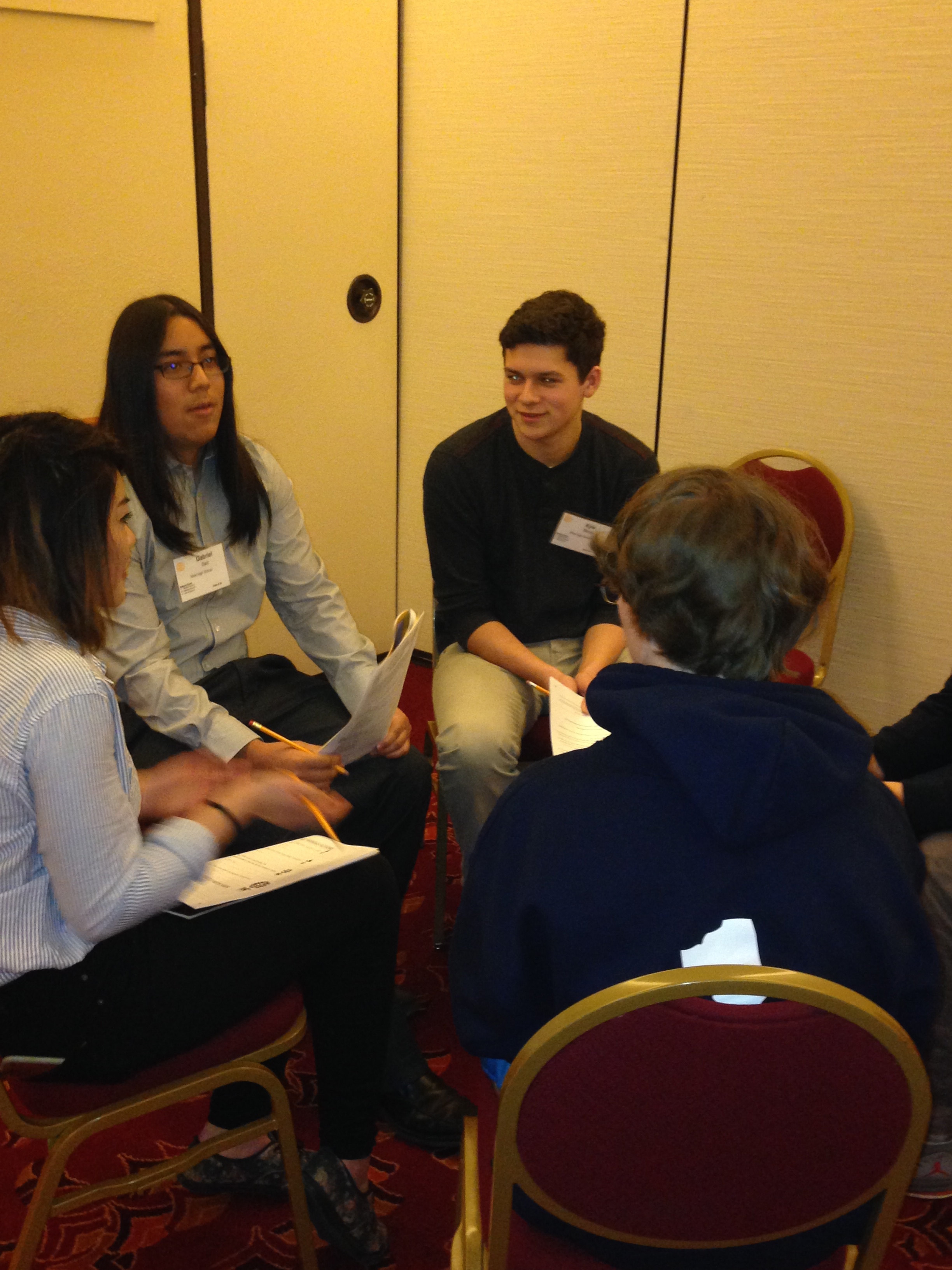
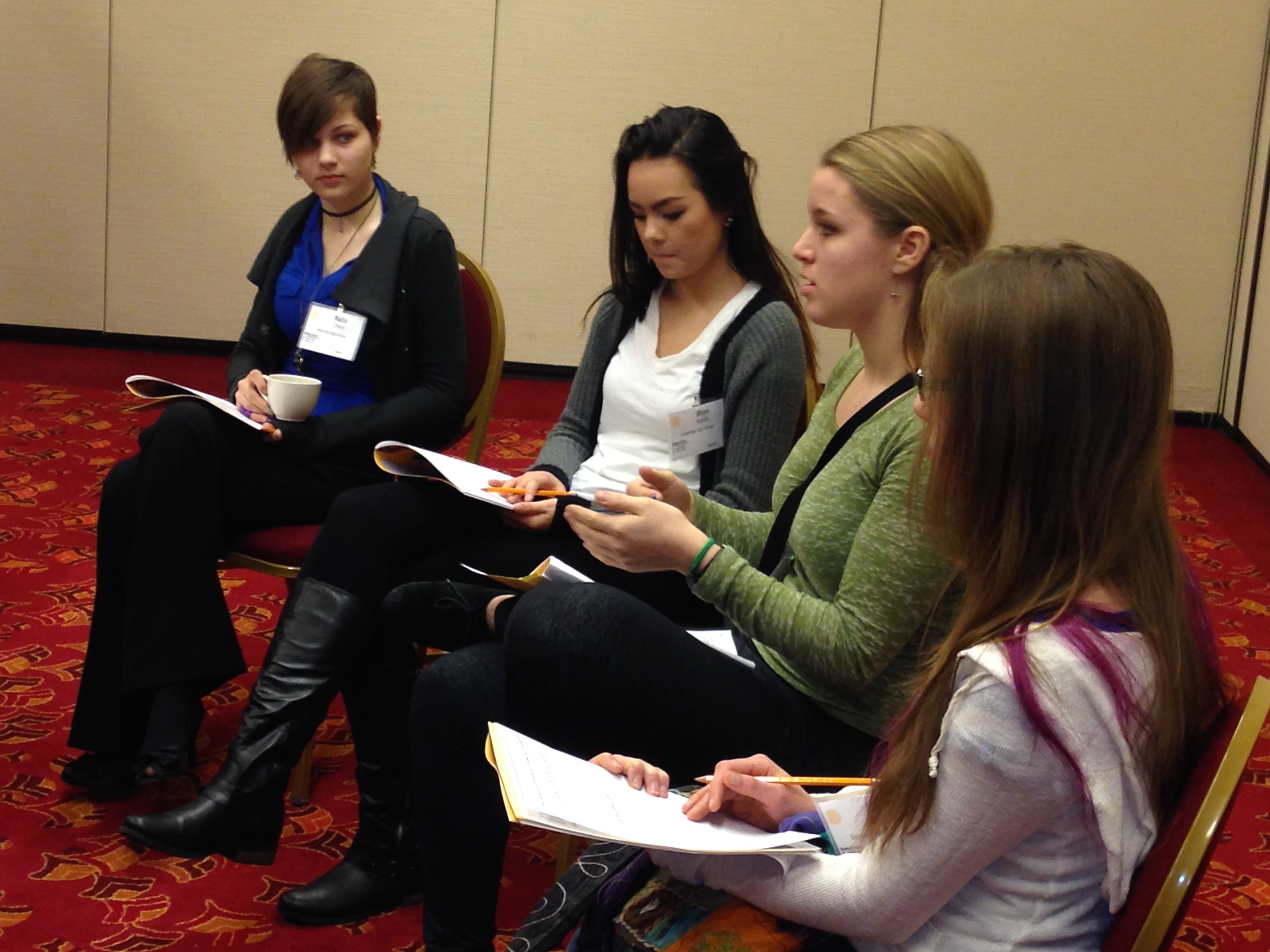
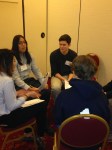
Students dispersed into workshops to learn the practical application of the Rotary Framework. The sessions were designed to group together students from a variety of high schools.
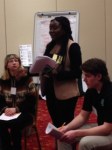
Photo2  DSC_0048     Photo3   DSC_0065

“Once students were in the smaller groups, they were willing to delve into the issues,” said Sophie Chadli, 17, a senior at Madison’s Shabazz High School.

At first, many participants felt isolated. They later discovered a new-found freedom as they listened to each other and even gained the confidence to rethink their stand.

“When we were doing the panel on affirmative action, others’ opinions changed mine about certain things,” said Dominique Taylor, 16, a junior at Middleton’s Clark Street Community School. “Me and some other students want to inform our teachers about the process so we can start training and recommend (the Ethics Symposium) to other students.”
IMG_9530  IMG_9514   IMG_9506

It was a new learning experience, most students agreed.

“I really enjoyed today,” said a student from Madison’s East High School. “It’s something that will stick with me. It’s a tradition that will keep on giving. I met lots of new people.”

The students’ willingness and enthusiasm to embrace a new experience impressed Rotary leaders.
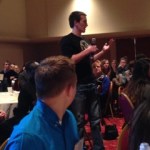
Photo12   IMG_9517   IMG_9516

Sarah Gempeler, 20, a junior at Edgewood College and a Rotaract member, grew up in Monroe, a south-central Wisconsin city of about 45,000 residents.

“It’s great to see how passionate these kids are about (relevant) issues,” Gempler said. “I grew up in a town where there wasn’t much diversity in our high school.”

A first-time volunteer for the symposium, Janet Piraino, a Rotary member and district director for a Wisconsin representative, praised the next generation of Wisconsin voters.

“This is my first time and I’m blown away by their ability to stand their ground,” she said. “There were students of color on both sides of an issue that spoke very passionately for their position. One African American girl spoke in opposition to affirmative action because she felt it didn’t honor equality.”

Discussions on controversial topics showed that students are listening and collecting information as they go about their daily lives, said Steve Johannsen, a Rotary member and Madison business advisor.

“The (affirmative action) statistics were eye-opening for all the students,” Johannsen said. “It gave them a much better feel for real community issues. The conversations were unbelievably insightful and respectful.”

Rotary leaders are willing to assist high schools students and faculty with developing an “Ethics in Action” project at their schools, said Stacy Nemeth, Chair, 2015 Rotary Ethics Symposium.

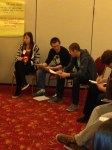
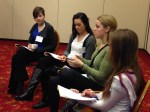
Monona Grove High School Principal Paul Brost led a discussion with judicious students from his 925-student school. Students were enthusiastic about working with trained facilitators – Rotaract students and Rotary leaders – to deliver the project to Monona Grove.
IMG_9507   IMG_9511  DSC_0049

“People need help learning about ethical decisions, but we need someone to help facilitate our conversations,” noted a Monona Grove student who voted in favor of assistance from Rotaract students. “We’re too used to just listening and taking notes. We need a role model to help us get going.”

Throughout the discussion, Brost encouraged students to take a leadership role.

“I’m willing to preload the idea at a staff meeting,” he offered. “If it’s student-led, it’s up to you to take the lead and find a coach or a teacher willing to make it work. It needs to be bite-sized and meaningful.

“Part of our goal in school is to get kids to different leadership opportunities,” added Brost who has attended the conference 13 years. “Students always find this very worthwhile. It has high value for us.”
DSC_0034  DSC_0041  DSC_0033

Rotary member, Donna Beestman, is a veteran participant at the Ethics Symposium. She praises students and school leaders for their dedication and applauds the annual work of the more than 50 Rotaract and Rotary volunteers.

“It’s like students go through a transformation in the course of four hours,” she said.

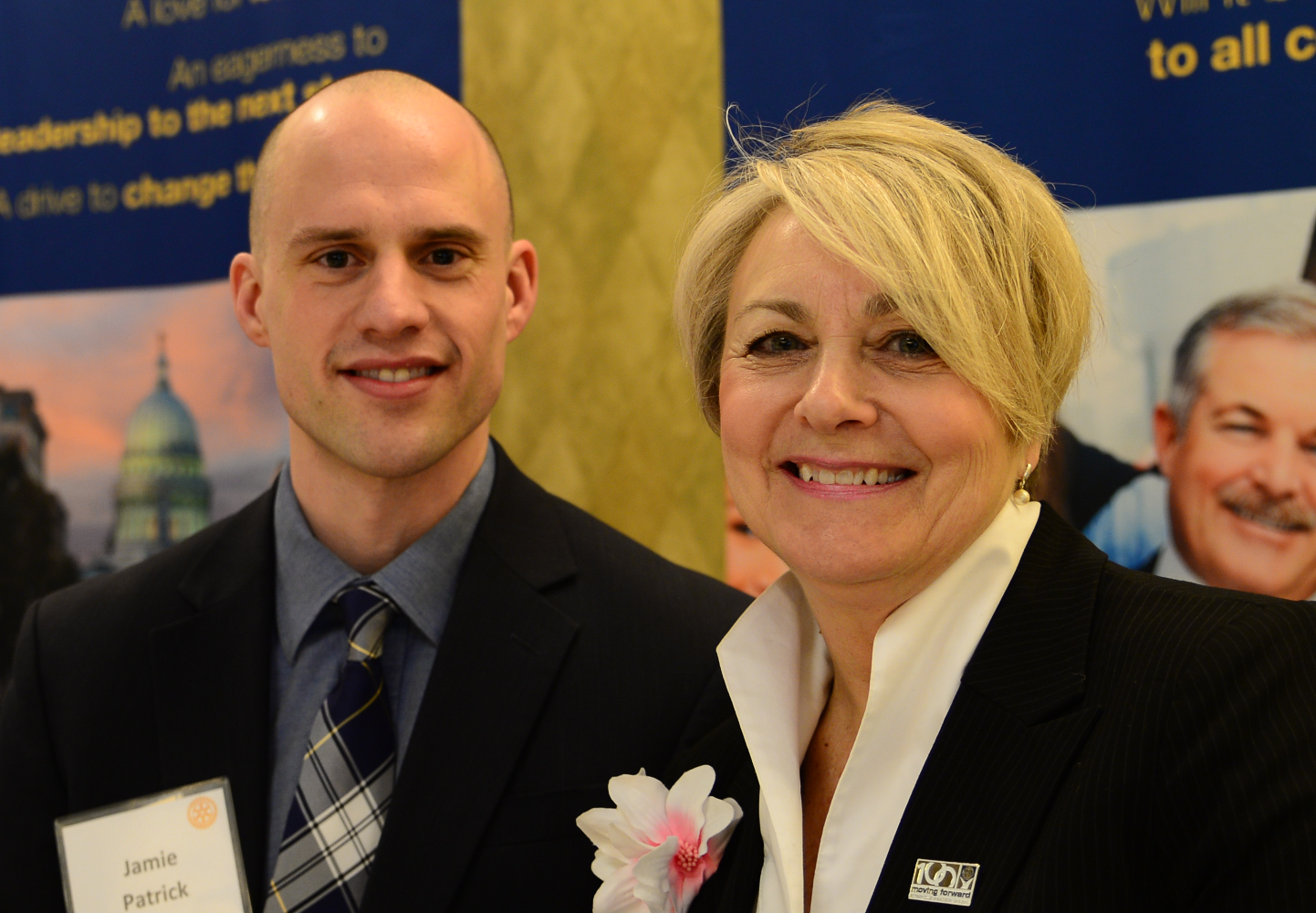
Deb Archer and Jamie Patrick, Madison Area Sports Commission

–submitted by Linda Maremont; photo by Karl Wellensiek

Archer Patrick 2 25 15

Do you know what the Madison Area Sports Commission does?  Deb Archer and Jamie Patrick, leaders of the Madison Area Sports Commission, provided a great education for many of us at this week’s meeting.    As the President  & CEO of the Greater Madison Convention & Visitors Bureau, Deb talked about the lengthy research that had been done over a number of years regarding the benefits of hosting sporting events in the Madison area.  During the economic downturn in 2008, they realized that while the economy suffered significant blows in other areas of tourism, the sporting events that lured visitors to Madison were virtually recession proof, and knew they were on the right track.

The Sports Commission was formally founded in 2010 with the goal of focusing on bringing additional sports tourism events to the local community that would in turn have a significant positive economic impact.    Since the inception of the Commission five years ago, there has been $48,000,000 in direct spending in the community through sports tourism.  There were 36 sporting events in 2014 alone that were hosted in the Madison area.

Through a rigorous 18-step sales process that can take months or years to bear fruit, the Commission is working toward their goal to make the area the “championship capital” for local, regional, national and international sporting events.  In March, Madison will be the proud host of the 100th Anniversary of the Boys State Basketball Championships.

The Commission is also focusing on product development in order to determine whether there are additional specialized sporting facilities that may be worth consideration that would help attract additional sporting championships and also afford more options for the local residents.

The great success our community has enjoyed recently in numerous rankings touting Madison as a great place to live, work and play helps underscore our community as a viable option to host championship events as well and bring more tourism dollars to the area.

Climbing for Hospice – Putting One Foot in Front of the Other

–submitted by Andrea Kaminski; photo credit to Loretta Himmelsbach

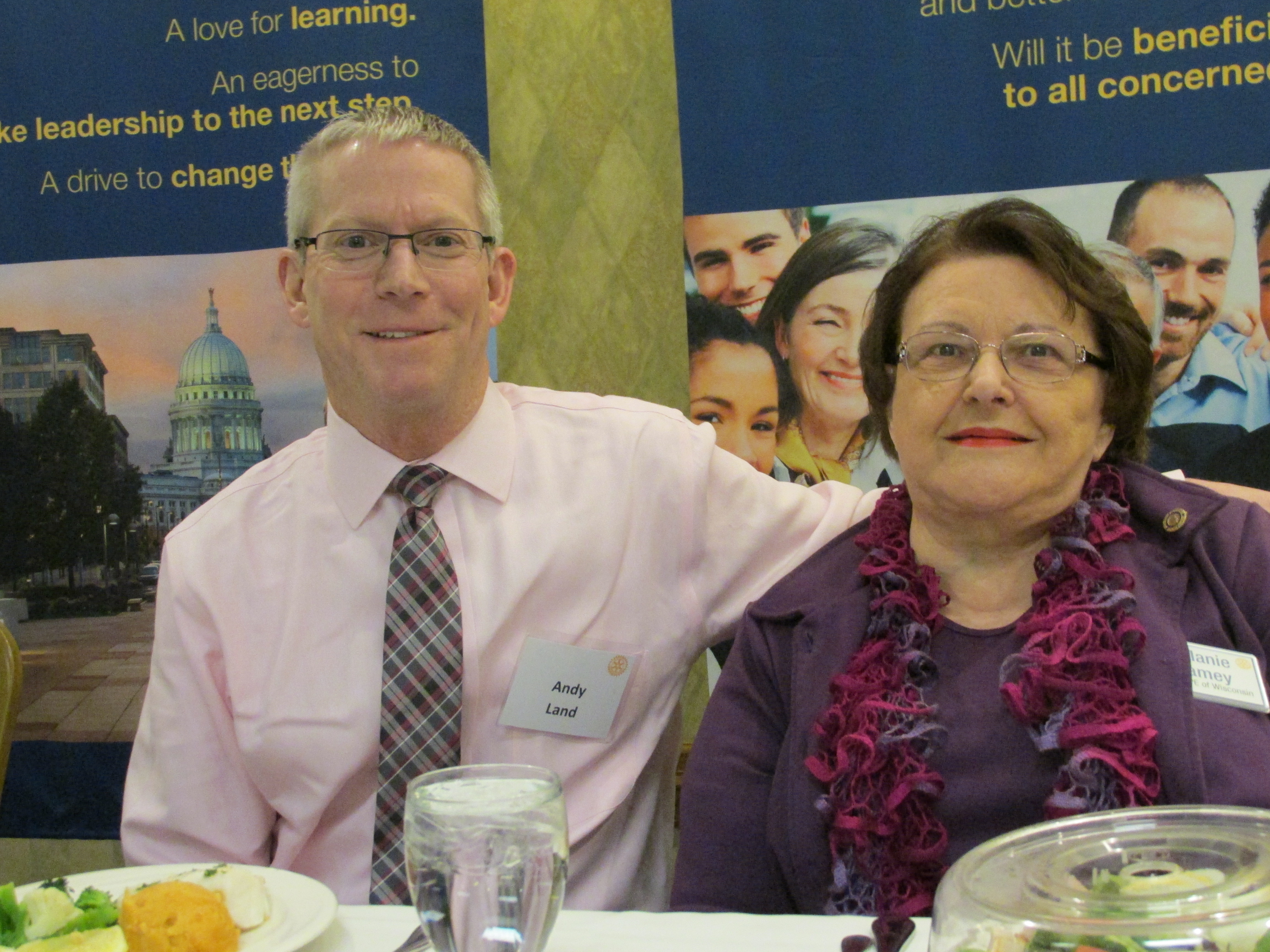
Andy Land and Melanie Ramey

Andy Land and Melanie Ramey

Mountain climbing and hospice are the passions that drive Andrew Land, Director of Hospice and Palliative Care at Agnesian HealthCare in Fond du Lac. On February 18, he treated Rotarians to stunning shots of snow-covered mountain peaks and explained how his avocation and his professional mission are interwoven.

Land began climbing mountains in 1992 with a trek up Mount Rainier. He was working at a hospital in Chicago at the time and was inspired by an article he read. He made the climb with a group and a guide, but never got near the summit. It was so windy people were being blown off their feet.

Land caught the climbing “bug” and eventually took his kids with him on his climbs. It was on Mount McKinley in 2002 that climbing and hospice came together for him. This was a difficult, month-long expedition, and sometimes he wondered why he was there. However, he thought about a hospice patient named John who was excited about Land’s climb. John had told Land to “think of me” when the going got tough. Hospice patients have to keep putting one foot in front of the other, he said, and so do mountain climbers even when they think they cannot go another step.

A few years later, while climbing Mount Aconcagua in Argentina, Land had long discussions with others in his group who had lost family members. When they learned he was “a hospice person” they talked about their experiences and asked questions. What would they have liked to say to their loved ones before they died? And how could someone die so young?

This year, Land will climb Mount Everest funded by his brother Chris, who is two years older and very ill. Chris changed his life insurance policy in order to allow his younger brother to fulfill a dream. Chris only asked Andy to “use my story to help others.”

Having served two terms as President of the Board of HOPE of Wisconsin, Andy is working with Melanie Ramey to make his climb a fundraiser for hospice. For more information, visit: CLIMBING FOR HOSPICE.

Michael Edmonds: Bold (Not to Say Crazy)

–submitted by Valerie Johnson; photo by Karl Wellensiek

Edmonds Michael

History is not only made by celebrities, it’s made by each of us and the choices we make every day.  That’s the lesson Michael Edmonds says we should take away from the 43,000 documents and images compiled by the Wisconsin Historical Society on the civil rights movement.

Edmonds brought to life the 1964 Mississippi Freedom Summer Project with some of the stories behind the people collecting these historical documents for Rotary members Feb 11.  This was the summer when volunteers arrived in the Deep South to register voters and teach nonviolence, and more than 60,000 black Mississippians risked everything to overturn a system that brutally exploited them.

Wisconsin has one of the richest civil rights collections anywhere, and the largest American history collection anywhere, according to Edwards.

Edmonds is Deputy Director of the Library–Archives at the Wisconsin Historical Society and curator of its online collection of more than 25,000 pages documenting Freedom Summer. A 1976 graduate of Harvard University, he earned an MS degree at Simmons College in 1979 and taught part-time at the University of Wisconsin–Madison.

These vivid primary sources shared by Edmonds, collected by the Wisconsin Historical Society, provided both firsthand accounts of this astounding grassroots struggle as well as a broader understanding of the civil rights movement and the work to collect them.

Edmonds closed by saying, “Remember, an archive is not a dusty old place, it’s an engine to remember our place in the world quite differently. For example, your grandmothers didn’t know they had to be so brave.”

For information on Edmond’s book Risking Everything: a Freedom Summer Reader click www.wisconsinhistory.org.  To view 43,000 pages of historical civil rights documents click: www.Wisconsinhistory.org/freedomsummer.