Tag Archives: Rotary

An Epidemic of Prescription Drug Overdose

–submitted by Stan Inhorn; photo by Mike Engelberger

Teater Donald 11 19 2014On November 19, Dr. Donald Teater, Medical Adviser to the National Safety Council, provided insight into the magnitude of the drug overdose problem in the U.S. In the past 10 years, there have been 125,000 overdose deaths, especially from opioids. Every day, about 45 productive people die as a result of more morphine being prescribed. Since 2010, there have been more overdose deaths than from car crashes, and more deaths than caused by breast or prostate cancer.

As more drug prescriptions are being written, the number of patients seeking treatment for overdose is overwhelming doctors handling such cases. The primary culprit is the extract from the seed-pod of the poppy plant that yields morphine and codeine and their derivatives. Used primarily for alleviating pain, opioids are also prescribed for anxiety and depression. Although they relieve anxiety and depression, they should not be prescribed because they can become addictive.

Opioid addiction is a disease model, like diabetes or COPD. It has a genetic disposition, and it causes biological changes in the brain that damages brain chemistry. Its effects can be mediated by medication to get over an addiction. However, like other chronic diseases, it can be controlled but not cured. Unfortunately, disease flare-ups are often treated by jail, not by medical intervention.

Addiction carries the stigma of moral weakness rather than being viewed as a real disease. Narcotic addiction often results in traffic accidents, falls, and mental confusion. Furthermore, addiction often delays recovery from some medical conditions such as back pain. Opioids can even increase sensitivity to pain in these cases. For relief, other pain medications such as acetaminophen are often better.

Dr. Tester applauded several Dane County programs, including the Medical Drug Program that disposes unused pills. Others are the Safe Community Parent Addiction Network and the Health Care Task force for Safe Opioid Prescribing. The battle to control opioid misuse must be ramped up considering that the societal cost of this disease totals over $55.7 billion dollars a year.

Hiking the Snowy Trails at New Glarus State Park

–submitted by Andrea Kaminski; photos by Herman Baumann

Photo1

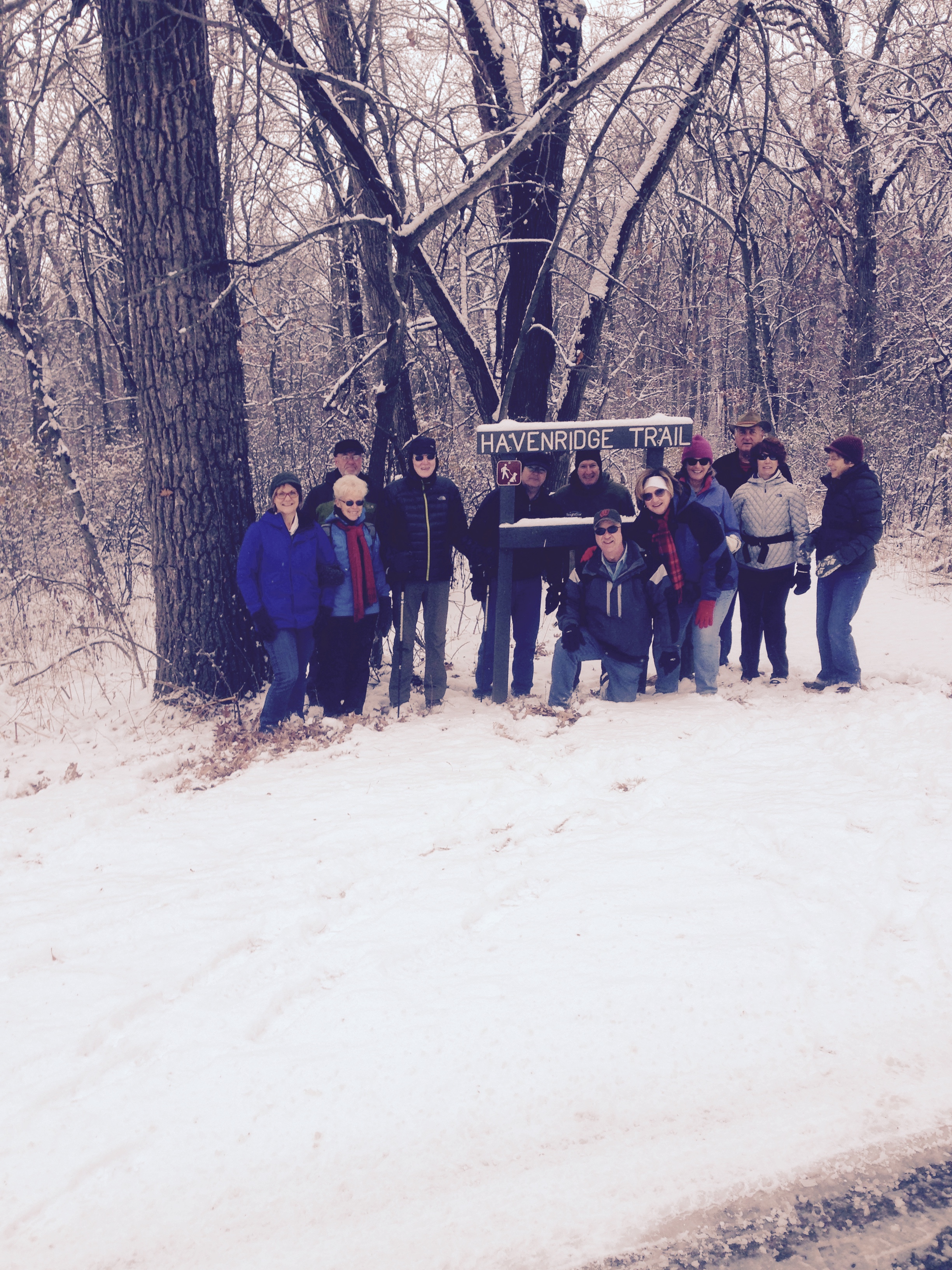
The Rotary Hiking Fellowship enjoyed the snow at New Glarus Woods State Park on Sunday, November 16. We met near the picnic shelter, where a friendly park ranger made sure we all had daily or annual state park passes on our cars. He was very proud of his park, and he stopped to take a photo of the group before we headed off on the Havenridge Trail.

Photo4  Photo3

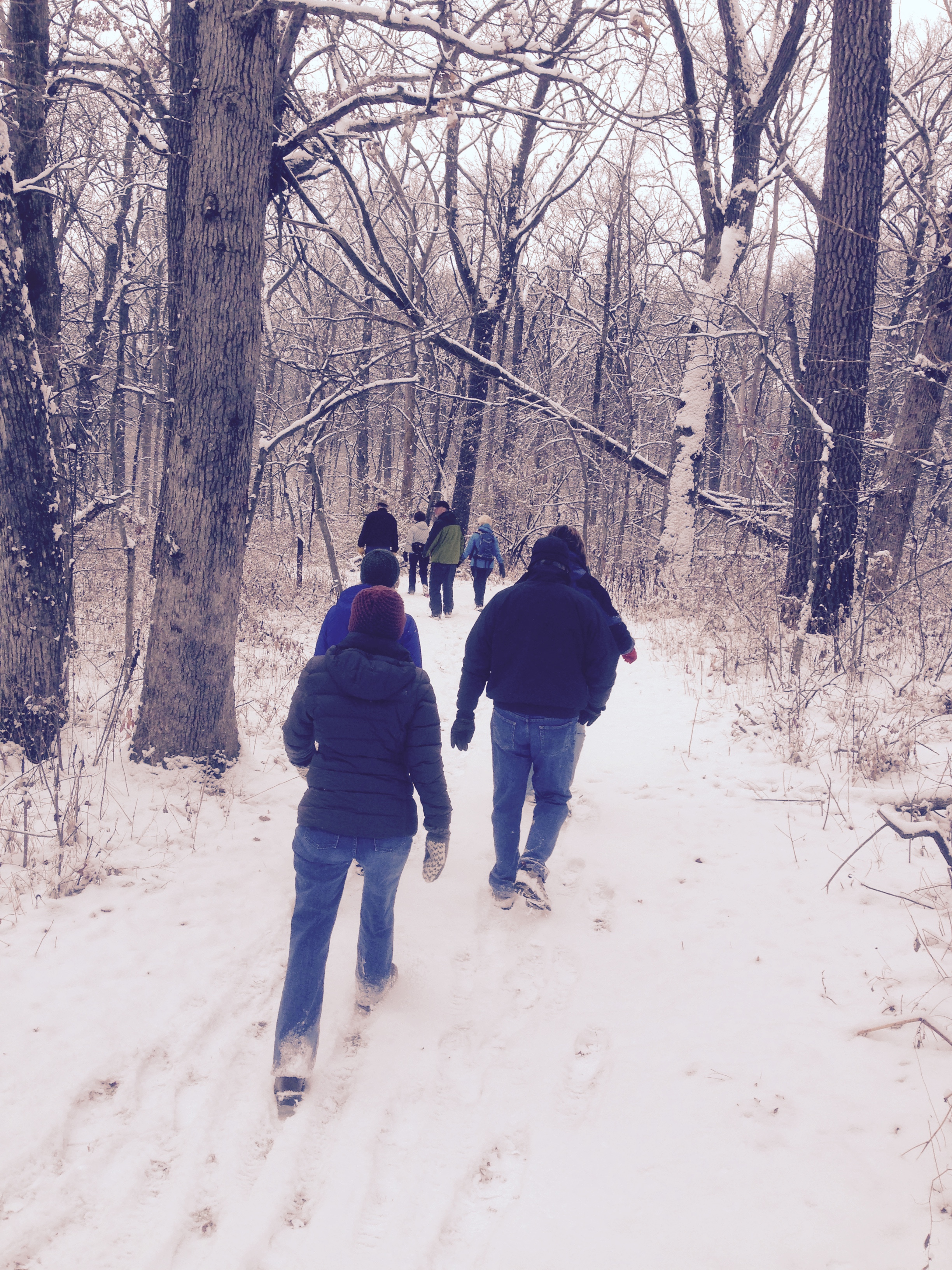
Equipped with printed park maps and multiple GPS devices, the consensus of the team was to simply follow the loop. According to Jeff Tews’ Fitbit, we hiked 4.3 miles and climbed the equivalent of 50 flights of stairs. After the trek, six of us went into New Glarus for a warm and tasty lunch at Kristi’s Bistro Cafe.

From the Saone to the Mediterranean

–submitted by Mike Wilson, Co-Chair Rotary Wine Fellowship Group

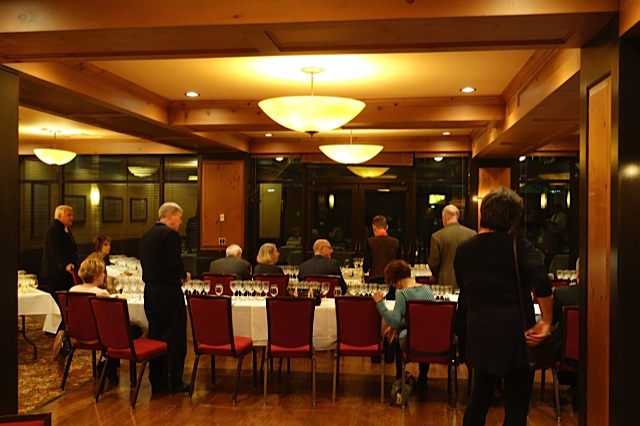
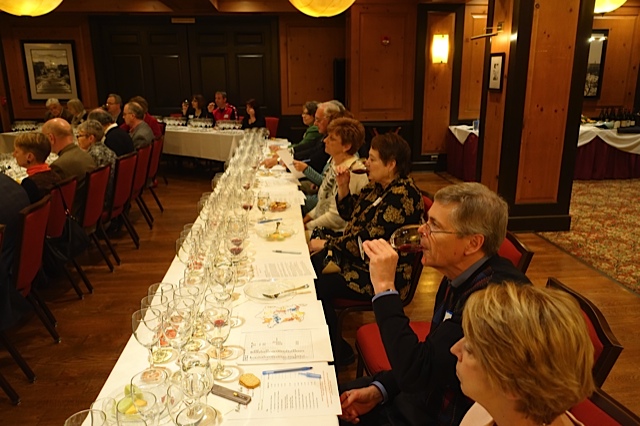
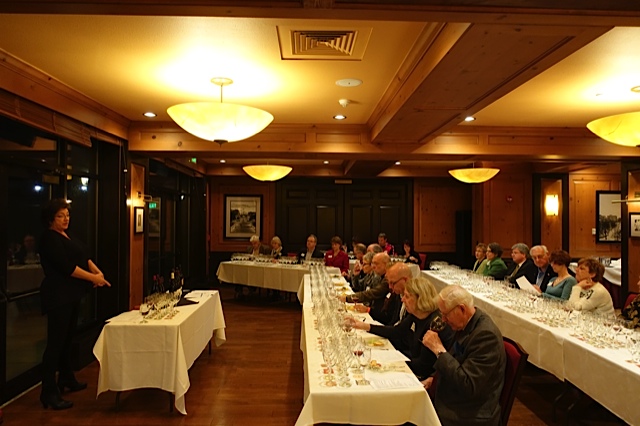
photo34On Tuesday, the 11th of November, the Downtown Rotary Wine Fellowship Group went down to the Madison Club for a wine tasting themed, “From the Saone to the Mediterranean–Wines of Southern France.”  28 Rotarians and guests were present, and they had a great tasting.  14 glasses were placed on a 20 by 12 inch placemat that had all 14 wine labels reproduced in color, so each wine could be kept in the right place. Each taster could be sure which wine they tasted – and no “front and back” confusion occurring as is the case when tasting at the Wilson’s.
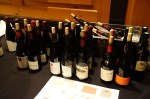
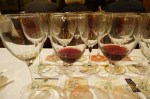
photo6  photo20  photo18

In addition to the gigantic placemat resplendent with 14 glasses there was a five page description of the wines, with numerous other interesting stories and factoids.  A map of France’s wine regions (the focus of the tasting) was provided, and Kitty Bennett noted that if you split this map horizontally about halfway North and South through the country, then those regions above this line usually produced single varietal wines while those below this line usually produced blended varietal’s.  This was a fascinating observation.

photo15  photo14  photo26

(Photo 1: Paul and Ellie Schatz; Photo: Tim Stadelman; Photo 3: Janet Piraino and Patty Wilson)

Also provided was an order sheet with the prices of each wine.  The cheapest wine turned out to be the wine most beloved by the tasting majority, costing $18 to purchase while the most expensive wine was a Chateauneuf-du-Pape (CNP) at $78, a bottle added to the samples by the Madison Club as the “Big Boy” wine of the night.

photo10  photo9  photo8

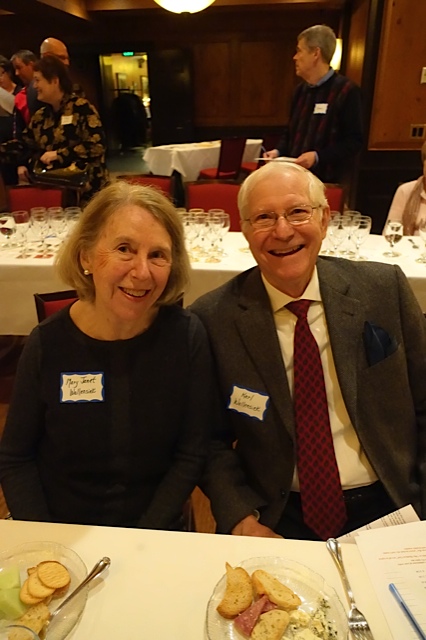
(Photo 1: Ken and Ginny Yuska; Photo 2: Juli and Keith Baugartner; Photo 3: Mary Janet and Karl Wellensiek)

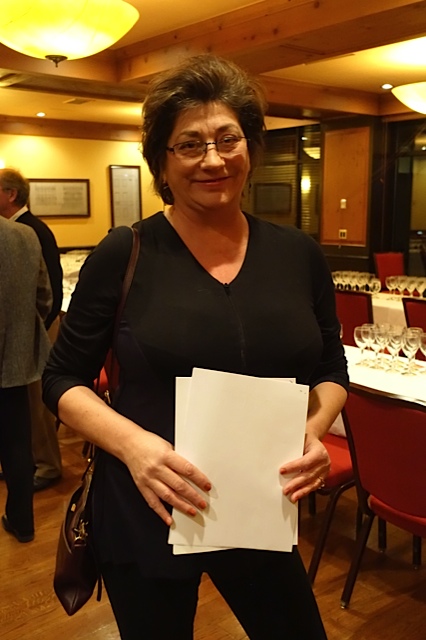
photo4We were all at the Madison Club as the Co-Chair of the Rotary Wine Fellowship group, Steve Mixtacki, had worked with Keith and Juli Baumgartner, regular attendees of both the Rotary and Madison Club wine tasting events, to see if Rotarians could have their own Madison Club tasting.  This event resulted from this collaboration.  The tasting was managed by Kitty Bennett (pictured at left).  Kitty is the the owner of PRIMA LLC, with a book of outstanding wines. Her portfolio has an emphasis on organically grown wines.   Mike Wilson had worked with Kitty in his Chez Michel days.

The first wine set the tone of the evening.  This was a Macon white from a great Pouilly Fuisse producer, and this Barraud Macon-Fuisse (a lesser version of Pouilly Fuisse) was a stunner.  At the end of the evening this was the rated as the “Best of the Bunch” by more than half the tasters – an extraordinary feat for such a large gathering and large number of wines tasted.  This wine cost only $18 but reflects the vineyards and winemakers of this superb winery.  The most expensive wine, the CNP, was rated best by several tasters.

Next, two red Burgundies of lesser appellations were tried – a Mercury and a Marsanny, with the latter having a true  “burgundian nose”.  We then tried two Beaujolais wines, both family run enterprises and classic benchmarks of their style.

photo24Now we slipped south into the Rhone.  We started with a white (Cairanne) and a Cotes-du-Rhone.  Next we tried two other Rhone wines, A Le Clos des Caillon CNP (home of the new French pope) and a Romaine de la Boissiere Gigondas.  Both were Rhone blends being south of that “horizontal” line described above.  CNP’s are required to have at least 6, and as many as 18, individual wine varieties. The Gigondas we tried had the typical Grenache, Syrah, and Mouvedre combination of this wine, a combination made famous as “GSM” by Australian marketing of their Antipodean blend. We also tried a Rhone Rose.

Next, we ventured into Provence and we had a another great Grenache, Syrah, Cabernet Sauvignon, and Carignan blend, and a Minervois made from old vine Grenache, Carignan, and Cinsault.  The Minervois had Anne Gros as part of the winemaking, ownership team.  Anne is a legend in Burgundy, and as half of this winemaking team, reflects a really serious efforts in place to demonstrate the potential of these regional wines.

photo12  photo21  photo22

Lastly we had a delightful story of a “sweetie” wine made from Grenache. I loved this 10 year old wine that is aged for a year in a glass demijohn outside – a traditional process that is followed by 6-10 (in this case 9) years aging in large oak casks.

photo5The food supplied was excellent, and even included pickled asparagus spears that I could not stop eating.  All in all, a wonderful evening was had by Madison Rotary Wine Fellowshippers, and we all thank Steve Mixtacki, the Baumgartners, and the Madison Club for this FINE WINE experience.

 

Rabbi Manfred E. Swarsensky Humanitarian Service Award Program on November 12, 2014

–submitted by Donna Hurd; photos by Mike Engelberger

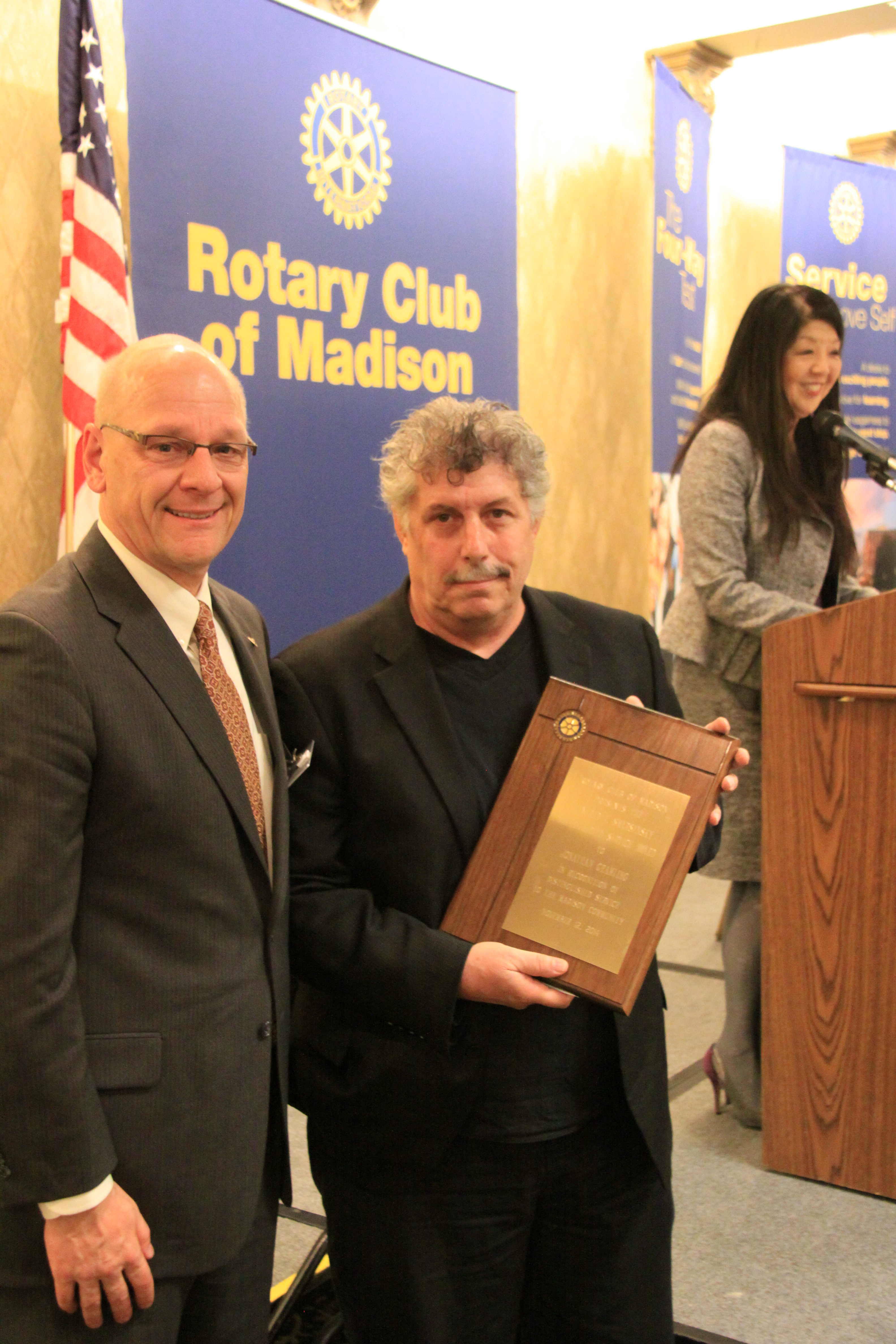
Club President Tim Stadelman (left) presenting award to Jonathan Gramling

Club President Tim Stadelman (left) presenting award to Jonathan Gramling

Jonathan Gramling was awarded the 2014 Manfred E. Swarsensky Humanitarian Service Award, 32 years since its inception in 1982.

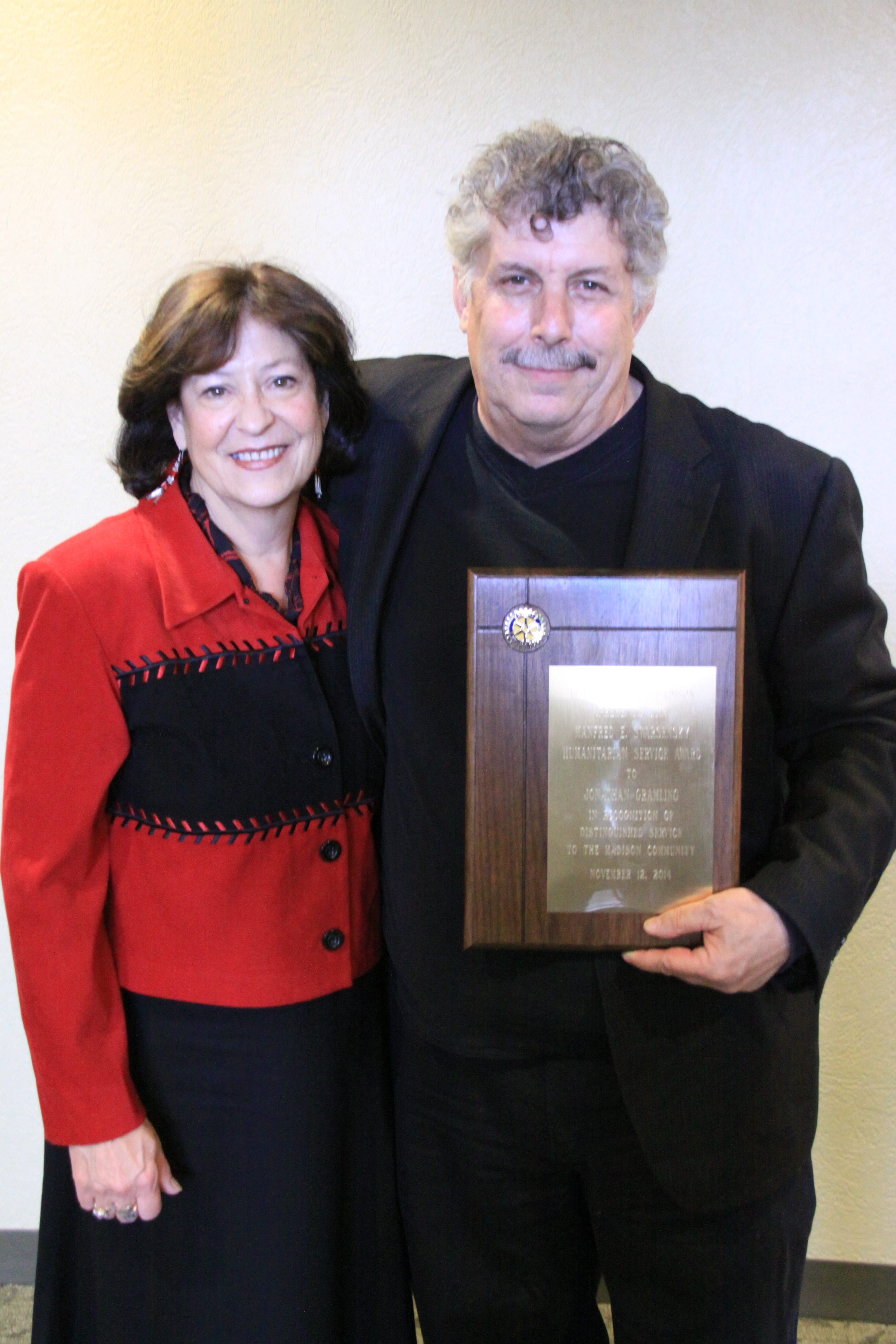
IMG_3317Patty Loew (pictured at left with Jonathan Gramling), a past recipient of the award and Mr. Gramling’s nominator, says of him “Jonathan Gramling has devoted his life to civil rights and promoting racial equity.  From volunteering on self-help projects benefitting African-Americans in the South, to fundraising for United Farm Workers in Madison to supporting Native people on environmental threats associated with mining.  Gramling’s service has been inspirational and exemplary.”


IMG_3248In remembrance of Rabbi Swarsensky, Rotarians and guests viewed the 2000 award-winning video production chronicling his life.  In addition, Rotarian Mario Mendoza (pictured at right) provided the club with excerpts of the November 22, 1967, address to the Rotary Club of Madison, entitled “Thanksgiving – Holiday or Holy Day.”  The address, by all accounts, is as relevant today as it was in 1967.  Paralleling the first Thanksgiving to that of 1967, Rabbi Swarsensky penned, “The work of the Pilgrims is no longer our world.  We could not go back to it, even if we wanted to.  But the recollection of the first Thanksgiving of 1621 can have meaning for us in 1967 [and 2014], if we learned again to be grateful for the simple things in life, which are the most priceless blessings: life and health, home and love and friendship, the privilege to give of ourselves and the determination to make our country and the work a better place so that our children and our children’s children may be proud of us, as we are proud of and grateful to those who have gone before us.”

IMG_3298

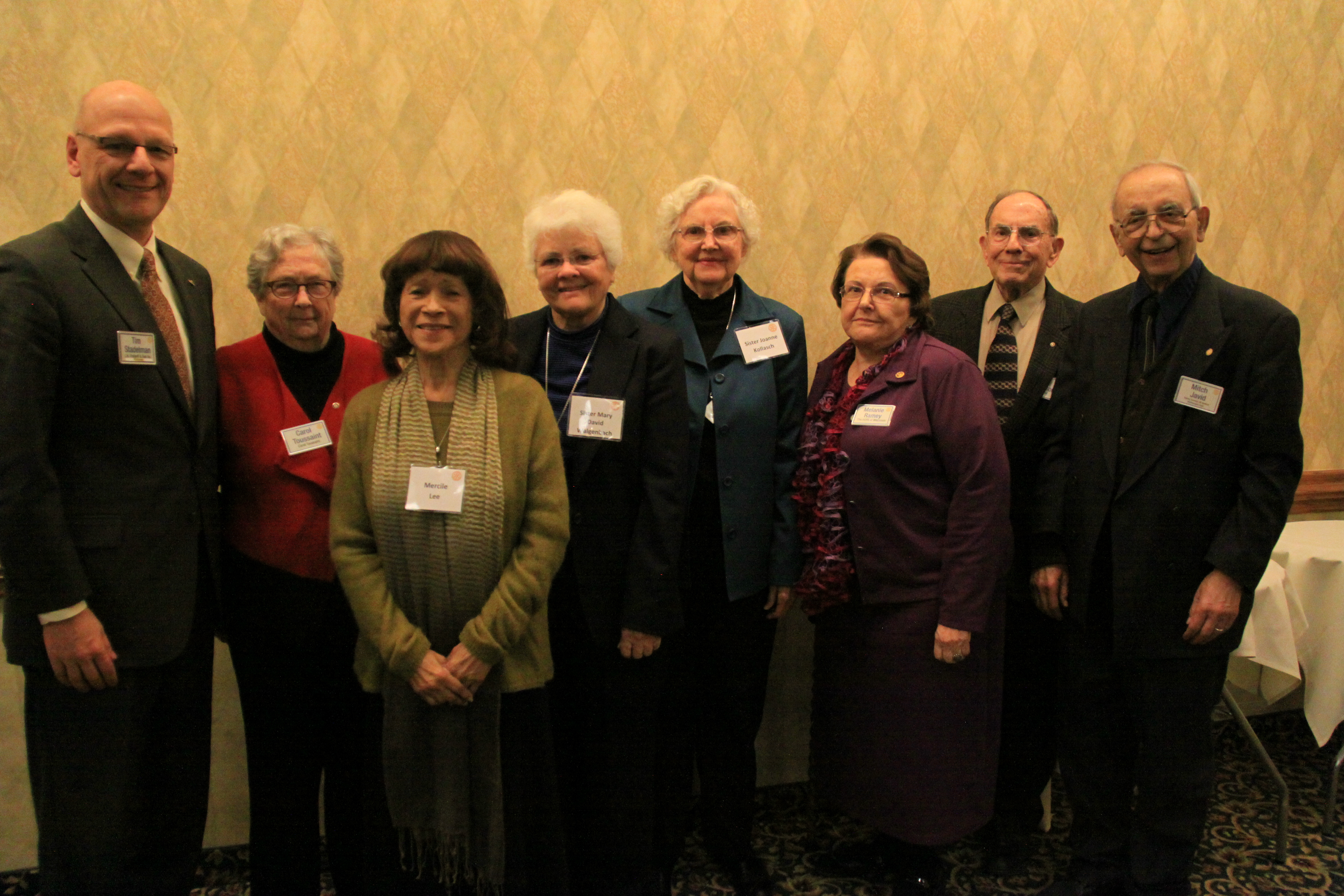
Pictured above from left: Club President Tim Stadelman, Carol Toussaint, Mercile Lee, Sr. Mary David Walgebach, Sr. Joanne Kollasch, Melanie Ramey, Andy Davison and Mitch Javid

The Club was privileged to host 11 past recipients of the award: Sr. Mary David Walgenbach & Sr. Joanne Kollasch, Patty Loew, Richard Davis, Mitch Javid, Rotarian Carol Toussaint, Rotarian Bill Rock, Rotarian Andy Davison, Norval Bernhardt, Rotarian Melanie Ramey and Mercile Lee.

IMG_3372

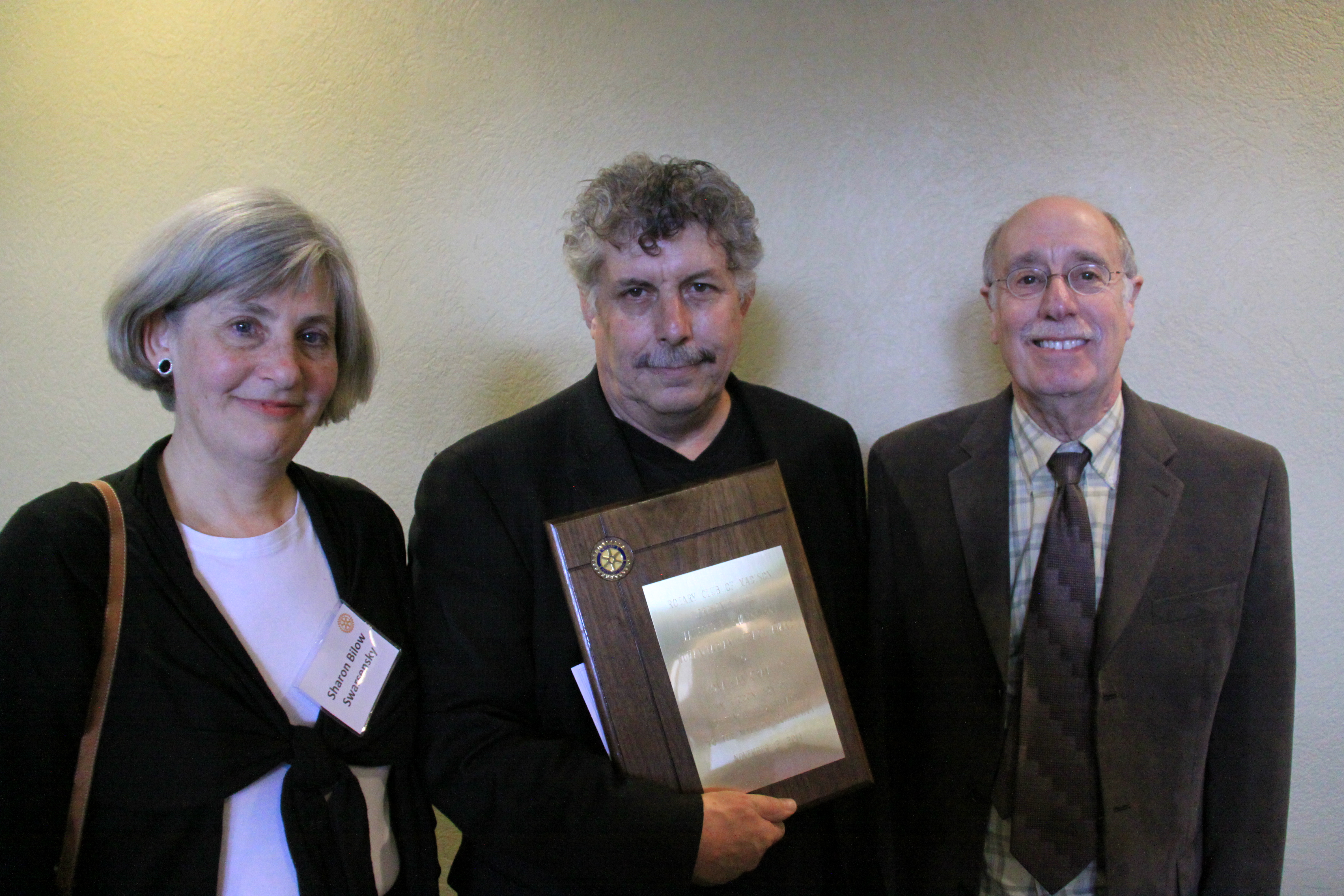
In addition, we were honored that Rabbi Swarsensky’s daughter, Sharon Swarsensky Bilow and her husband, Paul Bilow, were able to join us for this celebration.  They are pictured above with Jonathan Gramling.

The Manfred E. Swarsensky Humanitarian Service Award was established in 1982 and identifies individuals who have, through their voluntary efforts, made a particularly outstanding contribution to the humanitarian service in the greater Madison community, in the tradition so well exemplified by the life of Rabbi Swarsensky.   The award-winning documentary video, “A Portrait:  Rabbi Manfred Swarsensky,” that was created and produced by Rotarian Dick Goldberg with assistance by Wisconsin Public Television, provides background on Manfred Swarsensky and can be viewed on YouTube, and the Rotary office also has a copy of the video for any member wishing to view it.

Going Green & Second Century Fellowship Groups Mix It Up at Aldo Leopold Nature Center

October 22, 2014.
–submitted by Karen Kendrick-Hands

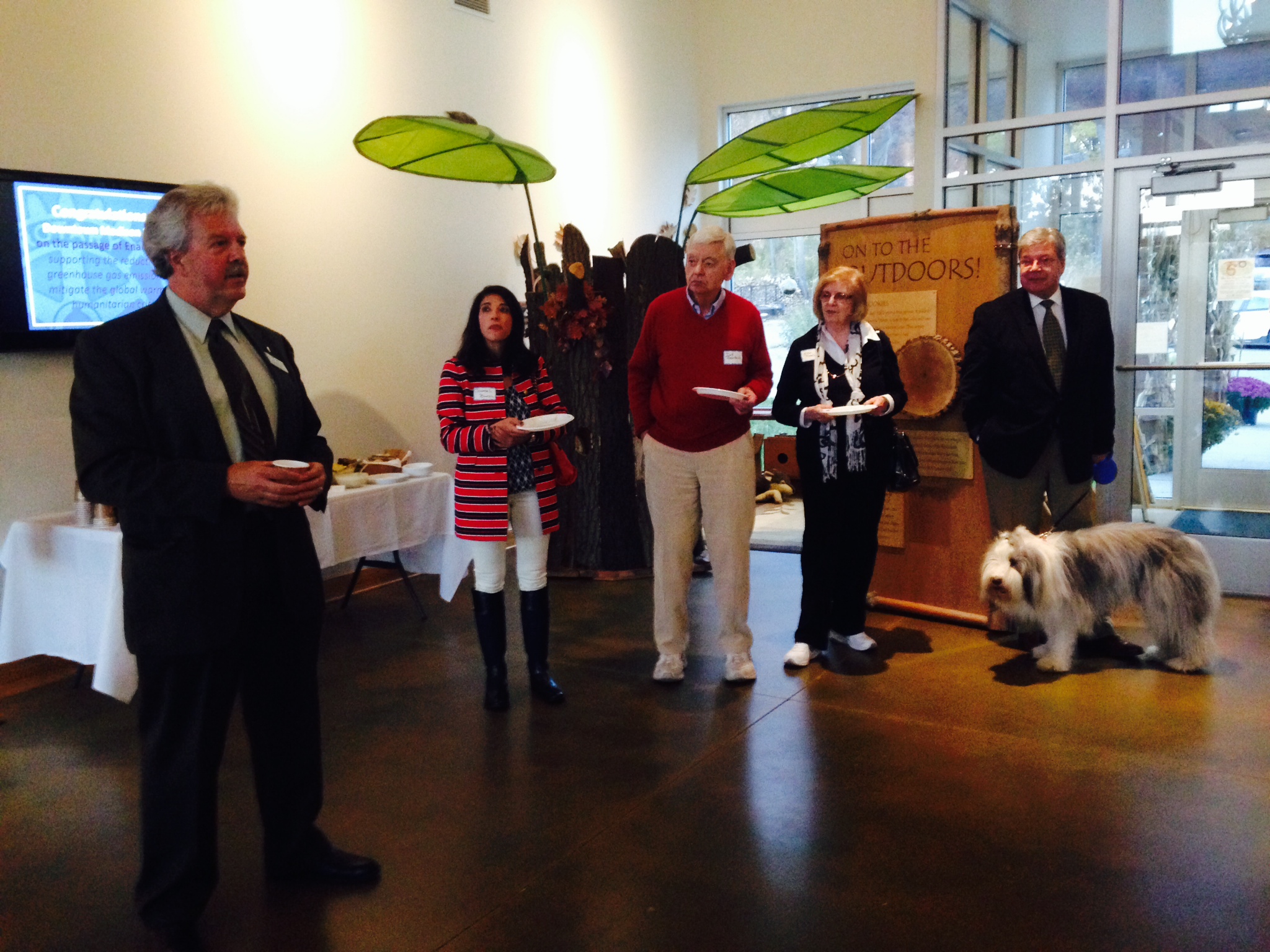
From left: Bob Miller, Joanna Burish, Dick & Nina Rieselbach and Nino Amato

From left: Bob Miller, Joanna Burish, Dick & Nina Rieselbach and Nino Amato

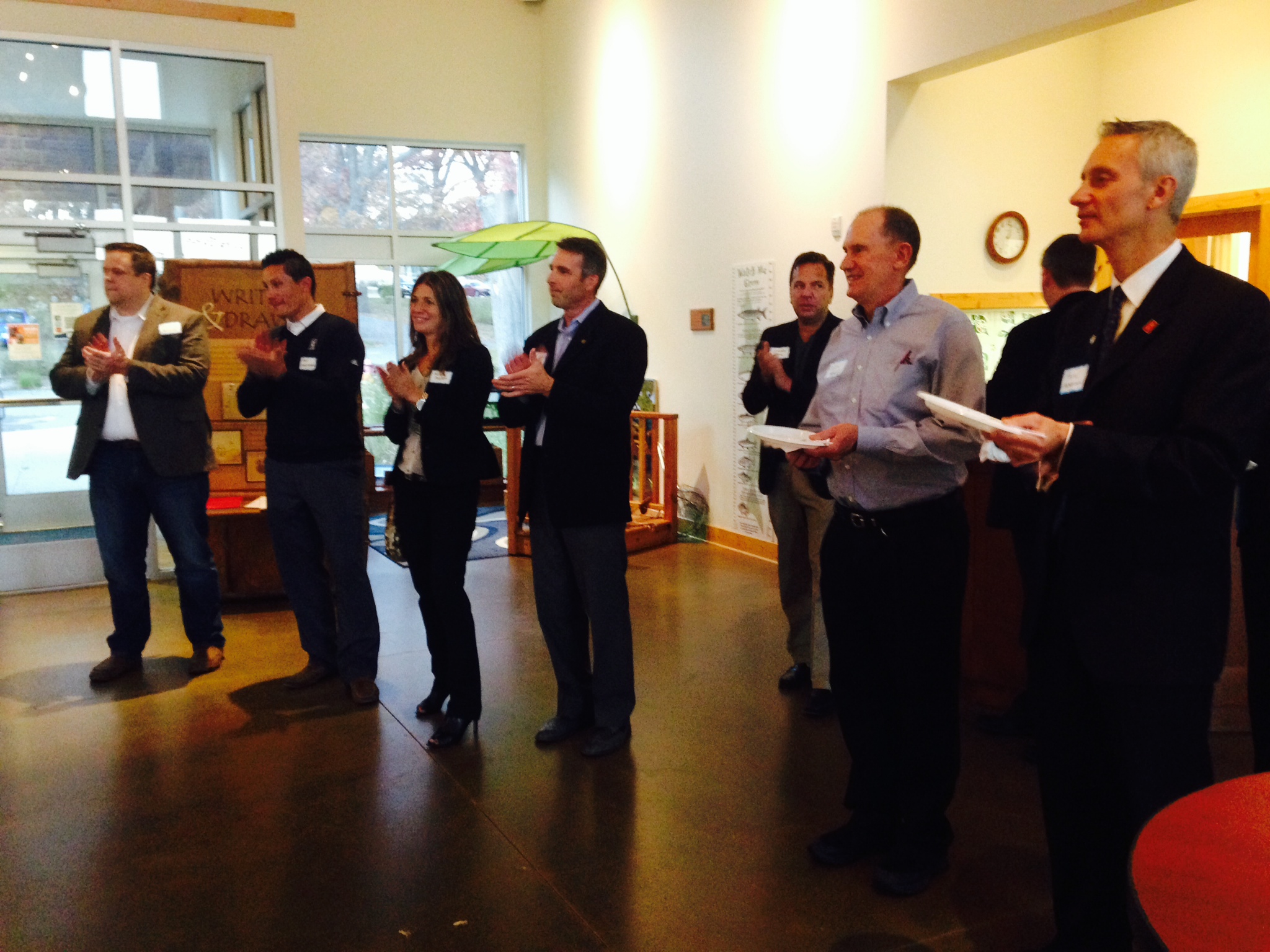
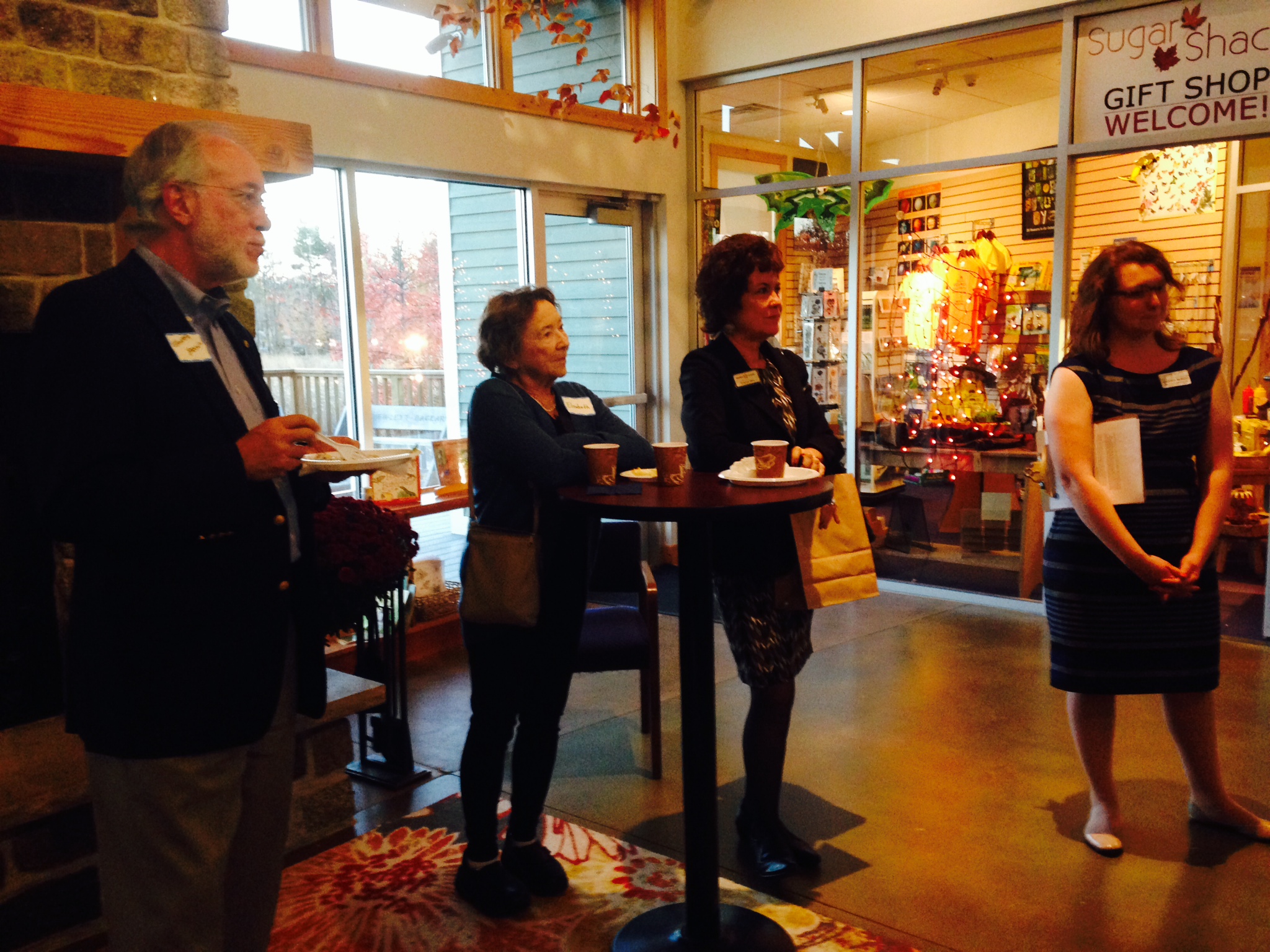
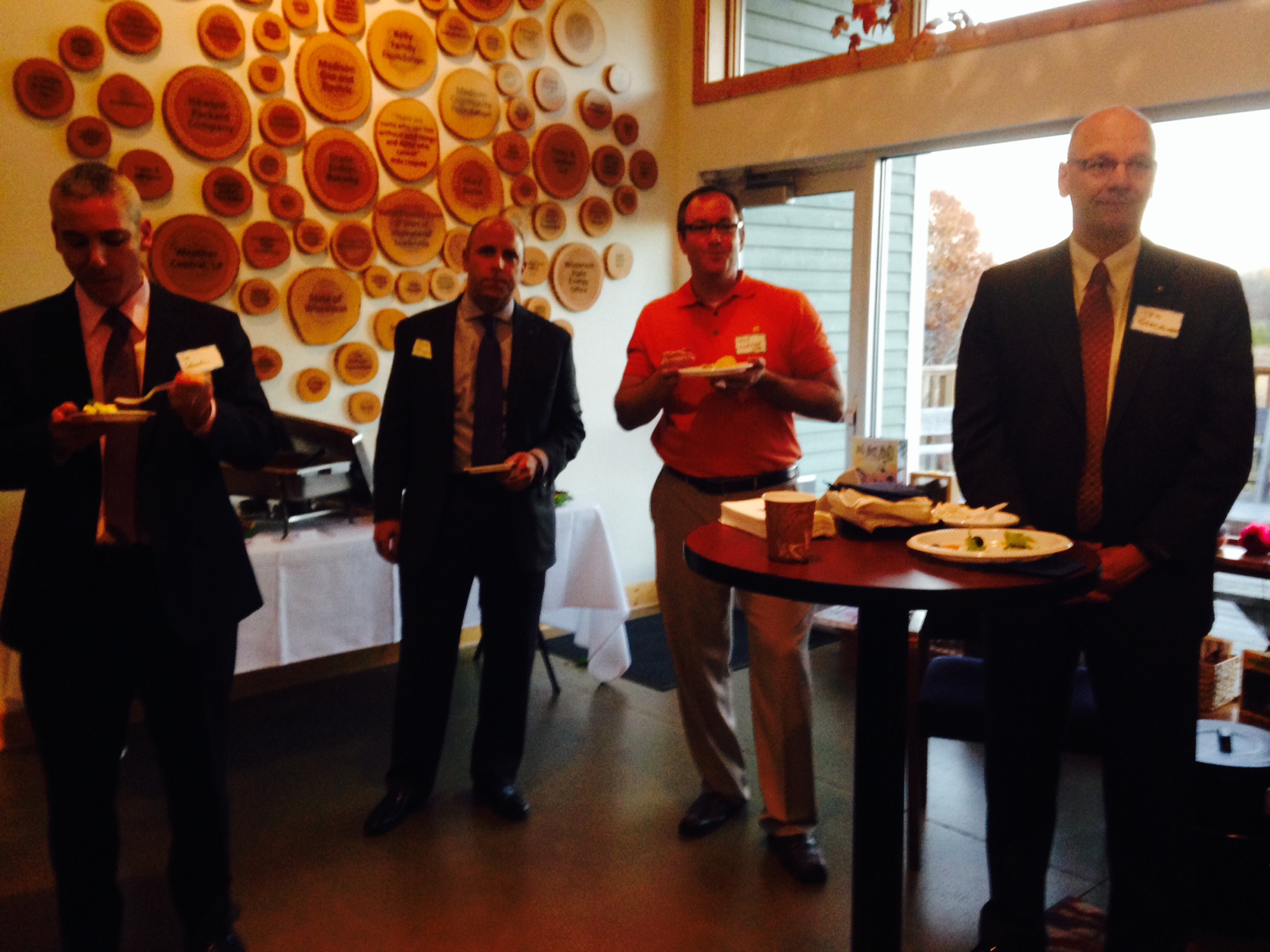
Twenty members  accepted President Tim’s challenge to commingle our two fellowships when we met to tour the Aldo Leopold Nature Center [ALNC]. We shared hefty snacks, and hot cider as we made new friends, networked and found common ground.

We were greeted by the announcement screen gently celebrating our club’s vote to help RI dialogue about climate change.  Rotarian Bob Miller welcomed us to the Center in his role as ALNC’s new Executive Director, as well as to Monona, in his role as Mayor.

Bob shared how ALNC came to be an oasis of wildness: prairie, wetland, woodlands, with nature program for kids, just off the beltway. Director of Community Engagement Sierra Munoz gave us a tour of the Climate Science Education Center where thousands come annually to learn about climate, weather and earth science using high-tech interactive features found nowhere else in the region.

photo 2  photo 3  photo8

(Photo 1: from left: Philip Petrowski, Mike Kosolcharoen, Michelle McGrath, James Tye, Larry Hands & Paul Riehemann; Photo 2: from left: Ellsworth Brown, Becky Stienhoff’s Mom, Kris Ashe and ALNC’s Sierra Munoz; Photo 3: from left: Lee Schwartz, Rob Ringeisen, Nick Curran and Tim Stadelman)

We were all intrigued with the “Science on the Sphere,” – the only one in Wisconsin – on which we watched NASA film clips of global storm tracks, night lighting patterns, jet stream waves and so much more.

Great minds are already pondering holding a  “family friendly Rotary event” at this hidden treasure.

We more than fulfilled District Governor Dave Warren’s wish that we have 10% more fun!

Community Dialogues: Science and Practice

–submitted by Kevin Hoffman; photo by Mike Engelberger

Steve QuintanaUW-Madison Professor Steve Quintana of the Department of Counseling and Educational Psychology shared interesting and practical insights into the value of community dialogues to address issues in the community such as race, ethnicity, and nationality.

He started by discussing whether racial bias is innate or learned by studying children as young as 3-6 months.  What he found was that there is an Other Race Effect (ORE) that occurs when a child is exposed to a face from an unfamiliar race.  Through brain imaging, ORE was determined to be a neurological response such as a flight or fear response.  So, even from a young age we are conditioned to react to that which is different.

While we seem to be hard-wired to react to the “other” we are also capable of change.  We often have conflicting feelings about the implicit response of ORE versus our explicit attitudes (“I don’t see race!”).  This causes cognitive dissonance that can be handled by avoidance of the “other”, rationalization (believing in stereotypes), or by actively working to change our implicit attitudes to match our explicit attitudes.

How do we effectively promote understanding and positive values?  Professor Quintana found that the most effective methodology was through experiential learning in a structured, safe and open environment (dialogue).  This means that participants agree that all members have equal status, cooperate by listening and disclosing, have a shared goal of greater understanding, and have the support of an authority such as a government, university, military institution or neighborhood.

This is the process of community dialogue:  Listening carefully enough to be changed by what you hear.  Specifically, sharing heartfelt disclosures to engage the understanding of others, respectful listening and openness, avoidance of trying to persuade or teach, and humanizing the “other” through first-person stories and experiences.

Professor Quintana has studied and used community dialogue for reconciliation and understanding in a wide variety of situations and topics, and encouraged us to find opportunities for dialogue in Madison to engage the community in improving inter-racial understanding and connection.