
submitted by Carole Trone
F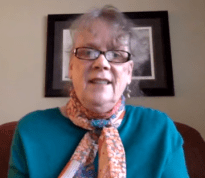 ellow Rotarian Lynn Brady, who is President and CEO of Journey Mental Health Center, shared her insights on “Dealing with Mental Health in the Time of the Coronavirus, a Unique National Emergency!” Brady’s presentation to the club through a virtual meeting platform on Wednesday, April 15, 2020, was an immediate reminder of the significant disruption that all of us are facing in our daily routines. Brady reflected that we are social creatures, and so this required isolation is inevitably going to have an impact. We feel uncertainty about when things will return to normal. In Brady’s work, she says that they are not currently seeing a lot of calls. Rather, people are asking for tips on dealing with stress; how to talk to children about the issue; and how they might reach out in the future to a mental health professional. The mental health professionals that she works with also need a chance to talk through the issues.
Brady walked her audience through the stages of mental stress that the coronavirus has brought, from disruption and worry at a personal level to an increased level of community anxiety about jobs and access to necessities. People at different ages will exhibit signs of stress differently and it’s especially important not to dismiss the distress that older people feel as a normal aspect of aging. Brady provided ideas for how we, as leaders in our community and at work, can provide structure and support to our colleagues and those we supervise. Routines and ongoing opportunities to discuss challenges and to stay in touch are supportive for everyone. Think about the immediate and also the longer term plans of dealing with this crisis. Be sure to thank people who are in the mental health field.
In closing, Brady reminded her audience that Journey Mental Health Center has a crisis line: 608-280-2600, and it is staffed 24/7, 365 days a year.
If you missed our online meeting this week, you can watch the video here.
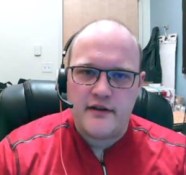 Rotarians heard online April 8 from Benjamin Eithun how Madison is part of several networks to plan for medical emergencies. Eithun is Director of Pediatric Trauma, Surgery, Injury Prevention and Child Protection at American Family Children’s Hospital.
 Dr. Ankur Desai, professor of climate, people and environment at UW-Madison, addressed the first ever virtual meeting of the Club on the effect of climate change on local weather. He stated that climate is personality, and weather is mood.
 On January 22, USA Curling Interim CEO Rich Lepping and Olympic Gold Medal Curler Matt Hamilton spoke to the group about the sport of curling and Matt’s experiences as an Olympian. USA Curling was established in 1958 and is a non-for-profit headquartered in Stevens Point, WI. The organization consists of nearly 200 clubs and 26,000 members. After the Gold Medal Games, the organization saw a rise in membership and interest, resulting in a 12% increase in membership. USA Curling is already beginning to think about the Beijing 2022 Olympic Games and is starting trials. The USA Olympic Curling Teams will be chosen about a year in advance.
 Kurt Paulsen, UW Associate Professor of Urban Planning, reviewed the issues regarding the workforce housing shortage in Dane County and its impact on the economy. Currently, Dane County’s population is increasing 1.3% a year, with job creation at 1.7%, and new housing units at 1.1%, so housing is not keeping up with population demand. In addition, rents are rising faster than income, so many are excluded from living in Madison. Presently, more than 100,000 workers live outside Dane County, which means that they have long commutes.
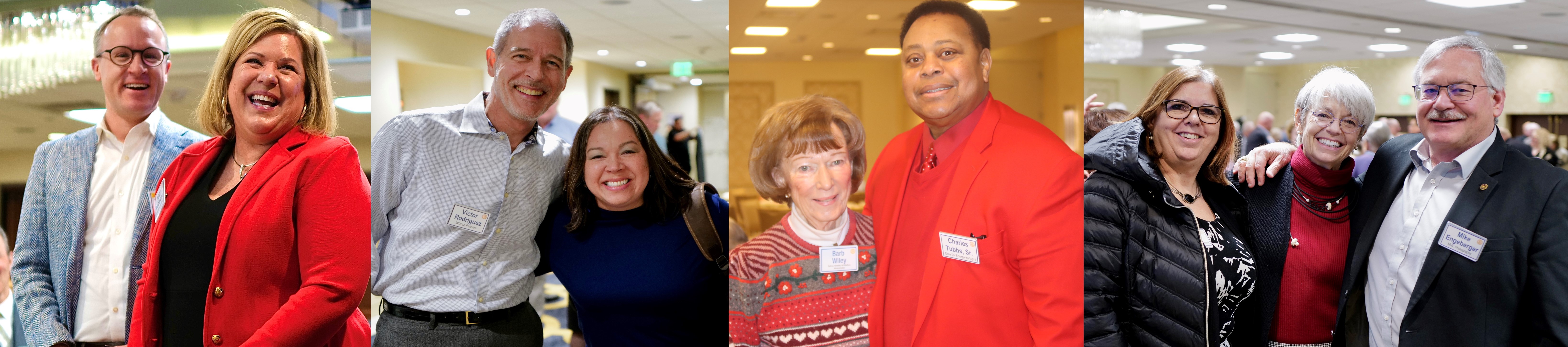
 Rotary Club of Madison, Wisconsin