
–submitted by Janet Piraino
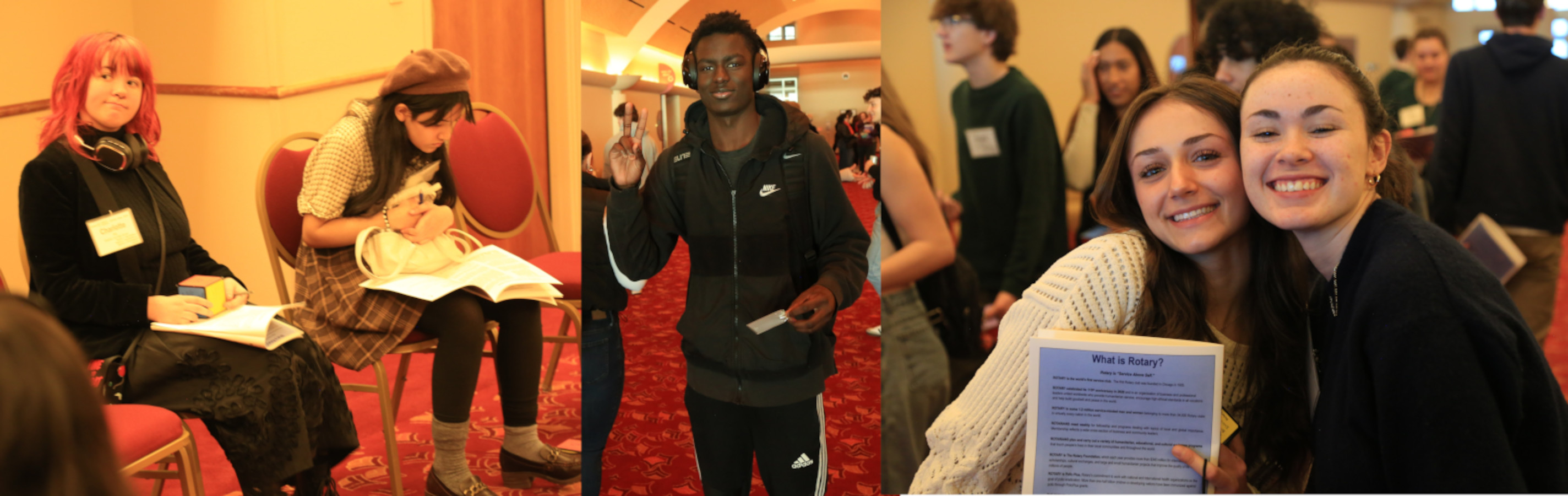
The future of Dane County is in good hands! That was my biggest takeaway from my first experience with the Rotary Ethics Symposium. At a time when so many things divide us, it was incredibly affirming to witness the thoughtfulness and compassion of our next generation of leaders.
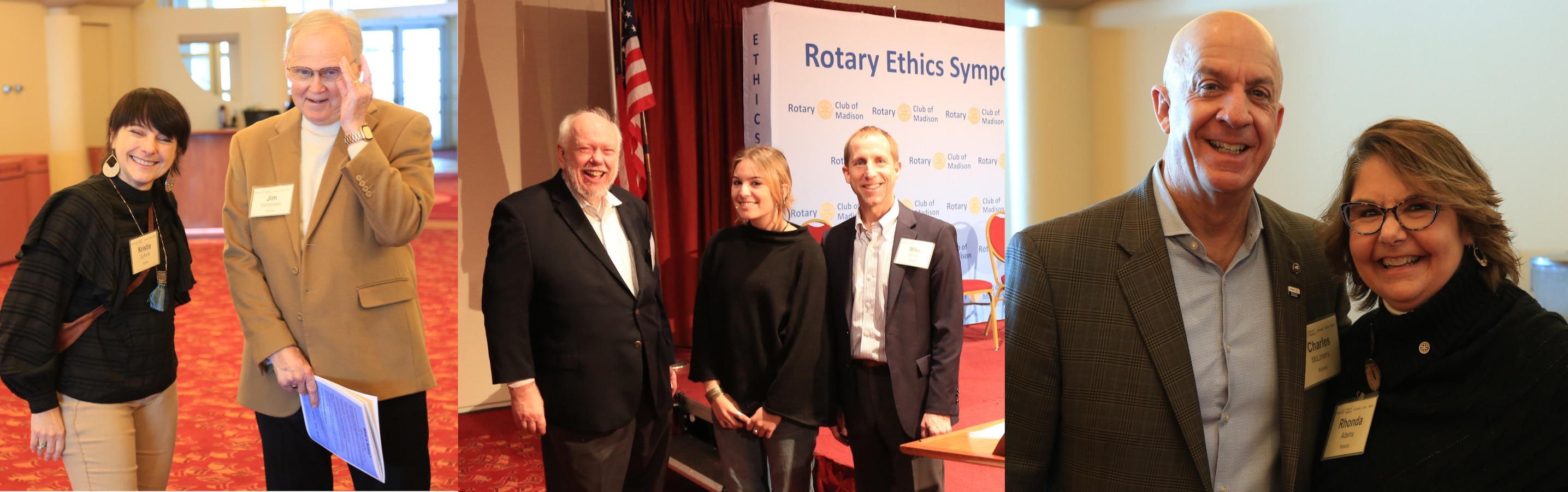
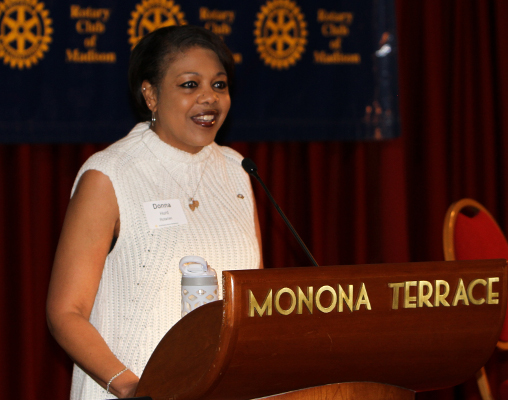
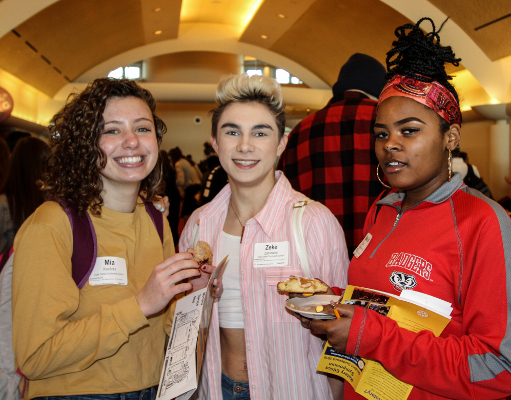
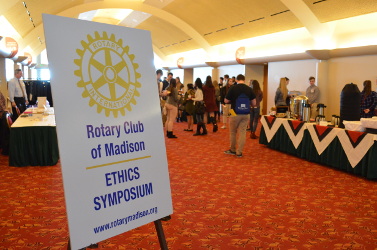
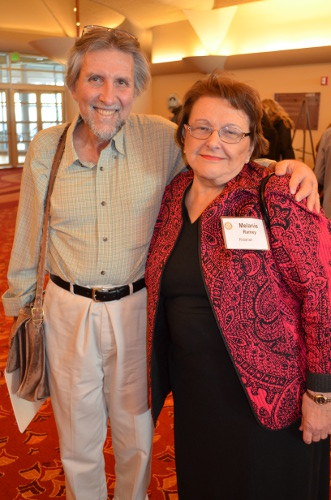
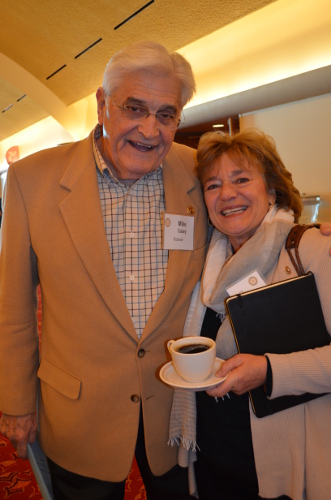
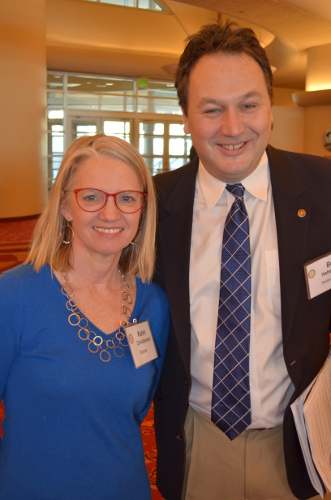
On February 9th, the 2024 Rotary Club of Madison Ethics Symposium brought together 160 high school juniors from 19 Dane County high schools at Monona Terrace, accompanied by 62 dedicated Rotary volunteers.
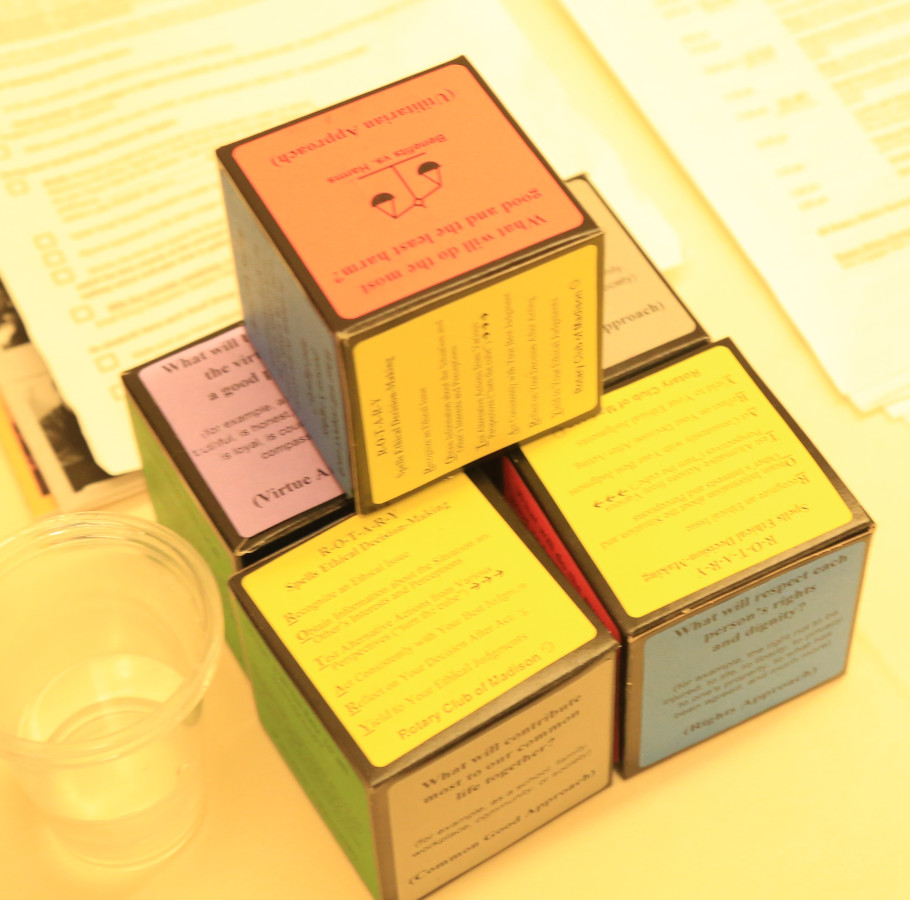
The symposium centered around the “R-O-T-A-R-Y Framework for Ethical Decision-Making,” aimed to equip these young minds with the tools and perspectives necessary to navigate the complexities of ethical dilemmas they may encounter in their lives.
The students were selected by invitation from their social studies teachers or through their AP Government classes. For many, being chosen to participate was an honor, marking them as emerging leaders in their communities.
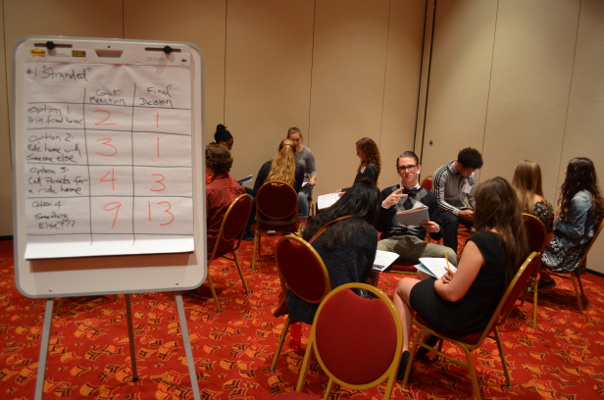
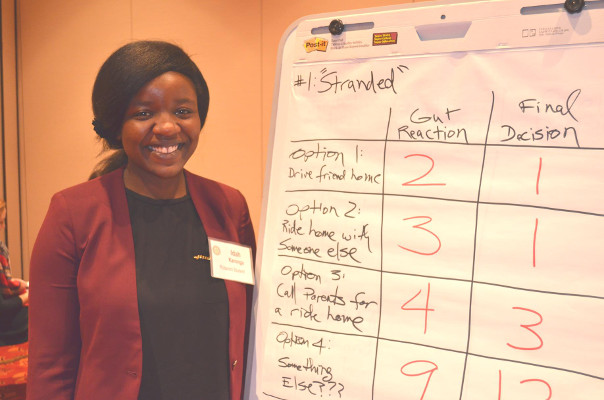
The event was not just about theoretical discussions; it was a transformative experience for the students that gave them real-life experience with tough ethical dilemmas. One ethical quandary involved a high school student who confided in a fellow student that she was being bullied, and that she “couldn’t take it anymore,” but who asked her friend not to tell anyone. Another scenario asked students to take sides in a debate over allowing non-US citizens to vote in local elections.
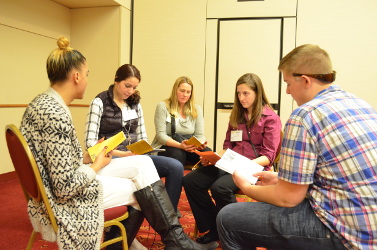
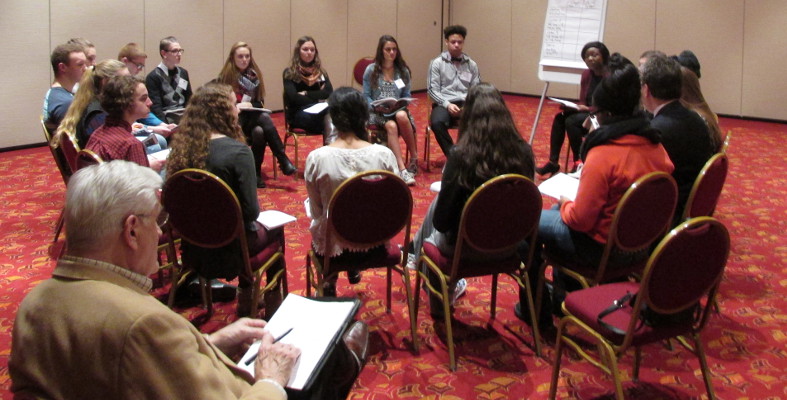
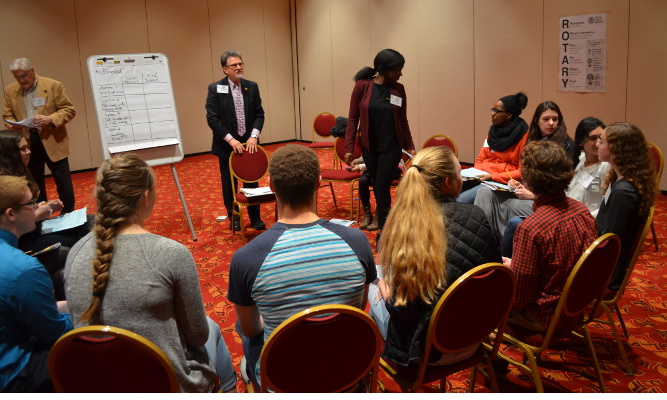
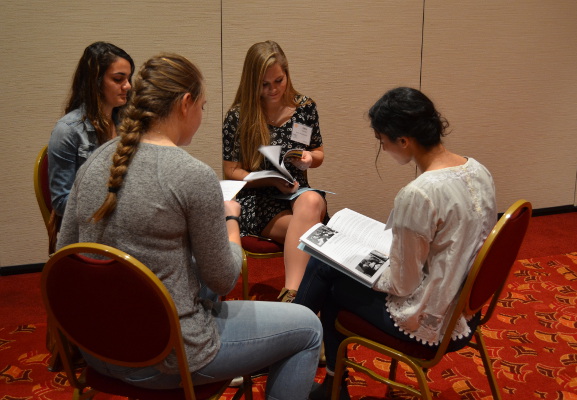
Throughout the day, students learned how to approach difficult conversations, realizing that different perspectives could emerge from the same set of facts. The small group discussions were particularly instrumental in fostering an environment where students felt safe to express themselves without fear of judgment. As one participant astutely observed, “Every decision comes with a consequence,” highlighting the importance of thoughtful consideration before acting.
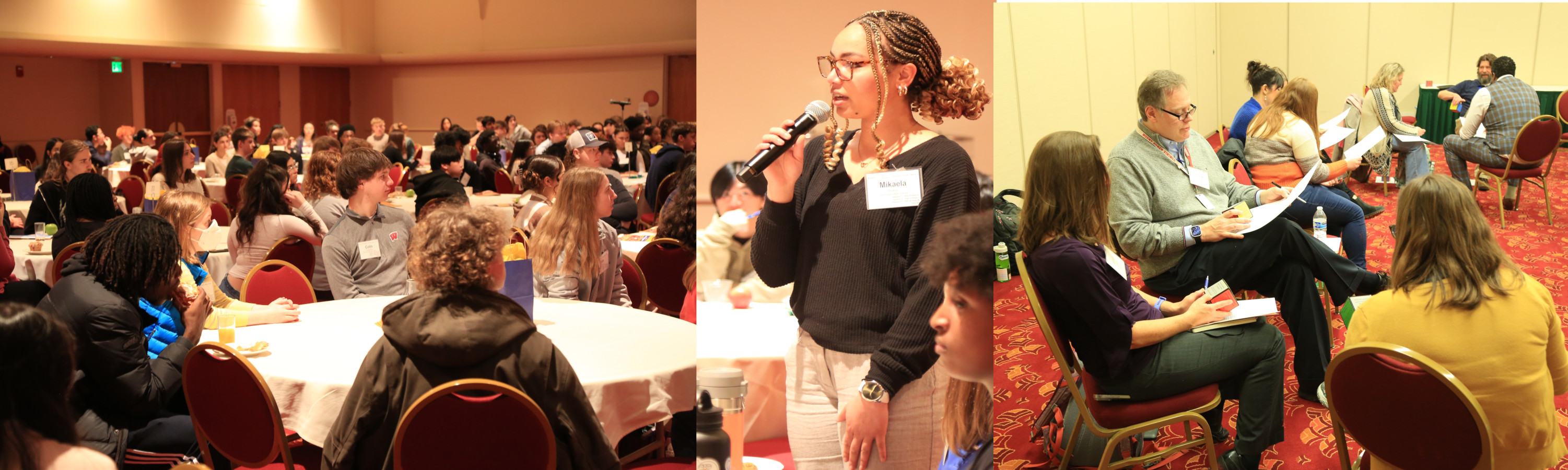
Most importantly, the experience instilled confidence in these young leaders. They learned the value of empathy, critical thinking and logical reasoning in making ethical decisions. Moreover, they discovered the power of their voices and the importance of being heard in a respectful and supportive environment.
The students were hesitant and quiet as the day started. In the first breakout session, voices were barely audible, and you could hear a pin drop. As the day progressed, a transformation occurred. Students gradually found their voices and embraced the opportunity to share their thoughts and opinions. The symposium provided a platform for them to gain confidence and step into leadership roles, empowering them to effect positive change in their communities.
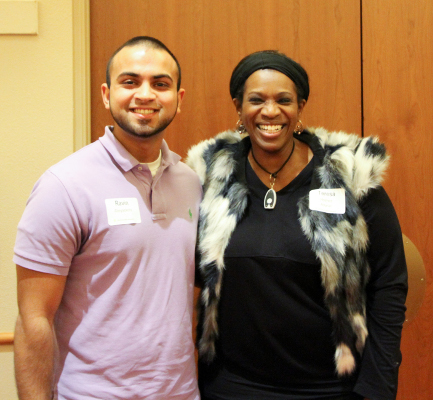
It was evident that the symposium had a profound impact on both students and volunteers alike. Volunteers were inspired by the passion and enthusiasm of the young participants. And the students were reminded of the importance of ethical leadership and the role they play in shaping the future.
One of the most significant takeaways from the symposium was the realization that ethical decision-making is not just about following rules; it’s about understanding the consequences of our actions and considering the perspectives of others. By providing students with a framework for ethical decision-making, the symposium equipped them with the tools they need to navigate the complexities of the modern world with integrity and compassion.
At the end of the day, participants were asked to put their newfound knowledge into action. They were challenged to share the R-O-T-A-R-Y framework with at least one other person and encouraged to invite Rotarians to lead ethics symposiums at their schools, suggesting that students lead a symposium with their high school faculty as participants.
In its 22nd year, our Rotary Ethics Symposium continues to be a beacon of ethical leadership in the community. Through its commitment to fostering dialogue, empathy, and critical thinking, the symposium empowers the next generation of leaders to create a better, more ethical world.
As the students of the 2024 symposium embark on their journey, they carry with them not only knowledge but also a sense of purpose and responsibility to make a positive difference. And create a more ethical world.
For more photos, visit our club’s Facebook and LinkedIn Pages as well as Instagram.
Our thanks to WMTV Channel 15 for attending our event on February 9. Here is a link to the video clip: https://www.wmtv15news.com/2024/02/09/rotary-clubs-symposium-educates-youth-ethical-decision-making/.
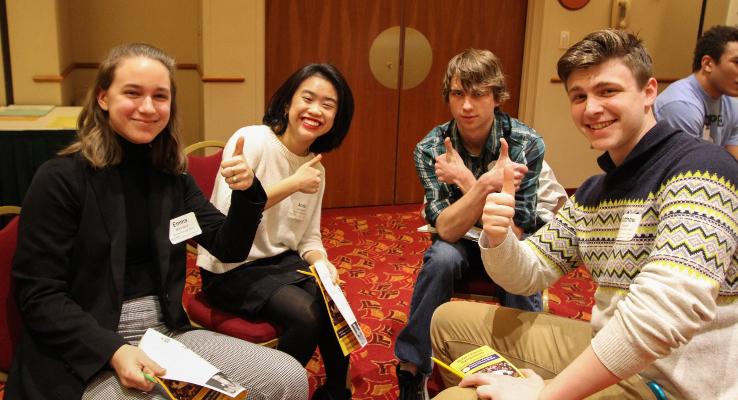
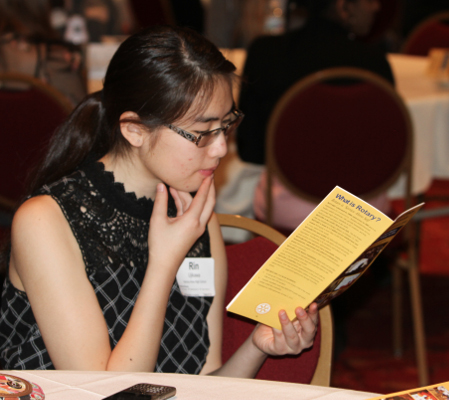

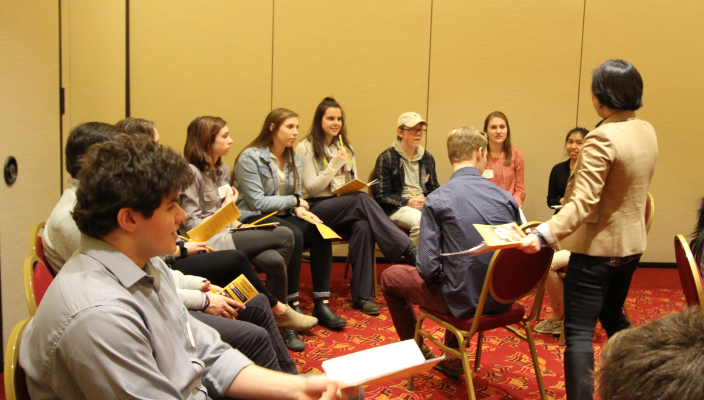
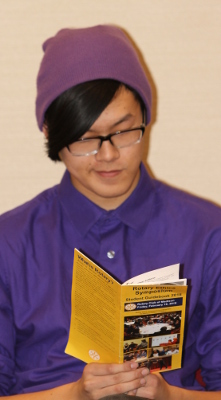
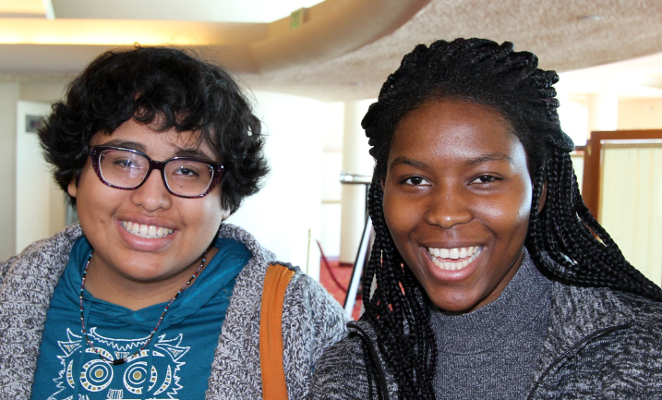
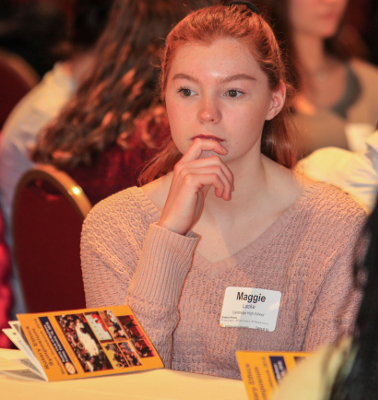
 More than 200 students from 20 area high schools assembled at Monona Terrace Convention Center on February 17 for the 17th Annual Rotary Ethics Symposium, underwritten by our club’s Madison Rotary Foundation. They were welcomed by 2017 Ethics Symposium Chair Steve Johannsen, who noted that we all face ethical dilemmas several times a week. He explained that often it’s a small matter, for example, what to do when your cell phone starts ringing in a meeting. Other dilemmas can be gut-wrenching. Steve introduced the students to a hierarchy of four stages of ethical decision-making:
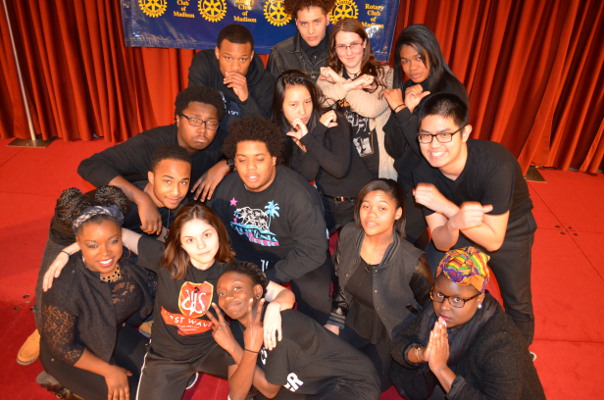
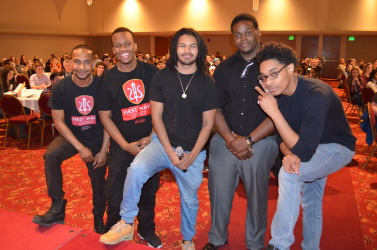 The First Wave Hip Hop Theater then opened the event artistically with dramatizations of three ethical dilemmas that teens might have to face: what to do when the friend who drove you to a party gets drunk; what to make of a famous athlete’s protest during the national anthem; and how to talk with a friend about a decision he has made. First Wave is a cutting-edge, multicultural, artistic program for UW-Madison students. It was the first university scholarship program in the country centered on the spoken word and hip-hop culture. The actors portrayed the dilemmas with humor and insight, and the moderator (a First Wave alumnus who now teaches in the Verona schools) invited audience participation between acts.
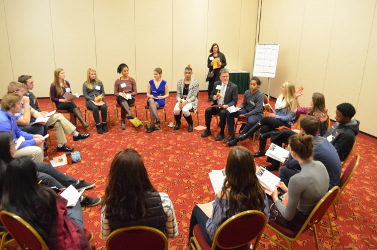
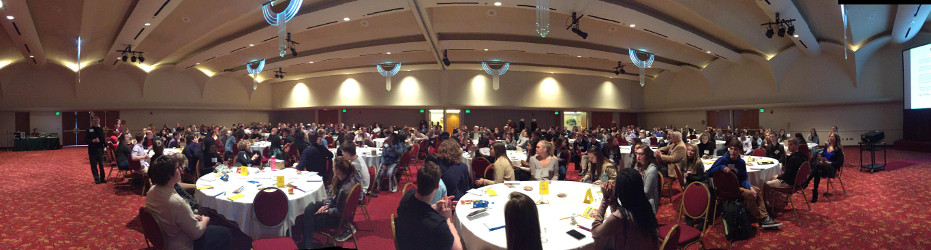
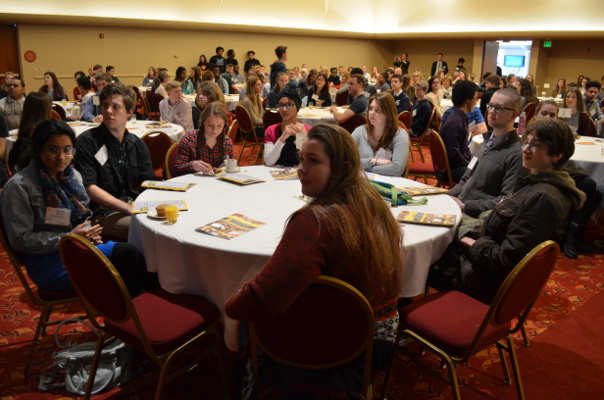
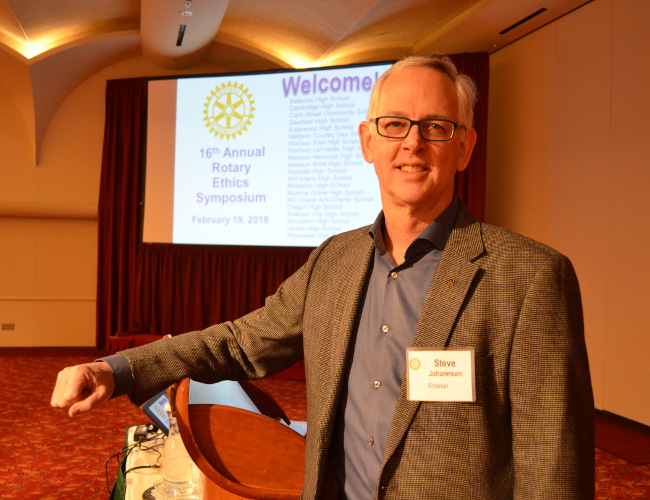 The five-hour symposium kicked off with real-life reminders that ethical decisions abound throughout history and contemporary life. Steve Johannsen, the 2016 Rotary Ethics Symposium Chair, reminded students that the day was a significant date in history as US President Franklin D. Roosevelt issued Executive Order 9066 in the aftermath of the Pearl Harbor attack, authorizing the deportation of Japanese Americans to internment camps. “It is a decision that is still being discussed today,” he said, leaving “tacit” the current political dialogue on the Syrian refugee crisis and immigration.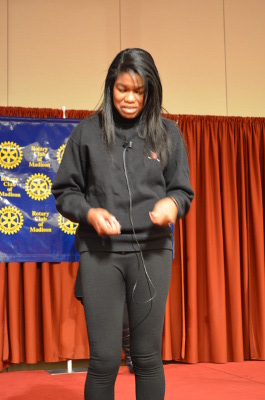


 Rotary Club of Madison, Wisconsin
