Saying “Aloha” to Bruna Perez on July 24

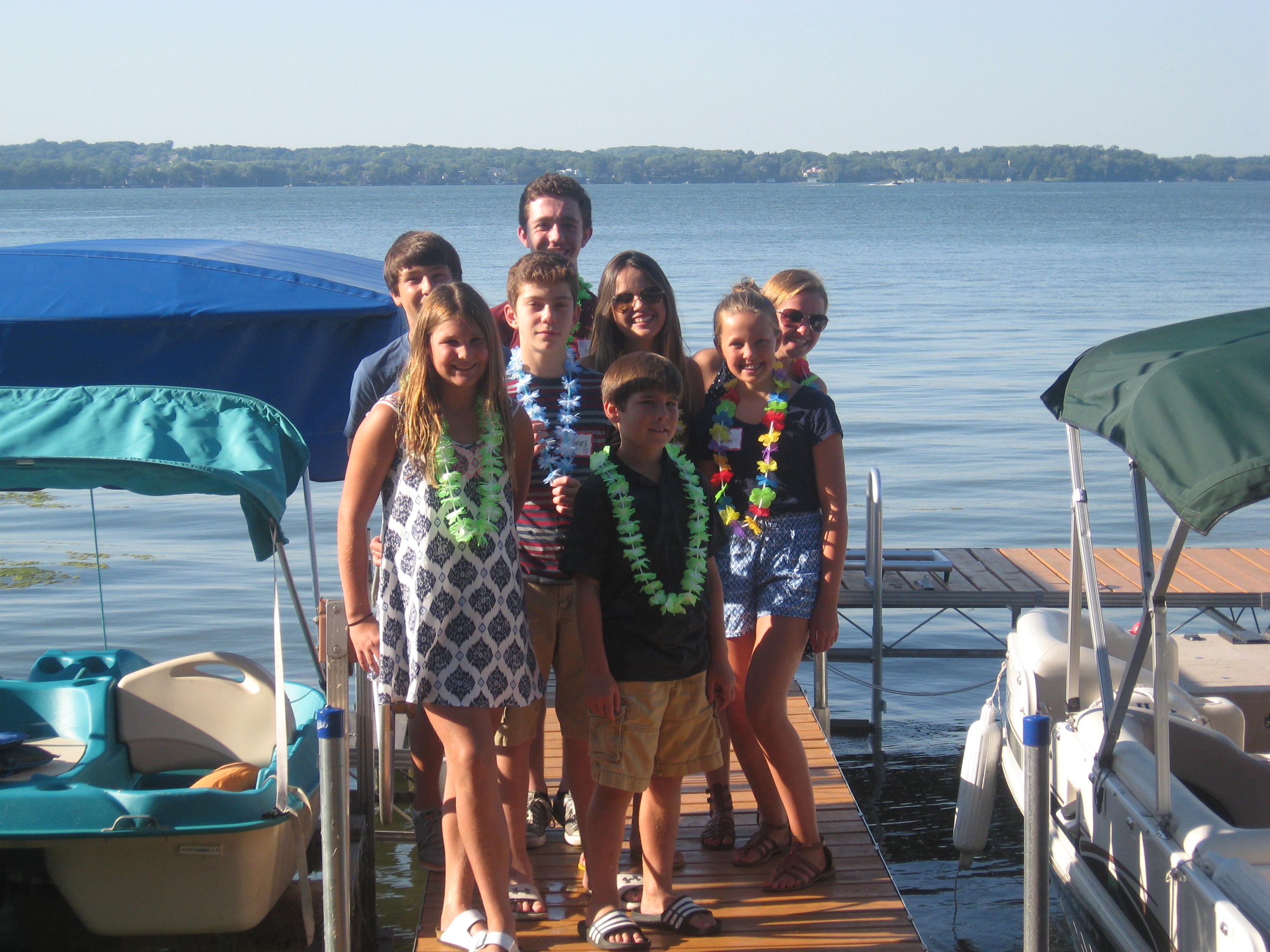
Our thanks to Dick and Noel Pearson for hosting a Going Away Party for Bruna Perez, our Rotary Youth Exchange student who attended Edgewood High School during the past school year. Her host families were: Terry & Liz Heinrichs, Lynne & Paul Myers, and Trey & Shelly Sprinkman. Bruna traveled back to her home in Brazil this week.
Bike Tour de Madison led by Paul Riehemann on July 25

Thirteen members and their guests gathered for a bike ride on July 25 – the weather was beautiful! Was followed by lunch at Bluephies on Monroe Street. Much of the ride was in the Arboretum and on bike paths. Flats – 0; Smiles – hundreds.
Hope you can join us on our next ride! …..August 8, Madison to Paoli, meet at Break Away SportsCenter at 10am. Until then……
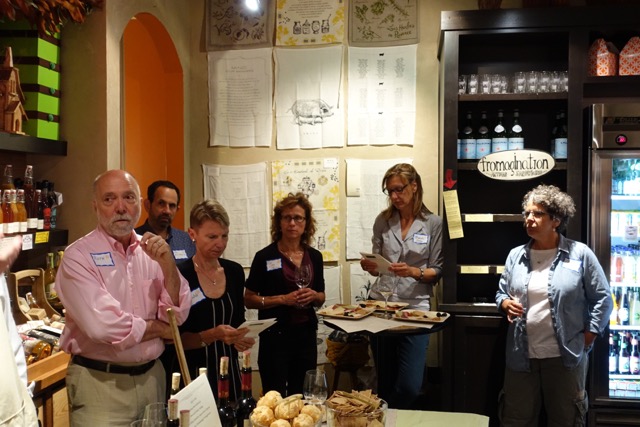
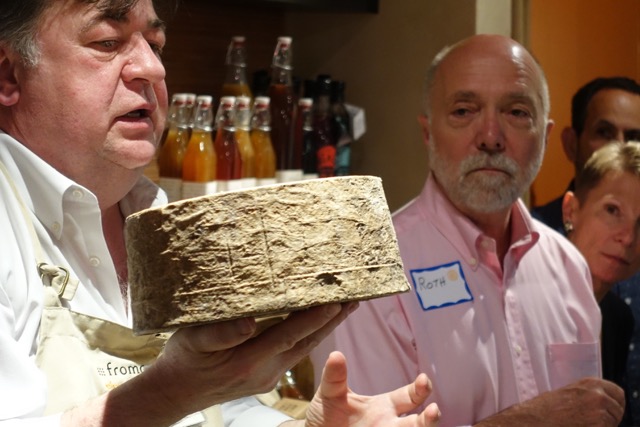
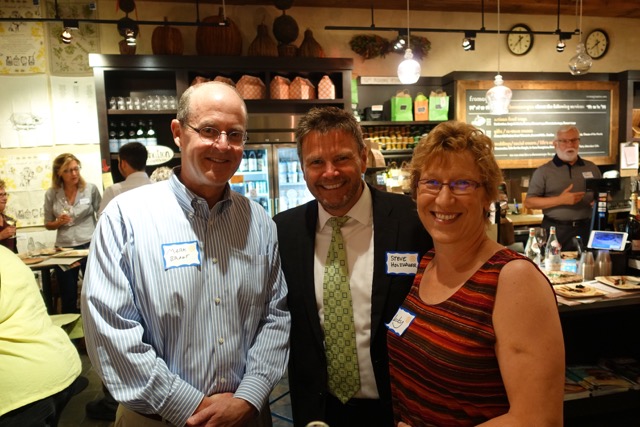
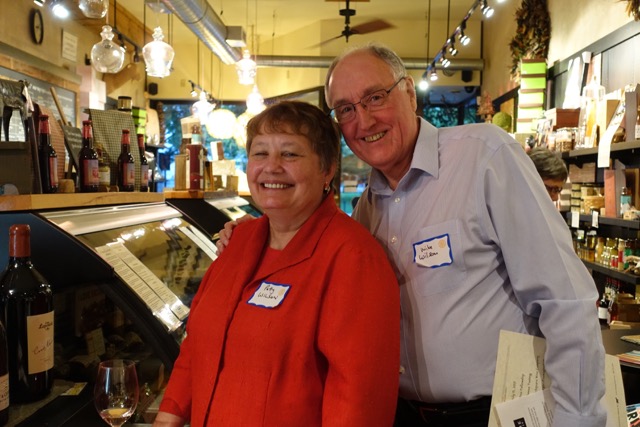
Wine Fellowshippers Gathered at Mixtacki Home on July 28
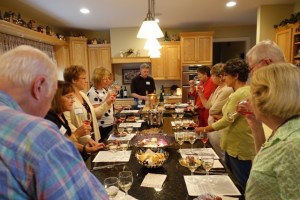




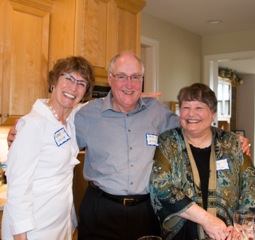
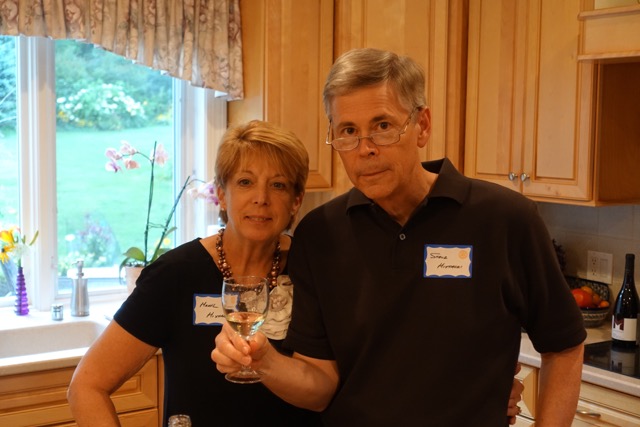
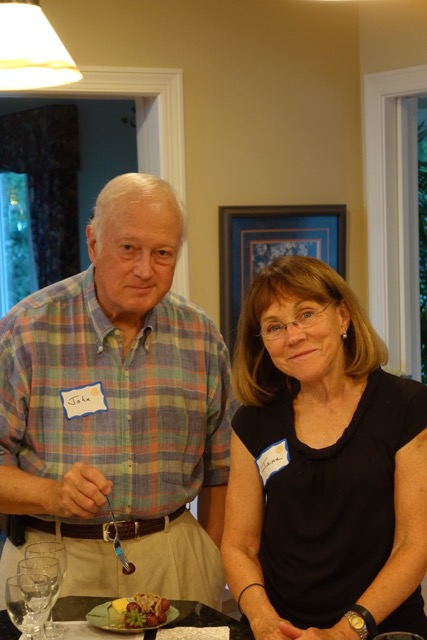
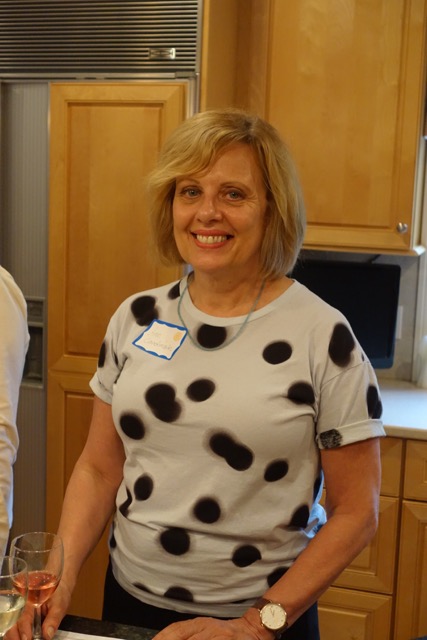
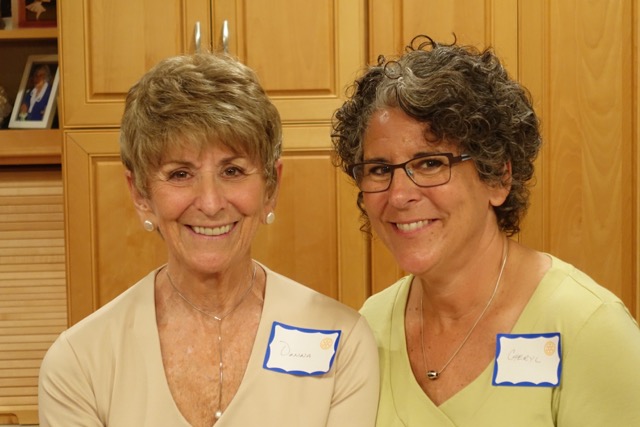
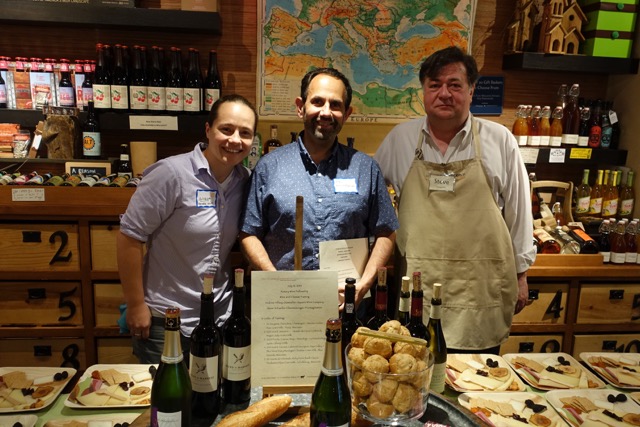
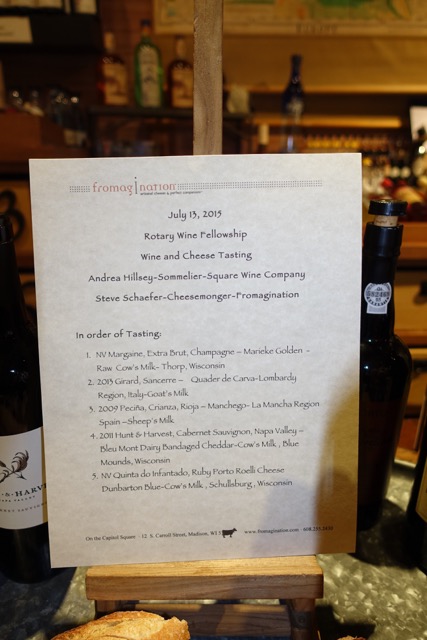
(Photo 1: Meryl & Steve Mixtacki; Photo 2: John & Jane Wegenke; Photo 3: Ann Cardinale; Photo 4: Donna Wittke & Cheryl Wittke)
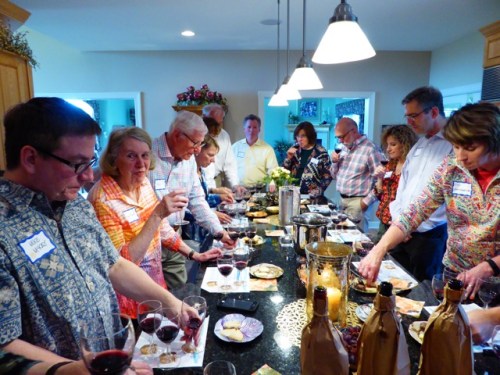
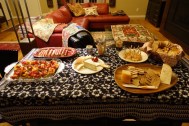
Twelve gathered at the Mixtacki residence to taste wine including Rotarians, spouses, friends, and family. Meryl Mixtacki had prepared breads, cheese, cold cuts, an olive preparation and chocolate coated strawberries. These were marvelously displayed and enjoyed by all, complementing the wines tasted.
Three Oregon wines by the Teutonic Wine Company were followed by Fingerlake Region wines of Konstantin Frank fame. Then we switched to the Okanagan valley of British Columbia where we tried three reds and three whites the had been sourced by Mixtacki and Wilson following their visit last year to the region with the Wellensiek’s.
The Oregon white wines included a Pinot gris and two white blends. One blend contained 60-70% red Pinot noir according to vintage and had a pink blush with small portions of Muller Thurgau, Chasselas and Silvaner. The other had only had 25% Pinot Noir and the white wine grapes were 50% Scheurebe (Riesling and unknown grape possibly a wild cross and Huxelrebe, another cross). These two crosses were developed by Scheu in the early 1900’s with rebe meaning wine hence Scheurebe, while Hexelrebe was to honor the grape vine distributor – I guess you cannot have too many wines named after you. The fascinating thing about the Teutonic Wine Company is their success at being a real little German Winery in the heart of the Pacific Northwest.
Next we traveled to the opposite side of America, to the Fingerlakes district that the Mixtacki’s had visited some time ago. We tried a semidry and dry Riesling and a Rose, from Konstantin Frank. Konstantin had migrated from Russia in 1951 with a Ph.D. from Odessa, with his thesis being about Vitis Vinifera in the cold climate. At that time the Fingerlakes district was firmly in the hands of the Hybrid varieties Crossings of the Vitis Vinifera [the cultivated vines] and an American native [wild vine] Vitis Lambrusca) allowed for the early wine industry to develop in the cold eastern states. In hybrids the european Vitus [species vine] Vinifera [wine yielding vine] provides the quality taste, while the American native wild [noncultivated/wild vitis/vine] provides the weather and disease resistance that is natural to wild American vine species given their millennia of local development.
As we know every Colony of early, and therefore Eastern America, had been charged with producing wine, silk and olive oil for supply back to the Homeland, and despite valiant attempts, including that of Thomas Jefferson, the european Vitis Vinifera just could not be established there. In 1938 Mr Wagner (newspaper editor, write and amateur vintner) wrote the first book in English on grape growing and wine making – and he was to be the champion of Hybrid grapes that could grow in the cold climate and this resulted in an “East of the Rockies” wine industry. There developed a prolonged war between Wagner and Konstantin Frank as Frank began to establish that vinifera could grow in the cold Eastern America. Konstantin Frank was said to be stubborn, but he indeed did demonstrate that vinifera could grow in New York. Four Frank generations have made wine from Vitis Vinifera in the Fingerlakes. His son started the first local quality Method Champenoise under the Chateau Frank label, a grandson developed a second label wine label – Salmon Run. The family wineries won 129 medals in wine competitions in 2013 alone. Now a Great Granddaughter has an MBA in wine from Adelaide University (Barossa Country of Australia) continuing as the 4th generation of a historic winemaking family. Meagan Frank is mentioned in the latest Wine Enthusiast N.Y. Wine Country Supplement that arrived today!
Next we moved to the Okanagan Valley region of British Columbia, Canada. This region makes all vinifera wines well and Wine Spectator recently described it as the second best wine region of the world to visit. Both Steve and Mike had independently tried these wines when visiting Vancouver and this was the basis of the Rotary trio visiting. We tried three whites, all Chardonnay. These included two Meyer’s, their standard and a named vineyard. We also tried NK’MIP (Inkameep) chardonnay, and all were excellent. In keeping with the underlying theme of this tasting, this Indian tribe winery was the first to transition to Vitus Vinifera from Hybrid vines in the 1970’s with now a complete displacement of the hybrid vines.
Finally we tried three red wines. First, a Meyer Pinot Noir that I believe has rekindled my love of Pinot Noir so good was the typical Burgundian Pinot Noir nose. Next we tried a Laughing Stock Blind Trust red blend with the actual blend under a special flap that needed to be lifted to see the wine balance. Unfortunately this wine was slightly “corked” so everyone had an chance to see an example of why wines can be returned in a restaurant. Then we tried a Painted Rock Red Icon, and everyone was told the new winery was indeed an icon (we saw it the day they had a wedding due, and the building and site was glorious). The owner looks like an icon, with an appearance similar to Richard Gere. This man was the person who told us of a way to obtain Okanagan wines as only one winery officially ships to the US. Using invino.com I have been able to get continuing supplies, but I think you may have to contact them to display that part of their portfolio.
As expected everyone left after an evening of fun and fellowship.



 The next round was a red wine presentation of Spanish Wines. Two were Rioja’s and the other a Priorat, and these regions represent the only regional DO’s with quality (i.e. DOCa) as classified by Spain. Both represent regional blends with Rioja’s having ~60% Tempranillo with additional Garnacha, Carignan, Cabernet Sauvignon, Merlot, and Syrah. The Priorat has more Garnacha but no Tempranillo but with the other wines also. We tried a 2009 Rioja Crianza (1 year in oak) at $20 and a 2009 Reserva (at least one year in oak and another year in oak or in the bottle) at $28. Incidentally there is a Gran Reserva with at least 2 years in oak and 3 years in bottle before release. The Priorat which is from the Catalonia region was a 2008 example at $30. These wines were very good and represent some of the best from Spain. All were very nice with no clear winner as I recall.
 Lastly we tried 3 very different red wines – a 2013 Catena Malbec from Argentina ($15), a 2010 Napa Watermark Cabernet Sauvignon of great quality, and a 2013 Unti Zinfandel from California (~$30). The most impressive was the Watermark with ~2/3 of the group preferring that wine. Unfortunately this is not available for purchase locally.




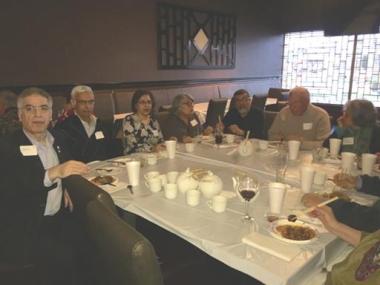 On April 7 the Cultural Awareness Fellowship Group met at VIP Asian Cuisine on Madison’s West side for a lively evening starting with a buffet dinner featuring several different dishes of Asian cuisine. Following a dessert of various ice cream choices ala Asian-style (this Rotarian sampled a delicious rendition of green tea ice cream), we pulled up chairs to enjoy an enlightening presentation about Chinese culture, Feng Shui and Chinese brush painting from Wei Dong, UW-Madison professor, artist and designer.
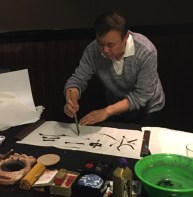 The piece de resistance of the evening came next. Professor Dong demonstated how he paints using more than one piece of rice paper layered on top of each other. This approach leaves much to the imagination on the back of the first sheet of paper as well as other layers. “Why draw everything?” he asked. “The Western way of drawing is more focused than Chinese art,” he noted. He showed that with examples of the same scene drawn from both the Chinese and western approach.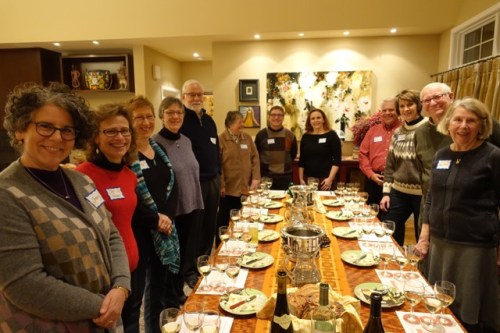











 Rotary Club of Madison, Wisconsin