Category Archives: Rotary Club of Madison Guest Speaker

“What Good Shall I Do Today?”

First, the surprise news:  District Governor Bill Pritchard asked the president of each club in our district to select a “Yes Person” for recognition by Governor Pritchard, a person who always says “yes” when needed.

President Jorge selected Brian Basken, who assembles weekly the YouTube meetings we view as a cohesive whole.  Each club’s recipient will receive a journal imprinted with Benjamin Franklin’s words “What good shall I do this day?”  And one among the many named recipients will be given a free trip to the June 2021 Rotary International conference in Teipei, Taiwan.  Congratulations and thanks, Brian!

Governor Pritchard is no stranger to our club.  A “numbers guy”, he recited statistics of our attendance, membership decline, and diversity, as well as key metrics of exemplary participation in fellowship groups, charitable giving and community support, and generous contributions to District 6250 and Rotary International.

He addressed the current “new virtual normal” and the need to pivot in our long-term approach to club needs with a “hybrid future” that may provide useful flexibility in our operations. 

Governor Pritchard also urged us to hold new members’ attention into the critical three-year member mark that cements interest, by ensuring that each new member’s expectations are deliberately discerned and addressed.

If you haven’t seen the Governor’s speech yet, it’s worth watching.  Those with questions for Governor Pritchard may send them to Jorge or the Rotary office so that they may be shared with the Governor next Tuesday when he attends our club’s Board meeting.

Our thanks to District Governor Bill Pritchard for his presentation this week and to Ellsworth Brown for preparing this review article.  If you missed our meeting this week, you can watch it here:  https://youtu.be/Ffee29ggI6I.     

Building a New Vision for Downtown Madison

Club President Jorge Hidalgo (left) pictured here with guest speaker and fellow Rotarian Jason Ilstrup (right)

The recent protests calling for social justice and racial equality have awakened many to the challenges people of color face daily that create barriers to business ownership and feeling safe and welcome downtown.

Downtown Madison, Inc. President Jason Ilstrup defined the “downtown” footprint adding that the Business Improvement Impact’s footprint is more centrally focused around the square. Eighty-five percent of downtown residents are 18-34.  Many are college students who may not return to living downtown at this time. Also, many employees are working from home. Events and tourism are also on hold. Thus, the footprint of people living, working and visiting downtown has shrunk.  Seventy percent of revenue for shopping/retail comes from events and tourism; our economy is challenged.

COVID-19 has shed light on the racial disparities that exist in our community – including business ownership, employment, transportation, health care, education and safety. Now is the time for us to address these issues and be change agents to create a downtown that is truly welcoming. Dense cities have creative centers, employment opportunities and create the environment for regular collaboration to meet diverse needs. We need to invest intentionally to create a thriving, diverse center.

DMI has assembled a Downtown Recovery group to develop short- and long-term actions to support economic recovery and a welcoming environment that breaks down racial disparities. Goals include mitigating business closures, supporting entrepreneurs of color, increasing safety, making use of public spaces and finding ways to support safe outdoor and indoor retail/dining options. It will take a collaborative effort from businesses, the city, individuals, non-profits and the entire community to build this new vision.

Please send Jason your ideas for downtown’s future, order take out from local restaurants and buy local to support local jobs.

Our thanks to club member Jason Ilstrup for his presentation this week and to Emily Gruenewald for preparing this review article.  If you missed our meeting this week, you can watch it here:  https://youtu.be/Ow_Mys7ddgw.   

Meeting Some “Extraordinary Ordinary” People in Dairylandia

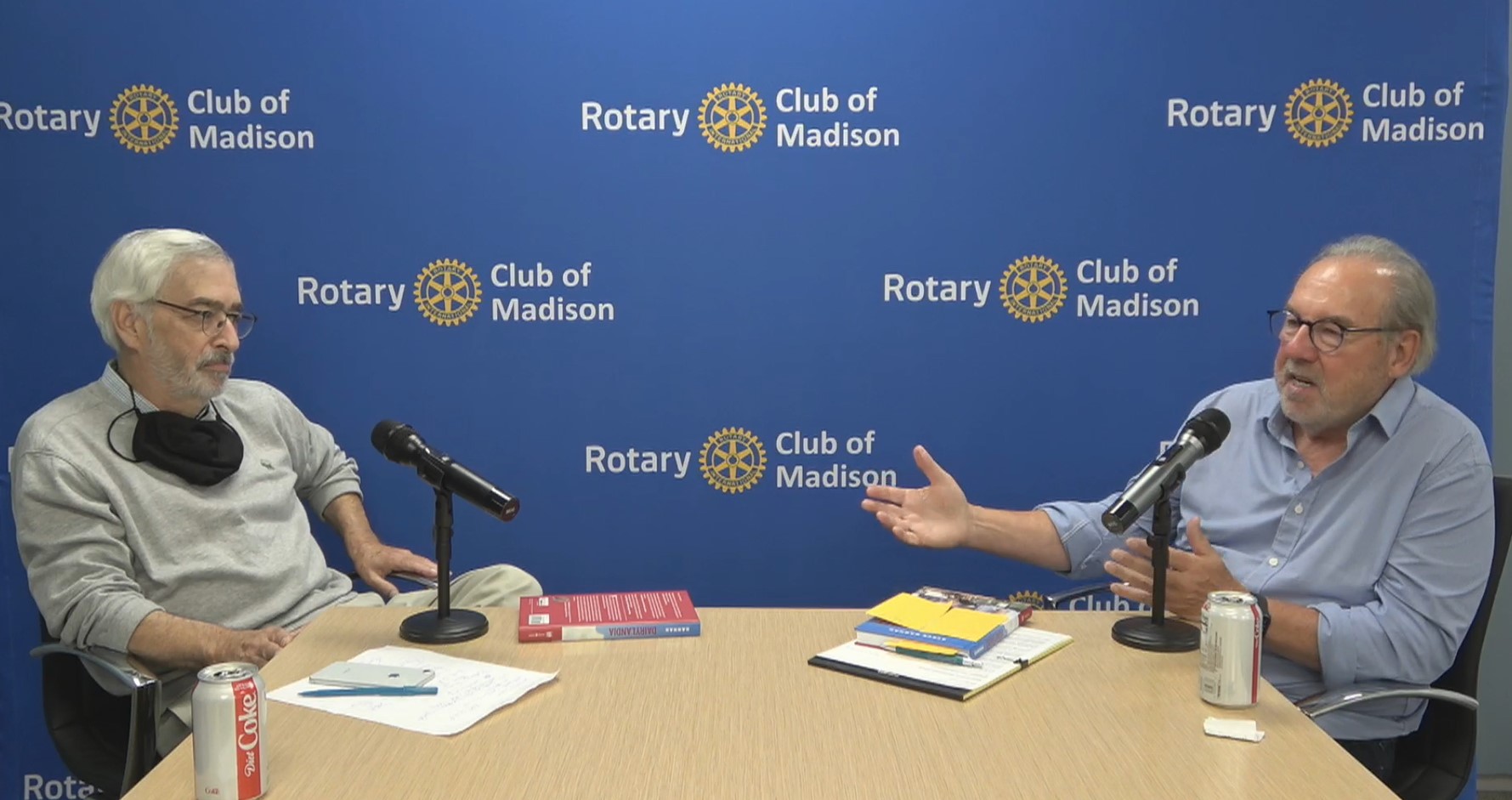
Born and raised on the east coast, Steve Hannah (right) fell in love with the Midwest years ago when a planned cross-country trip was detoured then cut short in Wisconsin. At our meeting this week, Brady Williamson (left) interviewed Steve about his new book, Dairylandia: Dispatches from a State of Mind, that captures the charming, extraordinary “ordinary” people of Wisconsin. Dairylandia features 30 of Hannah’s profiles he collected from around the state during his career as a journalist.

Hannah describes Wisconsinites as modest, humble and seldom “get too big for their skis.” He gave an example of a New Jersey lottery winner who spoke loudly of his “huge luck” and long list of expensive purchases he planned to make. By contrast, when he interviewed lottery winners on Fond du Lac’s “Miracle Mile,” a $1 million winner decided he’d purchase a Kitchen Aide mixer because he “liked to cook” and a teacher who won $100 million remarked quietly “it’s not too bad” to win such a sum after years of working hard for a teacher’s salary.

Hannah was struck by the open, candid, unfiltered stories people told him, especially elderly people who had lived extraordinary lives that seemed completely uninteresting to themselves. Hannah entertained us with a taste of these stories: words of wisdom from an elderly woman (try not to be boring, don’t tell others if your friends or neighbors are going out of town or you’re inviting a robbery), philosophies of a rattlesnake hunter and a woman who froze her pet robin because she just couldn’t bear to part with him. These were some of his favorite assignments that drew him closer to his adopted state and the people who quietly make it a wonderful, interesting place to live.

While we couldn’t offer Steve’s book for sale at the meeting as we normally would, it is available for sale on Amazon.

Our thanks to Steve Hannah and Brady Williamson for their presentation this week and to Emily Gruenewald for preparing this review article.  If you missed our meeting this week, you can watch it here:  https://youtu.be/7CwB1Mgmxro.

Can Wisconsin Transform the Lives of Black Women and Their Families?

submitted by Emily Gruenewald

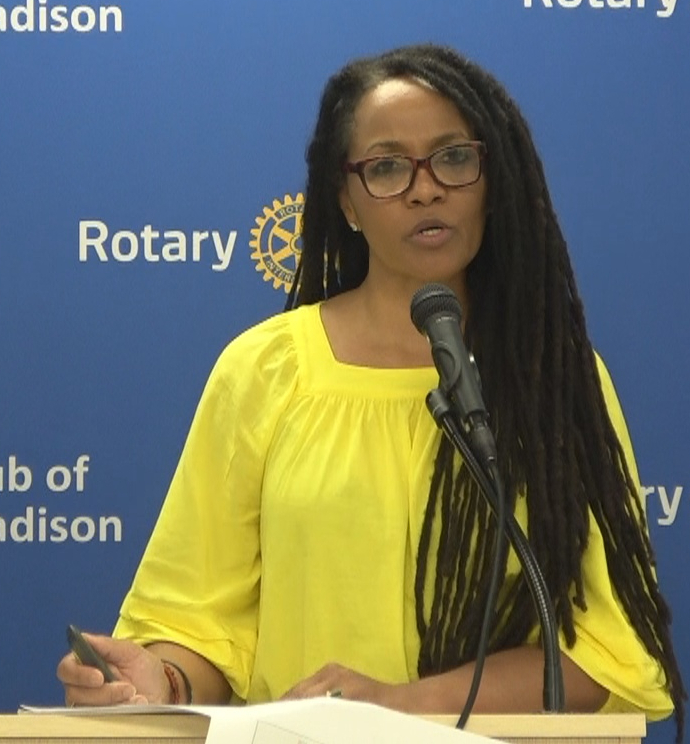
Lisa Peyton Caire 8 5 2020Lisa Peyton-Caire is the Founding CEO and President of The Foundation for Black Women’s Wellness (FFBWW), a Wisconsin based organization committed to eliminating health disparities and other barriers impacting Black women, their families and communities.
When Lisa’s mother passed away from heart disease in 2006 at the age of 64, she reflected on the number of black women in her life who had died in middle age. She realized her mother’s death wasn’t an anomaly and began researching the broader influences on Black women’s health. Since forming FWBBW in 2012, the Foundation now serves over 5,000 women and girls each year through direct health education, wellness programming, leadership development and advocacy while mobilizing women and community partners to be change agents in advancing health equity.

Wisconsin is number one in the nation for: racial inequities, economic inequities, health disparities, birth disparities, educational disparities, Black child poverty and over-incarceration. These disparities and inequities create a constant stress on daily life that negatively impacts overall health and wellness for Black women and their families. Lisa encourages us to read the “Saving Our Babies Report” (http://ffbww.org/savingourbabies/) to understand the significant health crisis Black women and children face in Dane County, and the initiatives to advance maternal, child and family wellbeing.

When asked what we can do to help transform the systems impacting Black women’s health to take Wisconsin from being the worst place to raise a Black child to one of the best, Lisa said, “Don’t assume you have the answers.”  She encourages us to, “Go directly to those who are impacted and ask, ‘What do you need to build the infrastructure to make these changes?’” Call FFBWW to start a conversation to learn more deeply about the issues. Become an advocate in your network and support initiatives that will transform Wisconsin into a leader in health equality.

If you missed our meeting this week, you can watch it here: https://youtu.be/PazT9BZNoKc.

The Future of Restaurants – A Challenge

submitted by Linn Roth

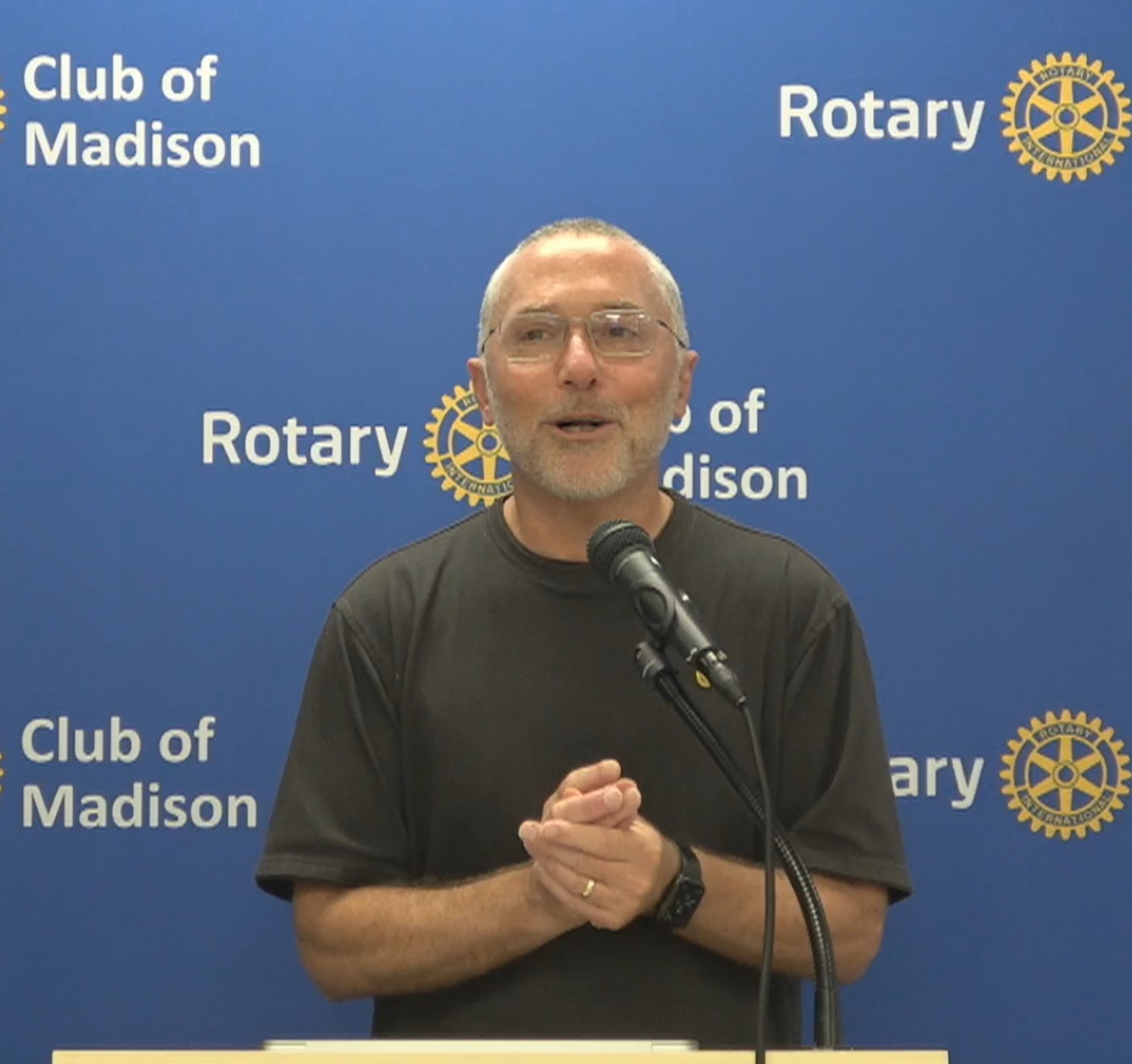
Greg Frank 7 29 20Greg Frank, a co-owner of the Food Fight Restaurant Group in Madison and current Treasurer of our club, gave an overview of the history of restaurants, their current status and future challenges facing the industry during these uncertain Covid-times.  Most recognize that the restaurant business can be quite difficult, and operations must survive on very low margins, typically less than 5%.  Nevertheless, restaurants are an integral part of virtually every community, and have been so since the late 18th century when the first restaurant opened in France.  The first American restaurant established, Delmonico’s in New York City, was established in 1830, and restaurants throughout the world have evolved in a variety of formats over the years.
Since 1970, restaurant sales in the US have grown from $43 billion to approximately $900 billion, with over 17 million employees working in the industry.  However, that was before the Covid crisis struck and severely impacted virtually all types of restaurants.   The situation in Madison is no different than any other area in the country.  Restaurants are struggling to change their business models and survive until the crisis has ended.   Unfortunately, lay-offs have been rampant, and other common changes include a focus on delivery and curb-side pickup, as well as outside dining whenever possible.

Regardless of when the health crisis ends, it seems likely that restaurants will be making a considerable number of changes to survive and prosper in the future, and Greg touched on several of these that we could expect to see.  For example, establishments might become smaller to reduce capital costs, incorporate new technologies (e.g. wireless links and digital menus) to improve efficiency, offer limited gourmet dining, provide prepackaged meals and drive-through pickup, and even use “ghost kitchens” that provide food to a number of establishments utilizing a single, centralized kitchen.

Certainly this industry will change significantly over the near and longer-term future, but it behooves all of us to support our local restaurants in order to enable this essential component of our community to evolve and prosper.

If you missed our meeting this week, you can watch it here: https://youtu.be/dD1t2pI3MuY.

Time for Re-Alignment in America

submitted by Jocelyn Riley

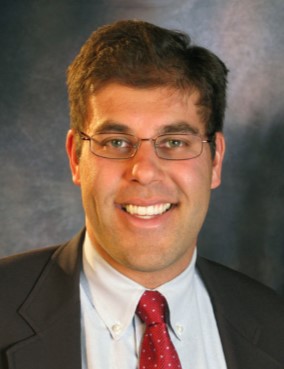
Jeremi SuriJeremy Suri, the Mack Brown Distinguished Chair for Leadership in Global Affairs and Professor of Public Affairs and History at UT-Austin and formerly a professor at UW-Madison, spoke to Rotarians virtually on Wednesday, July 22, 2020.
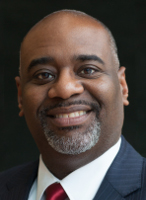
Professor Suri’s presentation began with his 15-year-old son, Zachary, reading a poem he’d written especially for Madison Rotarians, “I Remember When I Was Four,” about accompanying his father as his father voted in a gymnasium for Barack Obama.  Then Suri senior took over and outlined what he posits are the four major re-alignments in American history:  the post-Civil War period, the great depression of 1893, and the 1932 election (which followed the 1929 crash).  Suri predicts that we are in the middle of the fourth great alignment in American history because of four factors:  1) The party in power if abjectly failing to do what it promised; 2) Historical demographic changes; 3) The problem of race and a new consciousness of race; and 4) Institutions at all levels don’t work the way they used to and there is bound to be a re-alignment.

Suri thinks this re-alignment will manifest itself in three areas:  1) The health-care system, which is more expensive than most others with worse outcomes; 2) The economy, which is not as innovative as it used to be and is also inequitable. 3)

The issue of leadership (Suri said that he would exchange his students at both UT-Austin and UW-Madison for everyone in the two state legislatures and thinks that would improve the legislatures).

Suri ended his presentation on an optimistic note with a paraphrased version of Winston Churchill’s famous quip: “Americans can always be counted on to do the right thing, after they’ve exhausted every other option.”

If you missed our meeting this week, you can watch it here:  https://youtu.be/h_gOfsqqons.