
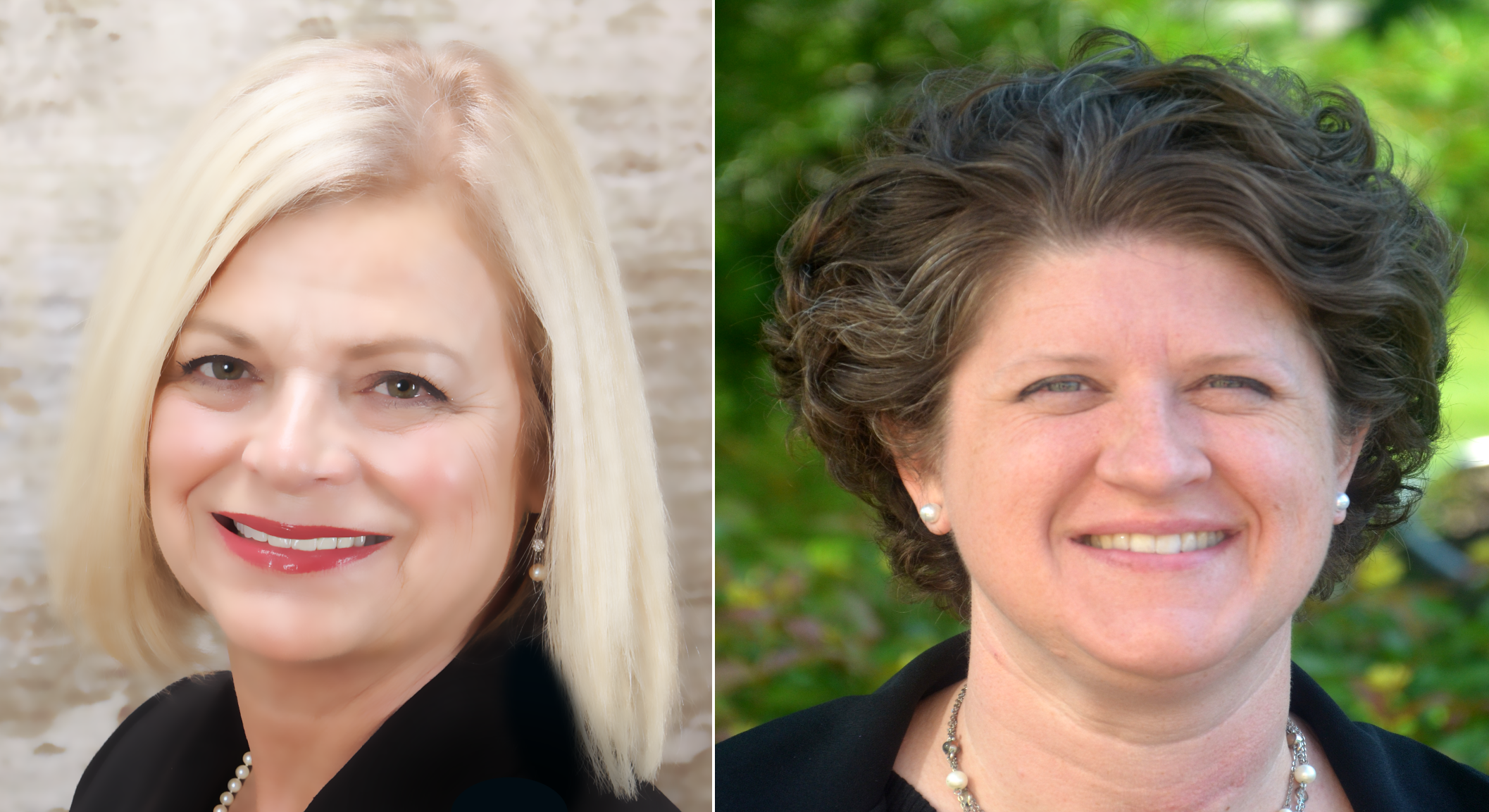
This week’s program was a debate between the candidates running for Wisconsin State Superintendent of Public Instruction in the general election on April 6: Deborah Kerr and Jill Underly.
Each candidate had 4 minutes for introductory statements. Kerr says she is committed to statewide plan for getting our student back in the classroom; the promotion of the trades; focus on high-quality instruction; addressing inequity and achievement gaps; and wanting DPI to be a thought leader in the industry. Underly says she is committed to high-quality pre-school and early childhood education; committed to safely transitioning schools back to face to face learning; promoting the trades; and addressing inequities in schools.
Following opening remarks, candidates were each asked to respond to four questions: Q1: We elect this position every 4 years, but we don’t know a lot about the position. What is the role of the Superintendent and name one policy you’d change that doesn’t need approval of legislature or governor? Q2: Pandemic exposed disparities re: access to technology. What can you do remedy this? Q3: Wisconsin is spending less per pupil than in the past? Do we need to reverse? Q4: This is a nonpartisan position, but it has become partisan. What is it about your candidacy that attracts specific groups?
In closing, each candidate had three minutes for final statements. Underly included in her closing that she believes all kids should have access to highest quality public education. Every child should have access to great foundation, and we have a collective responsibility to a public education. She feels that we’re leaving too many kids behind. Kids deserve great buildings, technology, teachers, healthy meals, healthcare and affordable internet access. She wants to solve the problem of inequity. Kerr says she believes she is an advocate for all kids and doesn’t believe education is one size fits all. She wants DPI to become a learning community and believes we can’t stop until all the children are doing well. She feels she’s uniquely prepared due to her experience in all sectors of education. She does not believe that teachers need to be vaccinated prior to returning full time.
Members can view the full 30-minute debate to hear their full responses, including their responses to the Q&A section.
Our thanks to the candidates for appearing this week and to Jessika Kasten for preparing this review article. If you missed our meeting this week, you can watch it here: https://youtu.be/IzT_-lqlxwE.
 This week, UW-Madison Professor Jon Pevehouse provided an analysis of the Trump Administration’s major foreign policy initiatives and how the outcome of this past November’s election is affecting American foreign policy going forward. The Professor started by commenting on the two overarching differences between the present administration and the last: 1) Staffing: President Trump understaffed diplomatic roles and left many gaps, signaling our priorities. President Biden has since ramped up diplomatic staffing; and 2) Stability: Under the last administration, foreign policy could change with a tweet. Under the current administration, that will not be the case, which will lend itself to increased foreign trust.
 At this week’s Downtown Rotary meeting, the iconic Jim Fleming reflected on his career at WPR that spanned over five decades. Although Jim may not look familiar, his voice is instantly recognizable as long time host of programs such as, “Chapter A Day” and “To the Best of Our Knowledge.” Jim came to Madison with his family in 1964, when his dad, Robben Fleming, accepted a Provost position at the University of Wisconsin. His mother, a violinist, helped to shape and instill his love for music from a very young age.
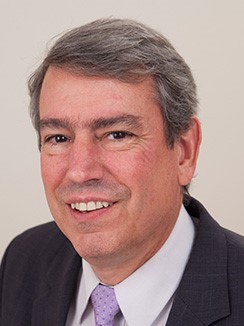 Tom Still, president of the Wisconsin Technology Council, led Rotarians on a virtual tour of the state’s tech scene beyond the borders of Dane County. “Madison stories are great and they’re growing all the time, but I want you to feel good about what’s going on in the rest of the state,” he said.
 Interim UW System President Tommy Thompson spoke about exciting initiatives designed to make the University even more vital as Wisconsin recovers from the COVID-19 pandemic.
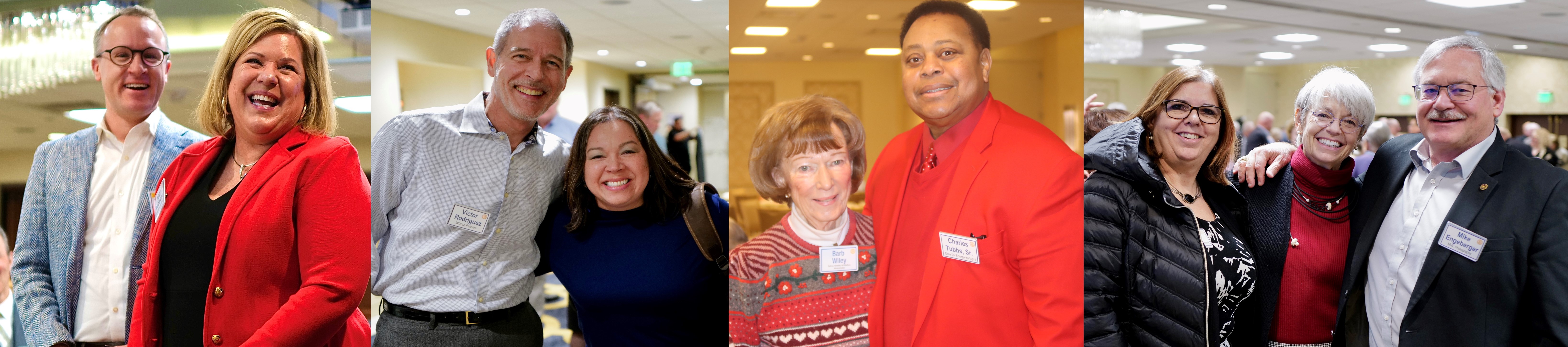
 There are many ways to describe our Rotary Club. We are a Center of Influence, where people who care about our community come together to shape its future. We are a Conduit for Change, since we contribute our time and resources by volunteering; give generous grants that help those in need; and provide scholarships to send our best and brightest to college. We are a Professional Hub, where we can network and make important connections. Just as importantly, our Club is a Meeting Place where we make new friends and catch up with old ones; we have fun together; and we brighten each other’s day.
 Rotary Club of Madison, Wisconsin