
submitted by Dick Fayram and Mark Moody
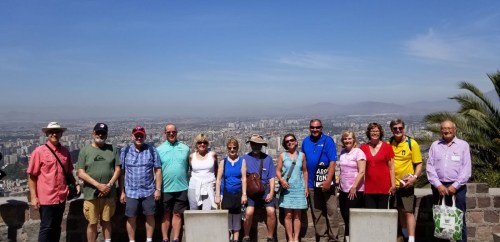
Eleven people have returned from a two-week Rotary Friendship Exchange with Rotary District 4340 in Central Chile. The group included Madison Rotarians Ted (& Joan) Ballweg, Dick (& Liz) Fayram, and Mark (& Candace) Moody, David & Inger Clemens from the Wisconsin Dells, former District 6250 Governor Chuck Hansen from La Crosse Downtown, Mark Etrheim from La Crosse Valley View, and Darla Leick from Marshfield Sunrise.
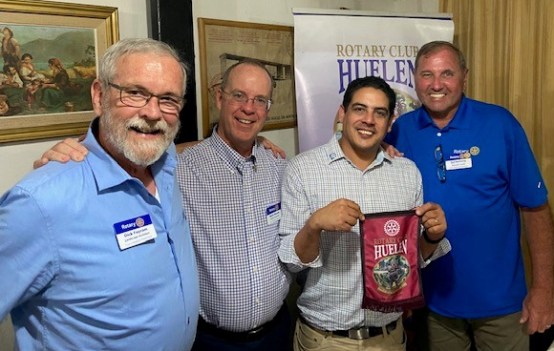
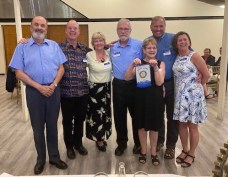
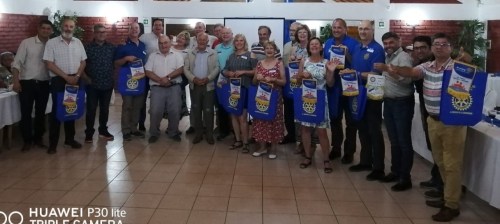
The group visited seven clubs in Santiago, Rancagua, and Santa Cruz. We learned about the wonderful service projects sponsored and supported by each of the clubs. The clubs are small, ranging from 10 to 30 members. We were all inspired by the efforts of each club in their respective communities.
Santiago is a beautiful city of 8 million people with excellent road and other transit options. The subway system and Uber sufficed for most of our transit needs. The news about the riots in Santiago were a concern to all of us before we left. Students concerned about national academic testing and low-income people concerned about increases in transit costs were at the root of those issues. It appeared to be about people talking past other groups of people and not really solving issues that need to be addressed. Chile has reduced levels of poverty in an impressive way. That does not resolve the fact that poor people are being driven further and further from their jobs by rapidly increasing housing costs.
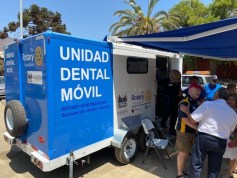
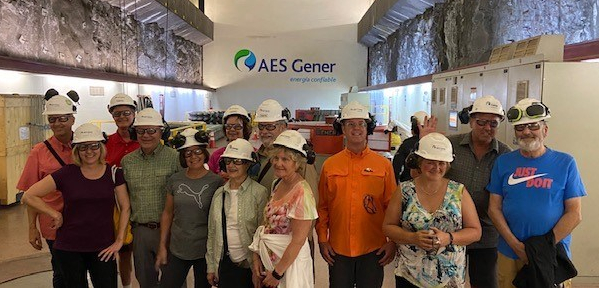
Photo 1: Mobil Dental Clinic; Photo 2: Hydroelectric Generating Station in the Andes Mountains
Dick and Liz Fayram stayed with a family in Nueva, one of the communities that make up the larger city of Santiago. It was a target of these demonstrations. There were buildings that had been damaged and fires in the streets while we were there. No one ever felt threatened in any real way. This is part of the reality of Friendship Exchanges.
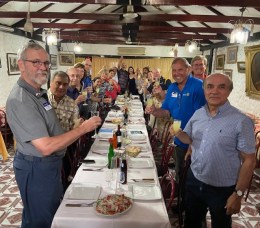
We visited a number of historic sites, markets and museums. Rancuaga is a smaller historic city where the revolution for independence from Spain was fought. We also visited wineries in Santa Cruz. We enjoyed typical local cuisine and wonderful Chilean wines. Dinners were served with beef, pork, chicken and sausages piled high on platters. We all thought it would be impossible to eat all of it in the beginning. At the end of the meal, it was always gone. Some of the group went white water rafting on the Maipo River and some went to the end of the road in the Andes Mountains.
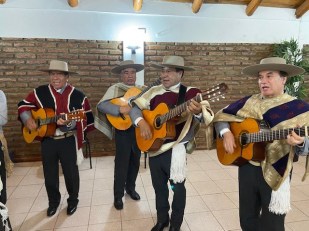
Our Chilean hosts made us feel very welcome at all times. They refused to let us pay for any of our meals, transportation, or entrance fees. All of the clubs hosted a wonderful dinner meeting. But the Santa Cruz Rotary Club had a group of twelve folk musicians perform tradition music and dancing. This was a highlight of the trip.
Rotarians who have not been on a Rotary Friendship Exchange are missing one of the great experiences that Rotary has to offer. We were warned about Rotary Friendship Exchanges being physically challenging. Some of our days had 18,000 steps in 90-degree weather. These are not easy for anyone. We encourage our fellow Rotarians to participate in this outstanding Rotary tradition whether in helping to host inbound Rotarians or traveling with an Outbound Friendship Exchange.
We expect 10 to 12 of our new Rotary friends from Chile to visit Wisconsin in late May and early June. We hope our club members will join us in welcoming them to Madison. This will be a series of fun social events as they visit the participating clubs. Join us for the fun! If you are interested in helping to host the group, contact the Rotary office.
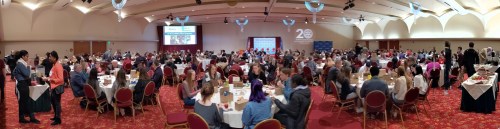
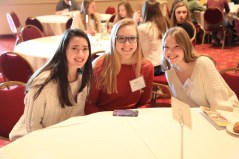
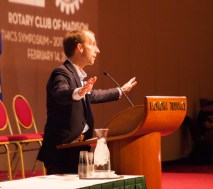 In this 20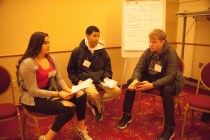
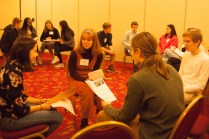
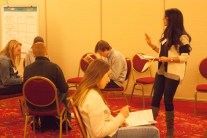
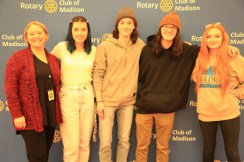
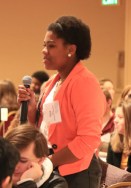
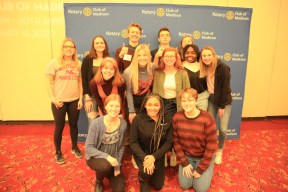
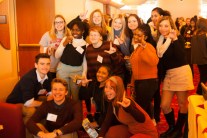
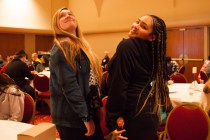
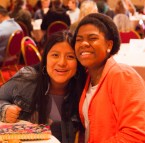
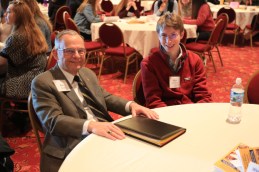 Rotarians working on the Ethic Symposium taskforce provided a challenging dilemma for each session that ranged from: (1) to skip school in order to participate in a march to support a friend and their cause; (2) the role of students to object to having the school purchase inexpensive sports clothes made by companies using child labor; and (3) how to react to anti-Semitism.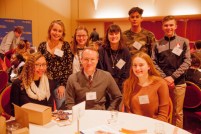
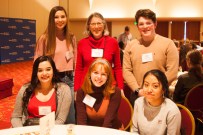
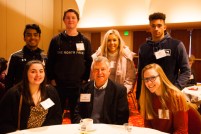
 At this week’s Rotary meeting, we heard from Dr. Joshua Mezrich and how he creates life from loss, transplanting organs from one body to another. He spoke about his desire to write a book, a little about the process to write a non-fiction book and some tips his famous author brother gave him. His book was released last year, When Death Becomes Life: Notes From a Transplant Surgeon, and in it he illuminates this extraordinary field of transplantation that enables this kind of miracle to happen every day.
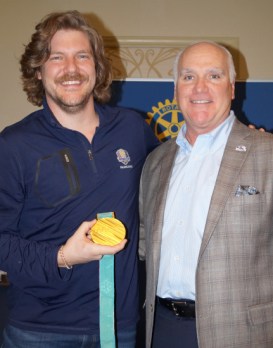 On January 22, USA Curling Interim CEO Rich Lepping and Olympic Gold Medal Curler Matt Hamilton spoke to the group about the sport of curling and Matt’s experiences as an Olympian. USA Curling was established in 1958 and is a non-for-profit headquartered in Stevens Point, WI. The organization consists of nearly 200 clubs and 26,000 members. After the Gold Medal Games, the organization saw a rise in membership and interest, resulting in a 12% increase in membership. USA Curling is already beginning to think about the Beijing 2022 Olympic Games and is starting trials. The USA Olympic Curling Teams will be chosen about a year in advance.
 Kurt Paulsen, UW Associate Professor of Urban Planning, reviewed the issues regarding the workforce housing shortage in Dane County and its impact on the economy. Currently, Dane County’s population is increasing 1.3% a year, with job creation at 1.7%, and new housing units at 1.1%, so housing is not keeping up with population demand. In addition, rents are rising faster than income, so many are excluded from living in Madison. Presently, more than 100,000 workers live outside Dane County, which means that they have long commutes.
 Rotary Club of Madison, Wisconsin