
 Our guest speaker this week was Dr. Elizabeth Bagley, Director of Drawdown Learn at Project Drawdown, speaking to us on a pre-recorded video from Sitka, Alaska. Dr. Bagley received her undergraduate degree from UW-Madison as well as her Ph.D. jointly in Environment and Resources and Educational Psychology. She is clearly well suited to teach us about environmental issues in understandable terms.
“Drawdown” refers to that point at which human-made atmospheric chemicals that support climate change and warming begin to decline. Dr. Bagley offered us a number of ways that we can arrive at this point of drawdown, beginning immediately. These solutions fall under three broad categories: Reduce the Sources of climate change; support the natural Heat Sinks that reduce these pollutants; and help Society make necessary changes. All of these solutions, she argues, are possible right now.
Drawdown and ESRAG (an environmental group within Rotary International represented here by Paul Riehemann and Karen Kendrick-Hands) advocate planting millions of trees that will reduce carbon dioxide levels of the atmosphere. Support electricity reform such as solar and wind power. Reduce food waste and increase composting. Reduce leaks of harmful refrigerants into the atmosphere where they do their thing: trapping heat. Reform transportation by increasing the use of electric vehicles and bicycles. Heat sinks can be supported by agricultural practices, the planting of trees, and the restoration of damaged ecosystems. Society can be mobilized in the effort by reforming practices in health and education.
Dr. Bagley suggested solutions that are not pie-in-the-sky or wildly expensive, and that are actually already being done in places around the world with support from organizations like Rotary. She grew up on a sheep farm in western Wisconsin and earned undergraduate and graduate degrees from a great research university. The combination has produced an articulate, knowledgeable, and practical worker in the cause of preventing catastrophic change in our atmosphere. Our thanks to Elizabeth Bagley for her presentation this week and to Rich Leffler for preparing this review article. If you missed our meeting this week, you can watch it here: https://youtu.be/zI899HBa4bI.
 On an historic day, when the Club returned to the Park Hotel for the first time in more than a year of pandemic isolation, our speaker was fellow Rotarian Jason Fields. Jason is the new president of the Madison Regional Economic Partnership. He spoke on the topic “We Must Not Accept Complacency.” The title derives from his belief that Madison is a great place to live and work, but his mission is to give his all for everyone he deals with, always. And he construes economic development to mean “to empower people.” All people. He is motivated by the question that his wife asked him: “Yes, Madison is a great place. But for who?” He briefly referred to the statistics we all know, that Wisconsin has huge disparities between its White and Black populations. He and his wife were themselves discriminated against while seeking a home here as they move from Milwaukee. This is never acceptable. Beyond the immorality of it, we have to send a message that this will not be tolerated if we really want to be competitive in attracting talent.
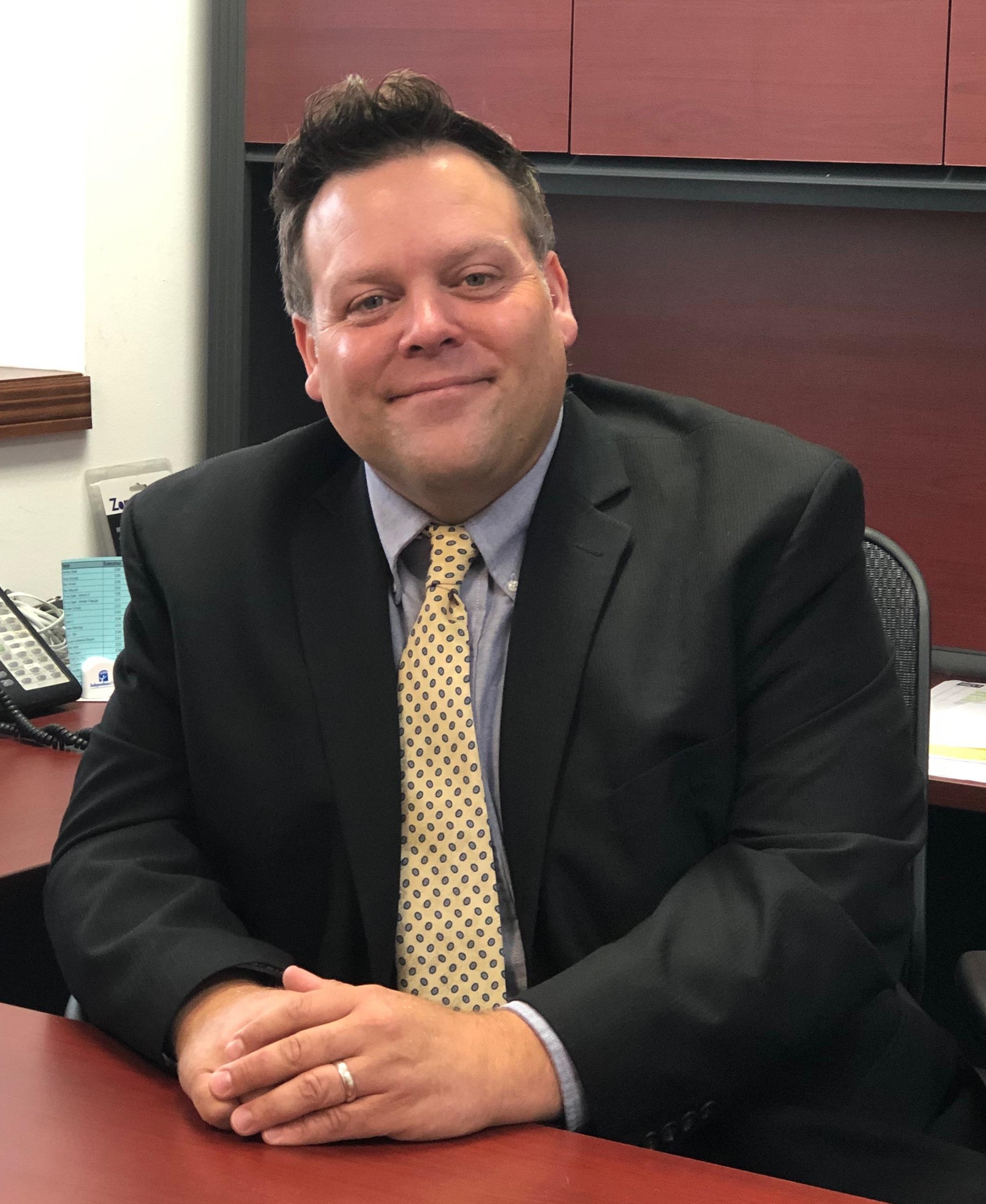 The speaker at our April 7th meeting was Jason Beloungy, Executive Director of Access to Independence, which is one of eight such organizations in Wisconsin. It serves Columbia, Dane, Dodge and Green counties. Today he spoke of the collaboration between his organization, the Downtown Madison’s Beyond Compliance Task Force, and the City of Madison’s Disability Rights Commission.
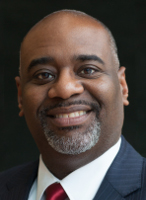
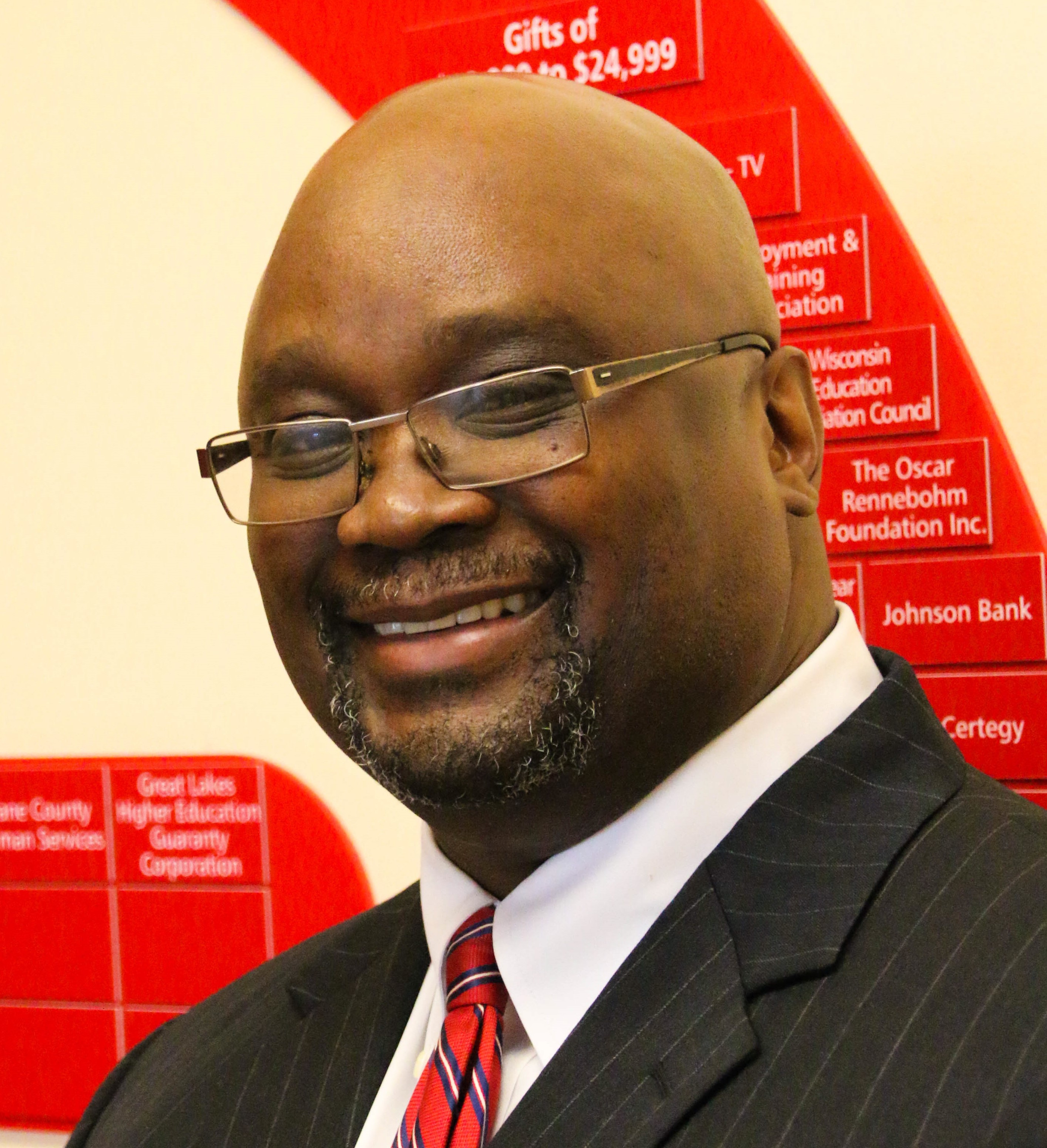 Ruben Anthony addressed our March 31, 2021, meeting on the subject of “Continued Transformation of the Park Street Corridor.” He has been the President and CEO of the Urban League of Greater Madison since 2015.
 Zach Brandon made an inspiring presentation at our March 24th meeting of the Rotary Club of Madison. As the president of the Greater Madison Chamber of Commerce and past Deputy Secretary of the Wisconsin Department of Commerce, he is well qualified to speak to us about Madison’s present and future in his titled address, “There is Light in the Darkness.” He structured his presentation around the intervening years since his prior Rotary presentation in 2018 which was his third.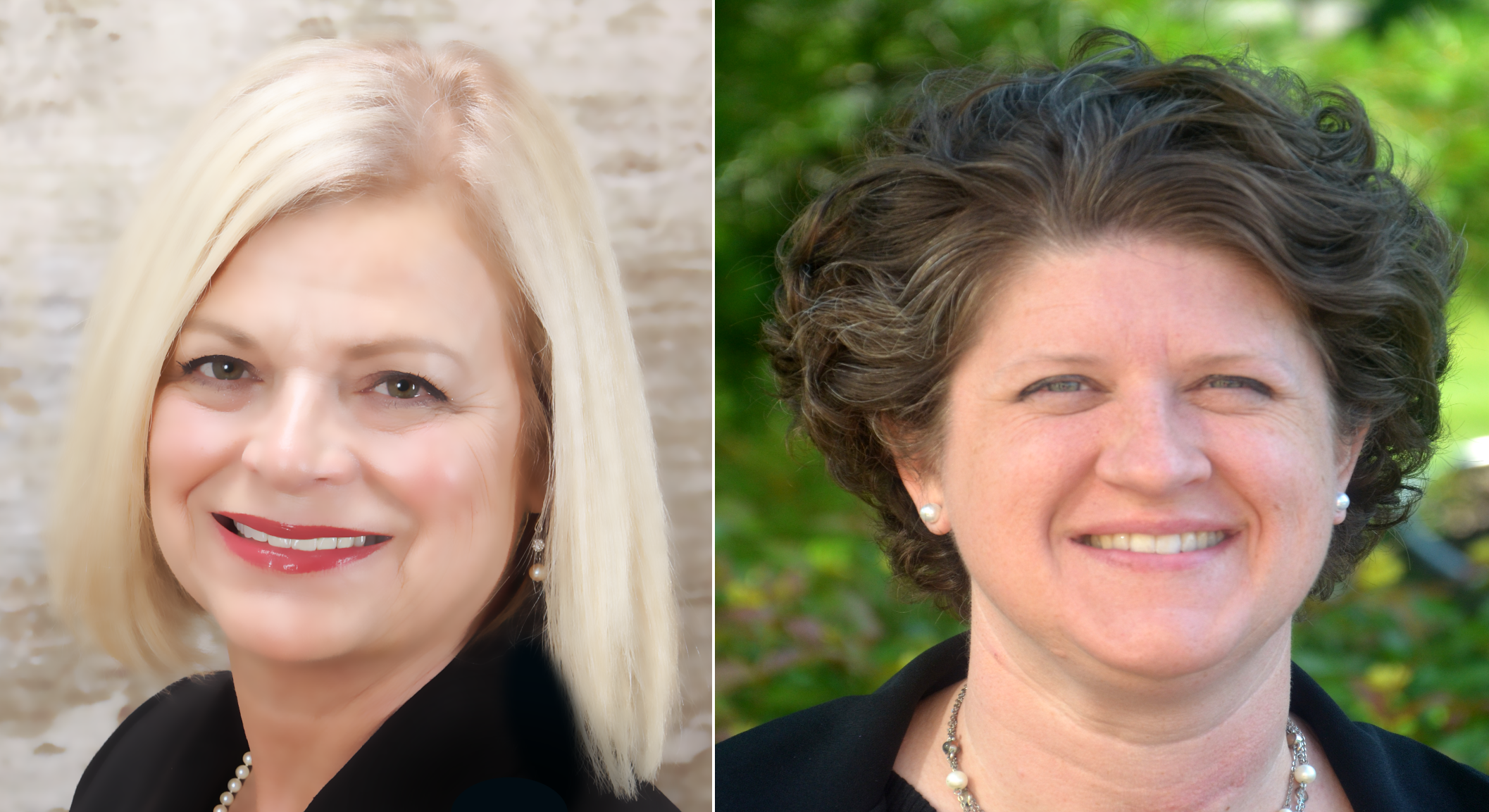
 Rotary Club of Madison, Wisconsin