
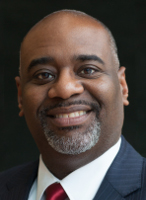
 On an historic day, when the Club returned to the Park Hotel for the first time in more than a year of pandemic isolation, our speaker was fellow Rotarian Jason Fields. Jason is the new president of the Madison Regional Economic Partnership. He spoke on the topic “We Must Not Accept Complacency.” The title derives from his belief that Madison is a great place to live and work, but his mission is to give his all for everyone he deals with, always. And he construes economic development to mean “to empower people.” All people. He is motivated by the question that his wife asked him: “Yes, Madison is a great place. But for who?” He briefly referred to the statistics we all know, that Wisconsin has huge disparities between its White and Black populations. He and his wife were themselves discriminated against while seeking a home here as they move from Milwaukee. This is never acceptable. Beyond the immorality of it, we have to send a message that this will not be tolerated if we really want to be competitive in attracting talent.
Jason mentioned several issues that MadRep will be working on. One is broadband, which is not evenly available in the state, in rural areas and among minority populations. He will also be addressing the problem of unequal access to capital by various populations. A fund is being created. There is also a tension between Milwaukee and Madison that is unnecessary and harmful to development here and should be eliminated. We should unlearn Midwest modesty and learn to brag about ourselves to attract talent from Minnesota, Illinois, and the world. Another problem we face: We tend to “sacrifice progress to perfection.” Task forces talk, and nothing gets done. There has to be a sense of urgency.
Jason is a man of diverse experiences. He has been a politician, a financial adviser, a banker, a radio show host, and a podcaster. He is a dynamic speaker. A man with passion and an idealism disciplined by reality. He will be a valuable member of the Club and the community.
Our thanks to Jason Fields for his presentation this week and to Rich Leffler for preparing this review article. If you missed our meeting this week, you can watch it here: https://youtu.be/LBCqc9c_bcE.
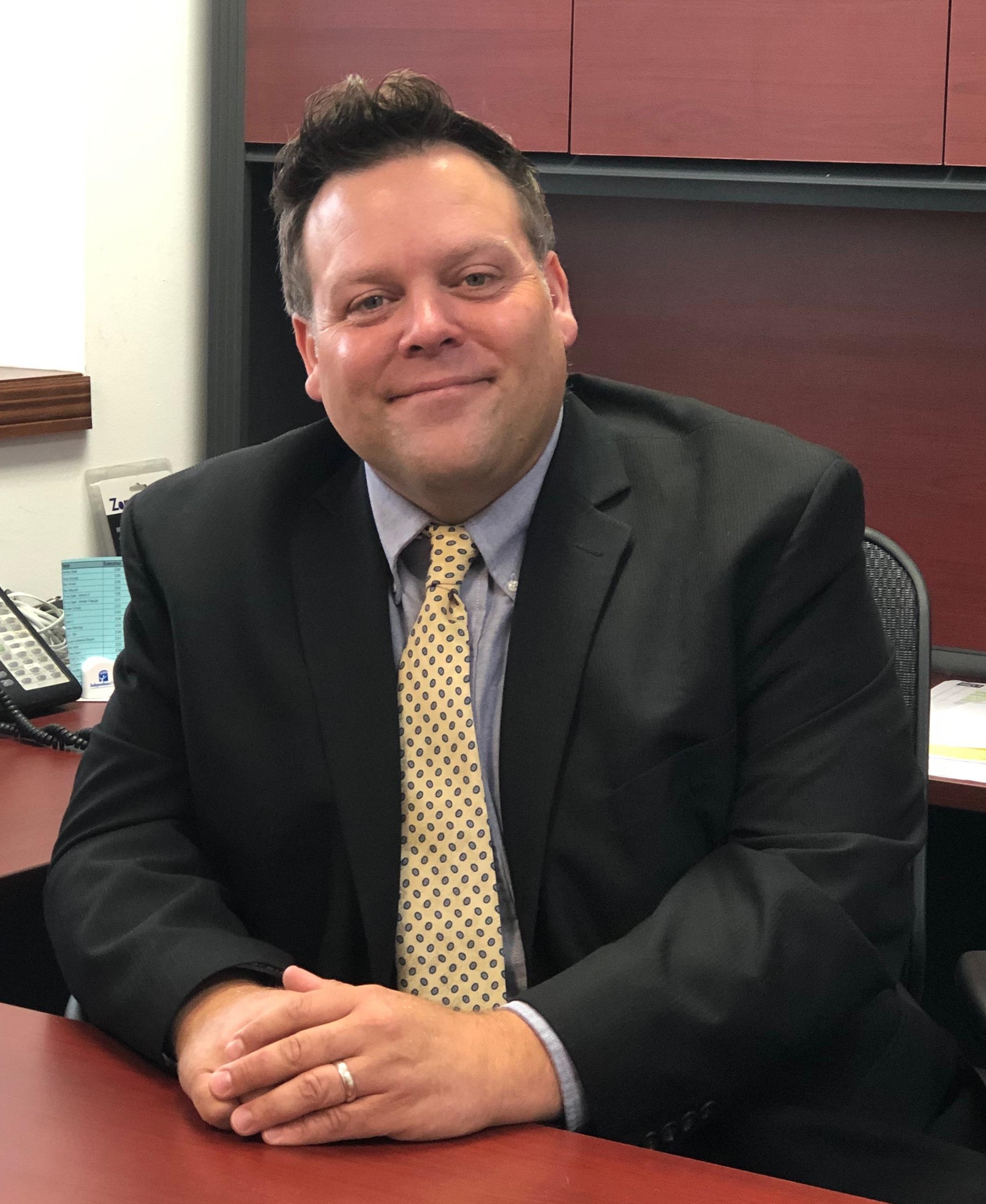 The speaker at our April 7th meeting was Jason Beloungy, Executive Director of Access to Independence, which is one of eight such organizations in Wisconsin. It serves Columbia, Dane, Dodge and Green counties. Today he spoke of the collaboration between his organization, the Downtown Madison’s Beyond Compliance Task Force, and the City of Madison’s Disability Rights Commission.
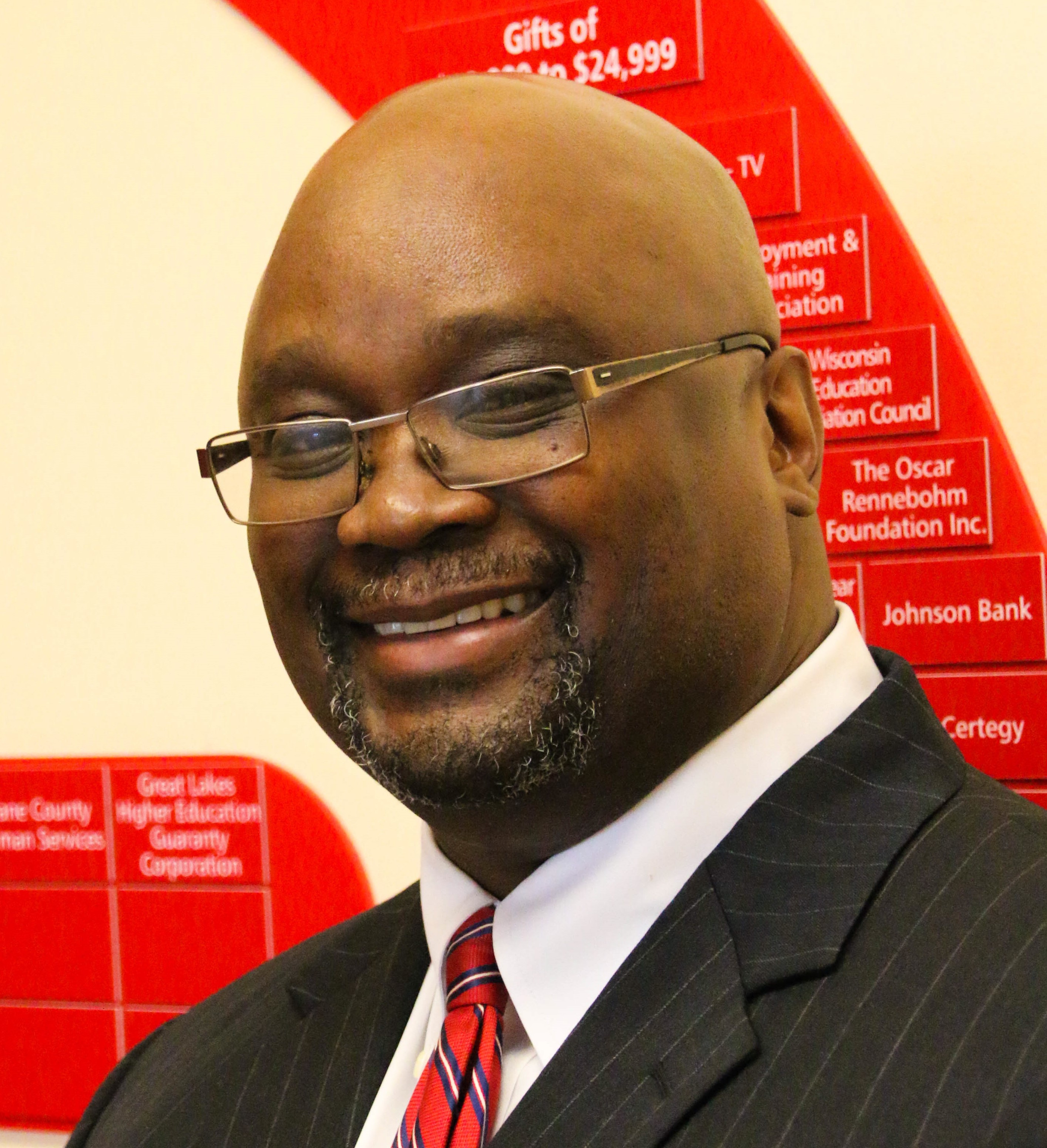 Ruben Anthony addressed our March 31, 2021, meeting on the subject of “Continued Transformation of the Park Street Corridor.” He has been the President and CEO of the Urban League of Greater Madison since 2015.
 Zach Brandon made an inspiring presentation at our March 24th meeting of the Rotary Club of Madison. As the president of the Greater Madison Chamber of Commerce and past Deputy Secretary of the Wisconsin Department of Commerce, he is well qualified to speak to us about Madison’s present and future in his titled address, “There is Light in the Darkness.” He structured his presentation around the intervening years since his prior Rotary presentation in 2018 which was his third.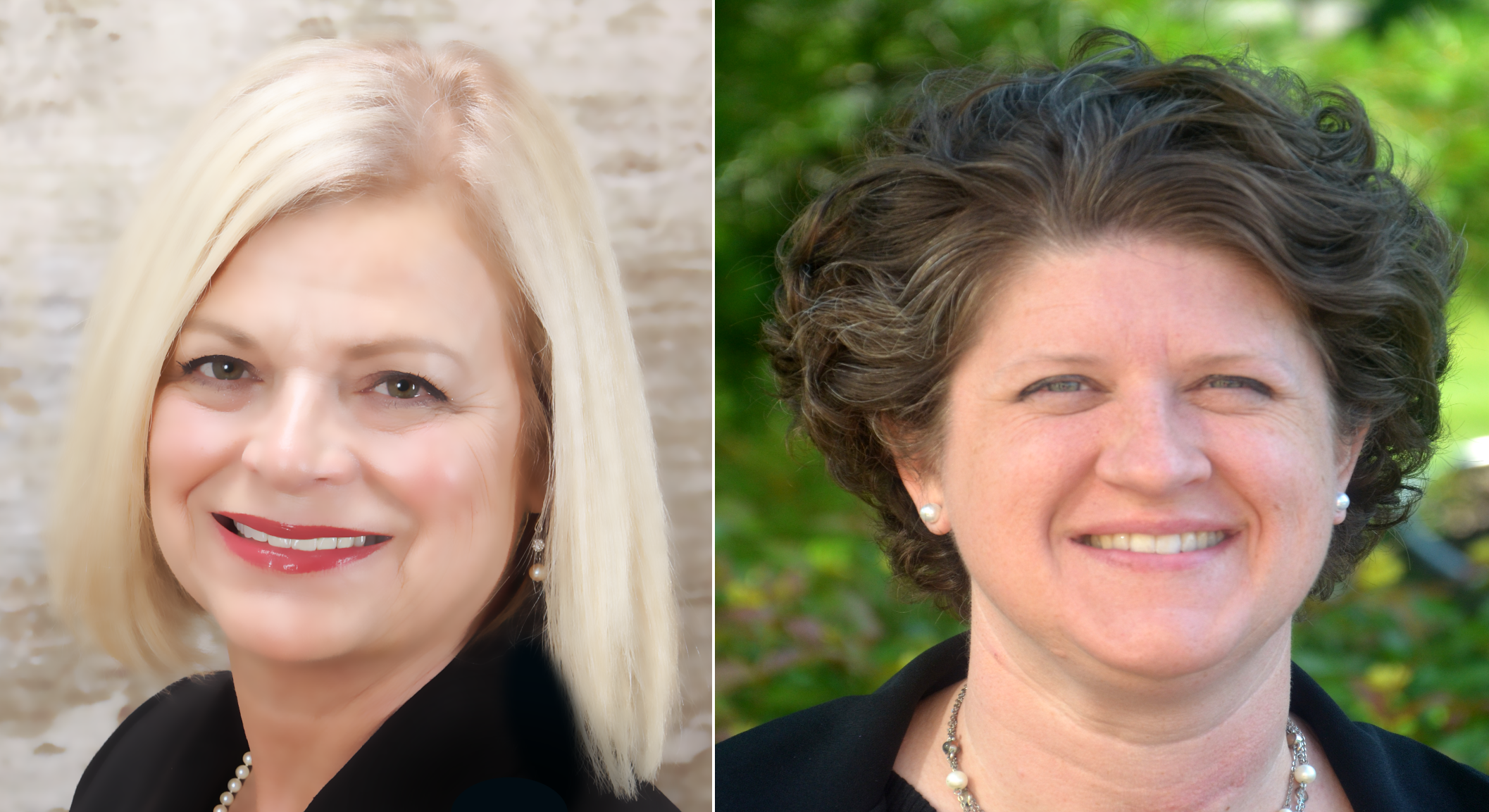
 This week, UW-Madison Professor Jon Pevehouse provided an analysis of the Trump Administration’s major foreign policy initiatives and how the outcome of this past November’s election is affecting American foreign policy going forward. The Professor started by commenting on the two overarching differences between the present administration and the last: 1) Staffing: President Trump understaffed diplomatic roles and left many gaps, signaling our priorities. President Biden has since ramped up diplomatic staffing; and 2) Stability: Under the last administration, foreign policy could change with a tweet. Under the current administration, that will not be the case, which will lend itself to increased foreign trust.
 Rotary Club of Madison, Wisconsin