Tag Archives: Rotary

Recent Rotary Fellowship Events – Hitting the Open Road!

Motorcycle Ride 7 27 14

Motorcycle Ride 7 27 14 Photo2

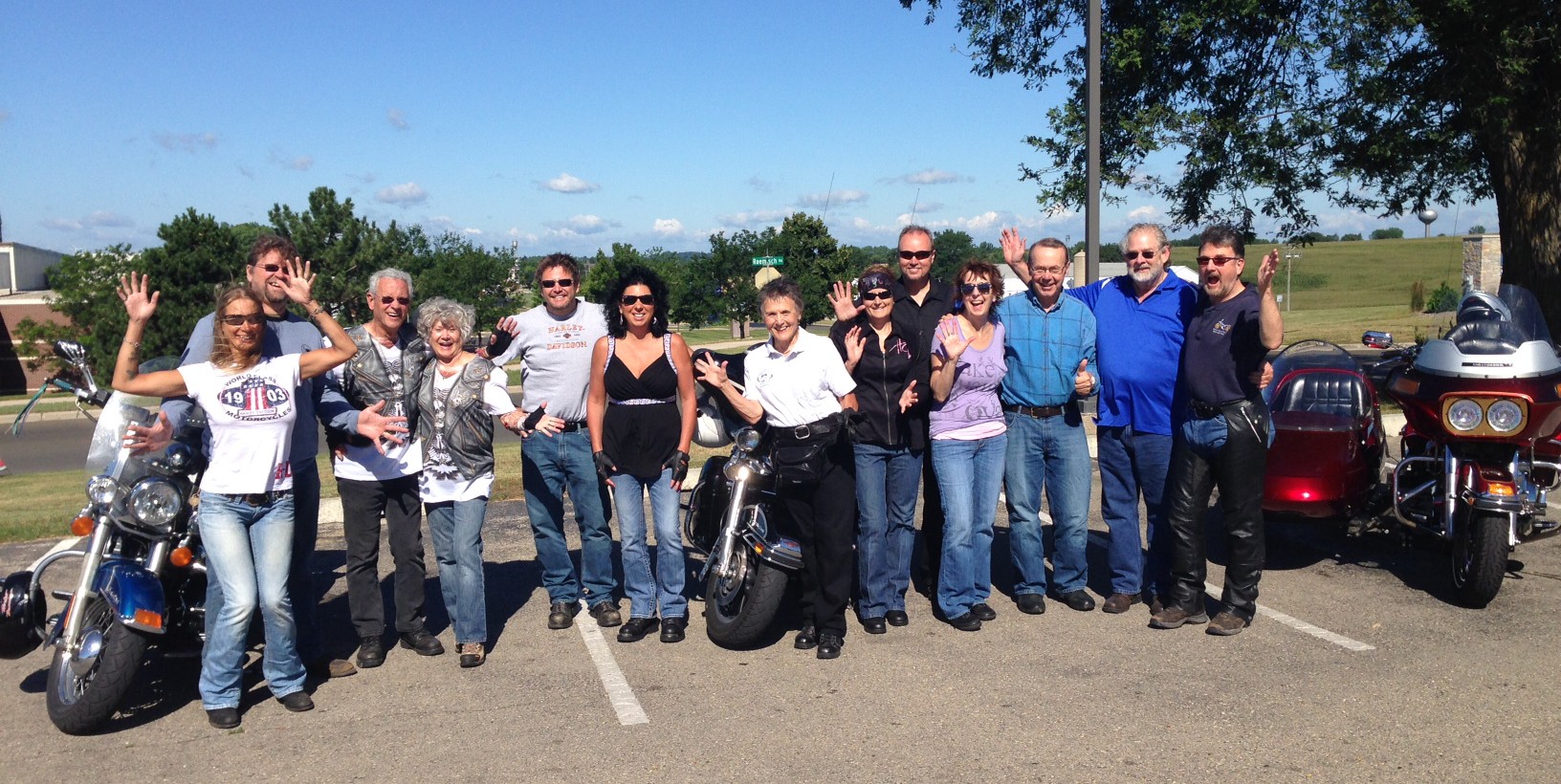
Pictured above, the Motorcycle Fellowship Group is crossing the Wisconsin River on the Merrimac Ferry.

Our club’s Motorcycle Fellowship Group headed out on the open road on Sunday, July 27, for LaFarge, Wisconsin, and the Rockton Bar’s World Famous Chicken Feed. Located in the heart of the beautiful Kickapoo Valley, on scenic Hwy 131 between Ontario and La Farge, the Rockton Bar is a favorite destination for hungry and thirsty patrons, especially motorcyclists in Wisconsin. The group rode through the amazing countryside of the Driftless region and enjoyed a great meal of BBQ chicken and fixin’s with great conversations and a positive Rotary experience!  Thanks to Jeff Bartell for organizing this event.

Brewers Trip 7 27 2014

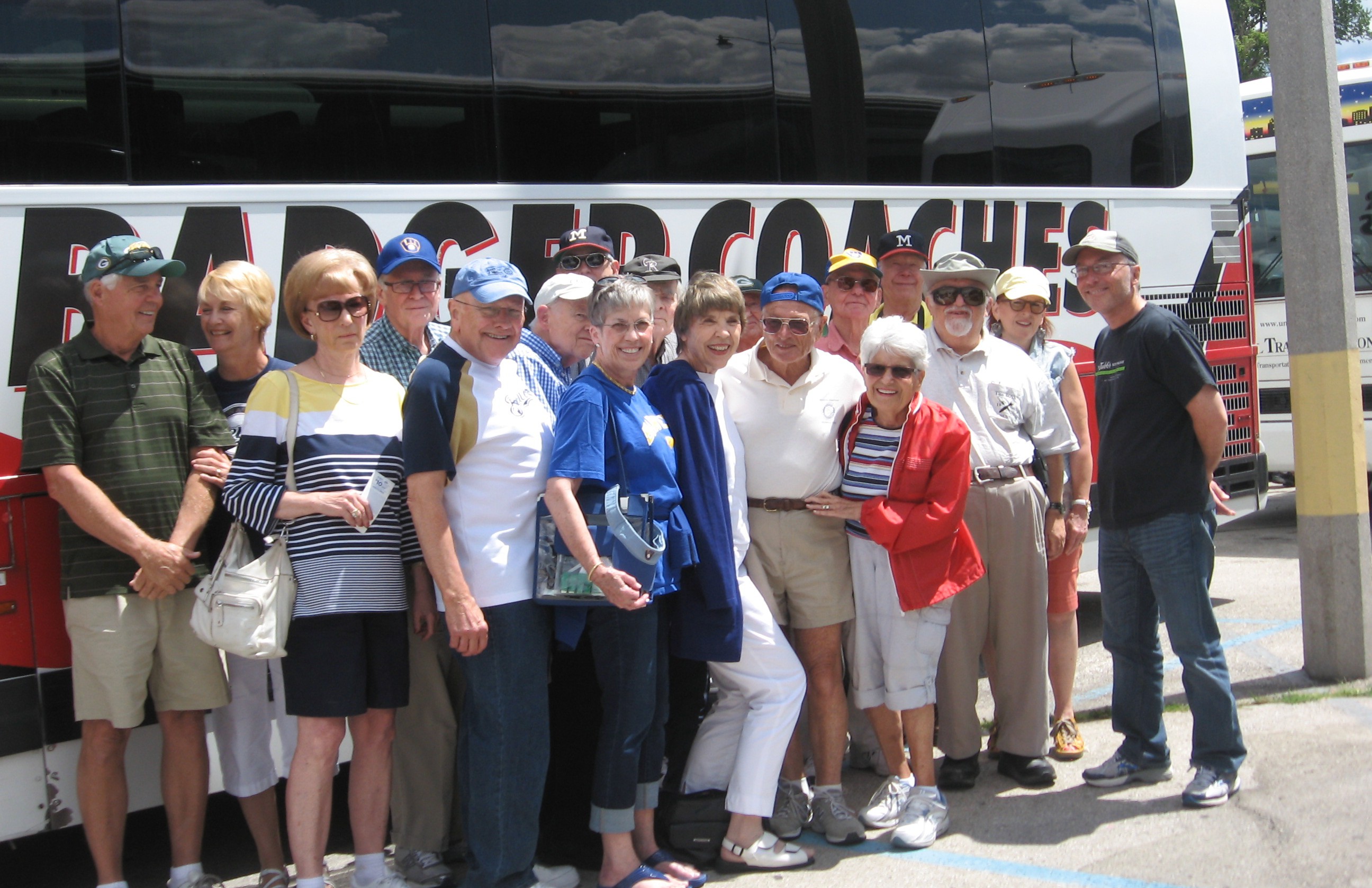
Our club’s Baseball Fellowship Group boarded a bus on Sunday, July 27, for Milwaukee to see the Brewers take on the New York Mets. Final score:  Mets 2, Brewers 0.

Meet Tim Stadelman: Club President

–submitted by Andrea Kaminski; photo by John Bonsett-Veal

Tim and Rob

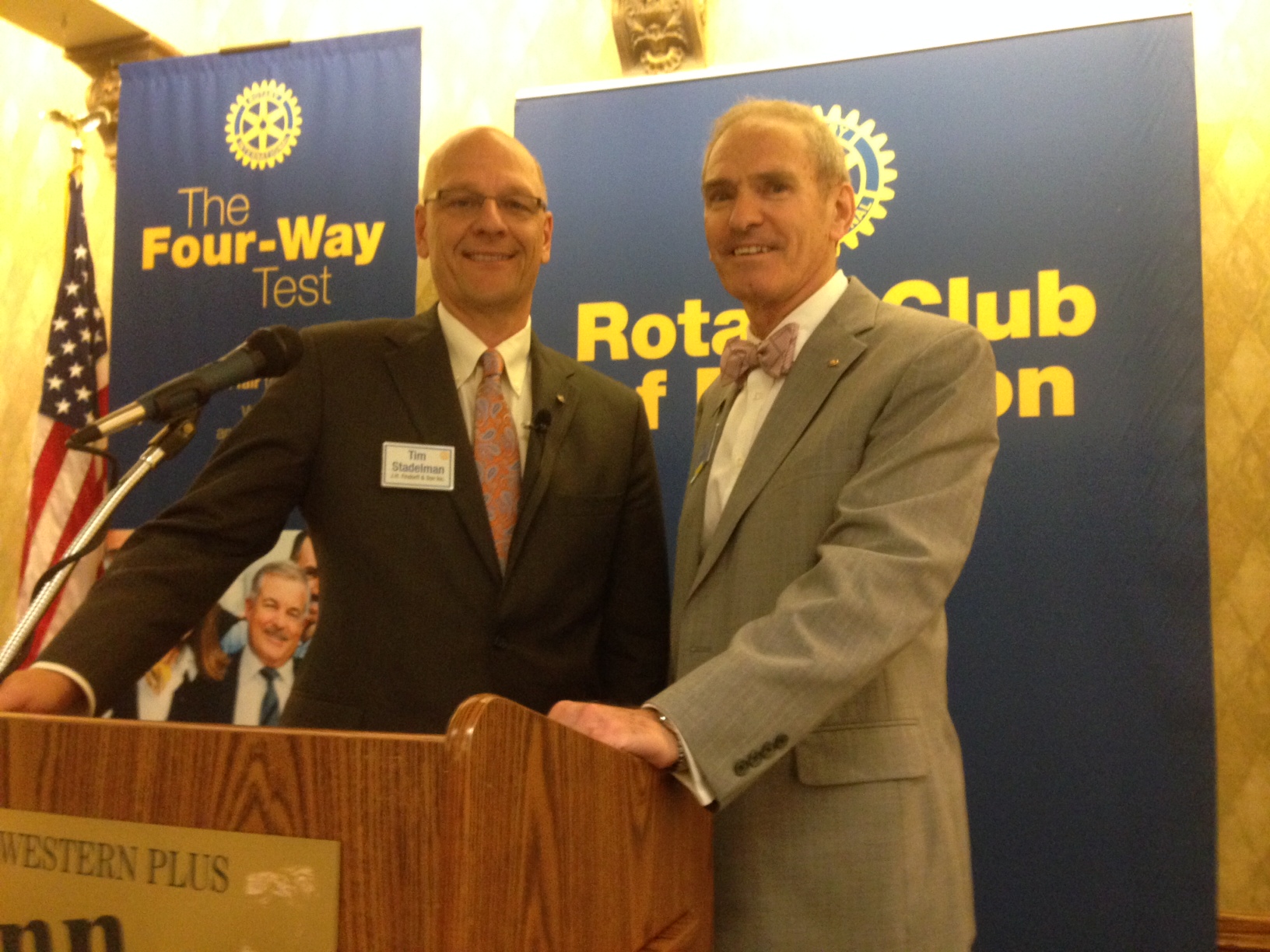
President Tim Stadelman (Pictured above at left with Past Club President Rob Stroud) was our speaker on Wednesday, July 23. He spoke about his past and connected it with his goals as President of our club. Tim referred to four core areas of his life – Rotary, Family, Findorff and the Community. He said all four mainstays are connected, and the first three support the community.

Tim thanked his wife Lori and sons Ross, Tommy and Justin as well as his partners and colleages at Findorff for their support. He thanked Rotary members for “the opportunity of a lifetime to lead the Club.”

The sixth of seven children, Tim grew up near Belleville. His father was a cheese maker and the family lived on the upper floor of the cheese factory. After raising seven children, his mother became a kindergarten teacher. Tim’s parents wanted all of their children to go to college, an opportunity they themselves did not have. Tim graduated from UW-Whitewater with a degree in accounting.

In August Tim will celebrate 25 years with Findorff, where he is CFO and an owner of the company. He noted similarities between Findorff’s core values and those of Rotary, including taking a long-term view, fostering strong leadership, maintaining a community focus and engaging multiple generations.

Tim gave a preview of what to expect as the Rotary Board enters the fourth year of our Club’s five year strategic plan:

  1. Marketing will continue to be an emphasis, so that all materials and messaging will have a consistent focus on core concepts;
  2. Membership development efforts will focus on building connections for members, especially those in their first few years with the Club. Each committee and fellowship group will be challenged to organize one shared activity or event with another committee or group.
  3. The Board will lead us in identifying a fourth focus area for Service, in addition to the current areas of Basic Needs, Education and Mentoring, and Civic Leadership.
  4. We will increase involvement with the Rotaract Clubs at UW and Edgewood College, as well as support a new Interact Club at Madison East High School.

Finally, Tim promised 10% more fun! District Governor Dave Warren will explain this in detail at our July 30 meeting.


Berry Tells Story of DDT Activists

–submitted by Valerie Johnson; photo by John Bonsett-Veal

Bill Berry

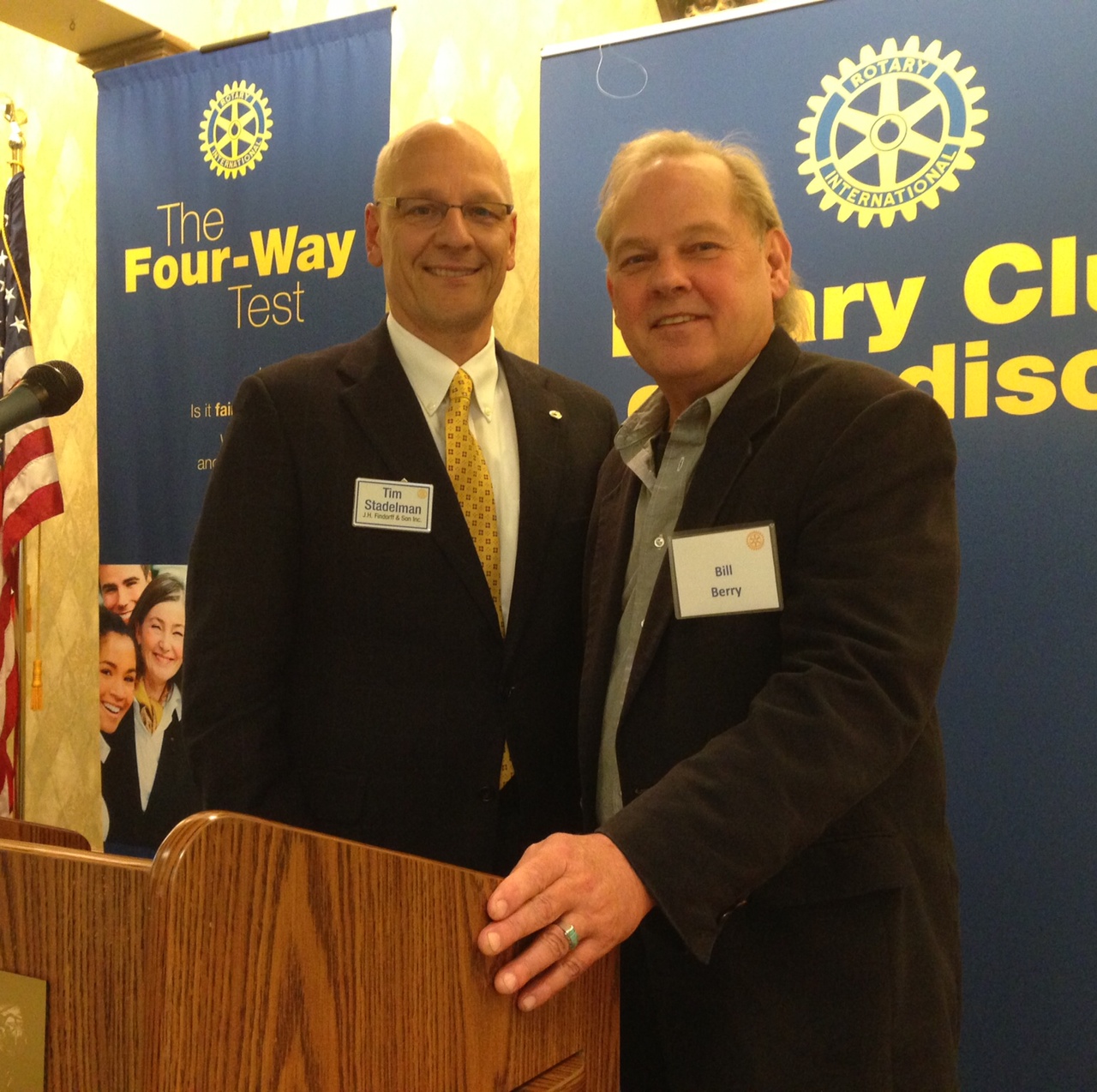
DDT saved lives during WWII, and still does today in some places, Rotarians heard at the July 16 meeting from Bill Berry.  Berry is the author of “Banning DDT: How Citizen Activists in Wisconsin Led the Way.”

Berry then went on to explain how too much DDT usage began to disrupt reproduction in several fish and bird species, and the industry’s lack of response “caught them with their pants down” by concerned citizens who then sued to get action and ban the pesticide.

Berry researched this case study of early environmental activism for six years.  He told of the hunters and fishers, bird-watchers, and garden-club ladies such as Lorrie Otto, who dropped off twenty-eight dead robins at the Bayside village offices. He described university professors and scientists such as Joseph Hickey, a professor and researcher in the Department of Wildlife Management at the University of Wisconsin in Madison, who, years after the fact, wept about the suppression of some of his early DDT research.

Some of the lessons to be learned Berry shared with Madison Rotarians included:

  • Economic arguments are important and business should be involved in environmental debates
  • Scientists should engage in public debate
  • Media matters
  • Ecological catastrophes can be avoided
  • Humans are capable of making a global imprint
  • Private citizens can make a difference

Berry grew up in Green Bay and earned undergraduate degrees from the University of Wisconsin-River Falls. After more than 20 years as a reporter, columnist and editor for several daily newspapers, he now focuses his work on communicating in the fields of conservation and agriculture. A columnist for The Capital Times newspaper in Madison, Berry lives in Stevens Point.


Highlights from 9th Annual Rotary Scholar-Mentor Picnic on July 13

–article submitted by Ellie Schatz; photos submitted by Noel Pearson and Ellie Schatz

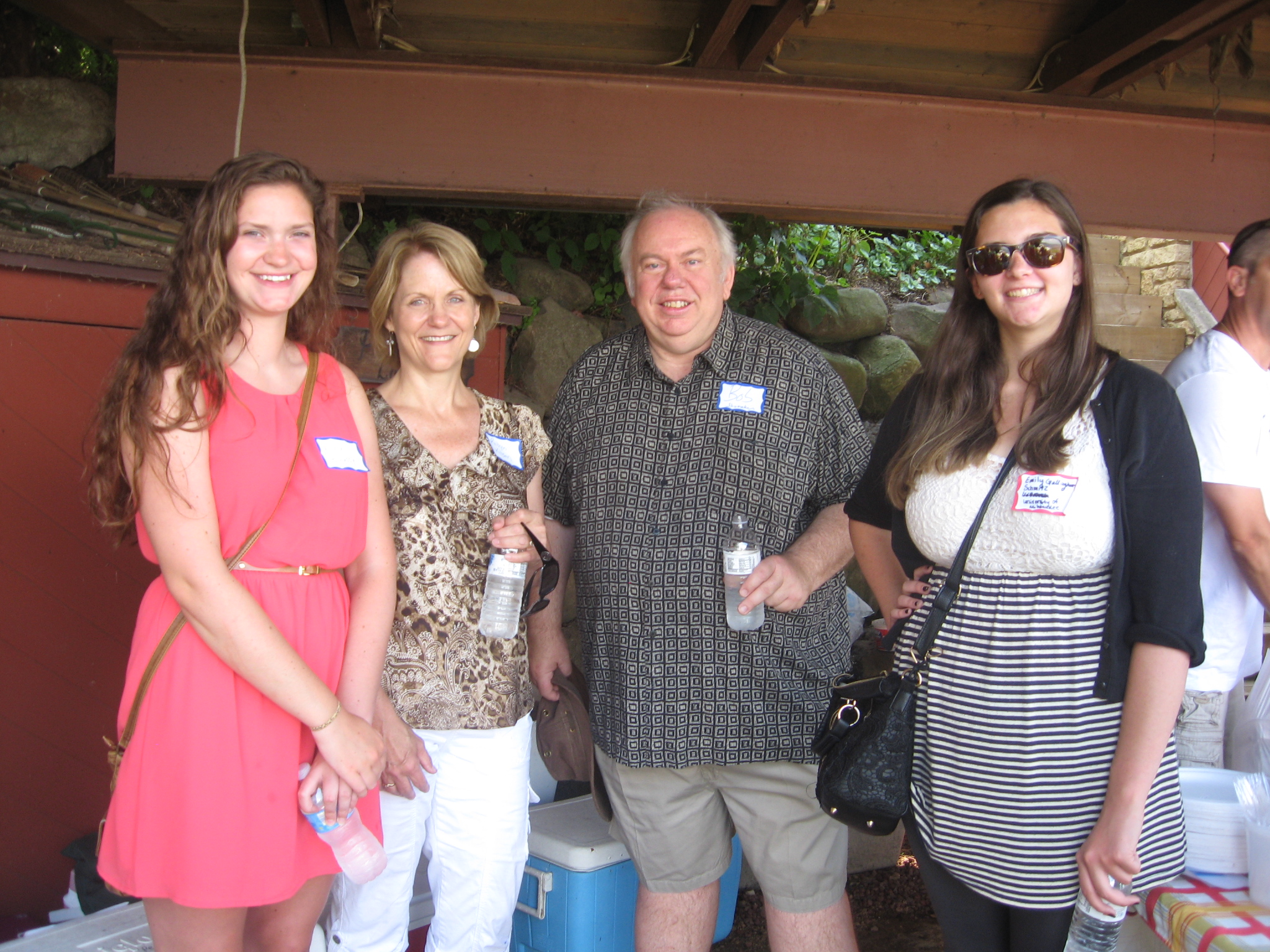
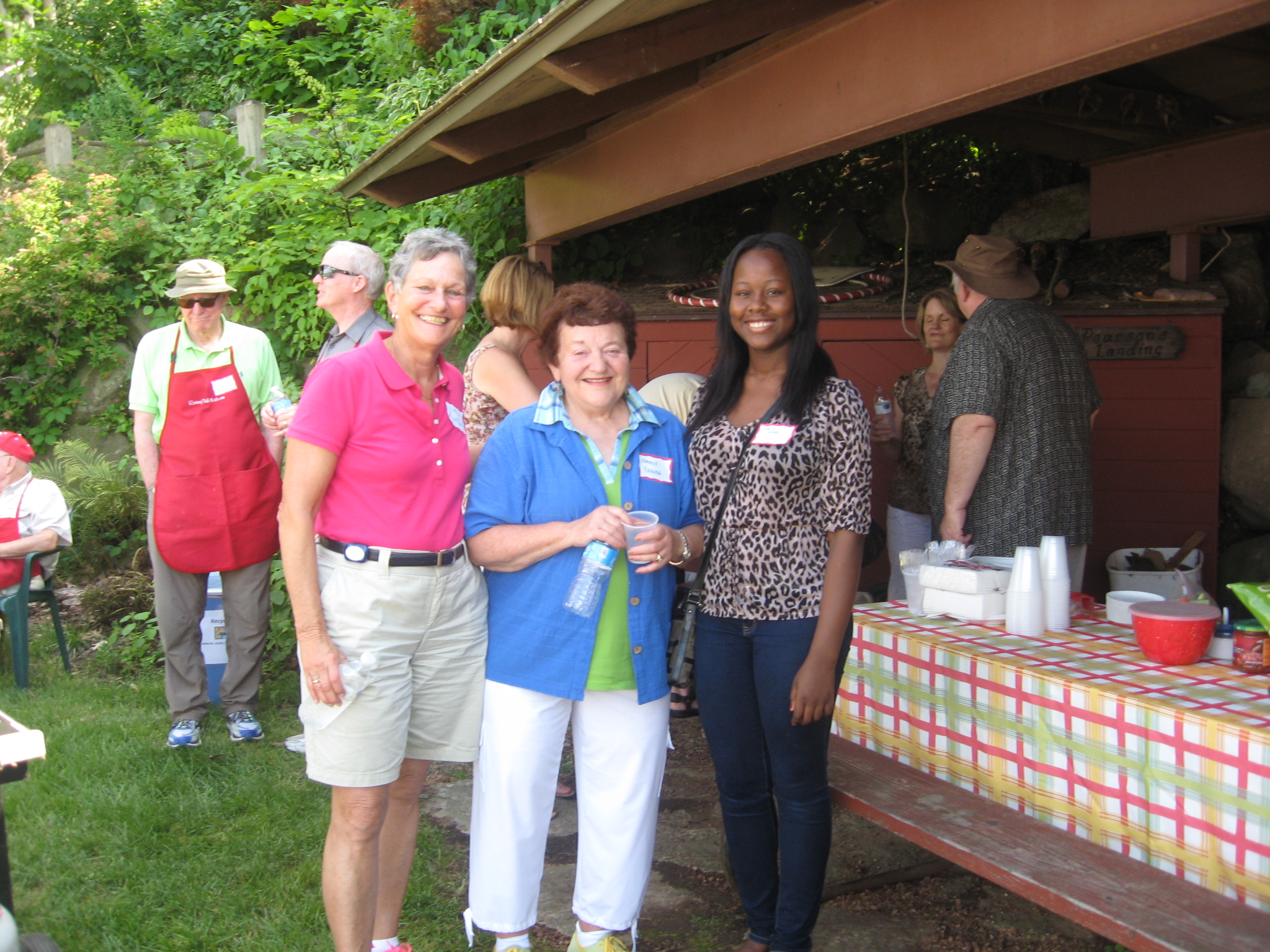
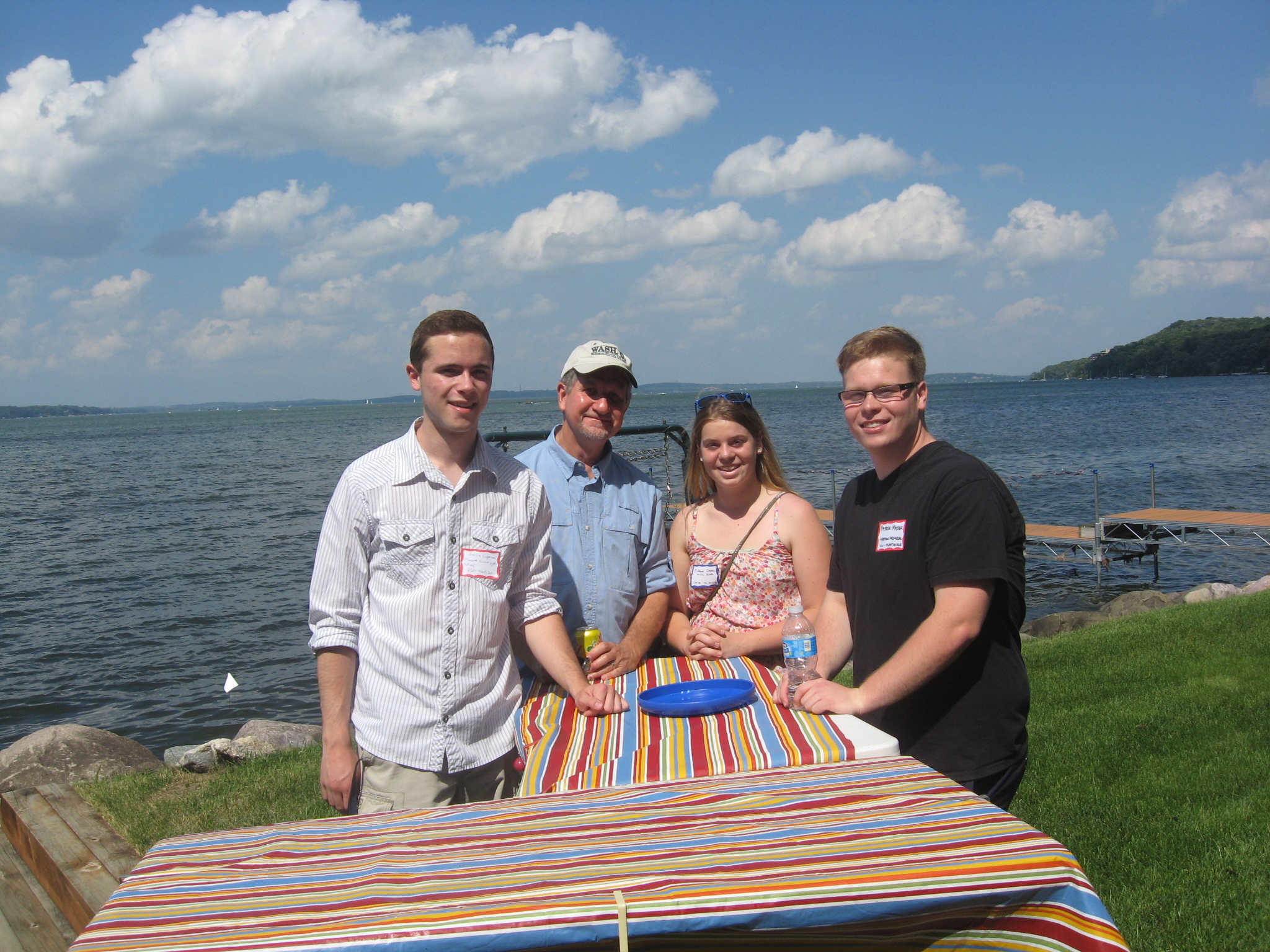
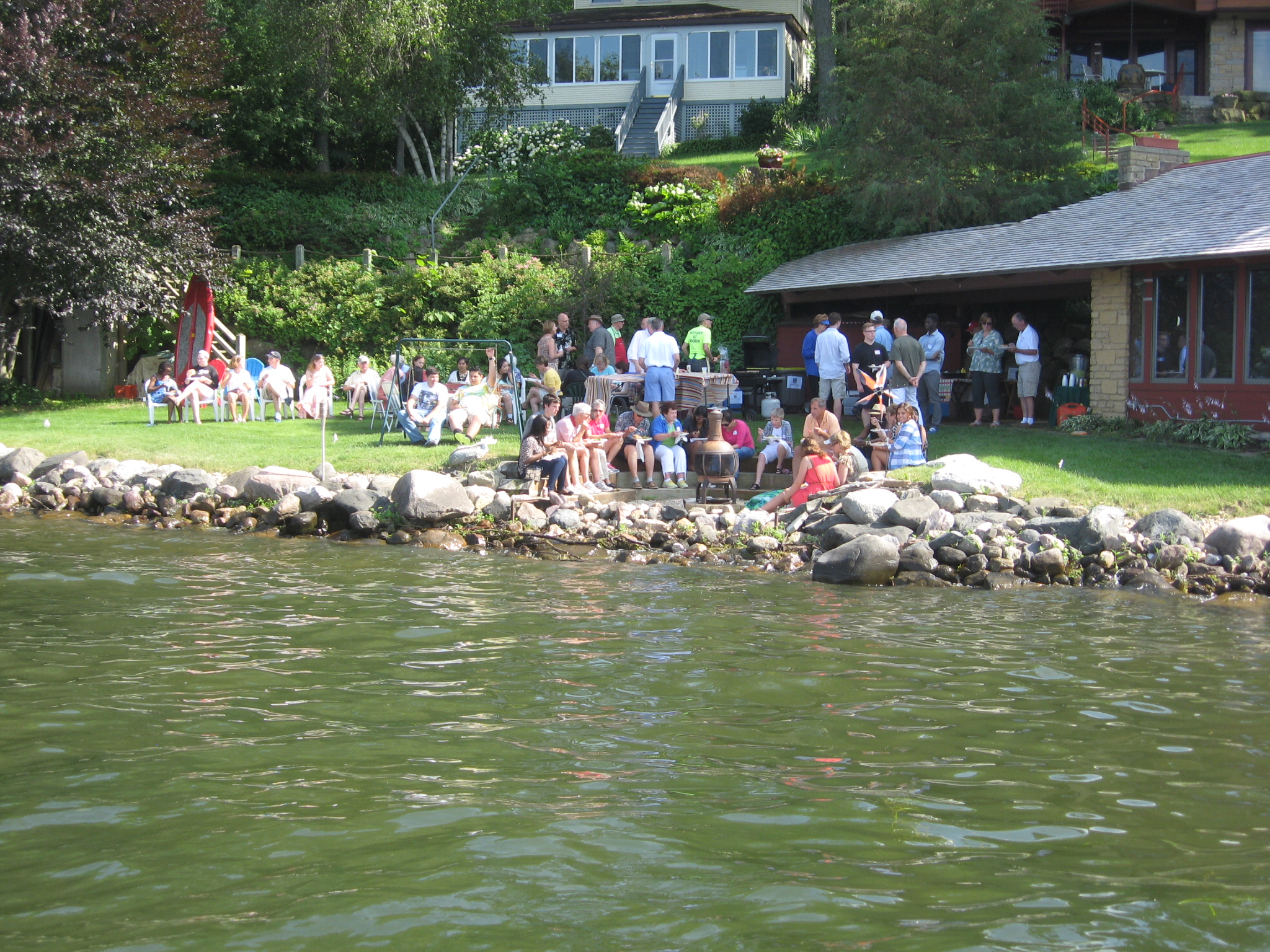
On Sunday, July 13, nearly 80 Rotary scholars and mentors attended our 9th Annual Rotary Scholar-Mentor Picnic. The following photos don’t quite tell it all, but they give the flavor of a day filled with the excitement of shared goals and dreams, the bonding accomplished through conversation and caring, the comforts of an idyllic environment, good food, and people we are so lucky to have in our lives.

photo1

Upperclassman Patrick Mather shared the ropes of college with Austin Coppernoll, incoming freshman.
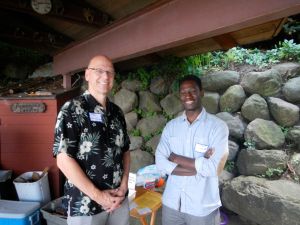
photo2

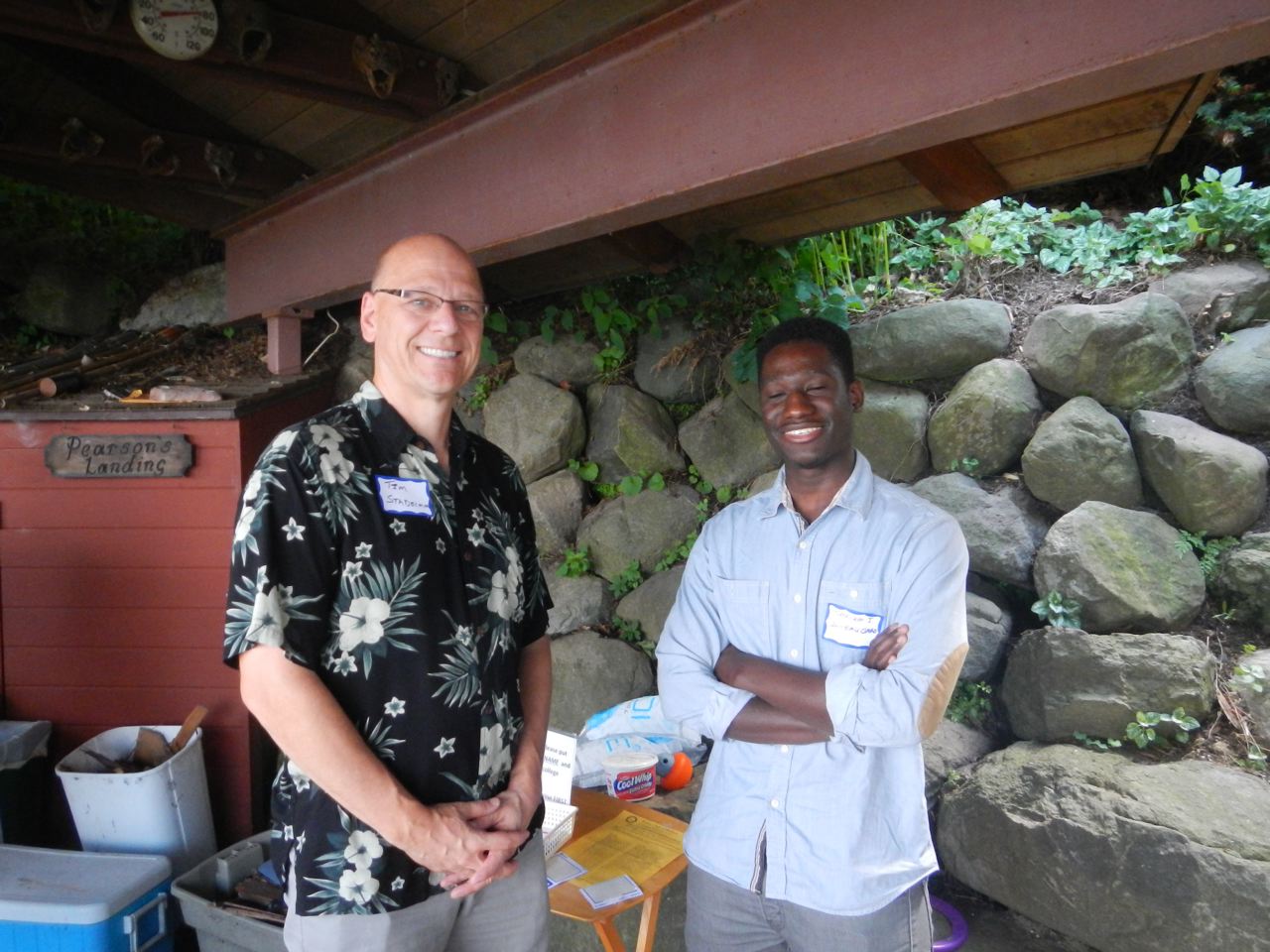
Club President Tim Stadelman heard of dreams and plans, like Sheikh Jammeh’s possibility of working and studying in the Galapagos Islands.

photo3

Cheryl Weston spent some quiet moments with Kiran Silwell as she prepares for her senior year.

photo4

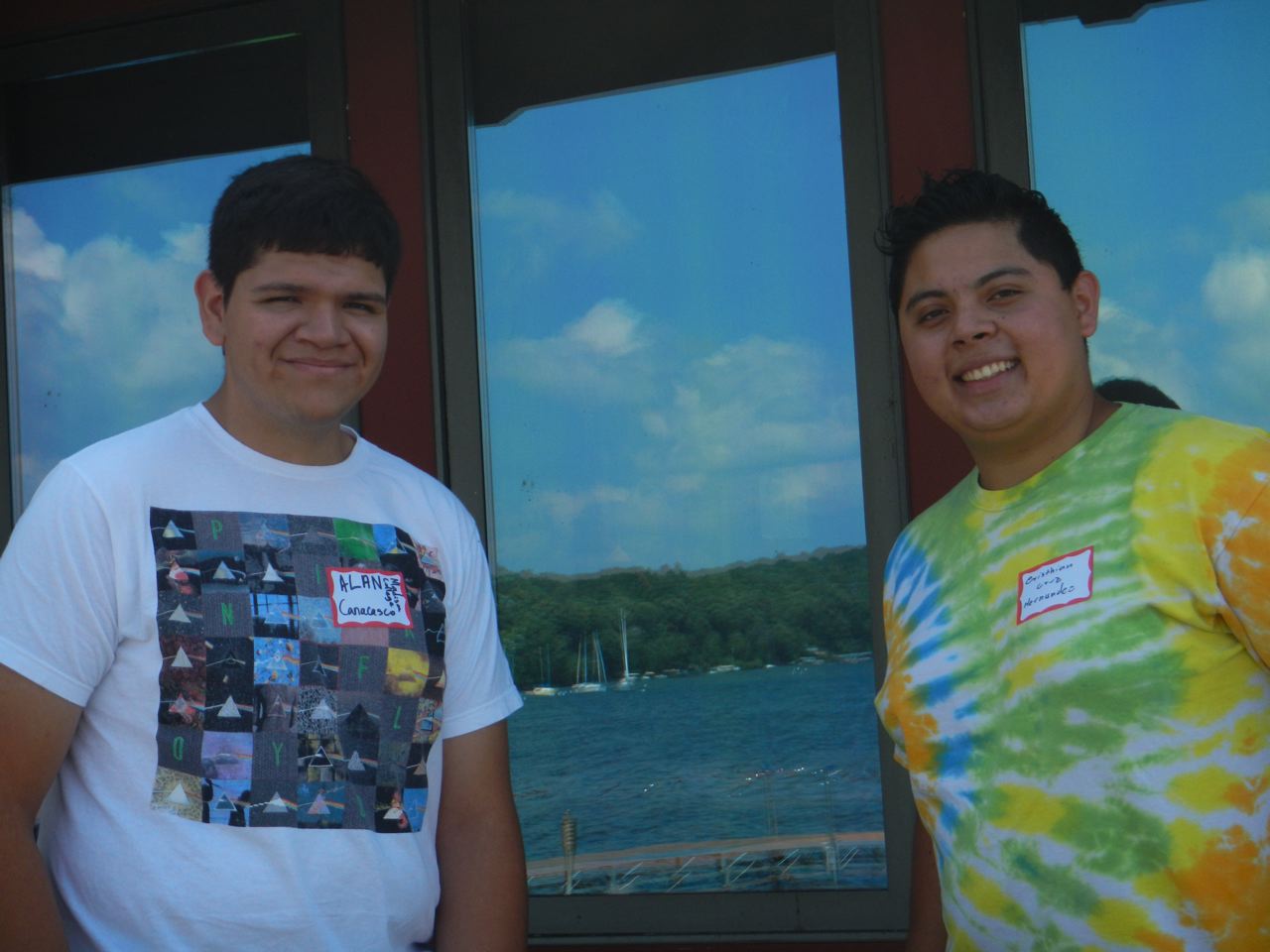
Alan Rubio and Cristhian Hernandez talked about classes at Madison College (and soccer?).

photo5

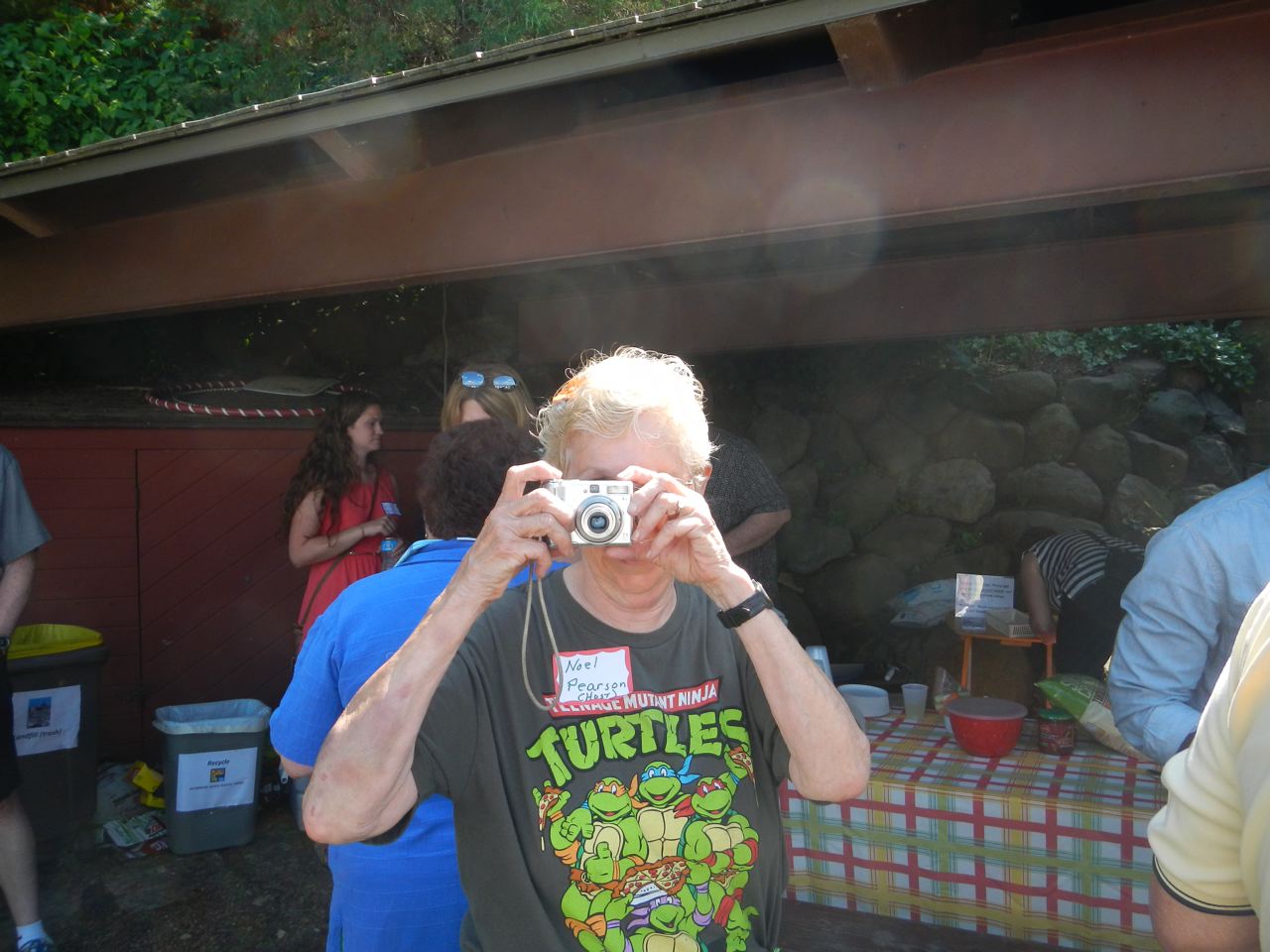
Our hostess, Noel, never took a breather. When she wasn’t behind the scenes organizing food, chairs, etc., she was behind the camera capturing the fun and future that’s represented at her lakeside table. Thank you Noel and Dick Pearson.

photo6

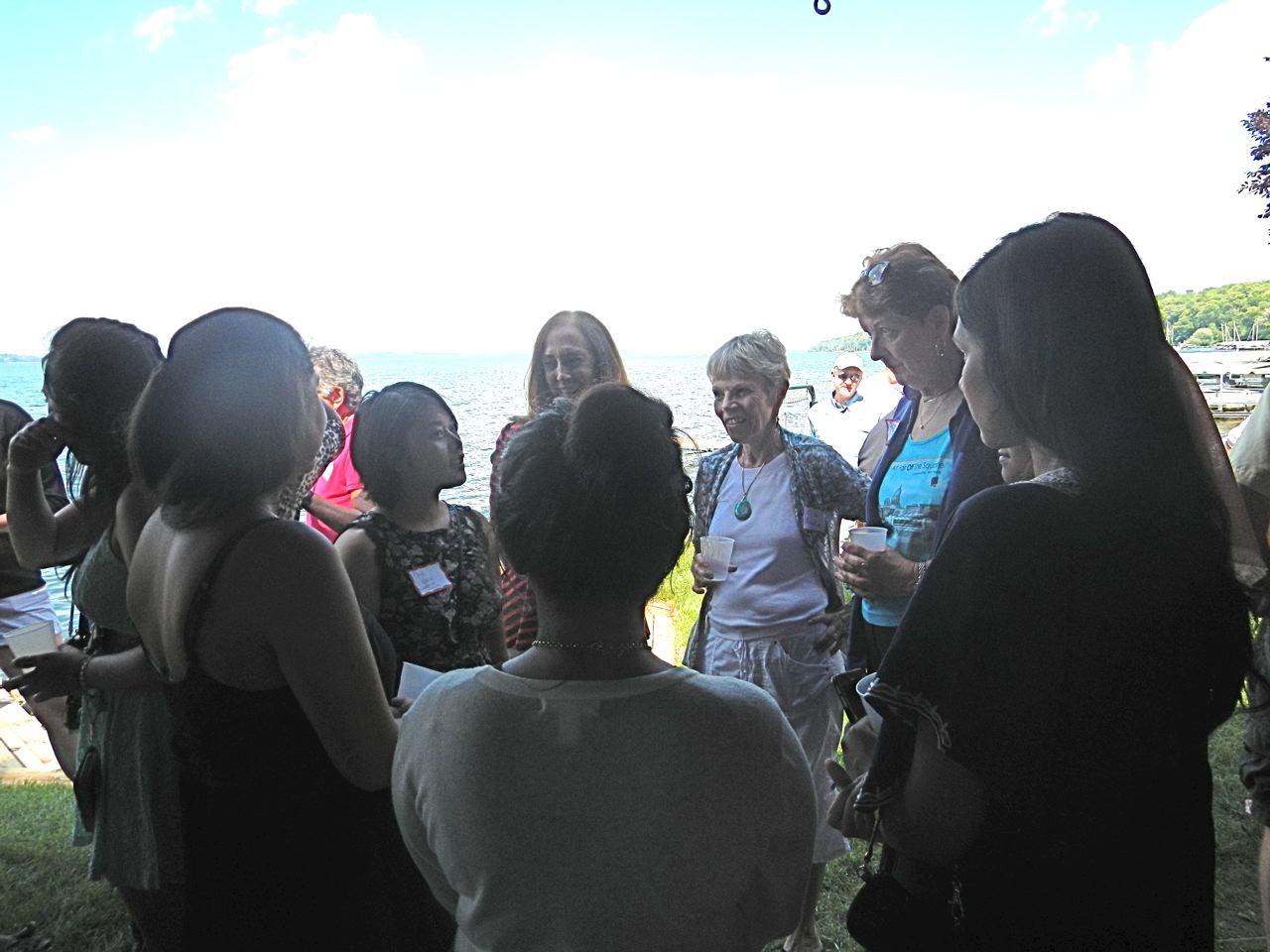
Graduate scholar Chie Yang began a conversation about majors, graduation, graduate school and careers. Mentors reveled in hearing all the BIG ideas and plans.
photo8  photo24  IMG_6388

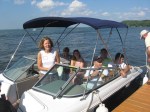
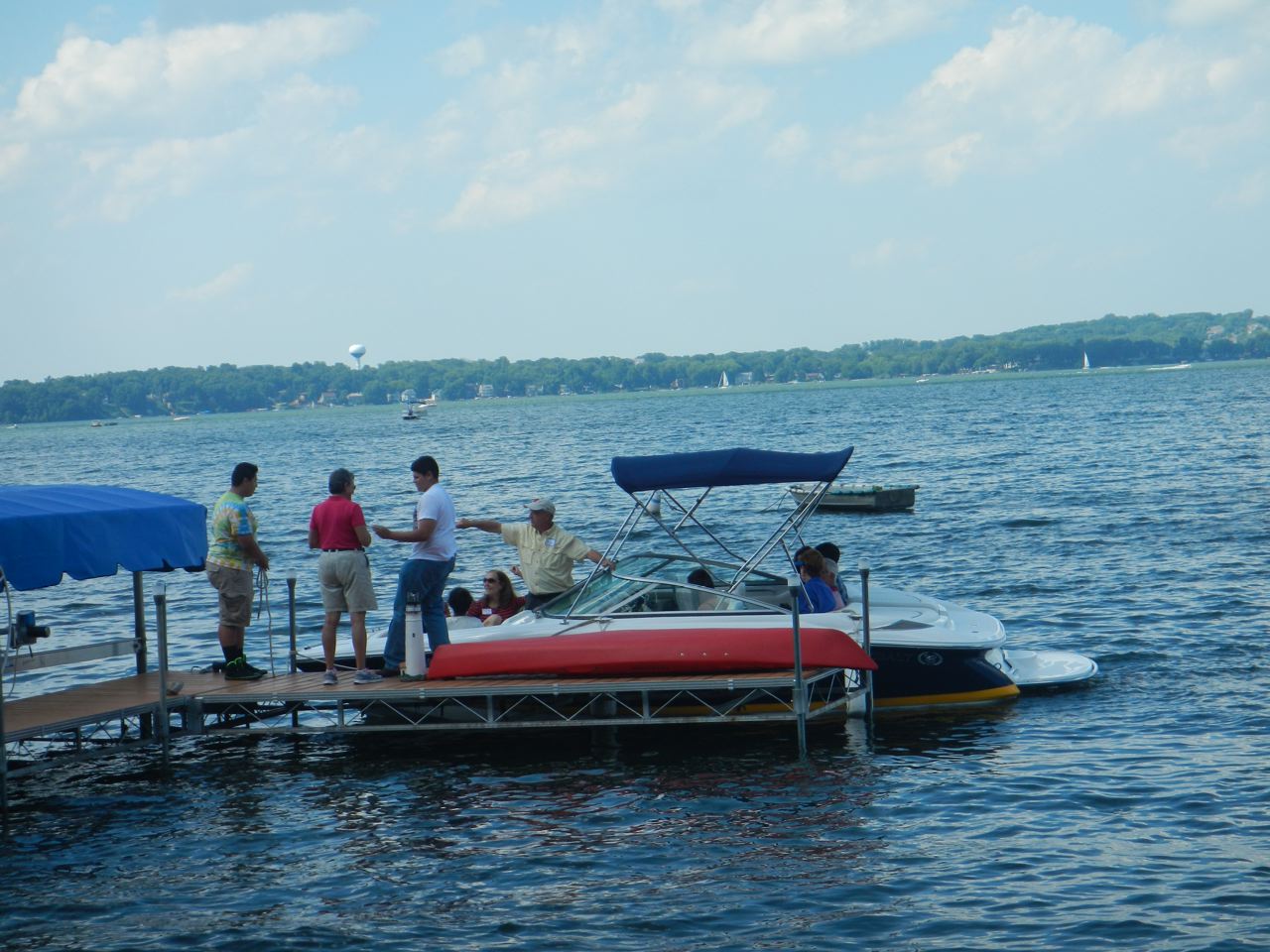
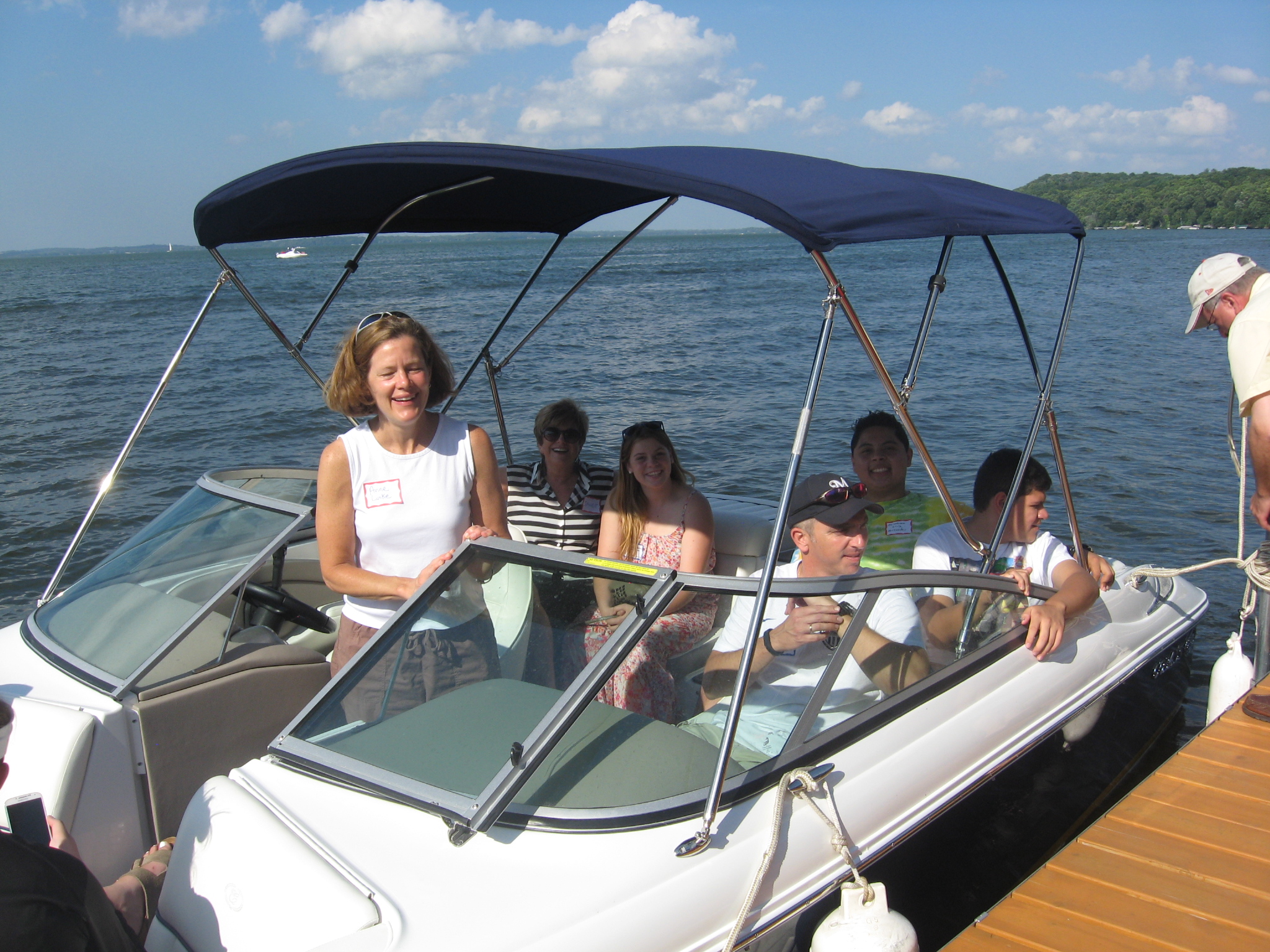
A picnic on the lake must include a boat or two?!  Brett Stratton helped Captain Dick bring the boat up for a very popular annual activity.  Seeing Madison from the lake adds new perspectives for many scholars.

photo9

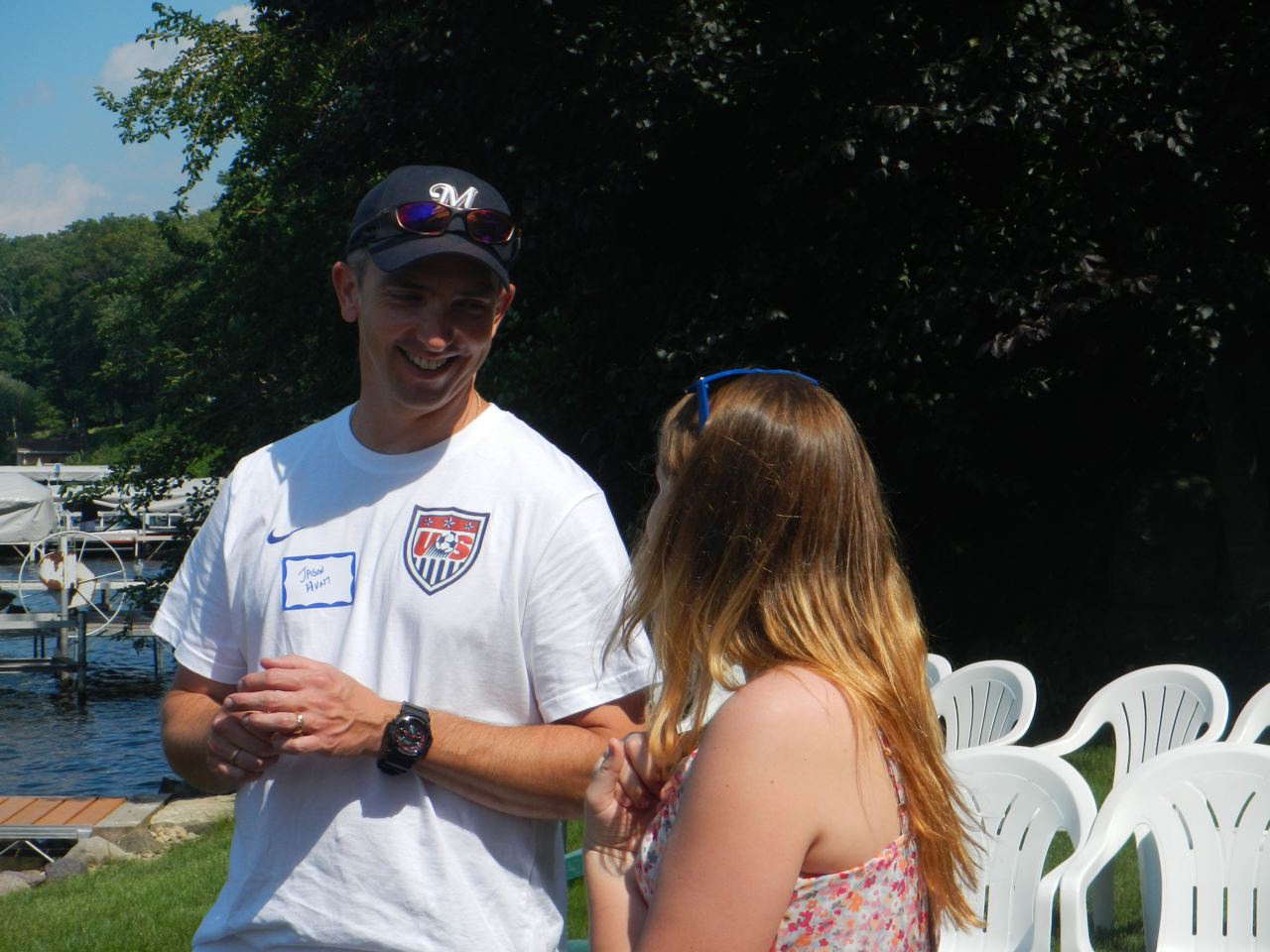
New Rotarian Jason Hunt and scholar McKenna Crossen shared some get-acquainted time.
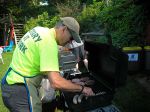
photo10  IMG_6385  photo22

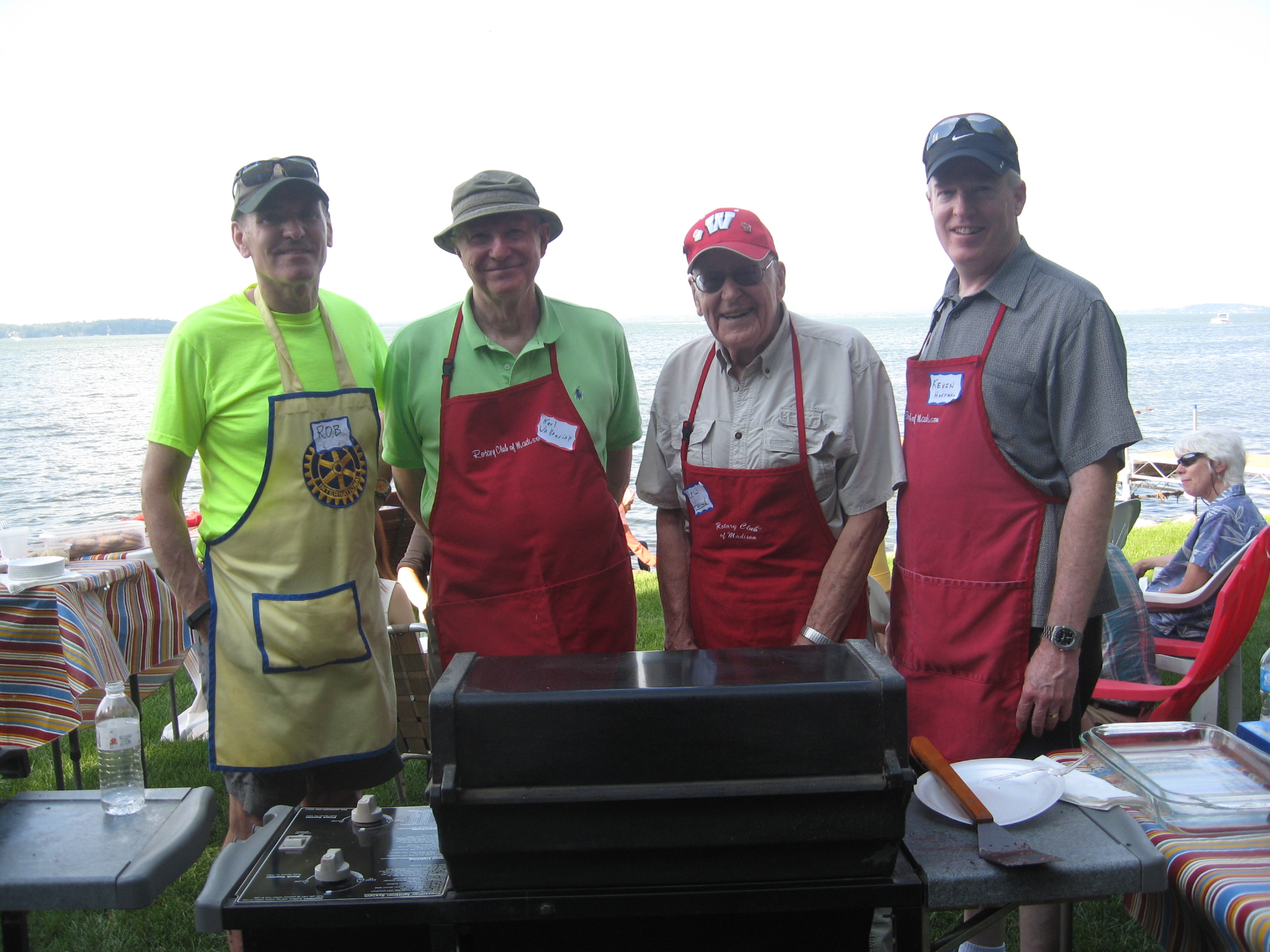
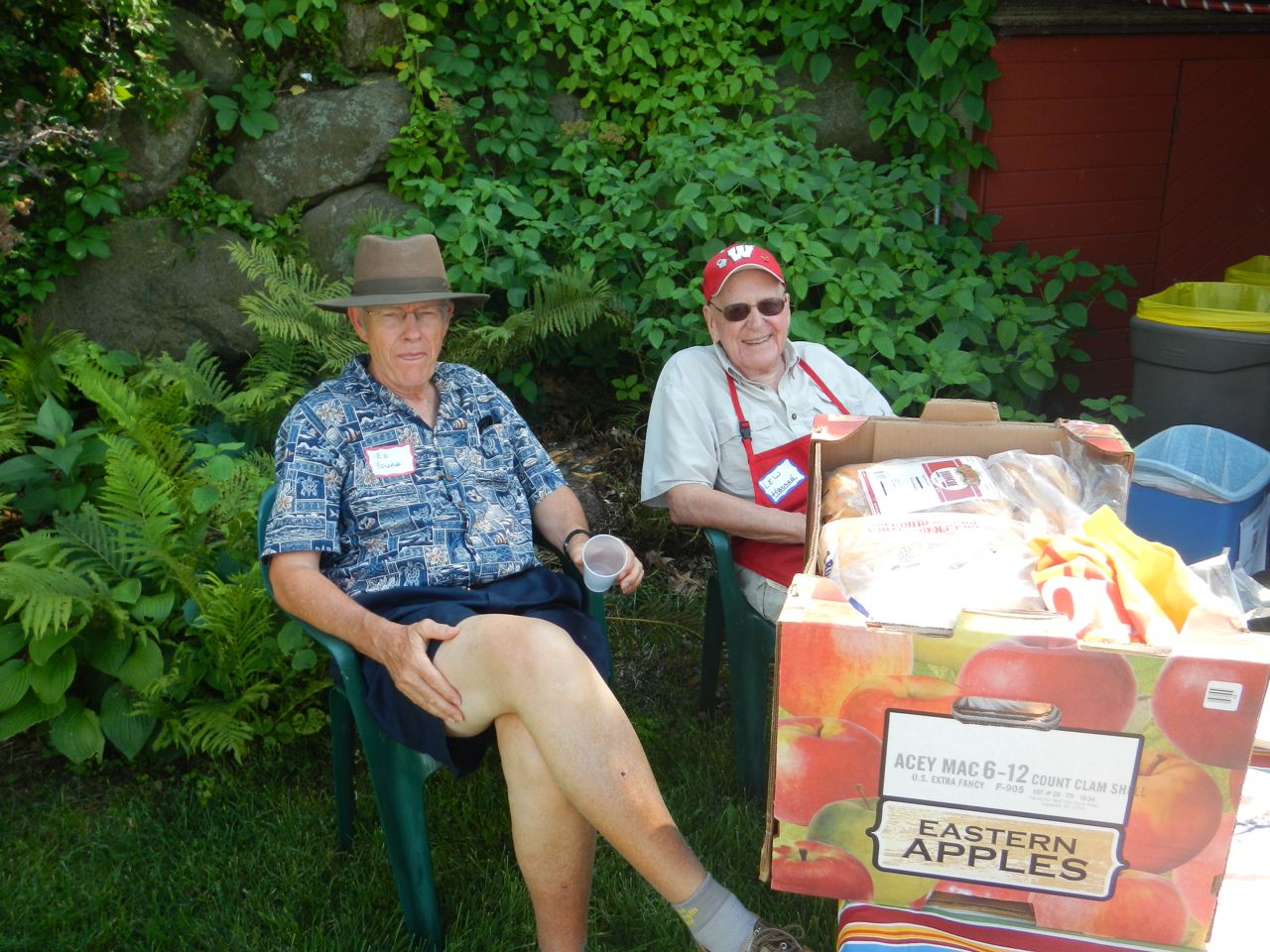
The Kitchen Committee, as always, got a big heads up as do all the mentors for the delicious dishes, from chips and dips to cookies and pies. Terry Heinrichs, did you make that scrumptious raspberry pie yourself?
IMG_6373  IMG_6370  IMG_6367

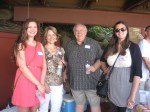
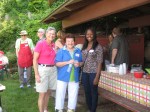
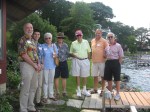
It was a perfect day in a perfect setting. If this is “service above self,” we enjoyed living our Rotary motto.

IMG_6378  IMG_6366  IMG_6389

Photo Highlights from Annual Vocational Fellowship Luncheon Day on July 9

Carey Glass 2Carey Glass 3

At the Carey Fused Glass Studio, members created unique votive candle holders.  Photo 1: from left: Peggy Lescrenier, Rachel Krinsky and Ken Yuska; Photo 2: Dewey Bredeson

Overture5  Overture8  Overture6

Members and guests received a backstage tour at the Overture Center for the Arts.

Madison College1
At Madison College, members and guestsreceived a tour of the new Health Education Building.  Pictured above from left: Bob Dinndorf and Dick & Nina Rieselbach.

UW Athletic Center

Members enjoyed lunch and a tour of the new UW Department Student Athlete Performance Center which was completed in January 2014.

StMarys03  StMarys01  StMarys02

At St. Mary’s Hospital, members heard about better care at lower costs.  Photo 1: Frank Byrne; Photo 2: from left: Dave Ewanowski, Suzanne Qualia, Larry Zanoni, Pat Guttenberg and Ted Waldbillig; Photo 3: from left on the helipad: Cindy Herbst, Ted Wadbillig, Paul Karch, Larry Zanoni, Jon Lewis (VP of St. Mary’s Operations) and Dick Goldberg.

Human Eco3  Human Eco2  Human Eco5
At UW’s School of Human Ecology, members toured this sustainable facility which included 13,000 items in its textile collection.

Bruker 1  Bruker 2

At Bruker AXS, members learned about cutting edge digital technology used by next generation scientists in a wide array of industries.

Agrace1  Agrace5  Agrace6
Members and guests learned how rapidly the health industry is changing and what that means to palliative care at Agrace Hospice & Palliative Care.

Webcrafters1  Webcrafters4  Webcrafters5
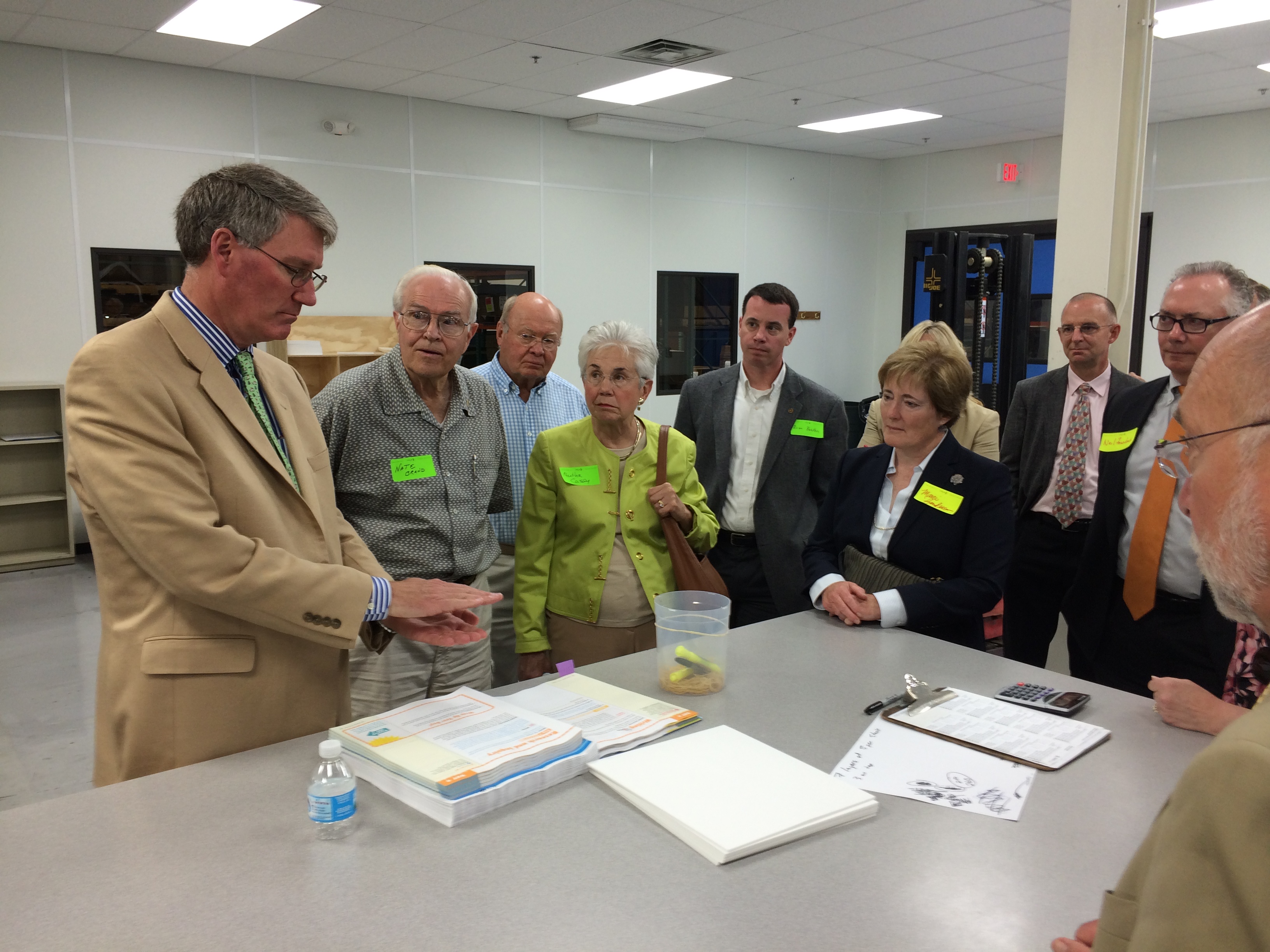
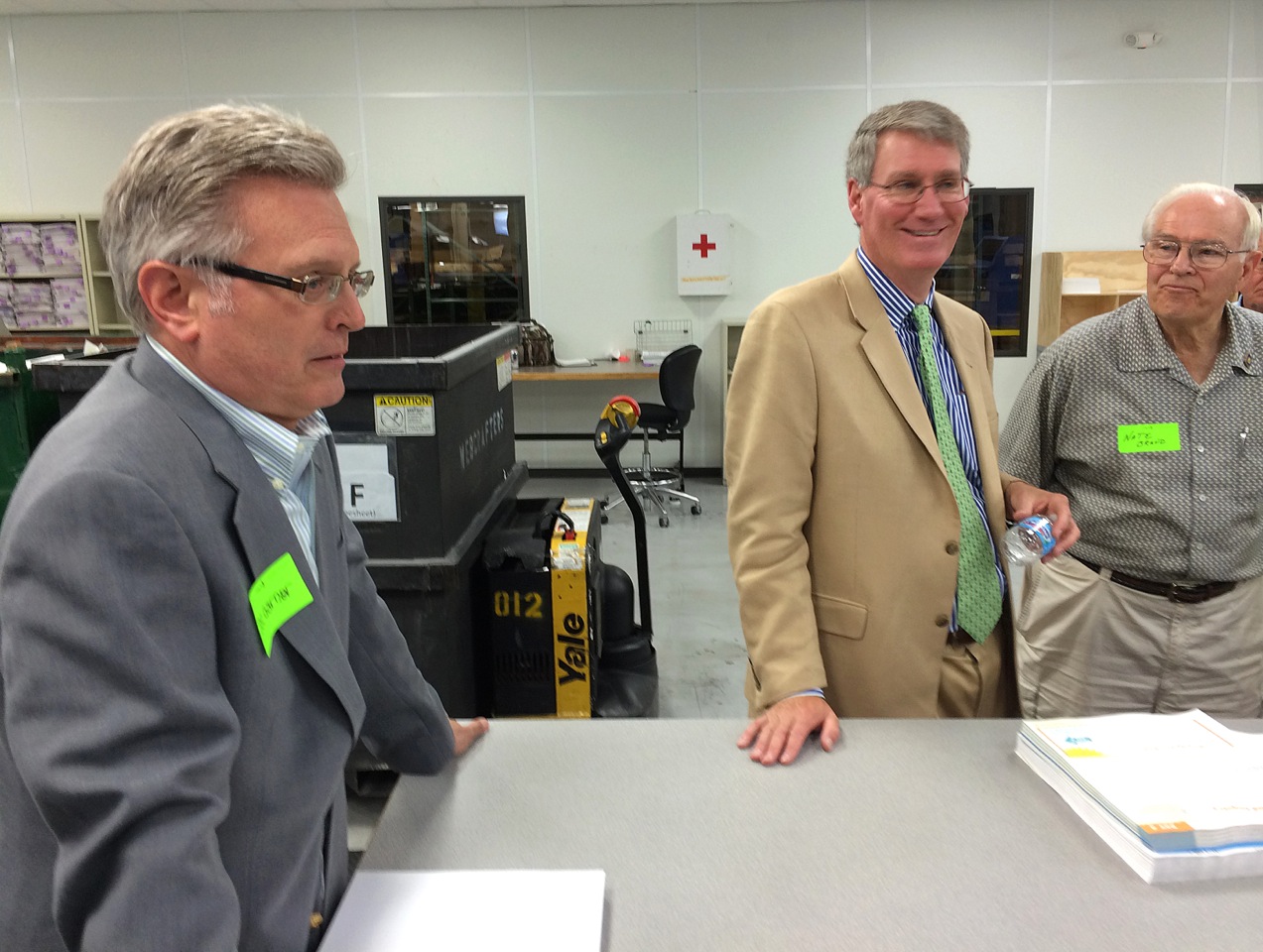
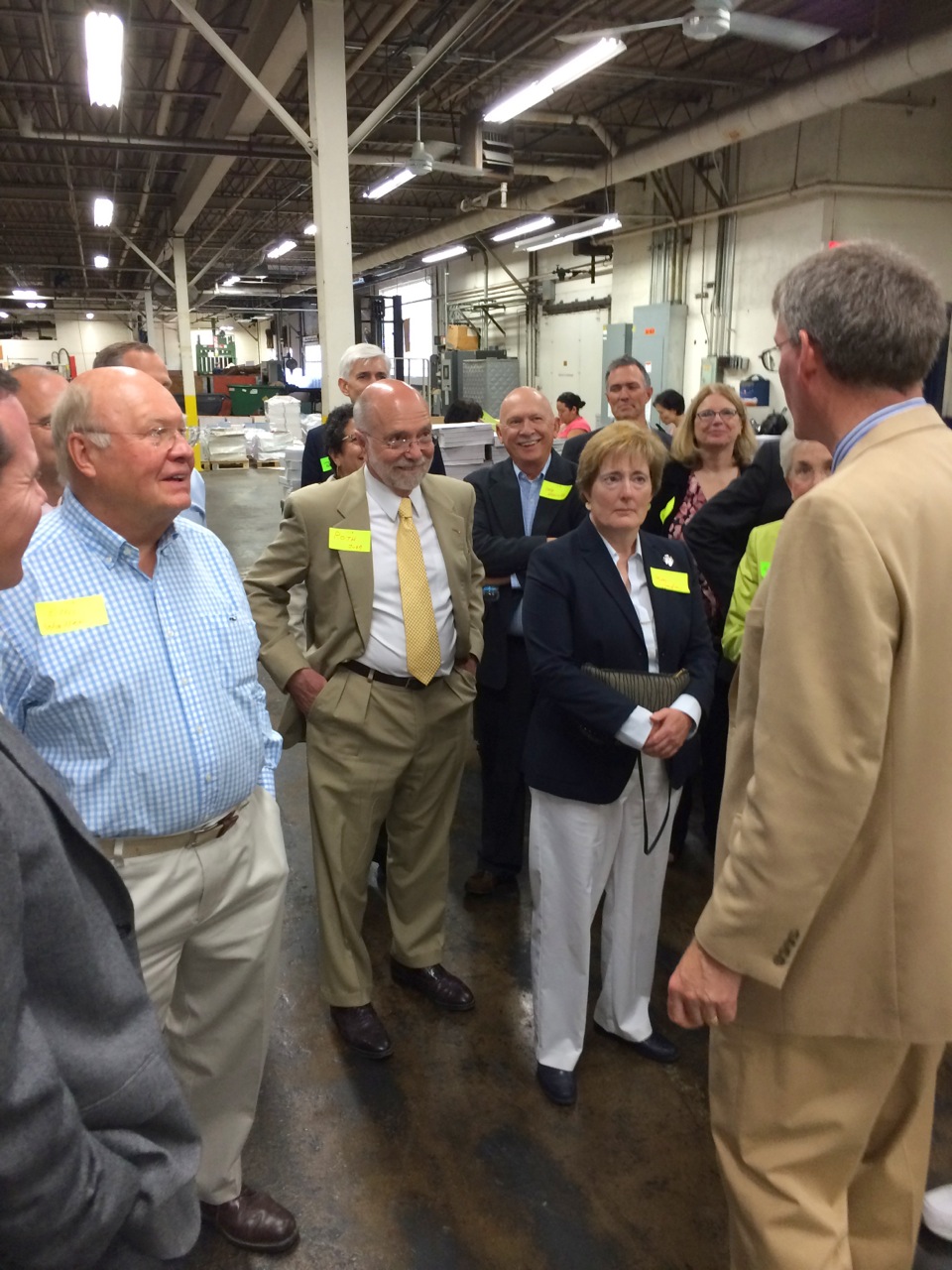
And members enjoyed lunch and a tour of Webcrafters on July 9.  Photo 1: from left: Kip Frautschi, Nate Brand, Ellis Waller, Martha Casey, Brian Basken, Marci Henderson, Derrick Van Mell and Neil Fauerbach; Photo 2: Jac Garner (left) addresses the group.

We thank the following organizations and Rotary hosts:

  • Agrace Hospice & Palliative Care – Lynne Myers
  • Bruker AXS – Mark Stover
  • Carey Fused Glass – Denny Carey
  • Edgewood College – Scott Flanagan
  • Madison College – Bob Dinndorf, Carey Heyer, Kathleen Smith & Diane Walleser
  • Overture Center for the Arts – Ted DeDee
  • St. Mary’s Hospital – Frank Byrne
  • St. Vincent de Paul – Ralph Middlecamp
  • The Capital Times – Paul Fanlund
  • UW Athletic Department – Ben Fraser
  • UW-Madison School of Human Ecology – Majid Sarmadi
  • Webcrafters, Inc. – Kip Frautschi  

We extend a special thanks to Rico Goedjen, chair of our Vocational Opportunities Committee and his committee for organizing this year’s Vocational Fellowship Luncheon Day.  

Madison Police Chief Mike Koval Addresses Rotary on July 2

–submitted by Mark Stover; photo by John Bonsett-Veal

Police Chief Mike Koval (left) with Club President Tim Stadelman

Police Chief Mike Koval (left) with Club President Tim Stadelman

Chief Mike Koval of the Madison Police Department (brother of Rotarian Dan Koval), future Downtown Madison Rotarian – no pressure Chief! – and self-described “recovering journalism major” impressed the Wednesday luncheon meeting with thoughtful remarks about his first 3 months in the position.

Chief Koval began his talk by noting the power of words (journalism major recovery apparently notwithstanding).  He noted that police professionals are often caricatured in the media as “law enforcement warriors.”  While this makes for good drama on TV and good copy in the press, it puts off the very people he intends the department to serve.  The problem with the warrior image is that it implies an attitude of “winning at all costs without regard for collateral damage.”

Instead, the Chief prefers connotations of the word “guardian.”  A guardian operates under rules that ensure police officers are not reduced to the level of those who would do harm to the weak, elderly, infirm, or innocent.  A guardian cares for people within his/her area of responsibility and seeks to work with others to build trust.  Trust creates the ability to solve problems together for mutual benefit.

Among those Chief Koval intends to protect are those suffering from mental illness.  The Chief pointed out that earlier this year the State of Wisconsin made it more difficult for his police force to provide that protection.  The Mendota Mental Health Institute is now closed to accepting adult males detained through emergency petitions.  Instead, they need to be driven to Oshkosh to a facility there.  That puts the patient at greater distance from his/her support network.  It also makes two officers unavailable for other protective duties for about 5 hours.

Tuesday night, the Madison Common Council granted the Chief permission to pursue a legal challenge to the State’s order.  True to the character presented in the rest of his presentation, the Chief noted that he sees the Council’s action as offering him leverage to open dialogue rather than as a weapon to be used pre-emptively.

When asked, the Chief noted that if members of the Club wish to provide support in his effort to change the State’s decision they should consider exercising their civic power to address state representatives and senators on the issue.